
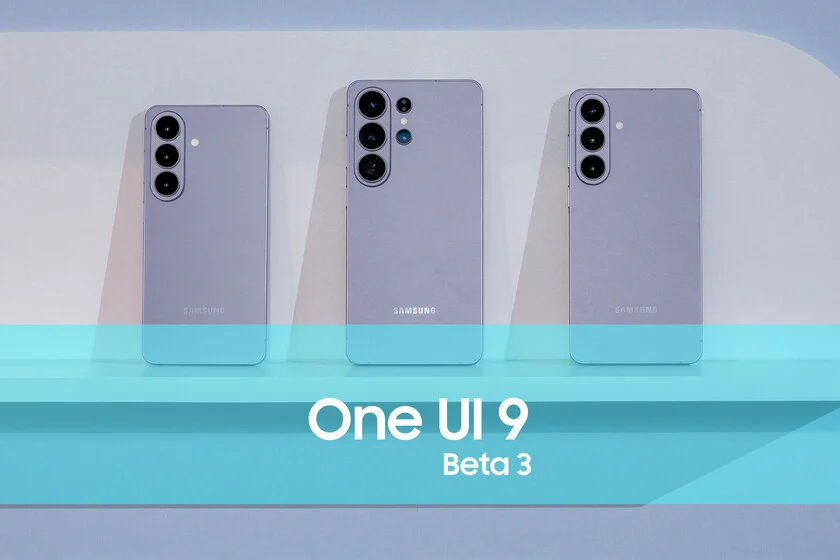

The rapid progression of Samsung’s software development cycle has been underscored by the recent release of the third beta version of One UI 9, a significant milestone in the journey towards its stable public launch. This latest iteration, made available to participants in Samsung’s open beta program for the flagship Galaxy S26 series, reinforces the company’s commitment to iterative refinement and user-driven improvements. The announcement arrives shortly after initial previews hinted at One UI 9’s potential to deliver an even more personalized and comprehensive smartphone experience for Galaxy users.
A Swift Development Pace for One UI 9
Samsung’s approach to the One UI 9 beta program has been marked by an unusually swift and consistent release schedule. The first open beta for One UI 9 was initially rolled out in mid-May, offering early adopters a glimpse into the next generation of Samsung’s custom Android overlay. This was quickly followed by a second beta version approximately two weeks later, demonstrating an aggressive commitment to gathering feedback and implementing rapid changes. The arrival of the third beta, maintaining this roughly bi-weekly cadence, highlights a highly streamlined and efficient development pipeline. This accelerated rhythm suggests that Samsung is keen to iron out any significant issues and optimize performance ahead of a wider public release, possibly indicating an earlier-than-usual stable launch compared to previous One UI iterations.
The immediate availability of the third beta for the Galaxy S26, S26+, and S26 Ultra models underscores the strategic importance of these flagship devices in Samsung’s ecosystem. These premium smartphones serve as the primary testing ground for cutting-edge software, allowing a focused group of power users and enthusiasts to identify bugs and provide valuable insights that shape the final product.
Technical Details of the Latest Iteration
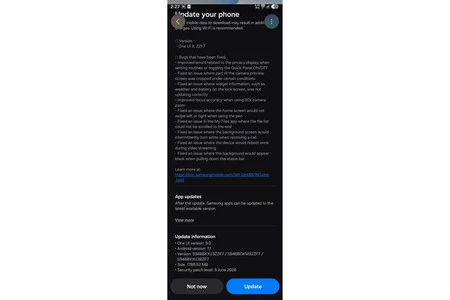
Designated with the build code ZZF7, the third beta of One UI 9 is a substantial update, weighing in at approximately 1.8 GB. This considerable file size is noteworthy, especially for a beta version, and typically indicates a comprehensive set of modifications rather than minor tweaks. While specific new features are not the primary focus of this particular release, the extensive size points towards significant underlying adjustments. These often include extensive bug fixes, performance optimizations, stability enhancements, and potentially updates to core system libraries or security patches. Large beta updates are common when addressing deep-seated issues that affect system-wide performance or user interface consistency.
Historically, beta programs evolve through distinct phases. Early betas often introduce new features and user interface changes, seeking initial reactions. Subsequent betas, like this third release, then shift focus towards stability, performance, and addressing the myriad of bugs reported by the early tester community. These bugs can range from minor graphical glitches and application crashes to more critical issues impacting battery life, network connectivity, or overall system responsiveness. The absence of explicitly listed new features in the changelog for ZZF7 confirms this shift, emphasizing a period of consolidation and refinement.
Geographical Reach and User Participation
The One UI 9 beta program has maintained a consistent geographical footprint, making the third beta available to users in key markets around the globe. These include South Korea, Samsung’s home market, along with India, the United States, Germany, the United Kingdom, and Poland. This strategic selection of countries allows Samsung to gather diverse feedback from different regulatory environments, network infrastructures, and user demographics. Such broad participation is crucial for ensuring that the final stable version of One UI 9 is robust and well-optimized for a global audience.
For eligible users already participating in the beta program on their Galaxy S26, S26+, or S26 Ultra devices, the update process remains straightforward. Accessing the new beta merely requires navigating to "Settings," then "Software Update," and finally selecting "Download and install." This seamless update mechanism encourages active participation from the beta community, facilitating a continuous feedback loop that is vital for software maturation.
The Strategic Importance of Beta Programs
Samsung’s commitment to a rigorous beta testing phase is a cornerstone of its software development strategy. Beta programs serve multiple critical functions:
- Bug Identification and Resolution: The primary purpose is to uncover and fix software defects that might be missed during internal testing. A diverse pool of external testers exposes the software to a wider range of hardware configurations, third-party applications, and real-world usage scenarios.
- Performance Optimization: Testers provide feedback on system responsiveness, battery drain, and application load times, allowing developers to fine-tune the operating system for optimal performance.
- User Experience Validation: Early feedback on new features, UI changes, and overall usability helps Samsung ensure that the final product meets user expectations and enhances their daily interactions with their devices.
- Early Adoption and Hype Generation: Beta programs generate excitement and anticipation for the upcoming stable release, building a community of loyal users who feel invested in the development process.
- Risk Mitigation: Identifying and addressing critical issues before a wide public release prevents potential widespread dissatisfaction and costly post-launch patches.
By maintaining a "bi-weekly" release schedule for its beta versions, Samsung signals an aggressive posture towards product quality and a desire to deliver a highly polished user experience with One UI 9. This iterative approach, with frequent updates, allows for agile development, where issues identified in one beta can be quickly addressed and re-tested in the next, leading to a more stable and refined final product.
Anticipated Enhancements in One UI 9
While the third beta focuses on stability, previous announcements and general trends in mobile operating systems offer insights into the anticipated features of One UI 9. The original article hinted at One UI 9 bringing "more customizable and complete" features, aligning with Samsung’s consistent efforts to empower users with greater control over their device’s aesthetics and functionality.
Potential areas of enhancement typically include:
- Enhanced Customization Options: Deeper integration of themes, expanded widget capabilities, more granular control over notification styles, and potentially new lock screen and Always-On Display functionalities. Samsung often leverages its Good Lock modules to test and integrate advanced customization features, which may become standard in One UI 9.
- Privacy and Security Improvements: Following Android’s continuous evolution in privacy, One UI 9 is expected to introduce more transparent privacy dashboards, enhanced control over app permissions, and possibly new features for secure data handling.
- AI Integration: With the increasing prominence of Artificial Intelligence in mobile devices, One UI 9 will likely deepen its integration with AI functionalities, from enhanced photo editing capabilities to smarter system performance management and more intuitive Bixby interactions, potentially building on the "Galaxy AI" ecosystem.
- Multitasking and Productivity Enhancements: Refinements to split-screen mode, pop-up view, and improved integration with Samsung DeX could offer a more seamless and productive experience for power users.
- Notification System Overhaul: Android updates frequently bring improvements to the notification shade, including new grouping options, enhanced quick settings toggles, and more interactive notifications.
- Camera Software Enhancements: Samsung consistently refines its camera interface and processing algorithms, and One UI 9 is expected to bring improvements in image quality, new shooting modes, and advanced computational photography features.
- Performance and Battery Life: Underlying optimizations to the operating system’s core, improved resource management, and more efficient background process handling are perennial goals for any major software update.
The promise of "completeness" suggests a holistic approach to user experience, ensuring that every aspect of the interface feels polished, intuitive, and seamlessly integrated.
Broader Implications for Samsung and the Android Ecosystem
The rapid and robust development cycle of One UI 9 holds several implications for Samsung’s position in the highly competitive smartphone market. By pushing out beta updates at an accelerated pace, Samsung demonstrates its agility and responsiveness, factors that are increasingly valued by consumers. In an era where software experience can be as critical as hardware specifications, a well-optimized and frequently updated OS strengthens brand loyalty.
Furthermore, Samsung’s long-term commitment to software updates, extending to several years of OS upgrades and security patches for its flagship devices, positions it favorably against competitors. The original article referenced Samsung’s "immortal" Galaxy devices receiving up to seven years of updates, a policy that significantly enhances the value proposition of its smartphones and encourages users to remain within the Samsung ecosystem. The efficient beta program for One UI 9 is a direct reflection of the resources and strategic importance Samsung places on fulfilling these update promises.
For the broader Android ecosystem, Samsung’s proactive approach to software development sets a high bar. As the largest Android OEM, Samsung’s practices often influence industry trends. Its rapid iteration and extensive beta testing contribute to the overall maturation and stability of the Android platform, benefiting not just its own users but also pushing other manufacturers to enhance their software support and update policies.
The Path Ahead: Towards a Stable Release
With the third beta now in circulation, the One UI 9 development is clearly moving towards its final stages. Typically, a beta program will involve several more iterations, each addressing a diminishing number of bugs and refining the user experience, before a "release candidate" version is finalized. The current focus on bug fixes and performance improvements in the ZZF7 build suggests that Samsung is consolidating the core features and preparing for the comprehensive testing required for a stable launch.
The stable version of One UI 9 is anticipated to roll out to the Galaxy S26 series first, likely in the coming months, followed by a phased deployment to other eligible Galaxy devices, including previous flagships and select mid-range models. The successful execution of this beta program will be a critical determinant of the quality and user reception of One UI 9 upon its official debut. Early adopters, through their active participation and detailed feedback, play an indispensable role in shaping this future, ensuring that when One UI 9 officially arrives, it delivers on its promise of an even more customizable, complete, and refined experience for millions of Samsung Galaxy users worldwide.
