
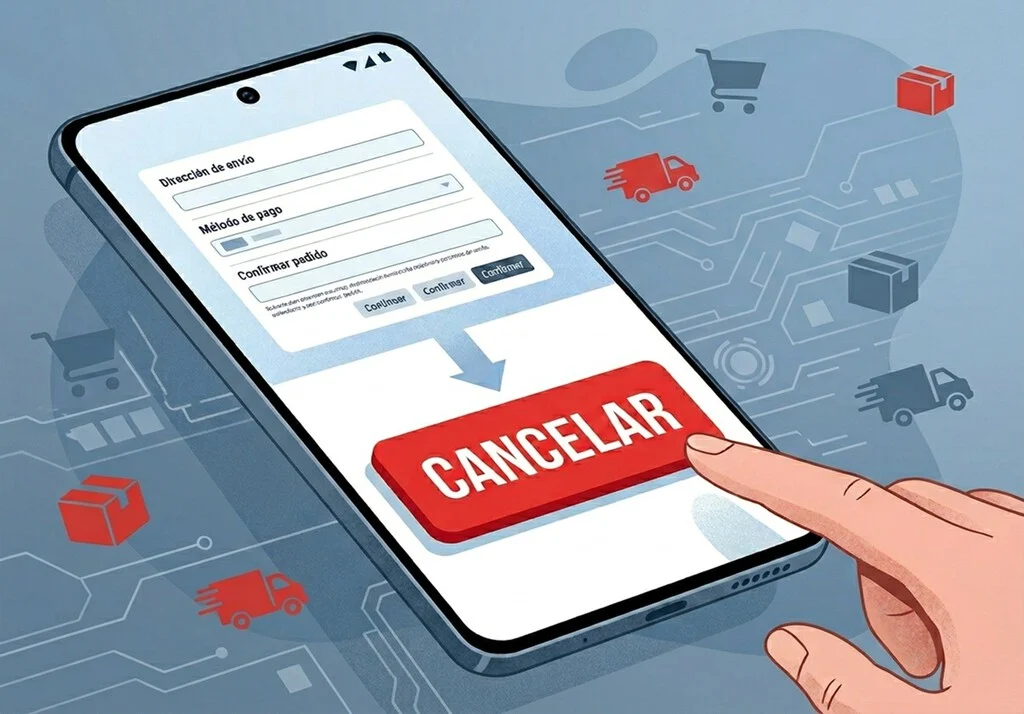

The European Union is implementing a pivotal legislative change in digital commerce, significantly enhancing consumer protection across its member states. Effective tomorrow, June 19, new regulations under Directive (UE) 2023/2673 will introduce a mandatory "withdrawal button" for online purchases and contracts, making the process of canceling an online transaction as straightforward as initiating one. This measure represents a concerted effort by the EU to adapt its consumer protection framework to the rapidly evolving digital marketplace, aiming to reduce friction for consumers and bolster trust in e-commerce.
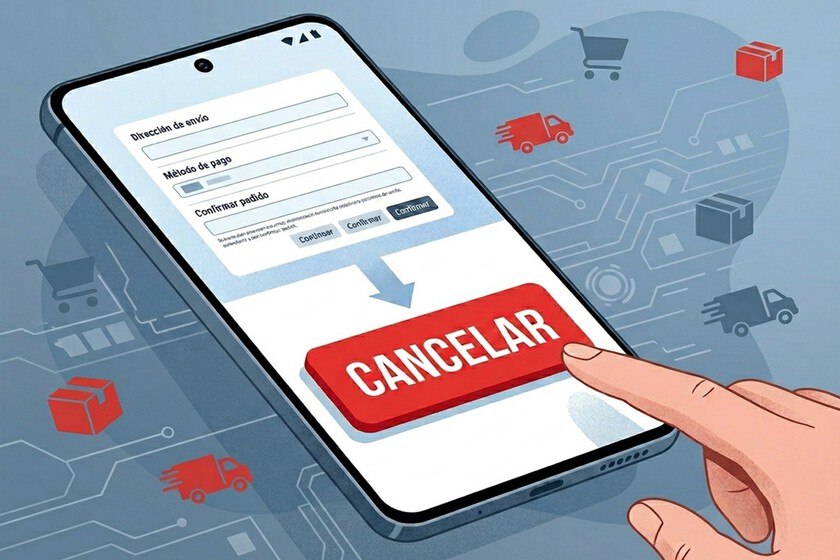
The core of this new regulation mandates that any merchant offering distance contracts via an online interface – be it a website, mobile application, or other digital platform – must provide consumers with a clear, continuously available, and easily locatable digital function for exercising their right of withdrawal. This applies universally to both tangible goods, such as electronics and appliances, and intangible services like digital content, insurance policies, and subscriptions. The explicit goal is to ensure parity in ease between concluding a contract online and withdrawing from it, a principle that consumer advocates have long championed.
A Digital Pathway to Consumer Empowerment
For years, the process of withdrawing from an online purchase has often been fraught with complexities, ranging from obscure contact forms to lengthy email exchanges, or even requirements to send physical letters. These hurdles often deterred consumers from exercising their statutory rights, leading to frustration and eroded trust in online retail. The new directive directly addresses these pain points by requiring a "clear, visible, and simple digital pathway" for withdrawal.
The directive explicitly states that consumers should not have to undertake elaborate procedures to locate or access this function. For instance, if a contract was not initiated through a specific application, the consumer should not be required to download that application solely to process a withdrawal. This emphasis on accessibility and ease of use underscores the EU’s commitment to practical consumer protection in the digital age. The digital withdrawal function must be "easy to find, available continuously, and clearly visible during the withdrawal period," ensuring that consumers are empowered to act decisively when needed.
The Foundational Right of Withdrawal: 14 Days
The introduction of the digital withdrawal button complements the existing legal framework governing consumer rights in the EU. In Spain, as stipulated by the Ley General para la Defensa de los Consumidores y Usuarios (General Law for the Defense of Consumers and Users), consumers generally have 14 calendar days to withdraw from a distance or off-premises contract without needing to provide a reason. This period typically begins from the day the consumer receives the product, or, in the case of services, from the day the contract is concluded.
This 14-day cooling-off period is a cornerstone of EU consumer law, designed to compensate for the lack of physical inspection possible in distance sales. The new digital withdrawal button streamlines the mechanism for exercising this right, rather than altering the duration of the right itself. This continuity ensures that the long-standing protection afforded to consumers remains intact, now coupled with a significantly more user-friendly process.
The Rationale: Adapting to the E-commerce Boom
The imperative for this directive stems from the exponential growth of e-commerce across Europe. The digital single market, a key strategic objective of the EU, relies heavily on consumer trust and seamless cross-border transactions. According to Eurostat data, a substantial percentage of EU citizens regularly engage in online shopping, a trend that accelerated significantly during and after the COVID-19 pandemic. In 2023, nearly three-quarters of internet users in the EU aged 16-74 bought or ordered goods or services online. This massive volume of transactions necessitates robust and easily navigable consumer protection mechanisms.
Before this directive, while the right of withdrawal existed, its practical application varied widely among online retailers. Some provided clear mechanisms, while others made the process intentionally arduous, hoping consumers would abandon their efforts. This inconsistency created an uneven playing field for businesses and an unreliable experience for consumers. The new regulation seeks to standardize this crucial aspect of online commerce, ensuring a baseline level of protection and ease for all EU consumers, irrespective of where they shop online within the Union.
Timeline and Legislative Journey
The journey towards Directive (UE) 2023/2673, which specifically amends Directive 2011/83/EU on consumer rights, has been part of a broader EU strategy to modernize its digital rulebook. Discussions around enhancing consumer protection in the digital sphere have intensified over the past decade, driven by technological advancements and evolving consumer habits. The European Commission regularly reviews existing directives to ensure they remain fit for purpose in a dynamic digital landscape.
The formal legislative process for this amendment involved proposals from the European Commission, subsequent deliberations and amendments by the European Parliament and the Council of the European Union, ultimately leading to its adoption. Member states then had a period to transpose the directive into their national laws. The June 19th deadline marks the full entry into force of these specific provisions, signifying the culmination of years of legislative work aimed at bolstering consumer confidence and facilitating fair trade in the digital single market.
Implications for Consumers: Enhanced Trust and Reduced Friction
For the average European consumer, the "withdrawal button" promises a significant improvement in their online shopping experience. The psychological barrier of a complicated return process is expected to diminish, potentially encouraging more confident online purchasing. This transparency and ease of cancellation are crucial for fostering trust, especially in cross-border e-commerce, where consumers might be more hesitant due to unfamiliarity with foreign retailers’ return policies.
Consumer advocacy groups, such as the European Consumer Organisation (BEUC) and national bodies like Spain’s OCU, have consistently highlighted the need for simpler withdrawal processes. They argue that clarity and accessibility are paramount for consumers to fully exercise their rights. This directive aligns perfectly with their mission, providing a tangible tool that empowers consumers and reduces the likelihood of disputes or unaddressed grievances. The Comunidad de Madrid’s statement, "cancelling an online purchase should be as easy as making it," perfectly encapsulates the spirit of this new regulation, reflecting a widespread sentiment among consumer protection agencies.
Implications for Businesses: Compliance, Adaptation, and Potential Benefits
For e-commerce businesses operating within the EU, the new directive necessitates immediate action and potential adjustments to their online interfaces and backend systems. This includes:
- Website/App Redesign: Integrating a clearly visible and accessible withdrawal function. This might involve adding a dedicated button or link in customer accounts, order history, or even directly on product pages post-purchase.
- Backend System Updates: Ensuring that the digital withdrawal process seamlessly integrates with inventory management, refund processing, and customer service systems.
- Policy Review: Updating terms and conditions to reflect the new digital withdrawal method and ensure full compliance with the directive.
- Staff Training: Educating customer service teams on the new digital process and how to handle inquiries related to it.
While these changes represent an initial compliance cost and operational challenge, especially for smaller businesses and startups, the long-term benefits could outweigh them. Enhanced consumer trust often translates into increased sales and reduced cart abandonment rates. A streamlined return process can also lead to more efficient internal operations, reducing the time and resources previously spent on complex manual withdrawal requests. Moreover, businesses that proactively embrace these changes can differentiate themselves as consumer-friendly, building stronger brand loyalty.
Industry associations, such as EuroCommerce, representing the retail and wholesale sector, have acknowledged the need for updated regulations to match the digital economy. While they may raise concerns about implementation costs and potential increases in returns, many also recognize that a clear and fair framework benefits the entire ecosystem by fostering a more reliable and attractive online marketplace.
Enforcement and Future Outlook
The enforcement of Directive (UE) 2023/2673 will primarily rest with national consumer protection authorities in each EU member state. These bodies will be responsible for monitoring compliance, investigating complaints, and imposing penalties for non-adherence. The directive is part of a broader European legislative landscape that includes the Digital Services Act (DSA) and the Digital Markets Act (DMA), all aimed at creating a safer, fairer, and more competitive digital environment. This interconnected web of regulations signifies a comprehensive approach by the EU to govern the digital space.
The introduction of the digital withdrawal button is more than just a procedural change; it symbolizes a maturing of e-commerce regulation. It recognizes that as digital interactions become increasingly central to economic life, the legal framework must evolve to provide equally robust protections as those enjoyed in traditional commerce. As technology continues to advance, future legislative efforts may focus on areas such as artificial intelligence in consumer interactions, personalized pricing transparency, and further streamlining of cross-border dispute resolution mechanisms. For now, the "withdrawal button" stands as a clear signal of the EU’s unwavering commitment to putting consumer rights at the forefront of the digital economy.
