

The landscape of the smart home is at a critical juncture, marked by significant leadership changes at Amazon and a decade-long assessment of its flagship voice assistant, Alexa, and its accompanying Echo devices. David Limp, Amazon’s senior vice president of devices and services, is slated to retire, joining a broader exodus of high-ranking executives from the e-commerce giant over the past year. This transition coincides with the approaching tenth anniversary of Alexa and the Amazon Echo, prompting a re-evaluation of their impact on the smart home ecosystem and the evolution of its capabilities.
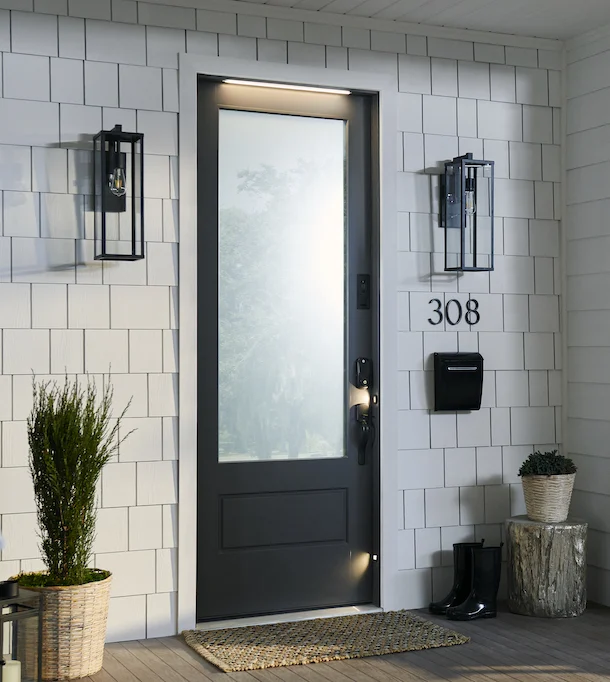
The current state of the smart home is a complex mosaic of innovation and consumer apprehension. This is underscored by recent product introductions and reviews that highlight both the potential and the persistent challenges within the sector. For instance, a review of the Mill kitchen composting system, developed by Nest co-founder Matt Rodgers, illustrates a niche yet sophisticated approach to smart home integration, aiming to solve a specific household problem with advanced technology. Simultaneously, the market introduction of the Masonite M-Pwr smart door at Home Depot signifies a push towards higher-end, integrated smart home security solutions, though its substantial price point raises questions about accessibility and mass adoption.
Against this backdrop, regulatory bodies are also taking notice. The Federal Communications Commission (FCC) has initiated a Notice of Proposed Rulemaking for an Internet of Things (IoT) cybersecurity labeling program. This proactive measure, open for public comment for 30 days, aims to equip consumers with clearer information regarding the security posture of smart devices, a critical factor in building trust and encouraging wider adoption.
In parallel, security concerns extend beyond consumer devices, with Microsoft recently uncovering a new set of vulnerabilities that could potentially be exploited to disrupt critical infrastructure, including power plants. This discovery underscores the pervasive nature of cybersecurity risks in an increasingly interconnected world, affecting both personal and industrial domains.
Amidst these developments, the Z-Wave protocol, a cornerstone in many smart home installations, is receiving a boost with the emergence of a new chip provider, signaling continued investment and innovation in this established communication standard. Furthermore, the Homey Pro smart home hub has garnered attention for its robust capabilities, including local device control, albeit at a premium price point, offering an alternative for users prioritizing privacy and offline functionality. These diverse developments paint a picture of a dynamic and evolving smart home market, grappling with questions of accessibility, security, and the fundamental role of voice assistants.
A Decade of Alexa: Promises and Realities
Launched in late 2014, Amazon’s Echo smart speaker, powered by the Alexa voice assistant, heralded a new era of intuitive home interaction. The initial promise was one of effortless control: adjusting lights, playing music, setting timers, and accessing information through simple voice commands. Over the past decade, Alexa has become a ubiquitous presence in millions of homes, integrated into a vast array of devices from smart speakers and displays to thermostats, security cameras, and even kitchen appliances.
The success of the Echo line can be attributed to several factors. Amazon’s aggressive pricing strategy, coupled with continuous software updates and an expanding ecosystem of "skills" developed by third-party partners, fostered rapid adoption. Alexa’s ability to learn user preferences and adapt to common requests positioned it as a central hub for managing various smart home functions. This created a network effect, where the more users adopted Alexa-enabled devices, the more valuable the platform became due to the increased availability of integrated services and devices.
However, the initial vision of a seamless, entirely voice-controlled smart home has encountered practical limitations. While Alexa excels at discrete tasks, the complexity of orchestrating multiple, disparate smart home devices often requires more than simple voice commands. The fragmentation of the smart home market, with numerous manufacturers employing different communication protocols and software architectures, has historically presented a significant hurdle. This has led to situations where devices that are technically "smart" remain isolated, unable to communicate effectively with each other or with the central voice assistant, leading to user frustration.
The retirement of David Limp, a key figure in Amazon’s device division, prompts reflection on the strategic direction of Amazon’s smart home ambitions. His tenure oversaw the development and proliferation of Alexa and Echo, making Amazon a dominant force in the consumer electronics and smart home space. His departure may signal a period of strategic reassessment for Amazon’s device division, potentially leading to a renewed focus on specific areas or a shift in development priorities.
The Evolving Smart Home Landscape: Innovation Meets Practicality
The smart home market continues to mature, with manufacturers exploring increasingly sophisticated functionalities and integration methods. The introduction of devices like the Mill composting system exemplifies a trend towards specialized smart appliances designed to address specific consumer needs and pain points. This "niche intelligence" approach offers a tangible benefit, moving beyond generalized convenience to solve particular household challenges. The system’s ability to automate and monitor food waste could appeal to environmentally conscious consumers and those seeking to reduce kitchen odors and pest issues, all managed through a connected interface.
On the other end of the spectrum, high-end smart home solutions are becoming more prevalent. The Masonite M-Pwr smart door, now available at Home Depot, represents a significant investment in home security and convenience. This integrated door system likely offers features such as remote locking and unlocking, access control for guests, and potentially integration with existing smart home security networks. However, its high cost positions it as a luxury item, raising questions about its impact on broader market adoption and accessibility. The success of such premium products often depends on their ability to demonstrate clear, long-term value and reliability, justifying the significant upfront investment for consumers.
Navigating the Regulatory and Security Frontlines
The increasing complexity and ubiquity of smart devices have prompted regulatory bodies to address critical issues of consumer protection and cybersecurity. The FCC’s proposed cybersecurity labeling program for IoT devices is a significant step towards enhancing transparency in the smart home market. This initiative aims to provide consumers with a standardized, easily understandable label that indicates the cybersecurity features and practices of a device. Such a program could empower consumers to make more informed purchasing decisions, prioritizing devices that offer a higher level of security and reducing the risk of devices being compromised by cyber threats. The 30-day public comment period is a crucial opportunity for industry stakeholders, consumer advocacy groups, and the public to contribute to the shaping of this important regulation.

The implications of cybersecurity vulnerabilities extend far beyond individual homes. Microsoft’s recent disclosure of vulnerabilities affecting industrial control systems, with the potential to impact critical infrastructure like power plants, highlights the systemic risks associated with interconnected technologies. These discoveries underscore the need for robust security measures across all levels of the digital infrastructure, from consumer devices to industrial applications. The potential for malicious actors to exploit such vulnerabilities poses a significant threat to national security and public safety, necessitating a coordinated and proactive approach to cybersecurity from both the private sector and government agencies.
Z-Wave’s Resilience and the Future of Connectivity
The Z-Wave protocol, a popular standard for low-power wireless communication in smart home devices, is demonstrating continued resilience and adaptability. The emergence of new chip providers signals ongoing investment in the Z-Wave ecosystem, ensuring its continued relevance and the availability of components for device manufacturers. This is particularly important as the smart home market evolves and the demand for reliable, interoperable devices grows.
A key development in this area is the potential for Z-Wave to integrate more seamlessly with emerging standards like Matter. Matter, an open-source connectivity standard, aims to unify smart home devices from different manufacturers, enabling them to communicate with each other regardless of their underlying protocol. The interplay between Z-Wave and Matter is a critical area of development, with companies like Trident IoT playing a significant role.
Mariusz Malkowski, founder and CTO of Trident IoT, shared insights into the company’s mission to bolster the Z-Wave community. Trident IoT is not only focused on manufacturing Z-Wave chips but also on facilitating interoperability between Z-Wave and other smart home radio protocols. This includes exploring how Matter will work in conjunction with Z-Wave, emphasizing the importance of bridging technologies that allow different standards to coexist and communicate effectively. This bridging capability is crucial for ensuring that existing Z-Wave devices can be incorporated into a Matter-enabled smart home ecosystem, protecting consumer investments and promoting a more inclusive smart home future.
Trident IoT’s strategic approach also involves acting as a Z-Wave certification house, further solidifying the protocol’s reliability and adherence to standards. The company’s plans for Z-Wave Long Range (Z-LR) and anticipated security upgrades suggest a commitment to advancing the protocol’s capabilities, addressing the growing demand for extended range and enhanced security in smart home deployments.
The Homey Pro: A Contender for Local Control
In a market often dominated by cloud-dependent solutions, the Homey Pro smart home hub presents a compelling alternative for users prioritizing local control and data privacy. While its premium price point of approximately $399 positions it as a significant investment, the Homey Pro offers robust functionality that can appeal to advanced users and enthusiasts.
The hub’s primary advantage lies in its ability to manage and automate smart home devices without constant reliance on an internet connection or cloud servers. This "local first" approach offers several benefits:
- Enhanced Privacy: User data and device activity remain within the local network, reducing concerns about data collection and potential breaches by third-party cloud providers.
- Increased Reliability: Smart home automations continue to function even during internet outages, ensuring essential functions like lighting and security remain operational.
- Faster Response Times: Local processing of commands can lead to quicker device responses, improving the overall user experience.
The Homey Pro supports a wide array of wireless protocols, including Wi-Fi, Bluetooth, Zigbee, Z-Wave, and infrared, allowing it to communicate with a broad spectrum of smart home devices. Its advanced automation engine enables users to create complex routines and scenarios tailored to their specific needs. However, potential buyers are advised to verify device compatibility with the Homey Pro, as the extent of support for specific brands and models can vary. This due diligence is crucial to ensure that the hub can effectively integrate with a user’s existing or planned smart home setup. The Homey Pro’s existence highlights a growing segment of the market that values autonomy and granular control over their connected homes, offering a sophisticated option for those willing to invest in such capabilities.
Addressing Specific User Needs: The Woodworker’s Lamp
Beyond the broad strokes of industry trends and technological advancements, the smart home also caters to highly specific individual needs. A recent listener question highlighted this, seeking advice on the appropriate light bulb for a woodworking lamp. This seemingly simple query touches upon critical aspects of lighting for detailed work, including color temperature, brightness, and energy efficiency.
For woodworking, the ideal light bulb should provide accurate color rendering to ensure that the true colors of materials are visible, which is crucial for tasks like stain matching or identifying wood grains. Light bulbs with a high Color Rendering Index (CRI) are recommended, typically 90 or above. The color temperature, measured in Kelvin (K), also plays a significant role. A neutral white light, generally between 4000K and 5000K, is often preferred for workspaces as it mimics natural daylight and minimizes eye strain during prolonged periods of focused work.
Brightness, measured in lumens, should be sufficient for detailed tasks without causing glare. For a woodworking lamp, a range of 800-1500 lumens per bulb might be appropriate, depending on the lamp’s design and the specific area being illuminated. LED bulbs are the most recommended choice due to their energy efficiency, long lifespan, and the availability of a wide spectrum of color temperatures and high CRI options. They also generate less heat than traditional incandescent bulbs, which can be an important safety consideration in a workshop environment. Ultimately, the choice of light bulb for a woodworking lamp involves balancing technical specifications with practical considerations for safety, comfort, and precision in a craft-oriented setting.
