
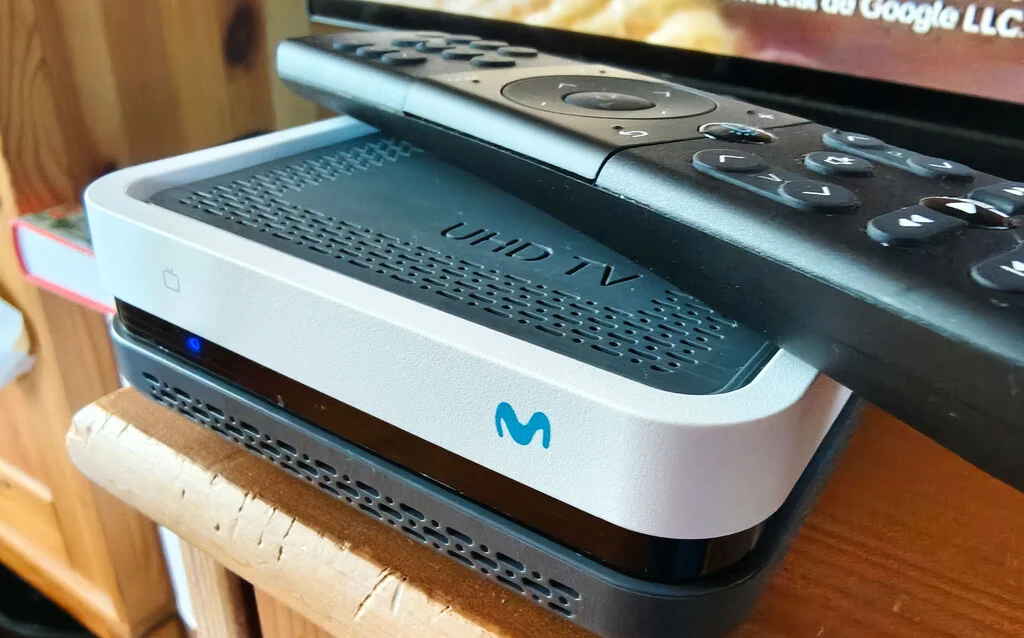

While seemingly offering identical access to premium content, the Movistar Plus+ service, Spain’s leading pay-TV platform, presents a notably different user experience depending on whether subscribers opt for the traditional associated decoder or the modern standalone application. This distinction, often overlooked by potential subscribers, encompasses not only variations in content aggregation and operational speed but, critically, a significant disparity in advertising load, prompting a re-evaluation of value propositions for a service that consumers pay for monthly. The decoder, typically linked to comprehensive miMovistar bundled tariffs, integrates popular third-party streaming applications such as Netflix, Disney+, and HBO Max directly within its interface, a convenience not universally replicated by the Movistar Plus+ app itself. However, this perceived advantage of centralisation comes with a notable caveat: a considerably higher frequency and intrusiveness of advertisements, a factor that is increasingly influencing subscriber satisfaction and engagement in a highly competitive digital media landscape.
The Bifurcated Experience: Decoder vs. App
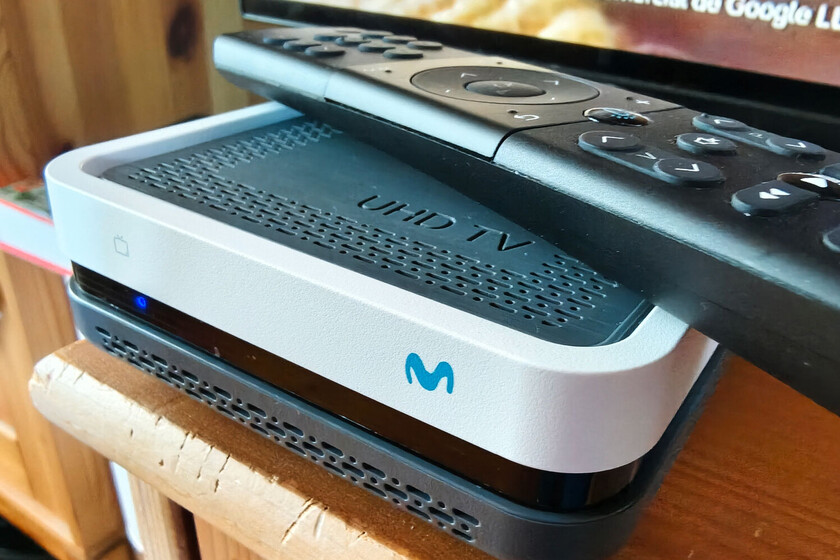
The fundamental difference between the Movistar Plus+ decoder and its application lies in their design philosophy and operational constraints. The decoder acts as a dedicated gateway, a proprietary piece of hardware designed to deliver a controlled, curated experience. Historically, such decoders were the sole means of accessing pay-TV services, offering robust signal reception, advanced recording capabilities, and often, exclusive features. As the digital ecosystem evolved, these devices began integrating over-the-top (OTT) streaming services, transforming into entertainment hubs. This integration, while convenient for users seeking to consolidate their viewing platforms, inherently ties the decoder to a broader strategic vision from the operator, which can include leveraging the platform for additional revenue streams like advertising.
In contrast, the Movistar Plus+ application, available on a multitude of devices ranging from smart TVs (like Android TV and LG’s webOS) to smartphones and tablets, represents a more agile and decentralised approach. It functions as a direct conduit to Movistar Plus+ content, bypassing the operator’s proprietary hardware. This allows for greater flexibility in terms of access points and potentially faster deployment of new features or content. However, its performance is inherently tied to the capabilities of the host device. While a dedicated decoder might offer a consistent and optimised performance profile, an app’s speed and responsiveness can vary significantly based on the processing power, memory, and network connectivity of the user’s personal device. This trade-off between device dependency and proprietary hardware control forms the bedrock of the diverging user experiences.
The Advertising Conundrum: A Premium Service Under Scrutiny
Perhaps the most contentious point of divergence, and the primary driver of user dissatisfaction highlighted in recent reports, is the stark difference in advertising frequency between the decoder and the application. Subscribers to premium services, by definition, expect a largely ad-free or minimally interrupted viewing experience, a core tenet that differentiates them from free, ad-supported content models.
On the Movistar Plus+ decoder, reports indicate a significantly more aggressive advertising strategy. Users frequently encounter mandatory ad blocks immediately upon powering up the device, before accessing the program guide, and at the commencement of content playback. Furthermore, intrusive banner advertisements can appear even during content pauses, disrupting the flow of consumption. This pervasive advertising, often described as akin to YouTube’s ad model, generates considerable frustration, particularly given that subscribers are already paying a substantial monthly fee for the service. Industry analysts suggest that this heightened ad load on proprietary hardware could be a strategic move by Movistar to monetise its captive audience more aggressively, leveraging the controlled environment of the decoder to insert ads that might be less permissible or technically feasible within the more open architecture of a third-party application.
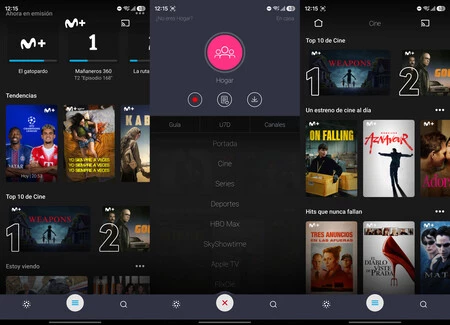
Conversely, the Movistar Plus+ application, while not entirely devoid of advertising, employs a far more restrained approach. Advertisements are typically limited to banners within the interface or pre-roll ads before certain content. Crucially, many users report the ability to circumvent these pre-roll ads by simply navigating back and restarting the playback, a workaround that significantly enhances the perceived viewing experience. This suggests a deliberate choice in the app’s design to prioritise user retention and satisfaction, possibly acknowledging the ease with which users can switch to alternative streaming platforms if the ad experience becomes too intrusive. The cleaner, less interrupted flow offered by the app often leads to a preference among users who prioritise an ad-light environment, even if it means sacrificing the centralised integration of other streaming services offered by the decoder.
Historical Context and Market Evolution
To fully understand Movistar’s current approach, it is essential to trace the evolution of its pay-TV offering. Movistar Plus+ has its roots in Canal+, a pioneering premium television service in Spain. Over the decades, through various mergers and acquisitions, primarily under Telefónica, it transformed into the comprehensive Movistar Plus+. Initially, the service was tightly integrated with Telefónica’s broader telecommunications packages (fibre, mobile, fixed line), forming "miMovistar" tariffs that aimed to capture and retain customers through bundled value. The decoder was central to this strategy, serving as the physical embodiment of the premium television offering within the home.
However, the global media landscape has undergone a seismic shift with the advent and proliferation of over-the-top (OTT) streaming services. Platforms like Netflix, Amazon Prime Video, Disney+, and HBO Max have fundamentally altered consumer expectations, prioritising on-demand access, user-friendly interfaces, and, for many, an ad-free experience. This "cord-cutting" phenomenon, where consumers forgo traditional pay-TV bundles in favour of à la carte streaming subscriptions, has forced traditional operators like Movistar to adapt.
The introduction and subsequent enhancement of the Movistar Plus+ application represented a strategic response to these market dynamics. It allowed the service to reach a broader audience, including those not subscribed to a full miMovistar bundle, and to cater to the growing demand for multi-device access. This move also enabled Movistar Plus+ to be offered as a standalone service, a significant departure from its historical bundling strategy, reflecting a recognition that flexibility and accessibility are paramount in the modern media ecosystem. The differentiation in ad policies between the decoder and the app can thus be seen as an ongoing experiment in balancing legacy business models with new digital consumption patterns.
Technical and Strategic Underpinnings
The perceived speed advantage of the decoder, as noted by some users, could stem from several factors. Dedicated hardware can be optimised specifically for the Movistar Plus+ platform, leading to faster boot times, quicker menu navigation, and more responsive content loading. Unlike an app running on a general-purpose smart TV or mobile device, the decoder’s operating system and hardware are designed to execute a singular primary function, minimising overhead and potential conflicts with other applications. This dedicated optimisation can indeed result in a smoother, more immediate user experience in terms of interface responsiveness.
Furthermore, the decoder’s ability to centralise other major streaming platforms like Netflix and Disney+ within its ecosystem offers a distinct convenience. From a strategic standpoint, this positions Movistar as the primary entertainment hub in the household, reinforcing its role as a gatekeeper for digital content. This integration also allows Movistar to potentially gather more comprehensive user data on viewing habits across different platforms, which can inform content acquisition strategies, targeted advertising, and future service developments.
The decision to implement a higher ad load on the decoder, despite its premium subscription status, likely reflects a multi-faceted revenue strategy. Advertising revenue, even from a relatively niche audience, can contribute significantly to the operator’s bottom line, helping to offset content acquisition costs and infrastructure investments. Given the typically higher cost associated with bundling a decoder and maintaining its infrastructure, Movistar might view the decoder as a more direct channel for additional monetisation. Moreover, the captive nature of a physical device within a home environment might be perceived as offering a more controlled advertising environment compared to an application where users have greater freedom to switch platforms or employ ad-blocking technologies.
Consumer Perspectives and Industry Trends
The diverging experiences highlight a broader challenge faced by traditional pay-TV operators: how to reconcile legacy service delivery models with evolving consumer expectations shaped by the streaming era. Consumers are increasingly intolerant of intrusive advertising, especially when they are paying a premium for content. The "ad fatigue" phenomenon is well-documented, with studies showing that excessive or poorly targeted ads can lead to subscriber churn.
While the convenience of a centralised entertainment hub offered by the decoder is attractive to some, the trade-off of increased advertising appears to be a growing point of contention. The ability of the app to provide a cleaner experience, even if its overall responsiveness depends on the host device, often outweighs the decoder’s integrated features for many users. This preference underscores a shift in consumer priorities: uninterrupted viewing and control over the experience are often valued above platform consolidation.
Globally, the trend is towards hybrid models, where traditional broadcasters and telcos offer a mix of linear TV, on-demand content, and third-party app integration. However, the success of these models often hinges on a consistent and high-quality user experience across all access points. Disparities, particularly in core areas like advertising, can undermine subscriber loyalty and push users towards competitors offering more streamlined, ad-light alternatives.
Implications for Movistar’s Strategy
Movistar’s current strategy appears to be an attempt to cater to different segments of its subscriber base. The decoder experience, with its bundled integrations and potentially faster dedicated performance, might appeal to users who prefer a single, curated interface for all their entertainment needs, and who may be less sensitive to advertising. This segment might also include users less technically inclined to manage multiple apps across different devices.
The application, on the other hand, serves the digitally savvy consumer, accustomed to the flexibility and ad-light nature of modern streaming services. By offering a cleaner ad experience on the app, Movistar acknowledges the competitive pressures from pure-play streaming platforms and aims to retain these users who are more likely to "cord-cut" if their expectations are not met.

However, maintaining such a significant disparity carries risks. It can create confusion among subscribers, leading to dissatisfaction when expectations set by one platform are not met by another. More critically, it risks alienating users who discover they are paying for a "premium" service only to be subjected to an ad load comparable to free content. In an era where user experience is paramount, inconsistencies can damage brand perception and lead to higher churn rates.
Movistar could consider several approaches to mitigate these issues. One option would be to standardise the ad experience across both platforms, perhaps offering an ad-free tier at a higher price point, mirroring strategies adopted by other streaming giants. Another could be to provide clearer communication to subscribers about the differences in ad load, allowing them to make an informed choice. Furthermore, enhancing the app’s performance and optimising it for a wider range of devices could reduce the perceived speed advantage of the decoder, thereby levelling the playing field in terms of user experience.
The Future of Content Delivery
The ongoing divergence in the Movistar Plus+ experience between its decoder and application serves as a microcosm of the broader challenges and opportunities within the pay-TV industry. As consumers increasingly gravitate towards flexible, on-demand, and ad-light viewing, traditional operators must adapt their strategies beyond mere content aggregation. The physical decoder, once an indispensable component of pay-TV, faces an existential threat from ubiquitous smart devices and sophisticated applications.
The trend suggests that the future lies in seamless, platform-agnostic content delivery, where the user experience is paramount and advertising is either minimal, highly personalised, or entirely optional through tiered subscriptions. While the decoder may continue to serve a segment of the market that values its dedicated nature and integrations, the long-term viability of aggressive ad insertion on a paid service is increasingly questionable. As consumer choice expands and switching costs diminish, the platform that offers the most fluid, enjoyable, and ad-respectful experience is poised to capture and retain the largest share of the evolving digital audience. For Movistar, navigating this intricate balance between legacy infrastructure, revenue diversification, and evolving user expectations will be critical in shaping its future in the Spanish and European telecommunications landscape.
