
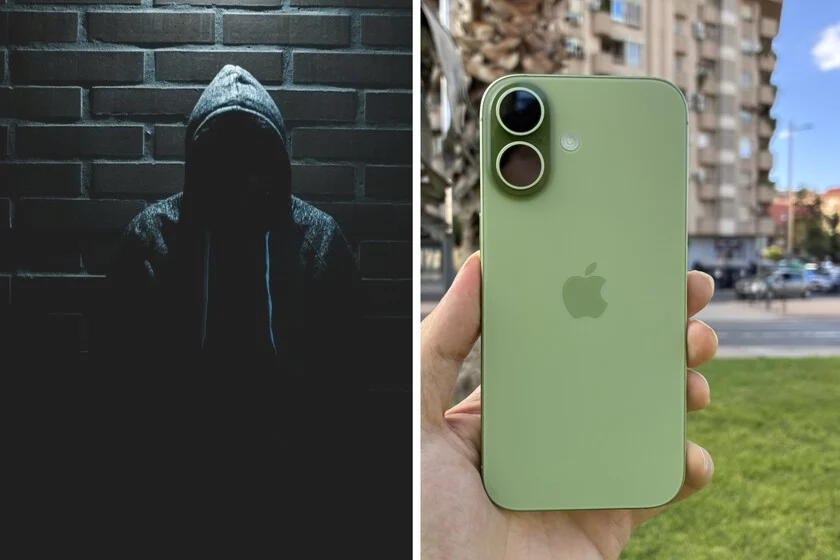

In a significant stride toward bolstering smartphone security, Apple is reportedly developing an advanced anti-theft mechanism for its iPhone lineup, designed to automatically lock a device the moment it detects a snatch-and-grab theft. This innovative feature, unearthed through recent discoveries within the iOS operating system’s code, promises to add an unprecedented layer of instantaneous protection, particularly valuable in scenarios where owners are unable to remotely lock their device immediately after it has been stolen. This development positions Apple to further cement its reputation for robust device security, responding to a pervasive global issue that costs consumers billions annually and poses substantial risks to personal data. The revelation, initially brought to light by tech publication 9to5Mac, points to code within iOS indicating a sophisticated system capable of discerning abrupt, forceful movements characteristic of a theft. This capability is expected to leverage an array of integrated sensors, including accelerometers and gyroscopes, to identify anomalous motion patterns that deviate sharply from typical user interaction. Such a system would be a critical enhancement, especially for situations where an iPhone is actively in use or unlocked when it is forcibly taken from its owner, thereby minimizing the window of opportunity for a thief to access sensitive information.
The Pervasive Threat of Smartphone Theft and Data Compromise
Smartphone theft remains a widespread global concern, impacting millions of individuals and generating substantial financial losses. Reports from various law enforcement agencies and insurance providers consistently highlight the high incidence of these crimes. For instance, in major metropolitan areas worldwide, smartphone theft accounts for a significant percentage of street crime. In the United States alone, the Federal Communications Commission (FCC) has noted that millions of smartphones are stolen each year, with similar trends observed across Europe and Asia. The monetary value of stolen devices can reach into the hundreds of millions or even billions of dollars annually, but the impact extends far beyond the hardware itself.
Beyond the immediate financial loss of the device, victims face the far more insidious threat of data compromise. Modern smartphones are repositories of an individual’s entire digital life: banking applications, personal photos, emails, social media accounts, and sensitive work documents. Access to an unlocked phone can grant a thief immediate entry to these critical platforms, potentially leading to financial fraud, identity theft, and severe privacy breaches. The psychological impact on victims, including feelings of violation and vulnerability, is also considerable. The "snatch-and-grab" method, where a phone is violently ripped from a user’s hand, often in public spaces, is particularly traumatic and leaves little time for the owner to react or initiate remote security protocols. This vulnerability window, sometimes lasting only seconds, is precisely what Apple’s new feature aims to eliminate.
The Evolving Landscape of Mobile Security
Both Apple and its competitors have long recognized the critical need for robust security measures in an increasingly connected world. Over the past decade, smartphone security has evolved dramatically, moving beyond simple PINs and pattern locks to incorporate advanced biometrics, remote tracking, and data wiping capabilities. This continuous innovation is a direct response to the escalating sophistication of theft methods and the increasing value of personal data stored on these devices.
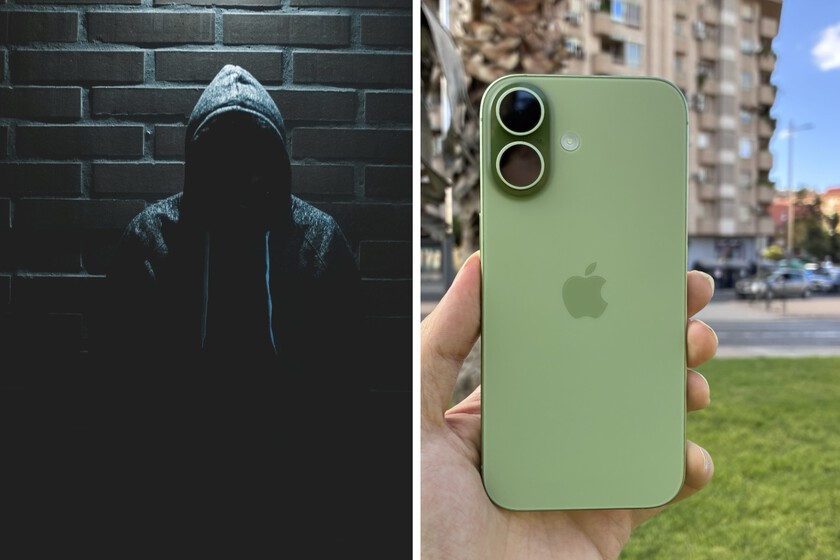
Android, for instance, has introduced its own "theft detection lock," leveraging Google Play Protect and other services to add an additional security layer. These systems often aim to detect suspicious activity and automatically lock the device, employing a combination of location awareness, network activity monitoring, and behavioral analysis to determine if a device has been stolen. Such measures highlight a broader industry trend toward proactive, context-aware security.
Apple, known for its rigorous emphasis on privacy and security, has likewise implemented a comprehensive suite of protective features for its iPhones, often setting industry benchmarks. The "Find My" application is perhaps the most widely recognized, allowing users to locate, remotely lock, or erase their devices from another Apple product or web browser. This service has proven invaluable in countless recovery efforts and has even aided law enforcement in dismantling organized theft rings. A notable instance involved police utilizing ‘Find My’ to track a stolen iPhone, ultimately leading to the discovery of a criminal network responsible for over 40,000 thefts, underscoring the real-world impact of these technologies.
Furthermore, Apple’s "Activation Lock," introduced with iOS 7, ties an iPhone to its owner’s Apple ID, rendering a stolen device virtually useless to anyone else, even after a factory reset. This significantly diminishes the resale value of stolen iPhones, acting as a powerful deterrent to thieves who might otherwise target devices for parts or black market resale. More recently, Apple introduced "Stolen Device Protection" with iOS 17.3, which adds an extra layer of security by requiring Face ID or Touch ID for critical actions (like changing Apple ID password or viewing saved passwords) when the device is in an unfamiliar location and away from designated "significant locations" like home or work. This feature also introduces a security delay for certain actions, further hindering unauthorized access to sensitive account information. The new anti-snatching feature represents a logical and necessary progression in this ongoing security arms race, specifically targeting the immediate moments following a physical theft when the device might still be unlocked and vulnerable.
Technical Underpinnings of the New Anti-Snatching Feature
The internal code snippets discovered by 9to5Mac offer a glimpse into Apple’s engineering approach for this advanced security measure. The system would primarily rely on the iPhone’s sophisticated array of motion sensors. The accelerometer, which measures linear acceleration, and the gyroscope, which measures angular velocity, are crucial components. By continuously monitoring the device’s movement and orientation, the system could identify sudden, sharp jerks, rapid changes in velocity, or specific trajectories that are highly indicative of a device being pulled or snatched from a user’s hand. This real-time data analysis is foundational to the feature’s ability to react instantaneously.
Beyond mere raw motion detection, the intelligence of this feature would likely stem from its ability to contextualize these movements through machine learning. For instance, a sudden drop might trigger an alert, but if it’s followed by immediate re-stabilization in the user’s pocket or hand, the system could be trained to dismiss it as an accidental fumble. Conversely, a sharp, upward pull followed by rapid horizontal movement away from the original location and user would strongly signal a theft event. This level of contextual awareness typically requires sophisticated machine learning models trained on vast datasets encompassing both normal user interactions and simulated theft scenarios, allowing the device to distinguish between legitimate handling and malicious intent.

Further enhancing its accuracy and reducing false positives, the system is expected to integrate data from other onboard sensors and linked devices. Proximity to a linked Apple Watch is a key indicator mentioned in the analysis. If an iPhone is snatched and rapidly moves away from its paired Apple Watch, this discrepancy could serve as a strong confirmation signal for a theft. The Apple Watch, often remaining on the user’s wrist, provides a reliable stationary point of reference. Similarly, the system would likely factor in the device’s current location relative to "known significant locations" such as the user’s home, workplace, or other frequently visited places. If a snatch event occurs in an unfamiliar area, away from these trusted locations, it further strengthens the likelihood of a genuine theft, prompting an immediate lock. This multi-factor authentication of a theft event would be crucial in minimizing false positives, ensuring that the feature is effective without becoming an annoyance for users in everyday scenarios.
Once a theft is confirmed by this algorithmic assessment, the iPhone would automatically initiate a full device lock, rendering it inaccessible without the owner’s passcode or biometric authentication (Face ID/Touch ID). This immediate response is critical because, in many snatch-and-grab incidents, the phone is still unlocked, giving thieves direct access to its contents for a brief, but critical, period before the owner can remotely activate ‘Find My’ or Stolen Device Protection. The speed of this autonomous locking mechanism significantly reduces the window of vulnerability.
Profound Implications and Potential Societal Impact
The introduction of such an anti-snatching feature could have profound implications across several fronts, extending beyond individual device security to influence crime statistics and consumer behavior:
- Enhanced User Security and Peace of Mind: For users, this feature offers an unparalleled level of immediate, passive protection. Knowing that their device can autonomously lock itself upon theft provides significant peace of mind, particularly in crowded or high-risk environments. It mitigates the risk of immediate data exposure, buying crucial time for the owner to report the theft and take further remote actions, such as contacting their bank or freezing accounts.
- Deterrent to Thieves: A phone that locks itself instantly upon being stolen becomes significantly less valuable to a thief. The primary motivation for many smartphone thefts is the quick resale of the device or exploitation of its stored data. If a device is rendered unusable immediately, the incentive for theft diminishes. This could potentially lead to a reduction in the incidence of snatch-and-grab crimes, especially those targeting unlocked phones, by making them a less profitable endeavor for criminals.
- Protection of Sensitive Data: The most critical benefit is the instantaneous safeguarding of personal and financial data. With banking apps, payment systems, and personal communications often accessible from an unlocked phone, an immediate lock can prevent irreversible damage from identity theft or financial fraud, which can have long-lasting consequences for victims.
- Complement to Existing Security: This new feature is not designed to replace existing security measures like ‘Find My’ or Activation Lock but rather to augment them, creating a more comprehensive security ecosystem. It specifically addresses the vulnerability window when a device is actively in use and unlocked, a gap that previous solutions couldn’t fully close.
While the benefits are clear, Apple will undoubtedly face the challenge of fine-tuning the system to minimize false positives. Accidental drops, sudden movements during sports, or quick gestures during daily activities should not trigger a lock. This requires exceptionally sophisticated algorithms and continuous learning to accurately differentiate between legitimate theft attempts and benign user actions. Apple’s extensive data on user interaction and its robust testing protocols will be crucial in achieving this balance.
Industry Reactions and Apple’s Strategic Positioning

While Apple has not officially commented on the specifics of this unreleased feature, its development aligns perfectly with the company’s long-standing commitment to enhancing user security and privacy. Historically, Apple has been a leader in implementing robust security protocols, often setting industry benchmarks that others follow. When new security features are introduced, they are typically framed as part of Apple’s broader mission to protect user data and provide a secure digital environment, reinforcing their brand identity.
Technology analysts are likely to view this as a strategic move to maintain Apple’s competitive edge in the premium smartphone market, where security is a key differentiator for consumers. "This is Apple doing what Apple does best – integrating hardware and software seamlessly to solve a real-world problem for its users," noted one hypothetical industry observer. "It addresses a specific, violent form of theft that current remote locking solutions can’t immediately counter. Other manufacturers will undoubtedly be watching closely and may feel pressured to develop similar capabilities to remain competitive in the high-end segment." Consumer advocacy groups, long concerned about the rise of smartphone theft and its impact on public safety, would also likely welcome such a proactive measure, praising Apple for prioritizing user safety and taking a tangible step against street crime. This innovation could spur a new wave of anti-theft technologies across the entire smartphone industry.
Anticipated Release Timeline and Broader Outlook
The discovery of this feature within the iOS code strongly suggests that its official unveiling is imminent. The tech community is now speculating about its debut at Apple’s annual Worldwide Developers Conference (WWDC26), which is scheduled for June 8. WWDC is Apple’s premier event for showcasing upcoming software updates, including the next major iteration of its mobile operating system, iOS 27. Given the significance of this anti-theft capability, it would be a fitting announcement for such a high-profile event, potentially serving as a cornerstone security feature for the new OS.
If the feature is indeed part of iOS 27, it would follow Apple’s typical release cycle: a public announcement and developer beta release at WWDC in June, followed by several months of intensive beta testing and refinement throughout the summer. This period would be critical for gathering real-world data and fine-tuning the algorithms to ensure optimal performance and minimize false positives. The culmination would be a general public release alongside the new iPhone models in the fall, making the feature widely available to millions of users. The anticipation surrounding iOS 27 is already high, with expectations of significant advancements in artificial intelligence and other core functionalities, and this anti-snatching capability would undoubtedly be a headline feature, demonstrating Apple’s continued commitment to user protection in a rapidly evolving technological landscape.
This proactive approach to security underscores the evolving landscape of digital protection, where devices are increasingly becoming intelligent guardians of our personal information, capable of reacting autonomously to threats in real-time. As smartphones become even more integral to daily life, holding keys to our finances, communications, and identities, such innovative security measures will be crucial in fostering user trust and safeguarding against the persistent and ever-evolving threat of theft and data exploitation.
