
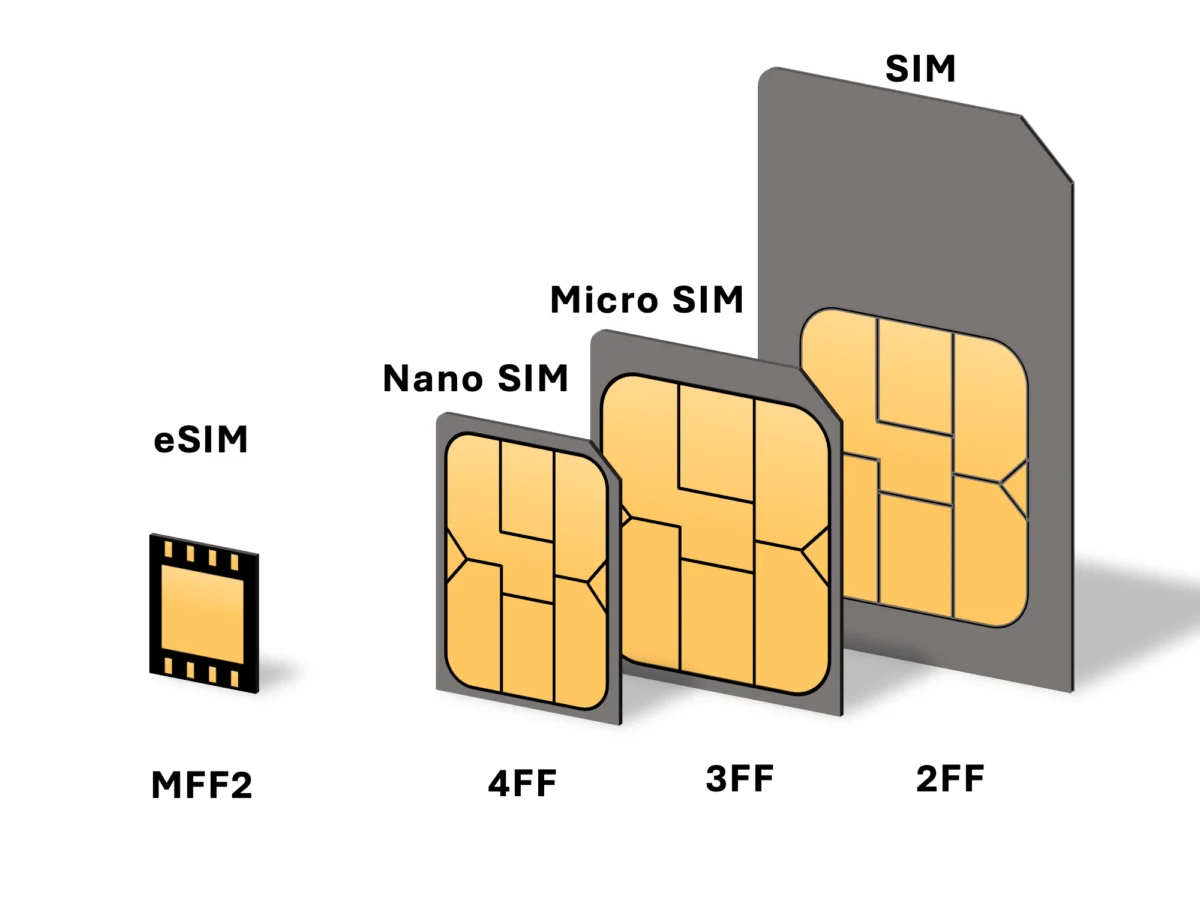

South Korea has long established itself as a global leader in telecommunications infrastructure, consistently ranking at the top of global indices for internet speed and mobile connectivity. As the nation continues to push the boundaries of digital integration, the transition from traditional physical SIM cards to embedded SIM (eSIM) technology has become a focal point for both the domestic market and the millions of international visitors who arrive annually. This digital evolution represents a significant shift in how mobile subscribers access networks, offering a streamlined, software-based approach to connectivity that eliminates the logistical hurdles of physical hardware.
The emergence of eSIM technology in the Korean peninsula is not merely a convenience but a strategic response to the increasing demand for flexible, multi-profile mobile management. For tourists, it means the end of searching for airport kiosks or handling fragile plastic chips; for long-term residents, it offers a simplified way to manage local and international lines simultaneously. Understanding the landscape of eSIM providers in Korea requires an analysis of the "Big Three" telecommunications giants—SK Telecom, KT, and LG U+—alongside specialized providers like Korea SIM Card, all of whom have tailored their offerings to meet the rigorous demands of a hyper-connected society.
The Evolution of Mobile Connectivity in South Korea
To understand the current state of the eSIM market in Korea, one must look at the chronology of the nation’s telecommunications development. For decades, South Korea relied on the traditional Subscriber Identity Module (SIM) card. However, the global push toward eSIM technology, led by major manufacturers like Apple and Samsung, eventually reached a tipping point in the Korean market.
In late 2021 and early 2022, the South Korean Ministry of Science and ICT (MSIT) spearheaded a regulatory movement to mandate eSIM support among the country’s major carriers. This move was designed to increase consumer choice and lower the barriers for switching providers. While eSIM technology was technically available earlier, it was largely restricted to smartwatches. The official rollout for smartphones occurred in September 2022, marking a new era for the Korean mobile industry. This transition was met with enthusiasm from tech-savvy consumers but required significant infrastructure updates from providers to ensure secure remote provisioning.
Comparative Analysis of Top eSIM Providers
The Korean market is dominated by three primary Mobile Network Operators (MNOs), complemented by various Mobile Virtual Network Operators (MVNOs). Each offers distinct advantages depending on the user’s duration of stay and data requirements.
1. SK Telecom (SKT)
As the largest telecommunications operator in South Korea, SK Telecom holds approximately 47% of the market share. Their eSIM services are characterized by the most extensive network coverage in the country, reaching remote mountainous areas and underground subway systems with high-speed LTE and 5G signals.
- Tourist Offerings: SKT provides a specialized tourist eSIM plan priced at approximately $35 for 1GB of high-speed data with a 30-day validity. While the price point is higher than some competitors, users benefit from the most stable connection available in the country.
- Resident Offerings: For those with an Alien Registration Card (ARC), SKT offers robust monthly plans starting at $29. These plans often include 2GB of data, unlimited domestic calls, and a suite of "T-Membership" benefits that provide discounts at bakeries, cinemas, and convenience stores.
2. KT Olleh
KT (formerly Korea Telecom) is the second-largest provider and is often the preferred choice for international visitors due to its aggressive marketing toward tourists and its massive network of public Wi-Fi hotspots.
- Tourist Offerings: KT’s tourist eSIM is priced at $36.50 for 1GB over 30 days. A significant value-add for KT users is the "KT WiFi" service, which allows eSIM subscribers to connect to thousands of secure hotspots across the country, effectively extending their data limits.
- Resident Offerings: Long-term residents can access plans starting at $30 per month. KT is noted for its excellent English-language customer support, making it a favorite for expatriates who may not yet be fluent in Korean.
3. LG U+
LG U+, owned by the LG Corporation, has historically been the underdog of the "Big Three," which has led them to offer highly competitive and innovative data packages to gain market share.
- Tourist Offerings: Their tourist plan is priced at $39 for 1GB for 30 days. While slightly more expensive, LG U+ often bundles their eSIMs with additional perks, such as discounted T-Money cards (the national transportation card) or vouchers for local attractions.
- Resident Offerings: Their long-term plans start at $35 per month. LG U+ is praised for its high-speed 5G integration and consistent performance in urban environments like Seoul and Busan.
4. Korea SIM Card (Specialized Provider)
For many tourists, the complexity of dealing with major MNOs is bypassed by using Korea SIM Card, a specialized provider that focuses exclusively on the needs of travelers.
- Market Position: At $25 for 1GB with 30-day validity, Korea SIM Card offers the most budget-friendly entry point for eSIM technology in Korea. They provide a variety of configurations, including data-only and voice-plus-data options, catering to different travel styles.
Supporting Data and Market Trends
The adoption of eSIM in Korea is backed by compelling data. According to industry reports from the MSIT, the number of eSIM activations saw a 200% increase in the first six months following the official 2022 rollout. This surge is attributed to the high penetration of eSIM-compatible devices, such as the iPhone 14 and 15 series, and the Samsung Galaxy S23 and S24 series.
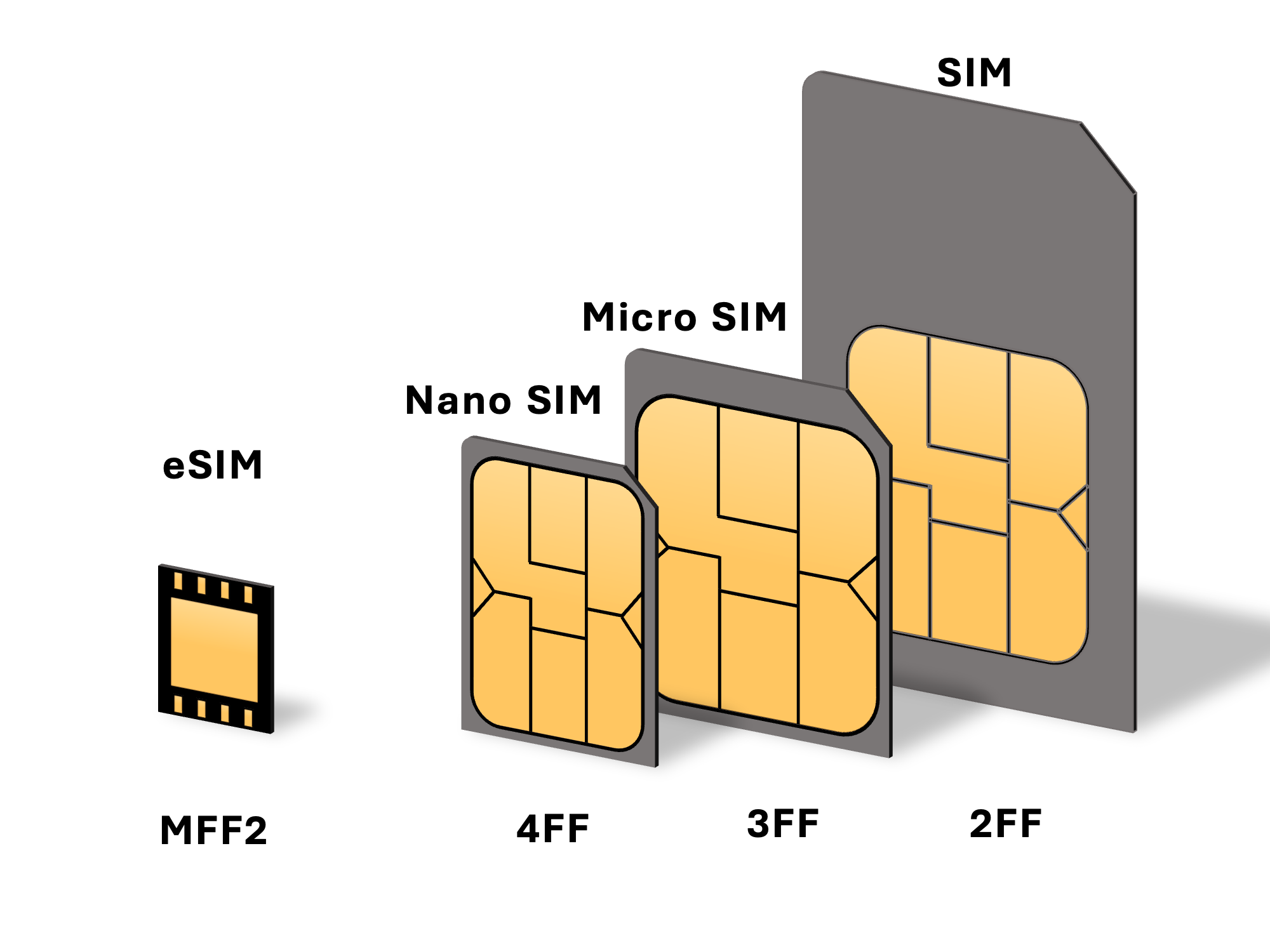
Furthermore, South Korea boasts a smartphone penetration rate of over 95%, the highest in the world. This demographic reality means that the transition to digital SIMs is smoother than in many other nations. Analysts suggest that by 2026, over 40% of all new mobile subscriptions in Korea will be via eSIM, as the environmental impact of plastic SIM cards becomes a more prominent concern for corporate social responsibility (CSR) initiatives among Korean firms.
Technical Procedures: Activation and Management
The primary appeal of the eSIM is the simplicity of its lifecycle, from purchase to activation. For a user arriving at Incheon International Airport, the process is designed to be frictionless.
Activation Chronology:
- Selection: The user selects a plan online via the provider’s website or a dedicated app.
- QR Code Delivery: Upon payment, a unique QR code is sent via email. This code contains the SM-DP+ (Subscription Manager Data Preparation) address and the activation code.
- Installation: Within the device settings (Cellular/Mobile Data), the user selects "Add eSIM" and scans the provided QR code.
- Provisioning: The device communicates with the provider’s server to download the profile. This requires an active Wi-Fi connection, which is readily available for free at all major Korean airports.
- Finalization: Once the profile is downloaded, the user can designate the Korean eSIM as the primary or secondary line.
Top-Up Procedures:
For those who exhaust their data allowance, providers have integrated top-up functions into their digital portals. Users log in with their eSIM number, select the desired data increment, and pay via international credit cards or local payment systems like KakaoPay. This eliminates the need to visit a physical store, a significant advantage for those traveling in rural provinces like Gangwon-do or Jeju Island.
Official Responses and Regulatory Environment
The South Korean government has been vocal about its support for eSIM technology as a means of fostering competition. The Korea Communications Commission (KCC) has issued statements emphasizing that eSIMs facilitate "contactless" services, which became a priority during the global pandemic and has remained a standard for efficiency thereafter.
Official spokespeople from SK Telecom have noted that the move to eSIM is part of a broader "Digital Transformation" (DX) strategy. By reducing the reliance on physical retail locations for SIM distribution, carriers can reallocate resources toward 5G-Advanced and 6G research and development. Meanwhile, consumer advocacy groups in Korea have largely welcomed the change, though they continue to lobby for lower "activation fees"—a nominal charge (typically around 2,750 KRW) that carriers apply for the digital provisioning of the eSIM.
Broader Implications and Future Outlook
The shift to eSIM in South Korea has implications that extend beyond simple convenience. From an environmental perspective, the reduction in plastic waste and the carbon footprint associated with manufacturing and shipping millions of physical SIM cards is substantial. Industry experts estimate that a full transition to eSIM could save thousands of tons of plastic globally, with Korea leading the way in East Asia.
Economically, the eSIM landscape is driving a surge in the MVNO market. Smaller providers can now compete more effectively because they do not need the physical logistics of a traditional carrier. This is leading to a more fragmented but competitive market, which ultimately benefits the consumer through lower prices and more diverse plan options.
Looking forward, the integration of eSIM is expected to play a critical role in the Internet of Things (IoT) ecosystem. As South Korea develops its "Smart City" initiatives in locations like Songdo, the ability for devices—ranging from autonomous vehicles to street sensors—to be remotely provisioned with cellular connectivity via eSIM will be fundamental.
Conclusion
For anyone planning to visit or reside in South Korea, the eSIM represents the pinnacle of modern mobile convenience. Whether choosing the unparalleled coverage of SK Telecom, the tourist-friendly features of KT Olleh, the innovative packages of LG U+, or the cost-effective solutions of Korea SIM Card, users are stepping into an ecosystem designed for high performance. As the nation continues to refine its digital infrastructure, the eSIM will remain a cornerstone of the Korean mobile experience, reflecting the country’s broader commitment to technological excellence and user-centric design. Selecting the right provider requires a balance of budget, data needs, and the specific requirements of one’s residency status, but the underlying technology ensures that staying connected in the "Land of the Morning Calm" is easier than ever before.
