
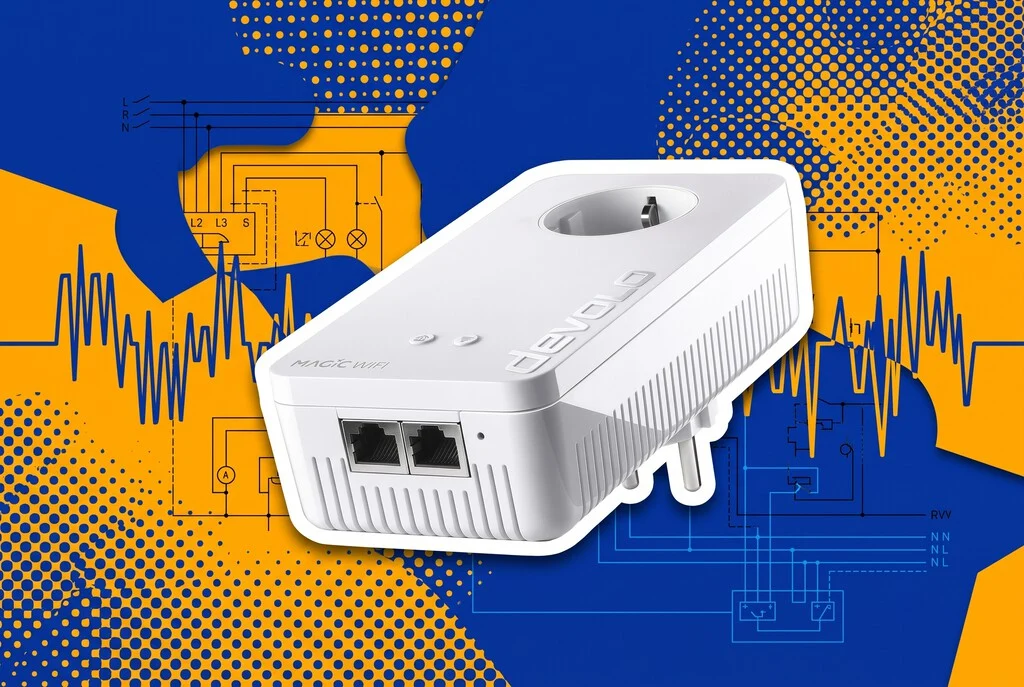

The landscape of home connectivity has undergone a seismic shift over the last decade, transitioning from basic ADSL copper connections to high-speed fiber optic infrastructures that demand robust internal distribution. For years, Powerline Communication (PLC) adapters served as the primary bridge for connectivity in dwellings where Wi-Fi signals faltered due to architectural obstacles. However, the rise of sophisticated Wi-Fi Mesh systems and the integration of Ethernet wiring in modern building codes have significantly challenged the dominance of PLC technology. Despite these advancements, PLC adapters retain a distinct role in specific residential scenarios, particularly in heritage buildings or homes with dense construction materials that act as signal insulators for wireless networks.
The Evolution of Residential Connectivity
To understand the current standing of PLC technology, one must examine its historical trajectory. The technology gained early notoriety in the early 2000s, particularly in Europe, where utility companies envisioned transforming their electrical grid infrastructure into a broadband delivery medium. In Spain, major energy providers like Iberdrola and Endesa conducted large-scale pilot programs to deliver high-speed data through existing power lines.
The ambition was to bypass the need for traditional ISP infrastructure by leveraging the ubiquitous nature of the electrical grid. However, the technological limitations of the era proved insurmountable. Signals were severely degraded by electrical noise, and the requirement for repeaters every 150 meters made the deployment cost-prohibitive. Furthermore, the shared bandwidth architecture meant that hundreds of households were competing for a theoretical maximum speed of just 45 Mbps. As ADSL and later fiber-to-the-home (FTTH) services matured, the utility-led PLC initiatives were abandoned, relegating the technology to niche industrial applications like smart metering and local area network (LAN) extensions.
Technical Mechanics: PLC vs. Wireless Mesh
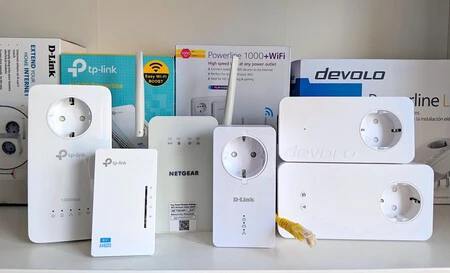
While Wi-Fi repeaters and mesh systems operate by capturing and retransmitting electromagnetic waves, PLC technology utilizes the electrical circuit as a physical transport medium. A primary PLC adapter is connected to the router via Ethernet, where it modulates digital data into high-frequency signals injected into the home’s copper wiring. A secondary adapter, placed in a different room, demodulates these signals back into a usable network stream.
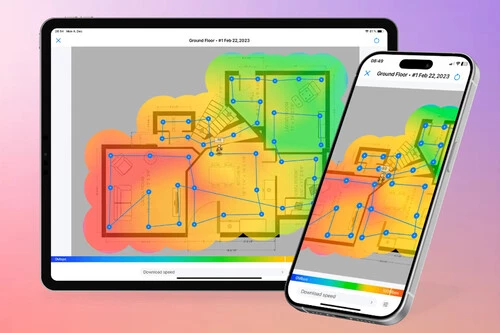
The fundamental advantage of this architecture is its immunity to physical obstacles. While a stone wall or a thick reinforced concrete floor can attenuate a 5GHz Wi-Fi signal to the point of total failure, the internal wiring of a house effectively acts as a shielded tunnel. However, this system is not without its own set of environmental dependencies. The efficiency of a PLC network is strictly dictated by the quality and topology of the home’s electrical circuitry. Data transmission is susceptible to interference from heavy-load appliances—such as refrigerators, washing machines, or HVAC systems—that introduce electromagnetic noise into the circuit. Furthermore, signal integrity often suffers when data must pass through multiple circuit breakers or different electrical phases, resulting in significant latency spikes and throughput degradation.

Comparative Analysis: When Should You Use PLC?
The debate between choosing a Mesh system or a PLC adapter is largely defined by the physical environment of the dwelling. Wi-Fi Mesh systems excel in homes with open floor plans, where multiple nodes can establish a seamless handoff (roaming) for mobile devices. They provide high flexibility and are easier to manage through modern smartphone applications. Yet, in scenarios where the distance from the router is too great or the internal structure too dense, a Mesh node may struggle to maintain a "clean" signal to amplify, leading to the "garbage in, garbage out" phenomenon where a weak signal is simply replicated rather than improved.
PLC remains the most viable solution in the following specific contexts:
- Basements and Attics: Areas completely shielded by structural steel or dense masonry.
- Older Buildings: Properties where retrofitting Ethernet cabling would require invasive construction or damage to historical plasterwork.
- Dedicated Wired Needs: Users who require consistent, low-latency connections for desktop workstations or gaming consoles, where the jitter inherent in wireless communication is unacceptable.
Critical Considerations Before Investment
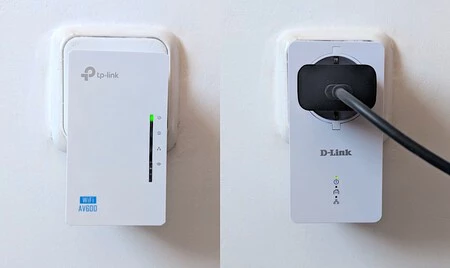
Before purchasing a PLC kit, consumers must evaluate the specific constraints of their electrical installation. Modern kits, such as those utilizing the G.hn standard, offer theoretical speeds reaching 2,400 Mbps. However, these figures are rarely achieved in real-world scenarios. Prospective buyers should prioritize models that feature "pass-through" sockets. Plugging a PLC adapter directly into a wall outlet is mandatory for performance; connecting them to a power strip often results in severe signal interference due to the filters present in most surge protectors.
Furthermore, compatibility remains a hurdle. While HomePlug AV2 remains a widespread standard, newer G.hn devices may not be backward-compatible with older hardware, necessitating a full replacement of an existing network setup. The presence of multiple ports on the receiver end is another factor for those looking to connect multiple wired devices, such as smart TVs and gaming consoles, simultaneously.
Market Overview and Recommendations
The current market for PLC adapters is dominated by a few key players who have refined the technology to coexist with modern standards like Wi-Fi 6.
- Premium Segment: The Devolo Magic 2 WiFi 6 Next represents the pinnacle of the current offering, utilizing the G.hn standard to provide high-speed connectivity and seamless integration with existing Mesh networks. With a price point exceeding 250 euros, it targets users who require high performance and future-proofing.
- Mid-Range Efficiency: The TP-Link PGW2440 Kit offers a balanced solution, incorporating Wi-Fi 6 support and EasyMesh compatibility at a significantly more accessible price point than its high-end competitors. It remains a preferred choice for residential users upgrading from older, slower standards.
- Specialized Integration: The AVM FRITZ!Powerline 1240 AX is particularly noted for its synergy with the FRITZ!OS ecosystem. It is an ideal purchase for users already invested in AVM hardware, providing a unified management interface that is often lacking in third-party, mix-and-match configurations.
- Budget and Entry-Level: For users whose primary goal is simple, stable, wired connectivity without the need for additional wireless broadcasting, the TP-Link TL-PA7017P Kit remains a reliable, cost-effective solution, provided the user acknowledges the limitation of a single-port setup.
The Broader Impact and Future Outlook
The transition toward fiber-optic dominance has forced manufacturers to pivot. We are no longer seeing the mass-market push for PLC as a general-purpose internet delivery tool. Instead, the industry has shifted toward "hybrid" solutions. Most modern high-end PLC adapters now function as dual-purpose devices: they act as a wired backhaul for the data transfer (via power lines) and then broadcast that data as a local Wi-Fi access point.
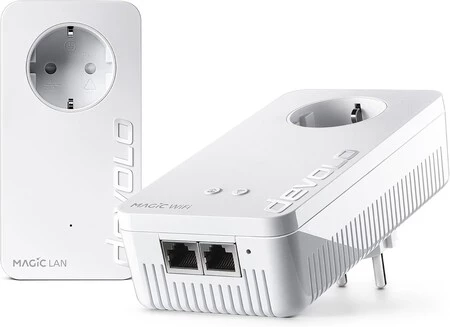
This hybrid approach effectively merges the reliability of physical cabling with the convenience of wireless mobility. As new construction continues to standardize Ethernet ports in every room, the necessity for PLC technology will likely continue to contract. However, as long as the global housing stock consists of older, non-retrofitted buildings, the PLC adapter will maintain its role as an essential utility for overcoming the limitations of physical geography and signal attenuation.
In summary, while the days of PLC being the default solution for home networking are long past, the technology has evolved from a simple bridge to a sophisticated component of the modern connected home. It serves as a necessary, albeit niche, solution for environments where traditional wireless strategies fail, providing a stable, high-bandwidth connection that remains largely unaffected by the radio frequency congestion that plagues modern urban environments. Consumers should approach the purchase with a clear understanding of their home’s electrical layout, prioritizing modern standards like G.hn to ensure they receive a return on investment that justifies the cost compared to contemporary, fully wireless alternatives.
