
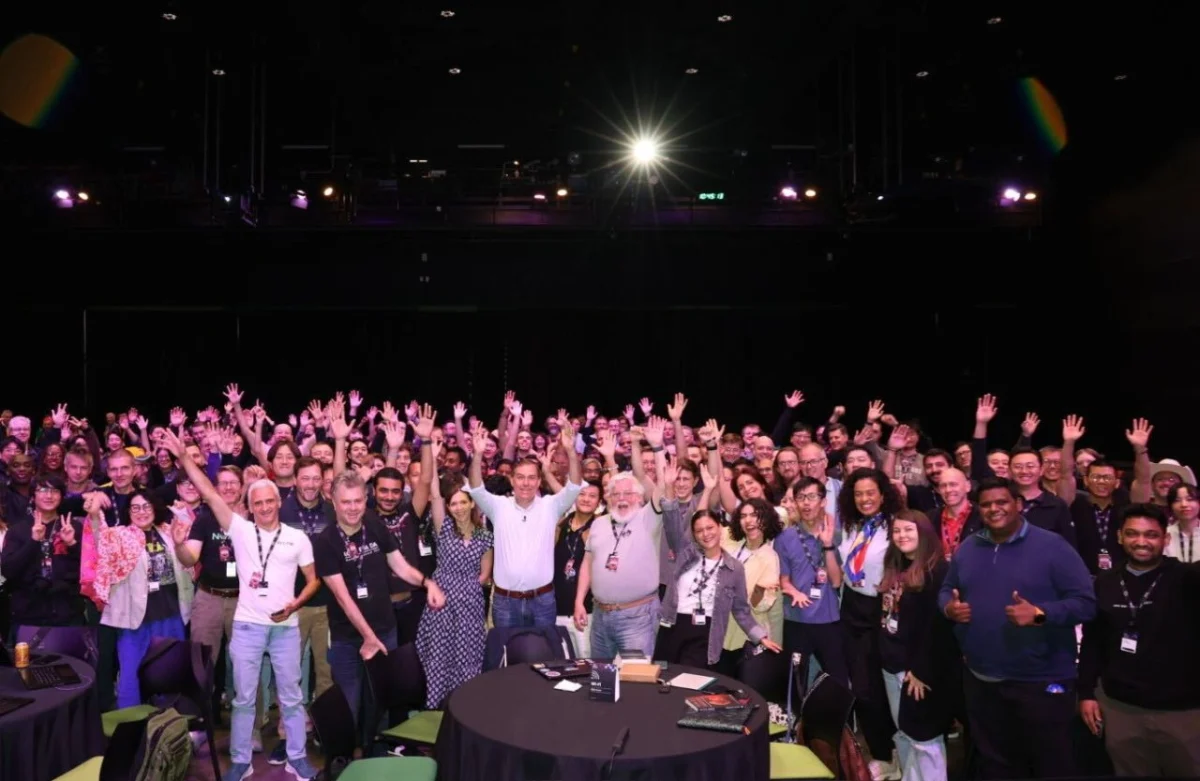

The annual AWS Heroes Summit brought together top-tier cloud computing specialists, software architects, and technology leaders from around the globe for an intensive multi-day collaborative exchange focused on the latest advancements in artificial intelligence, serverless computing, and containerized infrastructure. Hosted by Amazon Web Services, the exclusive, invite-only conference serves as a critical bridge between the company’s internal engineering divisions and the external evangelists who deploy and scale cloud solutions for enterprises worldwide. As cloud adoption reaches unprecedented levels across global markets—with enterprise cloud spending projected to exceed six hundred billion dollars globally—initiatives that streamline feedback loops between platform creators and advanced practitioners have become central to the product development lifecycle of major cloud providers.
Background and Evolution of the AWS Heroes Program
The AWS Heroes program was established to recognize and honor individuals who have demonstrated a profound commitment to the technical community by sharing their expertise, mentoring emerging developers, and actively contributing to open-source projects and community-led initiatives. Unlike broader advocacy programs, the Hero designation is reserved for a select cohort of global experts who maintain deep, practical knowledge across specialized technological domains. These include machine learning engineering, distributed systems, edge computing, serverless architectures, and advanced container orchestration platforms such as Kubernetes.
Over the past decade, the role of the cloud evangelist and community leader has evolved from simple advocacy to strategic technical consultation. Modern enterprises rely heavily on hybrid and multi-cloud strategies, demanding robust architectures that can handle massive data ingestion, real-time analytics, and secure, compliant operations. Consequently, the insights gathered from frontline practitioners during annual convenings like the AWS Heroes Summit directly influence feature prioritization, security enhancements, and infrastructural roadmaps for core cloud services. By gathering these industry leaders in a single venue, Amazon Web Services creates a high-bandwidth channel for critical evaluations, architectural stress-testing, and early access to proprietary tools under development.
Chronology and Key Highlights of the 2026 Summit
The multi-day summit followed a structured agenda designed to balance strategic leadership insights with rigorous, hands-on technical collaboration. Day one commenced with an inaugural keynote and fireside chat featuring AWS CEO Matt Garman. During his address, Garman outlined the company’s strategic trajectory, emphasizing the accelerating integration of generative artificial intelligence across foundational infrastructure and the imperative of maintaining high security standards and operational resilience as distributed systems grow exponentially in scale and complexity.
The subsequent days transitioned into specialized technical sessions, intensive breakout workshops, and direct feedback loops with internal product and service engineering teams. A standout component of the second day was an extensive Ask Me Anything session with James Hamilton, Vice President and Distinguished Engineer at Amazon Web Services. Hamilton’s deep expertise in hyperscale data center design, network optimization, and resilient distributed systems provided attendees with a macro-level perspective on the physical and logical constraints of operating global cloud infrastructure at scale.
Parallel breakout sessions facilitated deep dives into niche operational challenges. Product teams presented early-stage architectural proposals regarding serverless cold-start mitigation, cost-allocation governance for large-scale container clusters, and advanced machine learning model training pipelines. Heroes engaged in peer-to-peer knowledge sharing, comparing disparate deployment strategies utilized across heavily regulated industries such as healthcare, finance, and telecommunications. Social media channels, particularly professional networking platforms, reflected vibrant engagement under dedicated event hashtags, where attendees underscored the tangible value of translating theoretical cloud design principles into enterprise-grade production environments.
Technical Implications: AI, Serverless, and Containerization
The discussions at the 2026 summit underscored three dominant pillars currently driving enterprise cloud adoption: artificial intelligence integration, serverless operational models, and advanced container orchestration. Industry analysts note that enterprise spending on generative AI infrastructure has expanded at a compound annual growth rate exceeding forty percent over the past three years. Organizations are no longer merely experimenting with large language models; they are embedding machine learning inferences directly into core operational workflows, requiring underlying cloud services to deliver ultra-low latency and deterministic performance.
Serverless computing continues to displace traditional infrastructure management paradigms by abstracting server provisioning and operating system maintenance away from application developers. At the summit, product teams and Heroes evaluated methods to enhance serverless execution speed, optimize memory allocation algorithms, and expand native integration options with managed database and messaging services. Similarly, containerization remains the foundational standard for deploying microservices architectures. As organizations scale container deployments across heterogeneous environments—ranging from on-premises data centers to edge devices and multi-region cloud regions—the demand for unified observability, automated security scanning, and seamless traffic routing has intensified.

Ecosystem Impact and Developer Engagement
Beyond the core engineering discussions, the summit reinforced the broader strategy of community-led technical enablement. Amazon Web Services maintains an extensive ecosystem of developer-focused touchpoints, including regional AWS Summits, localized AWS Community Days, and specialized startup acceleration events. The AWS Builder Center serves as a continuous digital hub where practitioners can access technical documentation, reference architectures, and peer-to-peer troubleshooting forums.
Industry observers note that cultivating an active, knowledgeable developer base is a vital competitive advantage in the cloud computing sector. As enterprises navigate a complex landscape of proprietary and open-source tooling, trusted advisors within the Hero community provide unbiased evaluations and practical implementation blueprints. This grassroots validation accelerates enterprise migration timelines and minimizes architectural missteps, ultimately driving long-term platform retention and consumption growth.
Looking Ahead
As the 2026 AWS Heroes Summit concludes, the focus shifts toward the practical implementation of the feedback and collaborative insights generated during the event. Internal product teams face the task of integrating practitioner recommendations into upcoming service releases, while AWS Heroes return to their respective regions to disseminate architectural best practices within their local technical communities. With the rapid pace of technological innovation—particularly in autonomous systems, decentralized cloud deployment, and advanced neural network processing—ongoing dialogue between platform providers and front-line practitioners remains an essential component of modern enterprise software engineering. Additional announcements and product roadmaps stemming from these collaborative sessions are anticipated to be rolled out progressively through the remainder of the year on official platform communication channels.
