
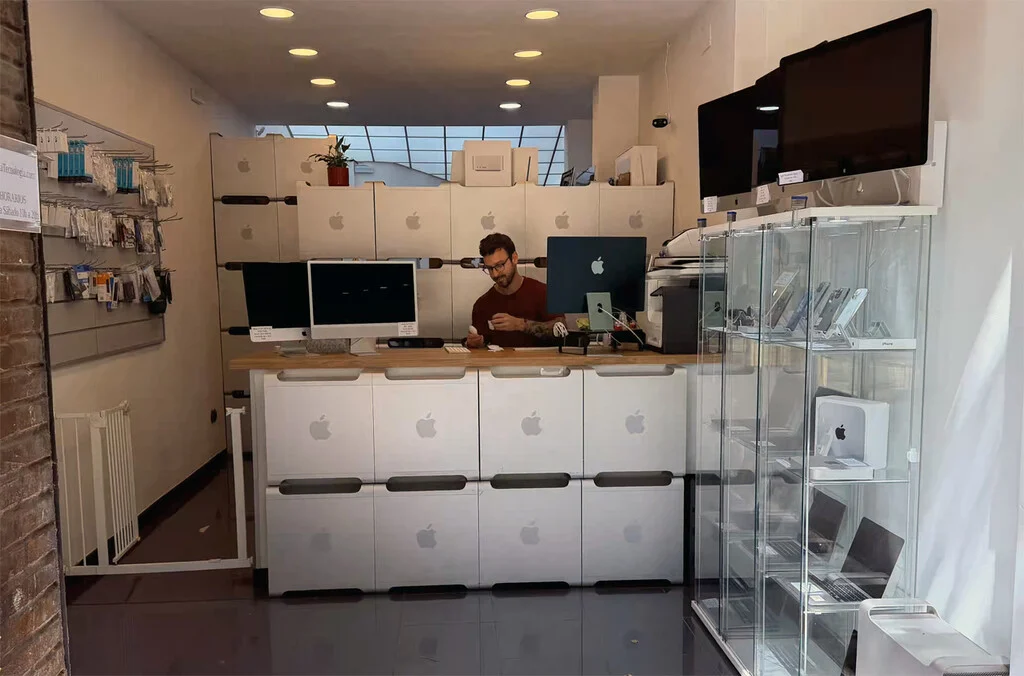

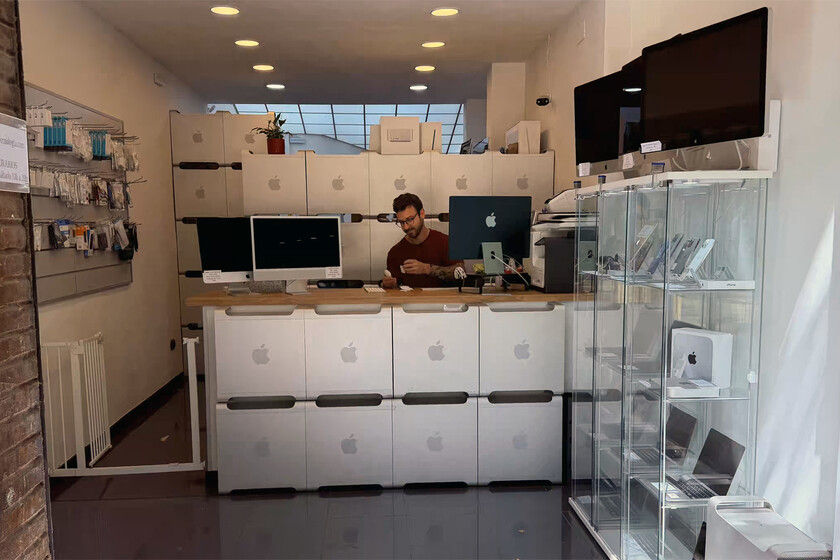
In a modest workshop nestled in Barcelona’s vibrant Sant Antoni neighborhood, Juan Martín Castro (Martín) and Néstor Javier Bustos (Javi) have carved out a unique niche, breathing new life into Apple devices – iPhones and Macs – that the manufacturer has declared "obsolete." These are the very devices for which major chains and even Apple’s official service centers no longer offer spare parts or technical support, often condemning them to premature retirement. ReciclaTecnologia, as this family-run workshop is known, stands as a testament to the enduring value of repair, sustainability, and dedicated craftsmanship in an increasingly disposable tech landscape. Their exceptional service is underscored by an impressive track record: over 800 Google reviews boasting an average rating of 4.9 stars. Their specialty lies in the devices that arrive with a grim prognosis from other repair outlets – "this cannot be fixed" – only to emerge from their hands fully functional, much to the delight of their owners.
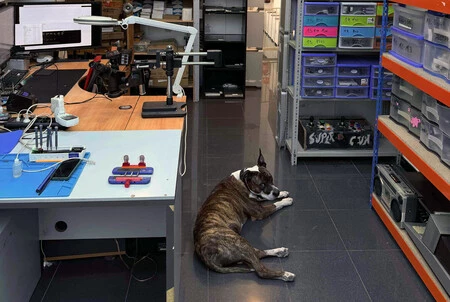
The philosophy espoused by ReciclaTecnologia is one of local, independent repair offered at a reasonable price, directly challenging the prevailing culture of planned obsolescence. In their workshop, Javi and Martín meticulously restore Macs, iPhones, and other Apple gadgets that the official technical service has "given up for dead." Their meticulous work is often observed by Piña, the workshop’s canine supervisor, who adds a touch of warmth to the highly technical environment.
The Genesis of a Repair Ethos: From Argentina to Sant Antoni
The story of ReciclaTecnologia is deeply intertwined with the personal journey of Néstor Javier Bustos. His passion for electronics and repair ignited many years ago in Argentina, where as a child, Javi found entertainment and a nascent business in soldering joysticks and copying cassette tapes in exchange for free games. This early exposure to the inner workings of technology laid the foundation for his future career.
Later, Javi relocated to Spain, where he initially worked as a technician for Telefónica in Maresme. However, medical issues led to him being declared permanently and totally incapacitated for his role. This unexpected turn of events prompted a pivot back to his roots in repair. He found employment at a video game console repair shop, where he began to hone his skills on Macs and the early generations of iPhones. Dissatisfied with the prevailing treatment of equipment, employees, and customers within that environment, Javi decided to forge his own path. In 2011, he resigned and commenced working independently from an apartment in the Eixample district of Barcelona.
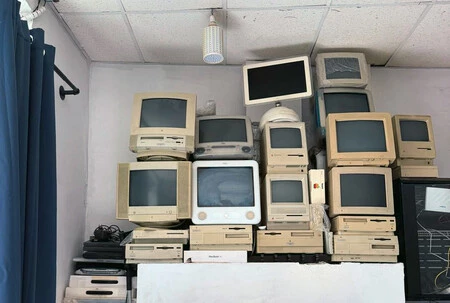
"Our oldest clients still remember it," Javi recounts, recalling how he had to sell his motorcycle to acquire the necessary soldering machinery. What started as an apartment quickly transformed into a bustling workshop and office, "crammed with Macs up to the ceiling." This period marked Javi’s dedication and ingenuity, as he built his reputation one intricate repair at a time. Just prior to the global pandemic, Javi met Juan Martín Castro, who would become his current business partner. Together, they transitioned Javi’s burgeoning independent operation to its current location in Sant Antoni, officially establishing ReciclaTecnologia.
Since its inception, ReciclaTecnologia has repaired hundreds of devices, primarily serving individuals who have been told by Apple’s official channels to simply "buy a new computer or phone because theirs is old and can no longer be repaired." This stark contrast in service offerings is a cornerstone of their appeal. ReciclaTecnologia provides a free diagnosis for all devices and backs their repairs with an impressive three-year warranty, significantly surpassing Apple’s standard six-month guarantee. This commitment to quality and customer satisfaction is a major factor behind their consistently positive Google reviews.
Challenging Planned Obsolescence: A Business Model Built on Revival
ReciclaTecnologia’s success highlights a growing global tension between manufacturers’ product lifecycles and consumer demand for longevity and sustainability. The concept of "planned obsolescence," where products are designed with an artificially limited useful life, has long been a point of contention. Major tech companies, including Apple, often face criticism for making repairs difficult, costly, or impossible for older models by restricting access to parts, tools, and diagnostic information, or by simply ceasing support.
The economic implications of this model are significant. For consumers, it often means being forced into costly upgrades when a device could otherwise be repaired. A 2022 study by the European Environmental Bureau estimated that extending the lifespan of smartphones and laptops by just one year could save consumers in the EU €12 billion annually. Furthermore, the global smartphone repair market was valued at over $30 billion in 2022 and is projected to grow substantially, indicating a robust demand for alternatives to replacement. ReciclaTecnologia directly addresses this consumer need, offering a vital service that saves money and reduces electronic waste.
The Broader Context: E-Waste and the Right to Repair Movement
The operations of ReciclaTecnologia resonate deeply with the principles of the burgeoning "Right to Repair" movement. This global advocacy effort champions the right of consumers and independent repair shops to fix their own electronic devices without undue restrictions from manufacturers. Proponents argue that restricting repair options contributes significantly to the escalating problem of electronic waste (e-waste) and undermines consumer ownership.
E-waste is a critical environmental concern. According to the United Nations, a record 53.6 million metric tons of e-waste was generated worldwide in 2019, with only 17.4% formally recycled. Europe, despite its recycling efforts, generates a substantial amount of e-waste per capita. In Spain, for example, the collection rate for e-waste, while improving, still falls short of ambitious EU targets. Independent repair shops like ReciclaTecnologia play a crucial role in mitigating this crisis by extending the life of devices, thereby reducing the demand for new products and conserving valuable resources.
Legislative efforts are gaining momentum globally. The European Union has been at the forefront, implementing new "Right to Repair" regulations that require manufacturers to make spare parts and repair information available for certain appliances. While these initially focused on white goods, there is increasing pressure to extend them to smartphones and other personal electronics. In the United States, several states have passed similar legislation, and federal initiatives are underway. These policy shifts aim to empower consumers and foster a more circular economy, where products are used for longer and materials are recycled more effectively.
Apple, initially a staunch opponent of the Right to Repair, has recently made some concessions, notably with its "Self Service Repair" program, launched in 2022. This program allows customers to purchase genuine Apple parts and tools to perform certain repairs themselves. However, the program has faced criticism for its complexity, cost, and the sheer volume of tools often required, making it impractical for the average consumer and still limiting for independent shops seeking broader access. In this context, the accessible, expert service offered by ReciclaTecnologia becomes even more valuable, filling a critical gap that official programs often leave.
A Day in the Life: Common Ailments and Remarkable Restorations
The daily routine at ReciclaTecnologia involves a diverse range of challenges. The most common issues they encounter, according to Javi and Martín, are battery problems and broken screens – routine wear and tear for any heavily used smartphone. However, during the summer months, they see a significant increase in devices suffering from liquid damage, a perennial risk exacerbated by beach trips and poolside relaxation.
Another frequent and particularly rewarding scenario involves phones that "no longer turn on." Often, clients initially approach the workshop solely with the hope of recovering their precious data – photos, contacts, documents – believing the device itself is beyond salvation. However, thanks to the expertise of Javi and Martín, many of these clients leave the workshop not only with their data retrieved but with their iPhone fully functioning, often "jumping with joy" at the unexpected revival of their beloved device.
The workshop’s capabilities extend to remarkably old technology. They continue to repair occasional iPhone 4 units and even undertake battery replacements for the venerable iPod Classic, a testament to their comprehensive skill set and commitment to extending product lifecycles regardless of age. When asked about the most challenging generations to repair, Javi points to the iPhone 8, iPhone SE 2020, and SE 2022 models, citing their intricate internal designs. Martín, conversely, finds models preceding the iPhone 6 to be more complex, likely due to the unique engineering of earlier generations and the scarcity of specialized tools or parts.
ReciclaTecnologia operates with a pragmatic approach to parts sourcing. While they frequently utilize high-quality compatible components, they also procure original Apple parts through authorized distributors. This allows them to offer clients the choice of original replacements for critical components such as screens, batteries, and cameras. Opting for original parts ensures that the iPhone continues to display "Genuine" status in its Settings menu and retains full functionality of features like True Tone display technology and accurate battery health reporting – details often compromised by unauthorized or generic repairs. This flexibility caters to different customer preferences and budgets, further enhancing their service offering.
Expert Advice: Extending Device Lifespan
Before concluding the conversation, Javi and Martín offer invaluable advice for anyone purchasing a new phone who wishes to maximize its lifespan. Their recommendations are straightforward and emphatic: invest in a thick silicone case that also provides protection for the camera lenses, apply tempered glass to the screen, and always use an official charger or, at the very least, a charger from a reputable and trusted brand.
These seemingly simple tips are rooted in years of experience observing common causes of device failure. A robust case offers crucial impact protection, safeguarding against accidental drops that can shatter screens, damage internal components, or bend chassis. Tempered glass provides an additional layer of defense against scratches and cracks to the display, which is often the most vulnerable part of a smartphone. Lastly, using official or certified chargers is paramount for battery health and safety. Substandard chargers can deliver inconsistent power, generate excessive heat, or even pose fire risks, significantly shortening a device’s battery life and overall operational longevity. Adhering to these preventative measures can dramatically reduce the likelihood of needing costly repairs and contribute to the overall durability of the device.
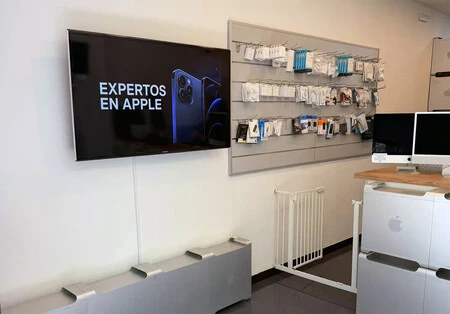
For those in Barcelona and its surrounding areas, ReciclaTecnologia’s doors are open Monday through Saturday, offering a beacon of hope for ailing Apple devices. Beyond their renowned repair services, the workshop also engages in the buying and selling of used Apple equipment, providing another avenue for consumers to access affordable technology or responsibly dispose of their old devices. This holistic approach reinforces their commitment to a circular economy, extending the utility of Apple products beyond their initial life cycle.
ReciclaTecnologia stands as a powerful example of how local, independent businesses can thrive by addressing critical consumer needs and societal challenges. In a world increasingly grappling with technological waste and the rapid turnover of consumer electronics, Javi and Martín’s workshop in Sant Antoni offers more than just repairs; it provides a vital service that champions sustainability, consumer choice, and the enduring value of skilled craftsmanship. Their success is a testament to the fact that "obsolete" is often a label, not a destiny, and that with expertise and dedication, many devices can indeed be given a second, productive life.
