

South Korea’s status as a global leader in information technology and telecommunications has reached a new milestone with the rapid integration of embedded SIM (eSIM) technology. As the world moves away from the logistical constraints of physical plastic SIM cards, South Korea has positioned itself at the forefront of this digital transition, offering seamless connectivity solutions for both the millions of international tourists who visit annually and the growing population of foreign residents. This transition was significantly accelerated following a 2022 mandate by the South Korean Ministry of Science and ICT, which required major domestic carriers to support eSIM functionality, thereby lowering the barrier for entry for users seeking flexible, dual-SIM capabilities.
The Technological Evolution of Connectivity in South Korea
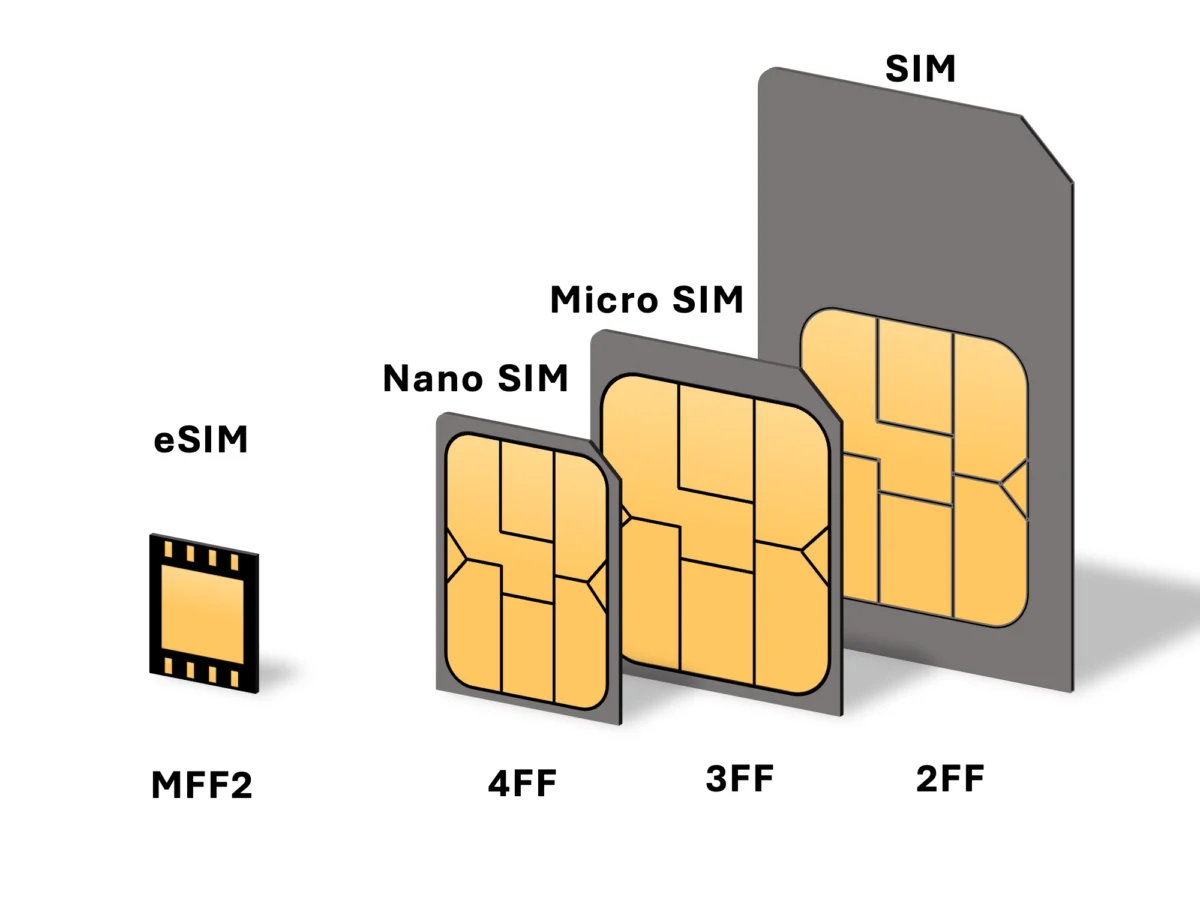
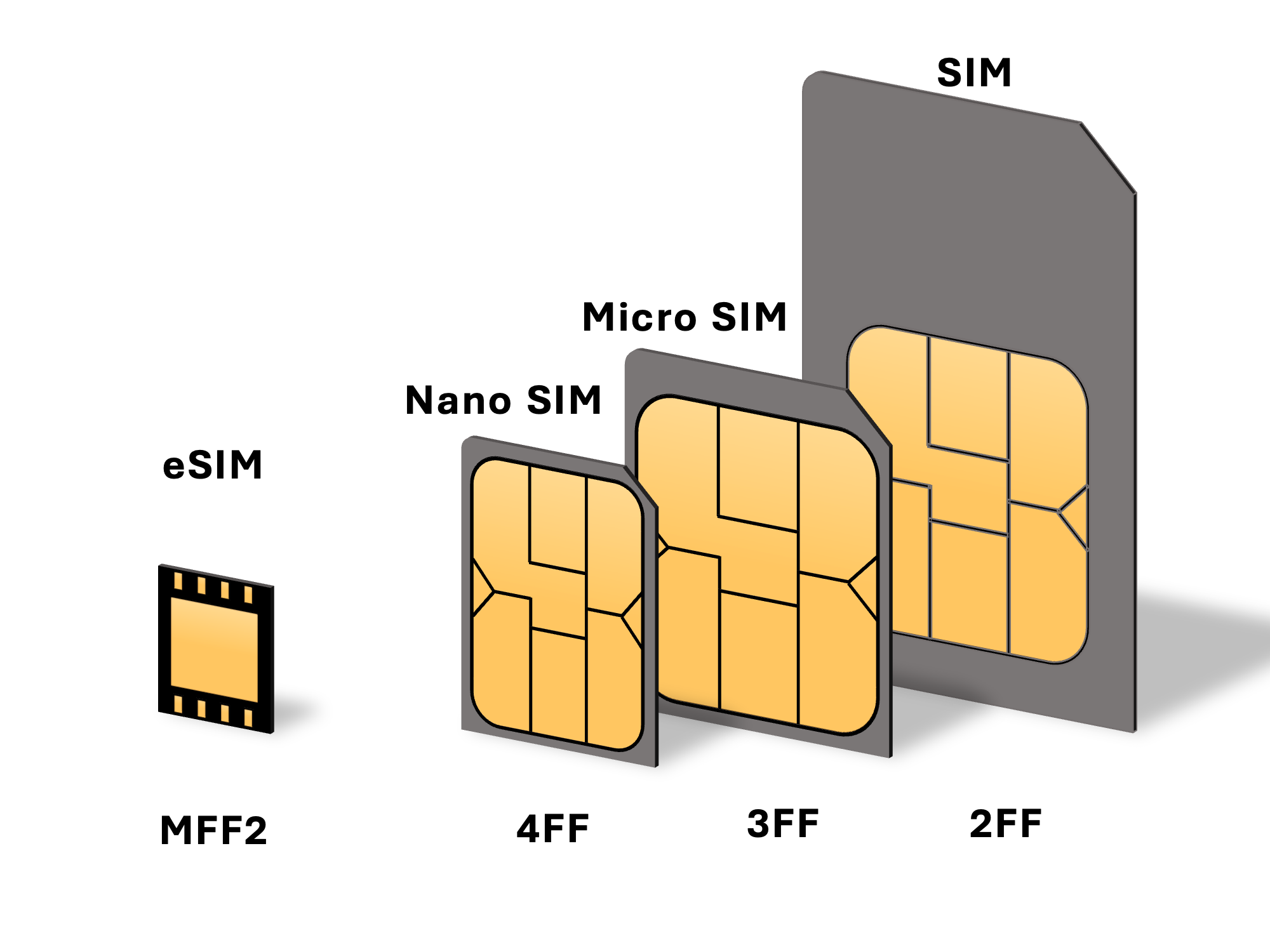
The concept of the eSIM, or embedded Universal Integrated Circuit Card (eUICC), represents a paradigm shift in how mobile devices connect to cellular networks. Unlike traditional SIM cards, which must be physically inserted and swapped, an eSIM is a small chip soldered directly onto a device’s motherboard during manufacturing. This technology allows users to download a carrier profile over the air (OTA), enabling immediate activation of voice and data plans.
In the context of South Korea, a country that consistently ranks in the top three globally for 5G penetration and internet speeds, the adoption of eSIM technology is more than a convenience; it is a vital component of the nation’s digital infrastructure. According to data from the Korea Communications Commission (KCC), the move toward eSIMs was designed to stimulate competition among the "Big Three" telecommunications providers—SK Telecom, KT, and LG Uplus—while also providing a boost to Mobile Virtual Network Operators (MVNOs).
Chronology of eSIM Implementation in South Korea
The journey toward widespread eSIM availability in South Korea followed a structured regulatory timeline:
- Pre-2020: While Apple and Samsung began integrating eSIM hardware into flagship devices globally, South Korean carriers remained hesitant, prioritizing the physical SIM market.
- December 2021: The Ministry of Science and ICT announced a formal roadmap for the introduction of eSIM services, citing the need for consumer convenience and the promotion of the "Internet of Things" (IoT) ecosystem.
- September 1, 2022: South Korea officially launched commercial eSIM services for smartphones. This date marked the first time that residents could register two different phone numbers on a single device using a combination of a physical SIM and an eSIM.
- 2023–Present: The market saw an explosion of tourist-specific eSIM products, designed to be purchased online and activated via QR code upon arrival at Incheon International Airport or even before departure.
Comparative Analysis of Major eSIM Providers
Choosing the right provider in South Korea depends heavily on the user’s status—whether they are a short-term visitor or a long-term resident. The following analysis breaks down the market leaders based on network reliability, pricing, and service offerings.
1. SK Telecom (SKT)
As the largest telecommunications operator in South Korea, SK Telecom commands nearly 50% of the market share. For eSIM users, SKT offers the most robust coverage, particularly in mountainous regions and rural areas.
- For Tourists: SKT provides specialized "Roaming eSIM" packages. A standard 30-day plan with a 1GB daily high-speed cap (followed by throttled unlimited data) is typically priced around $35.
- For Residents: SKT’s postpaid eSIM plans are integrated with their "T World" ecosystem, offering extensive membership discounts at bakeries, cinemas, and convenience stores.
2. KT (Korea Telecom)
KT is often the preferred choice for tech-savvy travelers due to its extensive network of "ollehWiFi" hotspots.
- The Wi-Fi Advantage: One of the primary benefits of a KT eSIM is the complimentary access to thousands of high-speed Wi-Fi hotspots across the country, including in subways and public buildings.
- Pricing: KT’s tourist eSIMs are competitively priced at approximately $36.50 for a 30-day duration. Their data-only plans are popular among those who rely on internet-based calling apps like KakaoTalk or WhatsApp.
3. LG Uplus (LG U+)
LG Uplus has historically been the most aggressive in terms of pricing and promotional offers to gain market share from SKT and KT.
- Network Quality: While LG Uplus was once considered the underdog, its 5G rollout has been highly praised for consistency in urban centers like Seoul and Busan.
- Resident Benefits: For long-term residents, LG Uplus offers some of the most flexible "Combined Plans," allowing users to bundle their mobile eSIM with home internet and IPTV services for significant monthly savings.
4. Korea SIM Card and MVNOs
For budget-conscious users, Korea SIM Card acts as a major distributor for various networks. These providers often offer the lowest entry price, with 1GB plans starting as low as $25. These are ideal for visitors who primarily stay within major cities where network differences are negligible.
Data and Performance Metrics
South Korea’s network performance provides a significant backdrop for eSIM utility. According to a 2023 report by OpenSignal, South Korean users experience average 5G download speeds exceeding 400 Mbps, which is significantly higher than the global average. This high-performance environment means that eSIM users can utilize data-heavy applications, such as high-definition video streaming and cloud gaming, without the latency issues common in other jurisdictions.
Furthermore, the "Self-Certification" (Bon-in-in-jeung) system in South Korea makes a local phone number essential. For residents, an eSIM tied to a legal identity is required to access everything from online banking to food delivery apps like Baedal Minjok.
Factors for Consideration: A Strategic Checklist
When selecting an eSIM provider, users must evaluate four critical pillars:
Network Coverage and Speed
While Seoul is blanketed in high-speed 5G, travelers heading to Jeju Island or the Gangwon province should prioritize SK Telecom or KT to ensure consistent connectivity.
Identity Verification (The ARC Factor)
For long-term residents, the most significant hurdle is the Alien Registration Card (ARC). Most "tourist" eSIMs do not allow for identity verification. Residents must ensure they sign up for a "Postpaid" or "Resident Prepaid" eSIM that links their phone number to their ARC to enable essential digital services.
Customer Support and Language Accessibility
Tourists should opt for providers like Korea SIM Card or KT, which offer dedicated English-language support lines and easy-to-navigate English websites. LG Uplus has also made strides in this area, offering multi-language interfaces for their activation portals.
Value-Added Services
Some eSIM plans include "T-Money" functionality (for transportation) or international calling minutes. Evaluating these add-ons can provide better overall value than looking at data allowances alone.
Technical Implementation: Activation and Troubleshooting
The activation of an eSIM in South Korea is designed to be a "contactless" experience. Once a plan is purchased, the provider sends a QR code via email.
General Activation Steps:
- Device Compatibility: Ensure the device is carrier-unlocked and supports eSIM (e.g., iPhone XS or newer, Samsung Galaxy S20 or newer).
- Scan and Download: Navigate to cellular settings and scan the provided QR code while connected to a Wi-Fi network.
- Profile Selection: Label the new eSIM (e.g., "Korea Travel") and set it as the primary data line.
Industry experts recommend downloading the eSIM profile before landing in South Korea to ensure immediate connectivity upon arrival, although airport Wi-Fi is readily available for those who wait.
Market Implications and Future Outlook
The shift toward eSIM technology is expected to have long-term implications for the South Korean telecom market. Analysts suggest that as physical SIM cards become obsolete, the "switching cost" for consumers will drop, leading to higher churn rates as users move between carriers to chase better deals. This is particularly true for the MVNO sector, which is expected to grow as they offer more flexible, contract-free eSIM options.
From an environmental perspective, the reduction in plastic waste from billions of physical SIM cards aligns with South Korea’s "Green New Deal" initiatives. The government continues to monitor the market to ensure that the transition remains consumer-friendly and that pricing remains transparent.
Conclusion
The adoption of eSIM technology in South Korea represents a significant leap forward in mobile convenience and digital integration. For the tourist, it offers the freedom to bypass airport kiosks and stay connected from the moment of arrival. For the long-term resident, it provides the flexibility of dual-SIM management, allowing for the separation of work and personal lines on a single device. As SK Telecom, KT, and LG Uplus continue to refine their digital offerings, South Korea remains a global case study in how to successfully implement next-generation telecommunications infrastructure for a diverse and mobile population. Whether prioritizing the rural coverage of SKT, the urban Wi-Fi hotspots of KT, or the competitive pricing of LG Uplus, users in Korea now have more power and choice than ever before in the palm of their hands.
