
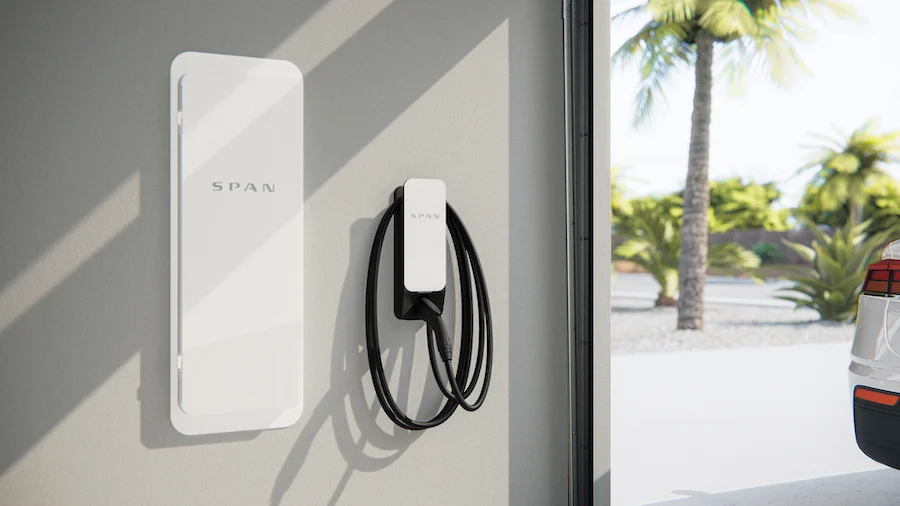

The escalating frequency and intensity of extreme weather events, coupled with a growing recognition of the inherent vulnerabilities within our existing power grids, have coalesced into a widespread consensus: smart homes must integrate robust smart energy management components. While currently, this often manifests as a smart thermostat linked to a utility’s demand-response program, the trajectory of technological advancement points towards a more comprehensive ecosystem. Within the next decade, it is highly probable that this will expand to include sophisticated smart breaker boxes, intelligent electric vehicle (EV) chargers, and potentially integrated solar power generation or advanced energy storage solutions. The orchestration of this intricate network will be managed by intelligent software, facilitating seamless communication between in-home devices and utility infrastructure, thereby ensuring the optimized distribution of potentially constrained power resources in response to real-time demand fluctuations.
The Evolving Landscape of Home Energy Management
The push towards smarter energy consumption at the residential level is not merely a trend; it is a critical response to systemic challenges. The summer’s unprecedented heatwaves, which placed immense strain on power grids across various regions, served as a stark reminder of the fragility of our energy supply. These events, often exacerbated by aging infrastructure and increasing demand from climate control systems, have underscored the urgent need for greater grid resilience. The concept of a "smart home" is rapidly evolving beyond convenience features like automated lighting and entertainment systems to encompass a more fundamental role in energy conservation and grid stability.
This evolution is being propelled by a confluence of factors. Technological innovation is yielding increasingly sophisticated and accessible devices. Manufacturers such as Schneider Electric, Eaton, Leviton, Savant, and Span are at the forefront, introducing products that are beginning to define the architecture of future smart home energy management systems. Concurrently, policy initiatives, such as those enacted under the Biden administration, are providing crucial incentives for homeowners to transition from outdated, "dumb" electrical infrastructure to smarter, more efficient alternatives. These legislative measures aim to accelerate the adoption of technologies that can both reduce individual energy bills and contribute to overall grid health.
Navigating the Initial Stages of Smart Energy Adoption
For the average homeowner, the prospect of overhauling their entire electrical system can appear daunting, far more so than simply replacing a conventional thermostat with a smart one. The question then arises: how can individuals begin to intelligently manage their home’s energy infrastructure without undertaking an immediate and potentially prohibitive renovation?
The foundational step, accessible to virtually any homeowner, is a thorough audit of their existing breaker box. This process, which can be undertaken with the assistance of a friend or family member via a phone call, involves systematically identifying the function of each circuit. By having one person at the breaker box to flip individual switches and another person inside the home observing which outlets and appliances lose power, a detailed map of the home’s electrical circuits can be generated. This inventory should meticulously list the outlets and the specific devices connected to each circuit.
This documented understanding of current energy distribution is invaluable. It highlights not only which appliances are powered by each circuit but also reveals available "headroom" – empty circuits or those with underutilized capacity. This information is critical for future planning, particularly for homeowners considering electrification projects such as installing an EV charger, a heat pump, or an induction stove. These popular electrification initiatives often demand significant power, and identifying existing capacity or understanding the need for an electrical service upgrade is a crucial early step. For older homes with limited electrical capacity, this may necessitate an upgrade to a higher amperage electrical line and a corresponding service panel enhancement.
Understanding Smart Breaker Box Technologies
The financial implications of upgrading an electrical service can be substantial. In such scenarios, a more conservative approach might involve replacing the existing breaker box with a smart alternative. These advanced panels possess the capability to intelligently manage and distribute power, potentially allowing for the optimization of high-demand activities like EV charging to occur during off-peak hours when other household appliances are not in use. While this offers a degree of load management, its effectiveness is inherently limited by the overall capacity of the electrical service.
The market for smart breaker boxes is diverse, offering various levels of functionality. Products like Sense or Emporia devices, for instance, are installed within the existing breaker box and provide granular data on energy consumption. However, they typically do not offer the ability to actively control individual circuits, which can be a point of frustration for users who, despite knowing a particular appliance’s energy draw, cannot directly intervene to reduce its consumption.

A more advanced category of smart breaker box technology includes smart circuits, which possess the capability to be remotely switched on and off. This empowers homeowners with direct control over individual loads, offering a more proactive approach to energy management. While some manufacturers offer entirely smart breaker boxes, others provide the option to install a limited number of smart circuits within a conventional panel. A significant consideration for consumers in this space is the prevalence of proprietary software that governs the operation of these systems. For those with a strong technical inclination and a desire for greater customization, open-source solutions are also emerging, catering to the "extreme DIYer" segment of the market.
The Future of Integrated Home Energy Management
For a glimpse into a more futuristic smart home energy management experience, consumers can explore platforms like SmartThings Energy. This system leverages data from smart meters and real-time electricity rates to provide detailed insights into the power consumption of compatible appliances. For households equipped with Samsung appliances, the platform allows for the activation of a "Power Savings" mode through the app, facilitating incremental energy reductions.
While these integrated solutions represent a significant step forward, the lack of standardized communication protocols between different appliances and breaker box software currently presents a challenge. This fragmentation can limit the seamless interoperability and optimization of energy management across an entire home. However, the industry is actively working towards establishing these crucial standards, with the expectation that future iterations of these systems will offer a more unified and intelligent experience.
Broader Implications and Policy Drivers
The transition towards smart home energy management is not occurring in a vacuum. It is intrinsically linked to broader national and global efforts to decarbonize the energy sector and enhance grid resilience. The increasing integration of intermittent renewable energy sources, such as solar and wind power, necessitates more sophisticated demand-side management strategies. Smart homes, equipped with intelligent energy management systems, can play a pivotal role in balancing the grid by intelligently shifting energy consumption to periods of high renewable generation and reducing demand during peak times.
The implications of this shift are far-reaching. For utilities, widespread adoption of smart energy management can lead to reduced operational costs, decreased reliance on expensive peaker plants, and improved grid stability. For consumers, the benefits include potential reductions in energy bills, greater control over their energy usage, and the ability to participate more actively in the energy transition. Furthermore, as the electrical grid becomes increasingly electrified with the proliferation of EVs and heat pumps, the capacity and intelligence of residential electrical infrastructure will become paramount.
Legislation and incentive programs play a crucial role in accelerating this transition. By providing financial support for the adoption of smart technologies, governments can help overcome the initial cost barriers that might deter homeowners from upgrading their electrical systems. This proactive policy approach is essential for fostering the widespread adoption of smart energy management, ultimately contributing to a more sustainable, resilient, and efficient energy future for all.
The Path Forward: Planning and Adaptation
As the market for smart home energy management solutions continues to mature, homeowners are encouraged to approach the process strategically. The initial energy audit of the breaker box serves as an indispensable starting point, providing a clear understanding of existing infrastructure and identifying potential opportunities for upgrades or future installations.
The increasing electrification of homes, driven by the desire for greater energy efficiency and reduced carbon footprints, necessitates a forward-thinking approach to electrical system design. Planning for future appliance acquisitions, with a focus on energy-efficient and "smart" models, will ensure that new additions can be seamlessly integrated into an evolving energy management ecosystem. While the complete overhaul of a home’s electrical system may not be immediately feasible for all, the incremental steps of understanding current usage and planning for future needs can pave the way for a more intelligent and sustainable energy future. The journey towards a truly smart home energy management system is a process of continuous adaptation and informed decision-making, one that is increasingly within reach for the modern homeowner.
