

The smart home landscape is at a pivotal moment, marked by significant leadership changes at Amazon and the upcoming 10th anniversary of its flagship voice assistant, Alexa, and the Echo smart speaker. David Limp, Amazon’s head of devices, is slated for retirement, joining a broader exodus of executives from the tech giant over the past year. This transition coincides with a critical evaluation of Alexa and Echo’s role in the connected home, prompting a deeper look into the advancements and persistent challenges within the smart home ecosystem.
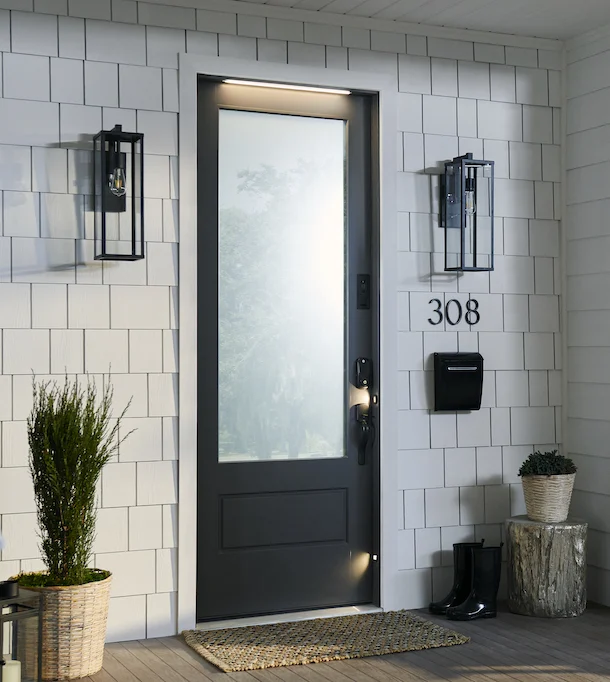
The evolution of the smart home, while promising convenience and integration, has also presented a complex array of products and experiences, not all of which have met consumer expectations or achieved widespread adoption. This is underscored by recent product reviews and market developments that highlight both innovation and significant hurdles. For instance, the Mill kitchen trash can, a composting system developed by Nest co-founder Matt Rodgers, represents a niche but ambitious foray into automated home solutions. However, the high price point of such specialized devices, exemplified by Masonite’s debut of its smart door at Home Depot, raises questions about accessibility and the mass-market appeal of advanced smart home technology. The "world’s first smart door," retailing at a significant investment, signals a segment of the market catering to a premium audience, rather than a broadly adopted solution.
Despite these challenges, regulatory bodies are taking steps to address growing concerns about the security and trustworthiness of Internet of Things (IoT) devices. The Federal Communications Commission (FCC) has proposed a cybersecurity labeling program for smart devices, offering consumers a clearer indication of a product’s security posture. This initiative, open for public comment for 30 days, aims to empower consumers by providing transparent information regarding the security features of the devices they bring into their homes.
Further underscoring the security concerns within the broader technological sphere, Microsoft has identified a new set of vulnerabilities with the potential to disrupt critical infrastructure, including power plants. This discovery highlights the interconnectedness of digital systems and the far-reaching implications of cybersecurity breaches, even in sectors not traditionally considered consumer-facing smart home applications.
On the hardware and connectivity front, the smart home ecosystem is seeing developments aimed at bolstering its foundation. A new company is emerging as a secondary provider of Z-Wave chips, a crucial radio protocol for many smart home devices, potentially offering greater choice and supply chain stability. Additionally, the Homey Pro smart home hub, while positioned at a higher price point, offers a compelling solution for users prioritizing local device control and comprehensive integration capabilities, as detailed in a recent review.
The discussion around the future of smart home connectivity and integration is particularly pertinent with the introduction of new protocols and the evolution of existing ones. Mariusz Malkowski, founder and CTO of Trident IoT, offers insights into these developments, particularly concerning the Z-Wave community and the integration of various radio protocols. Trident IoT’s initiative to produce Z-Wave chips and act as a Z-Wave certification house addresses a critical need for standardized and reliable components within the ecosystem.
The Shifting Sands of Amazon’s Smart Home Leadership
The departure of David Limp, a key architect of Amazon’s device strategy, including the development and expansion of Alexa and Echo, marks a significant turning point. Limp’s tenure saw the rapid growth of Amazon’s hardware division, transforming the company from an online retailer into a major player in consumer electronics and artificial intelligence. His leadership oversaw the introduction of a vast array of Echo devices, from the original smart speaker to smart displays, wearables, and even ambitious projects like the Astro robot. The timing of his retirement, preceding the 10th anniversary of Alexa and Echo in 2024, invites reflection on the foundational principles and future trajectory of Amazon’s smart home ambitions.
Amazon’s investment in Alexa has been substantial, with billions of dollars reportedly poured into its development. The voice assistant was envisioned as a central nervous system for the home, seamlessly connecting devices and services, and providing a more intuitive way for users to interact with technology. Early adoption was strong, driven by the novelty of voice control and the growing availability of compatible smart home products. Market research from the period often highlighted the rapid increase in smart speaker ownership, with Amazon Echo consistently holding a significant market share. For example, by 2020, Statista data indicated that a substantial percentage of U.S. households owned at least one smart speaker, with Amazon’s devices being the most prevalent.
However, the journey has not been without its challenges. The initial promise of a fully integrated and intelligent home has, for many, materialized as a collection of disparate devices with varying degrees of interoperability. The concept of a truly "stand-alone" smart home, where devices communicate effortlessly and intelligently without constant user intervention or complex workarounds, remains an aspiration rather than a consistent reality.
Examining the Smart Home’s Progress and Pitfalls
The smart home market, since the advent of Alexa and Echo, has seen a proliferation of devices aiming to enhance convenience, security, and energy efficiency. From smart thermostats and lighting to security cameras and smart appliances, the options have expanded dramatically. However, the user experience can often be fragmented. Devices from different manufacturers may not integrate seamlessly, requiring users to juggle multiple apps or rely on third-party integration platforms, which themselves can have limitations.

The Mill kitchen trash can serves as an example of a product pushing the boundaries of home automation, aiming to solve a common household chore by automating composting. Such innovations, while potentially valuable, often come with a premium price tag. The Masonite smart door, a high-end entry point into smart home technology, further illustrates this trend. While offering advanced features like integrated lighting, video doorbells, and remote access, its considerable cost positions it as a luxury item rather than a mass-market solution. This raises a critical question for the industry: how can the benefits of smart home technology be made accessible to a broader consumer base?
Navigating the Regulatory Landscape: Cybersecurity Takes Center Stage
The rapid proliferation of connected devices has also amplified concerns about their security. Vulnerabilities in smart home devices can expose users to privacy breaches, data theft, and even physical security risks. Recognizing this, the FCC’s proposed cybersecurity labeling program for IoT devices represents a significant step toward enhancing consumer trust and security.
This initiative, following similar efforts in other regions, aims to create a clear and standardized system for labeling smart devices based on their cybersecurity credentials. The program is expected to encourage manufacturers to prioritize security in their product design and development processes. The 30-day public comment period is a crucial opportunity for industry stakeholders, consumer advocacy groups, and the general public to provide feedback and shape the final regulations. The success of such a program will hinge on its comprehensiveness, ease of understanding for consumers, and the commitment of manufacturers to adhere to its standards.
Broader Cybersecurity Threats: Industrial Control Systems Under Scrutiny
Beyond the consumer-focused smart home, cybersecurity threats loom larger, impacting critical infrastructure. Microsoft’s recent discovery of vulnerabilities affecting industrial equipment that could be exploited to shut down power plants underscores the pervasive nature of digital risks. These findings highlight the importance of robust cybersecurity measures not only in our homes but also in the systems that underpin essential services. The implications are far-reaching, emphasizing the need for ongoing vigilance and investment in security protocols across all sectors.
The Evolving Connectivity Landscape: Z-Wave and Local Control
The technical backbone of the smart home is undergoing continuous evolution. The emergence of a new company poised to become a secondary source of Z-Wave chips is a noteworthy development. Z-Wave is a wireless communication protocol widely used in smart home devices, known for its reliability and low power consumption. A more diverse supply chain for these critical components could lead to increased competition, potentially driving down costs and improving availability, which are crucial for broader adoption.
In parallel, the conversation around local control versus cloud-dependent systems continues. The Homey Pro smart home hub, while expensive, caters to users who prefer to keep their smart home operations running locally, independent of internet connectivity or reliance on cloud servers. This approach offers enhanced privacy and reliability, as devices can continue to function even during internet outages. Such solutions are gaining traction among enthusiasts and those concerned about the potential vulnerabilities and privacy implications of cloud-centric smart home ecosystems.
Bridging Protocols: The Future of Interoperability
The complexity of managing multiple wireless protocols in a smart home has been a persistent challenge. Mariusz Malkowski, founder and CTO of Trident IoT, provides valuable insights into this area, particularly concerning the integration of Z-Wave with emerging standards like Matter. Matter, developed by the Connectivity Standards Alliance, aims to simplify smart home device interoperability by providing a unified application layer.
Malkowski’s discussion with Trident IoT highlights the critical role of bridging technologies in ensuring that devices using different protocols can communicate effectively. Trident IoT’s strategy to build Z-Wave chips and integrate other radio protocols into devices, alongside acting as a Z-Wave certification house, positions them as a key player in fostering a more cohesive smart home environment. The development of Z-Wave Long Range and planned security upgrades for the protocol further indicate a commitment to its continued relevance and evolution within the smart home ecosystem. The ability of Matter to work seamlessly with Z-Wave, facilitated by robust bridging solutions, will be instrumental in realizing the vision of a truly interconnected and user-friendly smart home.
Addressing Specific User Needs: The Case of Lighting for Woodworkers
Beyond the broad strokes of industry trends and technological advancements, the smart home also intersects with specific user needs. The listener question regarding the appropriate light bulb for a woodworker building a lamp exemplifies this personalized application of smart home technology. Selecting the right lighting for a workshop or a craft project involves considering factors such as color temperature (Kelvin), brightness (lumens), and color rendering index (CRI). For woodworking, a high CRI is particularly important, as it ensures accurate color representation of materials, which is crucial for tasks like stain matching or fine detail work. LED bulbs are generally recommended for their energy efficiency, longevity, and adjustable color temperature and brightness, making them a versatile choice for various applications, including specialized craft environments.
As the smart home continues to mature, the interplay between leadership transitions, technological innovation, regulatory oversight, and user-centric design will shape its future. The coming years will likely see a greater emphasis on security, interoperability, and affordability as the industry strives to move beyond niche adoption to widespread integration into daily life.
