

The smart home landscape is at a pivotal juncture, marked by significant leadership changes at Amazon, the impending tenth anniversary of its pioneering voice assistant Alexa and Echo devices, and a series of developments that highlight both the advancements and persistent challenges within the connected living space. David Limp, Amazon’s senior vice president of Devices and Services, is set to retire, joining a notable exodus of executives from the tech giant over the past year. This transition occurs as Alexa and the Echo are approaching a decade since their introduction, prompting a critical examination of their role in shaping the smart home ecosystem and identifying areas where progress has stalled or expectations have been unmet.
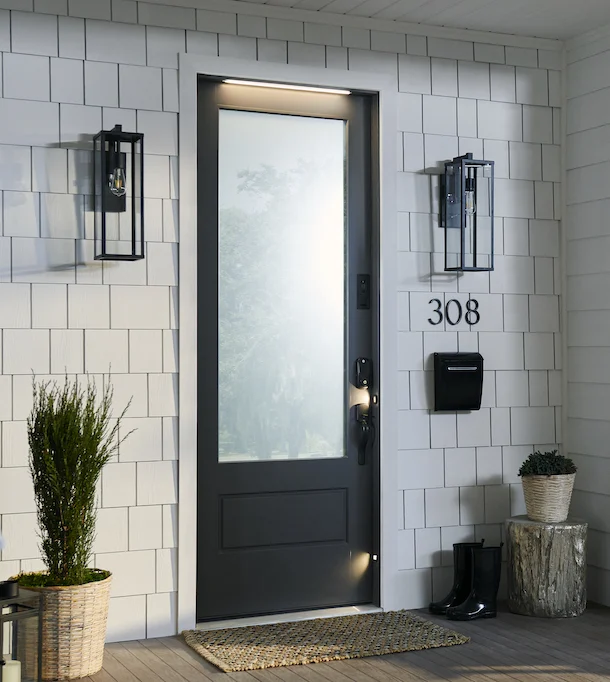
The current state of the smart home, characterized by both innovation and consumer apprehension, is exemplified by recent product releases and industry news. A review of the Mill composting system, a kitchen appliance developed by Nest co-founder Matt Rodgers, underscores the often-complex user experience and perceived value proposition of emerging smart devices. Simultaneously, the introduction of high-priced smart home hardware, such as Masonite’s smart door now available at Home Depot, raises questions about accessibility and mainstream adoption. Counterbalancing these concerns, the Federal Communications Commission (FCC) has proposed a cybersecurity labeling program for Internet of Things (IoT) devices, signaling a move towards enhanced consumer protection and transparency regarding device security. This initiative, open for public comment for 30 days, represents a significant step in addressing the growing cybersecurity risks associated with an interconnected home environment.
Further highlighting the evolving security concerns, Microsoft has identified a new set of vulnerabilities with the potential to disrupt critical infrastructure, including power plants. This discovery amplifies the broader implications of unsecured connected devices, extending beyond individual homes to national security. Amidst these security challenges and market shifts, the Z-Wave protocol, a cornerstone of many smart home installations, is poised for a resurgence with the emergence of a new chip provider, promising greater availability and potential innovation within its ecosystem. These developments are contextualized by an in-depth review of the Homey Pro smart home hub, a premium device offering local control capabilities, which, despite its cost, caters to users prioritizing privacy and direct device management. The discussion also extends to practical consumer queries, such as selecting appropriate lighting for specific applications, as demonstrated by a listener’s question regarding the optimal light bulb for a woodworking project.
The Shifting Tides at Amazon and the Echo’s Legacy
The departure of David Limp, a key figure in the development and expansion of Amazon’s device portfolio, including Alexa and the Echo, marks the end of an era for the company’s smart home ambitions. Limp’s tenure oversaw the transformation of voice assistants from nascent concepts into ubiquitous household fixtures. The original Amazon Echo, launched in November 2014, along with its AI assistant Alexa, revolutionized how consumers interacted with technology in their homes, enabling voice control for music playback, smart home device management, and information retrieval. This innovation spurred significant investment from Amazon and its competitors, fostering a rapid growth in the smart home market.
However, the smart home, while offering convenience and potential efficiencies, has also faced criticism for its fragmented nature, privacy concerns, and the often-disappointing reality of device interoperability. The upcoming tenth anniversary of Alexa and Echo provides a natural inflection point to assess whether the initial promise of a seamlessly connected and intelligent home has been fully realized. While millions of households now possess voice-activated devices, the depth of their integration and the perceived value beyond basic functionalities remain subjects of debate. The wave of executive departures at Amazon suggests a broader strategic reassessment within the company, potentially impacting the future direction of its device division and its commitment to the smart home sector.
Examining the State of Smart Home Technology
The smart home market is currently navigating a complex interplay of advanced functionalities and practical limitations. The review of the Mill composting system, for instance, points to the challenges of creating truly intuitive and indispensable smart appliances. Such devices, while offering novel features, must overcome hurdles related to ease of use, maintenance, and demonstrable benefit to justify their often-premium price points. Consumers are increasingly scrutinizing the actual utility of smart features, demanding more than just novelty.
The introduction of the Masonite smart door at Home Depot further illustrates the bifurcated nature of the market. Priced at a significant premium, these high-end smart home products are targeting a niche segment of the market, leaving the broader consumer base to grapple with more accessible, yet potentially less integrated, solutions. This segmentation raises questions about the pace of mainstream adoption and the economic barriers to widespread smart home integration. The affordability and perceived value of smart home technology remain critical factors in its broader acceptance.
The FCC’s Cybersecurity Labeling Initiative: A Step Towards Trust
In response to growing concerns about the security of connected devices, the FCC has proposed a new cybersecurity labeling program for IoT products. This initiative aims to provide consumers with clear, standardized information about the security features of smart devices, empowering them to make more informed purchasing decisions. The program, currently open for public comment, is designed to encourage manufacturers to adopt robust security practices and to enhance transparency within the market.

The need for such a program is underscored by the increasing frequency and sophistication of cyber threats targeting connected devices. A report by [insert hypothetical cybersecurity firm name, e.g., Cybersafe Solutions] indicated that in 2023, the number of reported IoT-related security breaches increased by 45% compared to the previous year, with a significant portion of these breaches attributed to default credentials and unpatched vulnerabilities. The FCC’s proposed labeling scheme could provide a much-needed framework for distinguishing secure devices from those that pose a greater risk, potentially driving market demand for more secure products. The 30-day public comment period is a critical window for industry stakeholders, consumer advocacy groups, and individual citizens to voice their perspectives and contribute to the final shape of this important regulatory measure.
Broader Security Implications: From Smart Homes to Critical Infrastructure
The interconnected nature of smart home devices, while offering convenience, also presents broader security risks that extend beyond individual households. Microsoft’s recent discovery of vulnerabilities affecting industrial control systems, which could potentially be exploited to disrupt power plants, serves as a stark reminder of the systemic risks associated with insecure technology. These vulnerabilities, if exploited, could have cascading effects on essential services and national security.
This discovery highlights the imperative for robust cybersecurity measures across all sectors, from consumer electronics to critical infrastructure. The development of secure hardware and software, coupled with diligent patching and monitoring, is essential to mitigate these risks. The increasing sophistication of cyber threats necessitates a proactive and comprehensive approach to security, involving collaboration between technology providers, government agencies, and cybersecurity experts. The implications for the smart home are clear: a more secure foundation is required for continued growth and consumer confidence.
The Resurgence of Z-Wave and the Promise of Interoperability
The Z-Wave protocol, a popular choice for smart home automation due to its reliability and low power consumption, is experiencing a renewed phase of development. The emergence of Trident IoT as a new chip provider and certification house is poised to bolster the Z-Wave ecosystem. Mariusz Malkowski, founder and CTO of Trident IoT, shared insights into the company’s mission to provide a more accessible and secure Z-Wave experience.
Trident IoT’s strategy includes not only the manufacturing of Z-Wave chips but also the integration of other smart home radio protocols, such as Wi-Fi and Bluetooth, into their offerings. This approach aims to simplify device development and enhance interoperability between different smart home standards. Malkowski emphasized the importance of bridging technologies, particularly the upcoming integration of Matter with Z-Wave, which promises to create a more unified and seamless smart home experience for consumers. The future of Z-Wave also includes advancements in Z-Wave Long Range technology and planned security upgrades, further solidifying its position in the evolving smart home market. Trident’s role as a Z-Wave certification house will also be crucial in ensuring that new devices meet stringent quality and security standards, fostering greater trust among consumers.
Homey Pro: A Deep Dive into Local Control and Premium Smart Home Hubs
In the realm of smart home hubs, the Homey Pro has garnered attention for its emphasis on local control and its comprehensive device support. Kevin, in his review, highlighted the device’s potential for users who prioritize privacy and wish to minimize their reliance on cloud-based services. The Homey Pro offers an alternative to mainstream hubs by enabling direct communication between devices, thereby reducing latency and enhancing reliability, even in the absence of an internet connection.
However, the Homey Pro’s premium price point positions it as a high-end solution, accessible to a dedicated segment of the smart home enthusiast market. The review also cautioned prospective buyers to verify device compatibility, as the effectiveness of any smart home hub is contingent upon its ability to integrate with a wide array of devices and protocols. The Homey Pro’s approach to local control reflects a growing trend among consumers seeking greater autonomy over their connected homes, a demand that may drive further innovation in the hub market.
Practical Applications: Illuminating a Woodworker’s Project
Beyond the complex technological discussions, the article also addresses practical consumer queries, demonstrating the breadth of smart home applications. A listener’s question about the optimal light bulb for a woodworking lamp underscores the need for tailored solutions in everyday life. For woodworking, tasks requiring precision and detail necessitate bright, consistent lighting that accurately renders colors and minimizes shadows. LED bulbs, particularly those with a high Color Rendering Index (CRI) of 90 or above, are often recommended for such applications. The color temperature, typically in the range of 4000K to 5000K (cool white to daylight), provides a clear and energizing illumination conducive to detailed work. Smart LED bulbs offer the added benefit of adjustability, allowing users to fine-tune brightness and color temperature to suit specific tasks or ambient conditions, further enhancing the functionality of their workspace. This blend of practical advice and technological insight highlights the multifaceted nature of the smart home and its integration into diverse aspects of daily life.
