
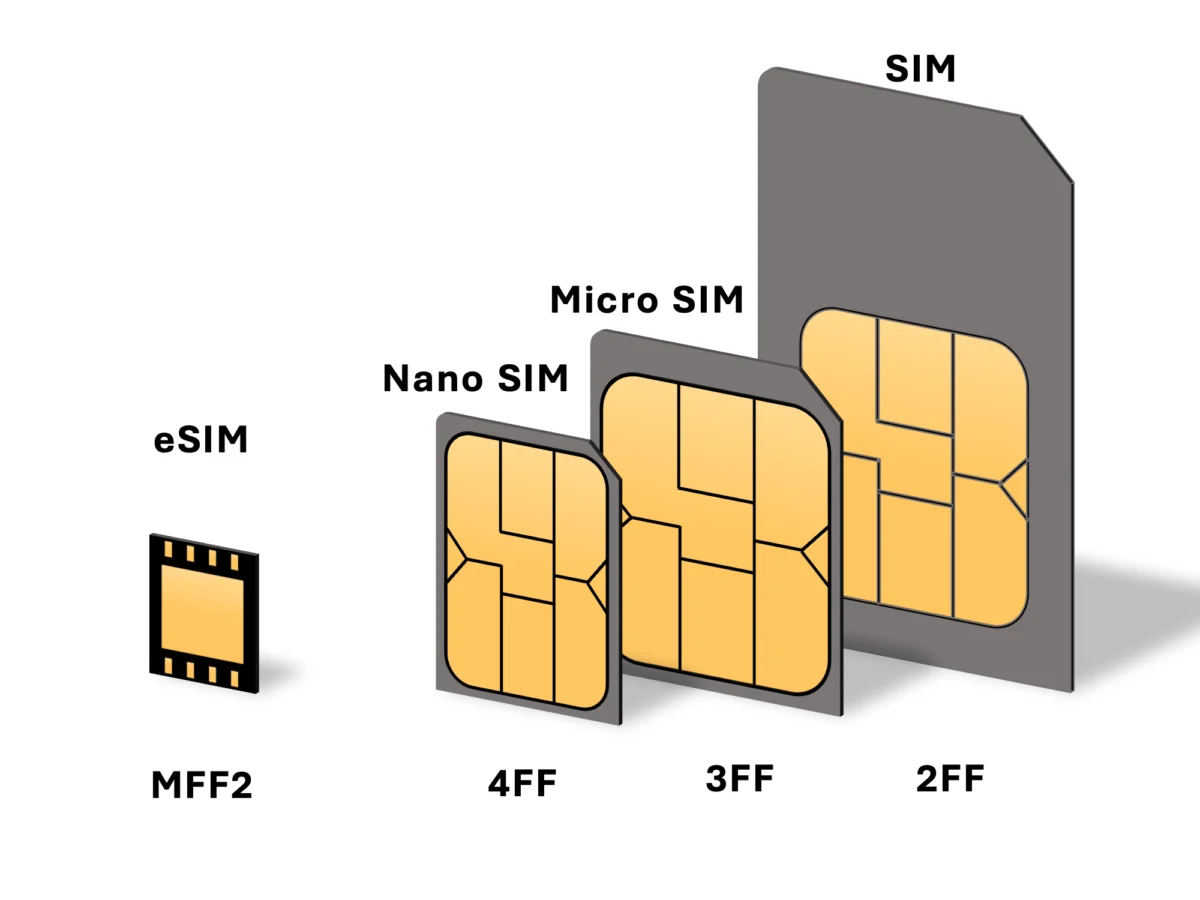

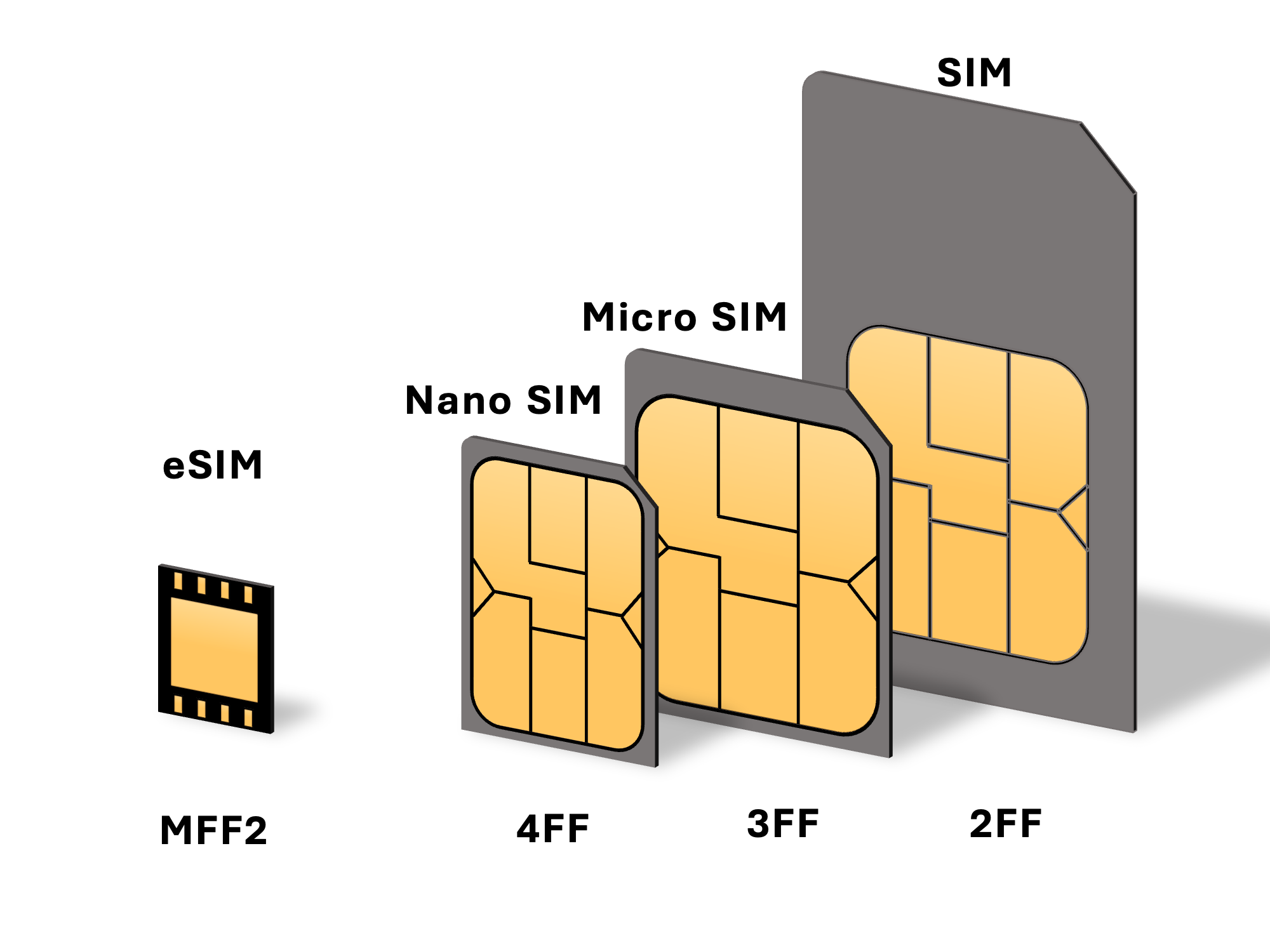
The telecommunications landscape in South Korea has undergone a significant transformation over the last decade, transitioning from a market dominated by physical retail interactions and plastic SIM cards to a digital-first ecosystem powered by embedded SIM (eSIM) technology. As South Korea remains a global leader in information technology and 5G infrastructure, the adoption of eSIMs has become a cornerstone of the country’s connectivity strategy for both international visitors and the growing expatriate community. An eSIM, or embedded Universal Integrated Circuit Card (eUICC), is a programmable chip soldered directly into a mobile device’s motherboard. This technology allows users to download and activate cellular profiles remotely, bypassing the logistical hurdles of physical card distribution and providing a seamless transition for travelers entering the country.
The Evolution of Mobile Connectivity in South Korea
South Korea’s journey toward becoming a global 5G powerhouse began with aggressive government investment in digital infrastructure during the late 1990s and early 2000s. By 2019, the nation became one of the first in the world to commercialize 5G services. However, the adoption of eSIM technology for smartphones followed a slightly more gradual trajectory due to regulatory considerations and the established dominance of the "Big Three" telecommunications providers: SK Telecom, KT (formerly Korea Telecom), and LG U+.
It was not until late 2022 that the South Korean government and major carriers fully synchronized their efforts to support eSIMs for the general public, including foreign nationals. This shift was largely driven by the global trend initiated by major hardware manufacturers like Apple and Samsung, who began phasing out physical SIM slots or offering dual-SIM capabilities. Today, the eSIM market in Korea is highly competitive, catering to short-term tourists who require high-speed data for navigation and social media, as well as long-term residents who need integrated voice, text, and data services for daily life and banking.
Leading eSIM Providers for Short-Term Tourists
For the millions of tourists who visit South Korea annually, connectivity is often the first priority upon landing at Incheon International Airport. The market for tourist eSIMs is characterized by ease of purchase, rapid activation via QR codes, and varying levels of data caps.
1. Korea SIM Card
Korea SIM Card has emerged as a specialist provider focusing specifically on the needs of the international traveler. Their offerings are often viewed as the most user-friendly for those who do not possess a local registration card.
- Pricing and Data: Plans typically begin at approximately $25 for 1GB of high-speed data with a 30-day validity period. They also offer "Unlimited Data" plans, which are highly popular among travelers who rely on data-heavy applications like YouTube or Papago (a translation app).
- Unique Selling Point: Their multi-language customer support is frequently cited as a benchmark for the industry, providing assistance in English, Chinese, and Japanese.
2. SK Telecom (SKT)
As the largest telecommunications operator in South Korea, SK Telecom holds roughly 45% of the total market share. Their eSIM products for tourists leverage the country’s most extensive 5G and LTE network.
- Infrastructure: SKT is known for having the most reliable coverage in rural areas and mountainous regions, making it the preferred choice for tourists planning to visit Seoraksan National Park or Jeju Island.
- Tourist Plan: A standard 30-day tourist eSIM from SKT is priced at $35 for 1GB of data. While slightly more expensive than third-party resellers, the premium price reflects the network’s stability and speed.
3. KT Olleh
KT Olleh is the second-largest provider and is often recognized for its innovative approach to bundled services.
- Connectivity Perks: One of the primary advantages of choosing KT is the access to "Olleh WiFi" hotspots. These are located in nearly every subway station, cafe, and public building across the country, allowing users to preserve their cellular data.
- Pricing: Their 30-day, 1GB plan is priced competitively at $36.50. KT’s eSIMs are often bundled with T-Money functionality (for transportation) in hybrid formats, though the eSIM itself remains purely digital.
4. LG U+
LG U+ has historically positioned itself as a price-competitive alternative to SKT and KT. While their 1GB plan for tourists is the most expensive at $39, they frequently offer promotional "Unlimited" daily passes that provide better value for heavy users staying for shorter durations (e.g., 5 or 10 days).
eSIM Solutions for Long-Term Residents and Expatriates
Long-term residents, including international students, English teachers (E-2 visa holders), and corporate transferees, have different requirements than tourists. These users require a "post-paid" or a robust "pre-paid" plan that includes a local phone number, which is essential for the "identity verification" (bon-in-in-jeung) required to use Korean apps like Coupang, KakaoTaxi, and mobile banking.
Comparative Data for Long-Term Plans
| Provider | Monthly Starting Price | Data Allowance | Additional Benefits |
|---|---|---|---|
| SK Telecom | $29.00 | 2GB + Unlimited Voice/Text | T-Membership discounts, 5G access |
| KT Olleh | $30.00 | 2GB + Unlimited Voice/Text | Olleh WiFi access, Family bundling |
| LG U+ | $35.00 | 2GB + Unlimited Voice/Text | Disney+ or Netflix bundles |
For residents, the activation of an eSIM requires an Alien Registration Card (ARC). The process is more formal than the tourist "scan-and-go" method, often involving a visit to a local branch or a detailed online verification process. However, the convenience of not needing to wait for a physical card to arrive by mail has made eSIMs the preferred choice for the tech-savvy expat community.
Technical Analysis of eSIM Implementation
The activation of an eSIM in South Korea follows a standardized international protocol defined by the GSMA. Once a plan is purchased, the provider generates a unique QR code. When scanned by a compatible device (such as an iPhone 11 or later, or a Samsung Galaxy S20 or later), the device contacts the carrier’s Remote SIM Provisioning (RSP) server. The server then securely downloads the subscriber profile onto the embedded chip.
Chronology of a Typical Activation
- Verification: The user’s device compatibility is checked.
- Purchase: Payment is processed via international credit card or local payment gateways (KakaoPay/NaverPay).
- Delivery: A QR code is sent via email within minutes.
- Installation: The user navigates to "Cellular Settings" on their device and adds a new cellular plan.
- Registration: For tourists, a passport scan is often required via a web link to comply with South Korean anti-fraud and telecommunications laws.
Strategic Factors for Selection
When selecting an eSIM provider in the Korean market, users must weigh several variables beyond simple price points.
- Network Latency and Speed: South Korea boasts some of the fastest mobile speeds in the world, with average 5G download speeds exceeding 400 Mbps. SK Telecom consistently leads in speed tests, followed closely by KT.
- Customer Support Accessibility: For non-Korean speakers, the quality of English-language support can be a deciding factor. Third-party providers like Korea SIM Card often outperform the "Big Three" in this specific niche, as the major carriers’ primary support channels are optimized for native speakers.
- Value-Added Services: The inclusion of free Wi-Fi hotspot access (KT) or membership points for local bakeries and movie theaters (SKT) adds a layer of utility that transcends simple data connectivity.
Broader Implications and Market Outlook
The shift toward eSIM technology in South Korea has broader implications for the environment and the economy. From an environmental perspective, the reduction in physical SIM card production and the associated plastic waste aligns with the country’s "Green New Deal" objectives. For the tourism industry, eSIMs remove a significant friction point for international arrivals. Previously, travelers had to wait in long queues at airport kiosks; now, connectivity can be secured before the traveler even departs their home country.
Analysts suggest that the next phase of eSIM evolution in Korea will involve the Internet of Things (IoT). We are likely to see an increase in eSIM integration for wearable devices, connected vehicles, and smart city infrastructure. For the consumer, this means a future where a single data plan can be seamlessly shared across a multitude of devices without the need for multiple physical cards.
Conclusion and Final Assessment
South Korea continues to set the standard for mobile connectivity, and the robust eSIM market is a testament to this leadership. For the casual tourist, Korea SIM Card and KT Olleh offer the best balance of price, ease of use, and supplemental benefits like Wi-Fi access. For those planning a long-term stay, SK Telecom remains the gold standard for network reliability and comprehensive service integration, provided the user has the necessary residency documentation.
As mobile hardware continues to evolve toward a port-less, fully digital future, the eSIM will transition from an innovative alternative to the absolute standard. In the high-speed, hyper-connected environment of South Korea, choosing the right eSIM provider is not merely a matter of convenience, but a fundamental requirement for navigating one of the world’s most advanced digital societies.
