
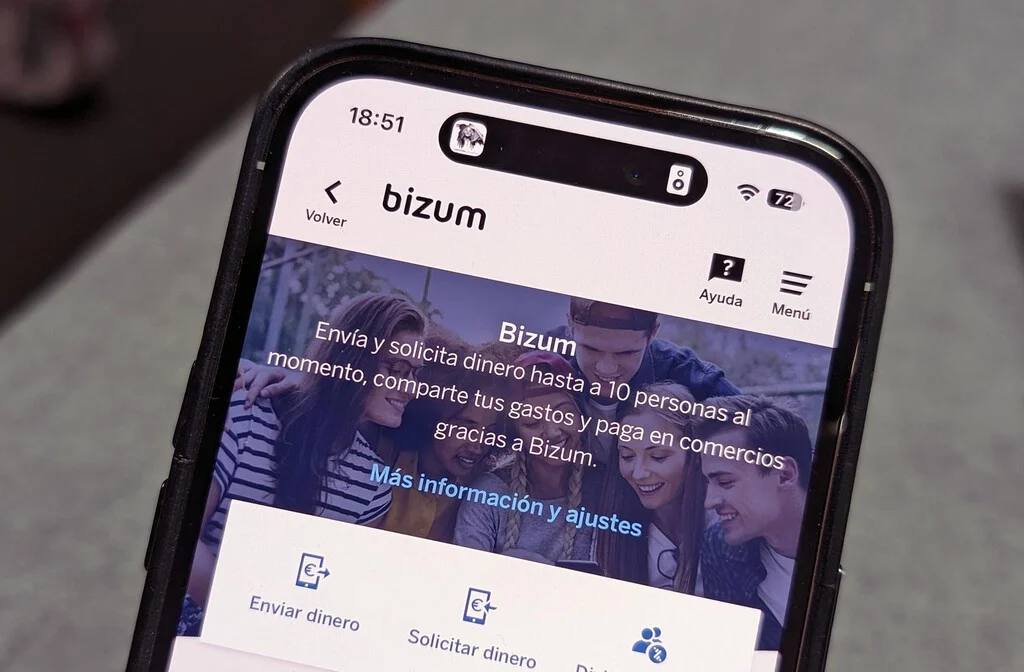

Selling second-hand items through online platforms has become an integral part of the modern digital economy, offering convenience and accessibility for millions. However, this burgeoning ecosystem also presents fertile ground for cybercriminals, necessitating extreme caution from users. A particularly insidious and increasingly prevalent scheme, dubbed the "Bizum inverso" (reverse Bizum) fraud, has emerged as a significant threat, prompting urgent warnings from law enforcement agencies like the Guardia Civil and national cybersecurity authorities. This scam capitalizes on the speed and simplicity of instant payment applications, deceiving sellers into inadvertently sending money to fraudsters rather than receiving payment for their goods.
Understanding the Modus Operandi of the "Bizum Inverso"
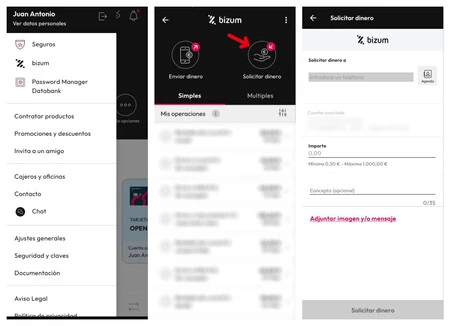
The "Bizum inverso" scam is deceptively simple, preying on users’ familiarity with digital payment interfaces and their expectation of receiving funds. At its core, the scam exploits the "request money" feature inherent in many instant payment apps, including Bizum, Spain’s widely adopted mobile payment service. Instead of initiating a payment to the seller, the scammer sends a request for money, cleverly phrasing accompanying messages to make the victim believe they are about to receive a payment.
The typical scenario unfolds when a seller advertises an item on a classifieds website or social media marketplace. A supposed buyer expresses keen interest, often displaying an unusual sense of urgency to finalize the transaction and make the payment via Bizum. The scammer then initiates a "request for money" through the app, inputting the agreed-upon sale price. When the seller receives the notification, it often appears as an incoming transaction request. Due to a combination of haste, lack of careful reading, or misunderstanding of the app’s dual functionality (sending vs. requesting), the victim clicks to "accept" or "confirm" what they believe is the incoming payment. In reality, by accepting, they authorize the app to transfer the specified amount from their own account to the scammer’s. The money is debited instantly, making reversal extremely difficult, if not impossible, without immediate intervention.
The Rise of Instant Payments and the Attendant Risks
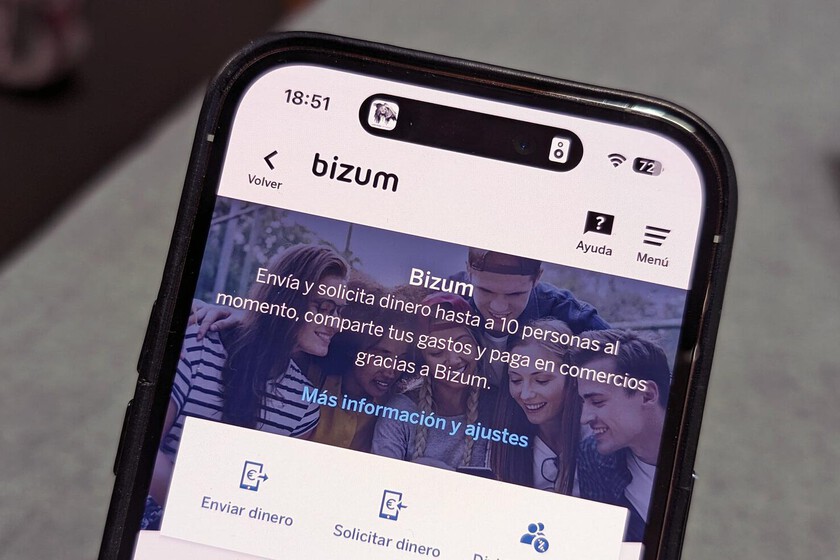
Bizum, launched in Spain in 2016, rapidly transformed peer-to-peer payments, boasting over 26 million users and processing more than 1.5 billion transactions by the end of 2023. Its integration with major Spanish banks and its user-friendly interface made it an indispensable tool for quick transfers, splitting bills, and even small business transactions. This widespread adoption, while beneficial for financial fluidity, also created a vast new attack surface for criminals. The convenience that makes Bizum so popular simultaneously lowers the guard of users, who often perform transactions quickly without meticulously scrutinizing every detail.
The "Bizum inverso" is not an isolated phenomenon but rather an evolution of broader cybercrime trends targeting digital transactions. For years, phishing and smishing attacks have attempted to trick users into divulging bank details or clicking malicious links. The "Bizum inverso" represents a more direct form of social engineering, leveraging the payment app’s legitimate functionality to defraud. It capitalizes on cognitive biases, such as the expectation bias (expecting a payment when selling) and the urgency heuristic (making quick decisions under pressure). Scammers often exacerbate this by creating a sense of urgency, claiming the deal is time-sensitive or that they need to secure the item quickly, pressuring the seller into making a hasty decision.
A Chronology of Warnings and Real-World Incidents
Reports of scams exploiting instant payment features began to surface more widely in the early 2020s as these platforms gained critical mass. Law enforcement and cybersecurity agencies quickly identified the pattern.
- Early 2022: The National Cybersecurity Institute (INCIBE) in Spain began issuing general warnings about online transaction fraud, including early forms of payment manipulation.
- Mid-2023: The Guardia Civil intensified its public awareness campaigns, particularly through social media channels like TikTok, specifically detailing the "Bizum inverso" modus operandi. Their video alerts highlighted how scammers mimic payment confirmations to trick sellers.
- Late 2023 – Early 2024: INCIBE shared a detailed "real case" example involving the sale of a vehicle. A victim, selling a car on a classifieds platform, agreed to a €500 advance payment via Bizum. The scammer sent a "request for money" disguised as an incoming payment. The seller, believing they were receiving the deposit, accepted the request and inadvertently sent €500 to the fraudster. The scammer, emboldened, even offered to send another payment, at which point the victim checked their bank account and realized the deception. This incident underscored the psychological manipulation at play and the speed with which funds are lost.
- May 2024 (Operación Bizinv): A significant development in the fight against this fraud was reported in Andalusia. Under "Operación Bizinv," a 28-year-old man was investigated in Jerez for allegedly perpetrating a "Bizum inverso" scam totaling €2,000. The investigation, initiated by a victim’s complaint, successfully traced the erroneously accepted transfers. Authorities discovered the stolen funds were subsequently used to top up an account with a well-known online betting platform, illustrating a common tactic for quickly laundering illicit gains. This case highlights the persistent nature of the threat and the ongoing efforts by law enforcement to track and apprehend perpetrators.
Supporting Data and the Scale of the Problem
While specific figures for "Bizum inverso" fraud are often subsumed within broader cybercrime statistics, the overall trend is alarming.
- Cybercrime Growth: According to INCIBE’s 2023 report, cyber incidents affecting citizens and businesses in Spain increased by over 20% compared to the previous year, with financial fraud being a significant component.
- Online Marketplace Dominance: Platforms like Wallapop, Vinted, and Milanuncios collectively host millions of users in Spain, facilitating billions of euros in transactions annually. The sheer volume of these transactions creates ample opportunities for scammers.
- Financial Impact: Although precise "Bizum inverso" losses are hard to disaggregate, the average financial impact of general online financial fraud per victim can range from hundreds to thousands of euros. Cases like the €500 car deposit or the €2,000 "Operación Bizinv" incident demonstrate substantial individual losses.
- Psychological Toll: Beyond financial loss, victims often experience significant psychological distress, including stress, anxiety, feelings of violation, and a diminished trust in digital services, impacting their willingness to engage in the online economy.
Official Responses and Prevention Strategies
In response to the escalating threat, various stakeholders have intensified their efforts to combat the "Bizum inverso" and similar scams.
-
Law Enforcement (Guardia Civil, National Police): Continuously issue public advisories, conduct investigations, and coordinate with financial institutions. Their recommendations consistently emphasize vigilance:
- Verify Transaction Type: Always confirm whether a notification is a "send money" request or a "receive money" payment. The wording in the app is crucial.
- Never Accept Unexpected Requests: If you are expecting a payment, you should never have to "accept" a request for money. You should simply receive it.
- Stay within Official Platforms: Scammers often try to move conversations and transactions off the official chat systems of marketplaces (e.g., to WhatsApp or direct calls), where security features and transaction protections are bypassed.
- Beware of Urgency and New Profiles: Be suspicious of buyers who exhibit extreme urgency, offer to pay more than the asking price without negotiation, or have very new profiles with no reviews or transaction history.
- Report and Document: If scammed, immediately contact your bank, report to the platform, and file a formal police report, providing all available evidence (screenshots, chat logs, transaction details).
-
National Cybersecurity Institute (INCIBE): Plays a critical role in public education and support. They provide detailed guides, real-case analyses, and a dedicated helpline (017) for citizens and companies facing cyber incidents. Their campaigns focus on digital literacy and empowering users with knowledge to identify and avoid scams.
-
Financial Institutions and Bizum: Banks integrated with Bizum continually work to enhance security protocols and user interfaces, though the core "request money" functionality remains legitimate. They often include disclaimers and warnings within their apps and on their websites regarding fraud prevention. However, once a transaction is authorized by the user, banks typically have limited recourse for reversal, underscoring user responsibility.
-
Online Marketplaces: Platforms are increasingly investing in AI-driven fraud detection, user verification processes, and more prominent warnings within their interfaces. They also provide secure payment gateways as alternatives to direct peer-to-peer transfers, encouraging users to utilize these integrated systems that offer greater protection.

Broader Implications and Future Outlook
The "Bizum inverso" scam carries significant broader implications for the digital economy and consumer trust.
- Erosion of Trust: A high incidence of scams can erode public trust in online marketplaces and digital payment systems, potentially hindering the growth of the circular economy and digital commerce.
- Need for Digital Literacy: The scam highlights a critical need for enhanced digital literacy across all demographics, particularly among less tech-savvy individuals who might be more susceptible to subtle manipulations. Educational initiatives need to be continuous and adapt to evolving scam tactics.
- Regulatory Challenges: Tracing funds, especially when quickly moved to international accounts or converted into cryptocurrencies or betting credits, poses significant challenges for law enforcement. This necessitates greater international cooperation and potentially more stringent regulations for payment platforms and online betting sites to prevent their misuse for money laundering.
- Technological Solutions: There’s a push for payment apps to implement clearer UI/UX designs that unequivocally differentiate between sending and requesting money, perhaps with more explicit confirmation steps or distinct visual cues. AI and machine learning could also play a greater role in detecting suspicious transaction patterns or user behaviors in real-time.
- Psychological Impact: The experience of being defrauded can have lasting psychological effects, leading to anxiety, mistrust, and a reluctance to engage in beneficial online activities. Support for victims, beyond financial recovery, is also crucial.
In conclusion, while the convenience of instant payment applications and online marketplaces has undeniably transformed commerce, it has also ushered in an era where digital vigilance is paramount. The "Bizum inverso" scam serves as a stark reminder that users must remain critically aware of the mechanisms behind their digital transactions. The collective efforts of law enforcement, cybersecurity agencies, financial institutions, and online platforms, coupled with informed user behavior, are essential in building a more secure and trustworthy digital environment for everyone. The ongoing fight against these sophisticated scams is a testament to the ever-evolving cat-and-mouse game between innovators and exploiters in the digital realm.
