
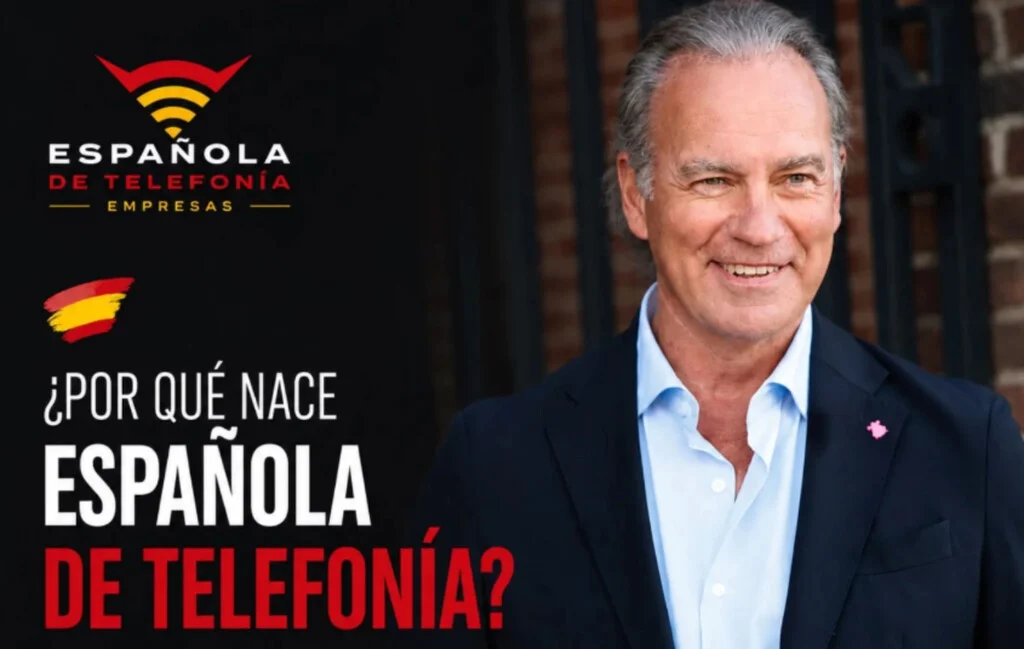

Española de Telefonía, a recently launched Mobile Virtual Network Operator (MVNO), has found its ambitious debut marred by a comprehensive legal challenge from FACUA-Consumidores en Acción. The telecommunications company, which entered the competitive Spanish market under the slogan "Las cosas bien hechas, las cosas a derechas" (Things well done, things done right) and leveraged the public persona of television presenter and singer Bertín Osborne as an endorser for its "patriotic" appeal, is now confronting a series of accusations. FACUA has formally filed multiple complaints with various regulatory bodies, asserting that Española de Telefonía commenced operations with a significant "cumulus of irregularities" that potentially infringe upon at least five distinct pieces of consumer protection, advertising, competition, and data privacy legislation. This immediate legal hurdle casts a shadow over the MVNO’s initial foray, prompting questions about its operational integrity and adherence to established market norms.
The Genesis of Controversy: Española de Telefonía’s Launch and Brand Identity
Española de Telefonía emerged onto the Spanish telecommunications landscape with a distinctive brand strategy, positioning itself as a patriotic alternative within a sector often perceived as dominated by multinational conglomerates. The choice of Bertín Osborne, a well-known public figure with a strong association with traditional Spanish values, as a prominent face for the brand was a clear signal of its intended target audience and marketing approach. The company operates on the Movistar network, a common practice for MVNOs seeking robust coverage without the substantial infrastructure investment. This model typically allows for greater flexibility in pricing and service offerings, often catering to niche markets or cost-conscious consumers. However, FACUA’s rapid intervention suggests that while the branding might be clear, the operational execution, particularly concerning consumer rights and regulatory compliance, may have fallen short.
The Spanish telecommunications market is intensely competitive, with a plethora of operators, including major players like Movistar, Vodafone, Orange, and MásMóvil, alongside a growing number of MVNOs. This environment necessitates strict adherence to regulations to ensure fair competition and protect consumer interests. New entrants, especially those leveraging a strong public identity, are often under particular scrutiny from consumer advocacy groups and competitors alike.
FACUA’s Comprehensive Denunciation: A Cascade of Allegations
FACUA-Consumidores en Acción, one of Spain’s leading consumer rights organizations, has taken swift action against Española de Telefonía, submitting detailed complaints to key oversight bodies such as the Spanish Agency for Data Protection (AEPD), the National Markets and Competition Commission (CNMC), and various regional consumer protection agencies. The core of FACUA’s denunciation revolves around alleged violations of five principal laws: the General Law for the Defense of Consumers and Users, the General Advertising Law, the Law of Unfair Competition, the General Telecommunications Law, and the Law on Information Society Services. These statutes form the bedrock of consumer protection and fair business practices in Spain, making the alleged breaches a serious matter for a new market participant. The organization has indicated that its investigation is ongoing and that further, potentially more severe, infractions could be identified as their analysis progresses.
Deceptive Advertising: The "Tarifa España" Under Fire
One of the primary accusations leveled by FACUA concerns Española de Telefonía’s marketing of its flagship basic plan, dubbed the "Tarifa España." This plan offers unlimited calls and 25 GB of data for 7.50 euros per month, which the company boldly advertises as an "unbeatable price." FACUA contends that this claim constitutes misleading advertising, directly violating the General Advertising Law (Ley 34/1988) and the Law of Unfair Competition (Ley 3/1991). The consumer organization highlights that numerous alternatives exist in the market that offer comparable or even superior services at an equal or lower price point. For instance, some established MVNOs or even promotions from larger operators frequently offer packages with similar data allowances and unlimited calls for under 7 euros, and in some cases, closer to 5 euros, depending on the specific terms and conditions.
In a market saturated with competitive mobile tariffs, a claim of an "unbeatable price" must withstand rigorous scrutiny. Consumer protection agencies view such absolute statements with skepticism, requiring robust evidence to substantiate them. Without such evidence, or if readily available alternatives prove the claim false, it can be deemed a deceptive commercial practice, potentially leading to sanctions and reputational damage. The objective of these laws is to prevent consumers from being swayed by unsubstantiated claims that may lead them to make purchasing decisions based on false premises.
Opaque Contractual Practices: Missing Consumer Safeguards
Another significant area of concern highlighted by FACUA is the alleged lack of transparency in Española de Telefonía’s contractual processes, a direct contravention of the General Law for the Defense of Consumers and Users (Real Decreto Legislativo 1/2007). According to the denunciation, the operator’s website fails to provide clear access to the full contractual terms and conditions before a user commits to a service. This omission is critical, as Spanish and EU consumer law mandates that consumers must have full access to all contractual details, including service specifics, pricing, duration, and cancellation policies, prior to entering into any agreement.
Furthermore, the company reportedly neglects to inform users about their statutory right of withdrawal, which allows consumers to cancel new contracts within 14 calendar days without penalty, particularly for services contracted remotely (online or by phone). This right is a cornerstone of consumer protection in digital commerce, providing a crucial safety net for consumers who might regret a purchase or find the service unsuitable after signing up. The absence of this information not only breaches legal requirements but also strips consumers of a fundamental safeguard, potentially trapping them in unwanted contracts.
Substandard Customer Service: The Paid Line and "Patriotic AI"
The General Telecommunications Law (Ley 11/2022) in Spain explicitly requires telecommunications operators to provide a free-of-charge customer service number for their users. FACUA alleges that Española de Telefonía fails to meet this fundamental requirement. Instead of a toll-free number, the company reportedly offers only a standard mobile number and a fixed-line number with a La Rioja prefix, both of which incur charges for the caller. This practice places an undue financial burden on customers seeking support or information, especially given that many consumers rely on free customer service lines for essential queries and problem resolution.
Adding a peculiar layer to this complaint, FACUA points out that calls to these numbers are reportedly greeted by an Artificial Intelligence (AI) system that commences the interaction with a "Viva España" (Long live Spain) salutation. While intended to reinforce the brand’s patriotic image, this detail, against the backdrop of alleged regulatory non-compliance, could be perceived as tone-deaf or even a frivolous distraction from serious operational deficiencies. The primary purpose of customer service is efficient problem-solving, not political messaging, particularly when basic legal requirements are reportedly unmet.

Data Privacy and Legal Disclosure Deficiencies
In an era of heightened awareness regarding data privacy and online security, Española de Telefonía also faces accusations related to its handling of personal information and its website’s legal disclosures. FACUA reports that the link to the company’s privacy policy on its website is non-functional, a serious technical and legal flaw. The Spanish Agency for Data Protection (AEPD) enforces stringent regulations under the General Data Protection Regulation (GDPR) and national laws, requiring clear, accessible, and functional privacy policies that inform users how their data is collected, processed, and protected. A broken link to such a crucial document represents a significant lapse in transparency and compliance.
Moreover, the website reportedly lacks a dedicated legal notice section, which is a mandatory requirement under the Law on Information Society Services (Ley 34/2002, LSSI). While the website mentions the responsible company, it omits crucial details such as its full legal name and, most notably, its registered social domicile. This information is essential for consumer identification, legal accountability, and ensuring transparency in online commercial activities. These deficiencies collectively raise concerns about the company’s commitment to data protection and its overall legal standing in the digital sphere.
The Regulatory Landscape and FACUA’s Mandate
FACUA’s role in this scenario is critical. As a non-profit consumer organization, its mandate is to defend the rights and interests of consumers against unfair or illegal practices by businesses. Its denunciations typically trigger investigations by the relevant state bodies. The AEPD, for instance, is the independent public authority responsible for ensuring compliance with data protection legislation. Its investigations can lead to substantial fines, particularly for GDPR violations. The CNMC, on the other hand, oversees competition in various markets, including telecommunications, and ensures fair practices, particularly regarding advertising and market entry. Regional consumer agencies are also empowered to impose sanctions for breaches of consumer protection laws.
The speed and detail of FACUA’s denunciation underscore the severity of the alleged breaches. In a highly regulated sector like telecommunications, new entrants are expected to navigate a complex web of legal requirements. Any perceived shortcut or oversight can quickly attract regulatory attention, especially when a brand adopts a high-profile, public-facing launch.
Broader Market Context: The Spanish MVNO Arena
The Spanish telecommunications market is one of Europe’s most dynamic and competitive, particularly within the MVNO segment. MVNOs have proliferated, offering consumers a wide array of choices and often driving down prices for basic services. This competition is generally beneficial for consumers, but it also places a premium on regulatory compliance to maintain a level playing field. The entry of Española de Telefonía, with its distinctive marketing, sought to carve out a niche, but the immediate regulatory challenges highlight the high bar for operational excellence in this sector.

In recent years, consumer complaints in the telecom sector have consistently ranked among the highest across industries, often related to billing discrepancies, contract terms, and customer service quality. This trend makes regulatory bodies and consumer organizations particularly vigilant about new operators, ensuring they do not exacerbate existing problems or introduce new ones. The integrity of contractual information, transparent pricing, and accessible customer support are foundational elements that build consumer trust, which is paramount for long-term success in any service industry.
Potential Repercussions and Future Outlook
The trajectory of Española de Telefonía now hinges on the investigations initiated by the regulatory bodies. If the allegations made by FACUA are substantiated, the company could face a range of penalties, from administrative fines to corrective measures, and potentially even legal action. Fines for breaches of consumer protection and data privacy laws can be significant, potentially running into hundreds of thousands or even millions of euros, depending on the severity and duration of the infringements. Moreover, the AEPD, for example, has the power to order companies to rectify their data processing practices and issue public warnings.
Beyond financial penalties, the reputational damage could be substantial. For a brand that explicitly champions "doing things right" and associates itself with national pride, a public finding of widespread legal irregularities could severely undermine consumer confidence and market credibility. This could make it challenging to attract new customers and retain existing ones in an already competitive environment. The company’s unique selling proposition, tied to its patriotic image, could also be compromised if it is perceived as failing to uphold basic legal and ethical standards.
As FACUA continues its analysis, the spotlight remains firmly on Española de Telefonía. The ball is now in the court of the competent authorities, who will be tasked with conducting thorough investigations and, if necessary, enforcing the full weight of the law. This case serves as a potent reminder that while innovative marketing and celebrity endorsements can capture attention, strict adherence to legal and ethical standards is non-negotiable for any entity operating in the public sphere, especially in regulated industries like telecommunications. The outcome of these investigations will not only determine the future of Española de Telefonía but also reinforce the importance of consumer protection and regulatory oversight in the Spanish market.
