
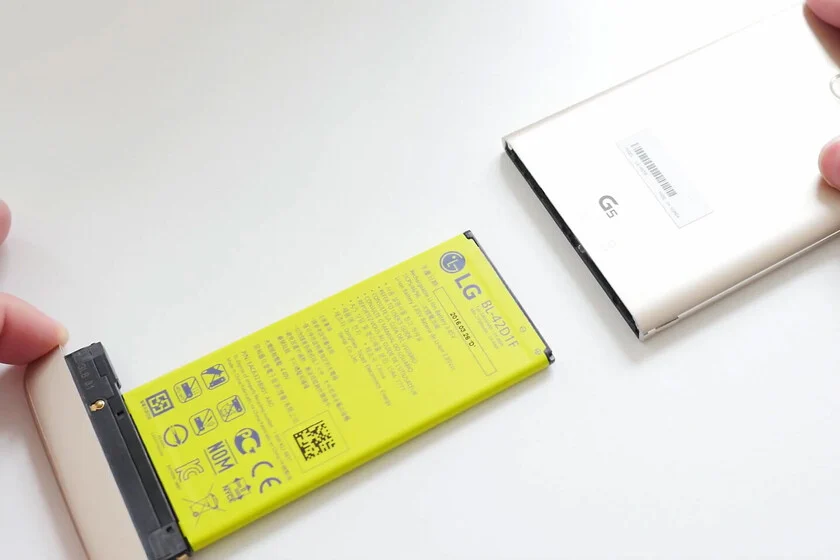

The European Union has moved decisively to address the growing issue of electronic waste and consumer frustration with device longevity, enacting a new regulation that will require all portable electronic devices, including smartphones, sold within the European market from 2027 onwards to feature user-replaceable batteries. This landmark legislation aims to empower consumers, extend product lifespans, and significantly reduce the environmental impact of electronic waste. The measure comes as a direct response to a prevalent industry practice where non-removable, often glued-in, batteries necessitate expensive professional repairs or premature device replacement, costing consumers approximately one hundred euros for a basic battery swap. However, the ambitious directive is accompanied by nuanced exemptions that could temper expectations of a widespread return to the easily swappable battery designs of the past.
The Genesis of the "Right to Repair" Movement and EU Action
For years, consumers have expressed increasing dissatisfaction with the planned obsolescence built into many modern electronic devices. Smartphones, in particular, have become symbols of this trend, with sealed designs and integrated batteries that degrade over time, leading to reduced performance and battery life. When a smartphone’s battery capacity dips significantly, often after just two to three years of use, users are faced with limited options: either pay a substantial fee for a professional repair, which can sometimes approach the cost of a new budget device, or purchase an entirely new phone. This cycle contributes massively to electronic waste (e-waste), a rapidly growing environmental crisis.
The European Union, under its broader "European Green Deal" initiative, has positioned itself at the forefront of the global "Right to Repair" movement. This movement advocates for consumers’ ability to repair their own products, or have them repaired by independent shops, rather than being forced into manufacturer-controlled repair ecosystems or new purchases. The new EU Battery Regulation (Regulation (EU) 2023/1542), formally adopted in July 2023, is a cornerstone of this strategy. It sets comprehensive requirements for the entire life cycle of batteries, from design and production to reuse and recycling, with a clear emphasis on sustainability and circularity.
The specific provision for user-replaceable batteries by 2027 is a critical component of this regulation for portable electronics. It mandates that batteries in such devices must be "readily removable and replaceable by the end-user" throughout the product’s lifetime. Furthermore, the regulation explicitly prohibits the use of strong adhesives and software barriers that hinder battery replacement. Manufacturers will also be required to make spare parts, including batteries, available for at least five years after the product’s market launch.
The Vision of the LG G5: A Glimpse into a Modular Future That Never Was
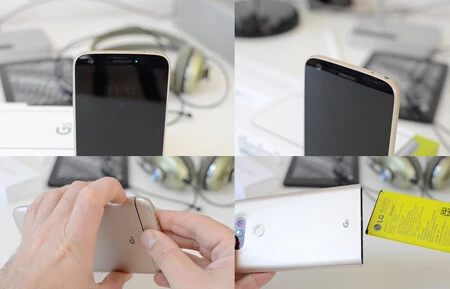
When envisioning the future of user-replaceable batteries, many tech enthusiasts and industry observers harken back to devices like the LG G5, launched in 2016. The LG G5 was a groundbreaking, albeit commercially unsuccessful, smartphone that offered a truly modular design. Its innovative "Magic Slot" allowed the bottom chin of the phone, along with the battery, to slide out, enabling users to swap batteries in seconds. More ambitiously, it also allowed for the attachment of various "Friends" modules, such as a camera grip with physical controls or a high-fidelity audio DAC.
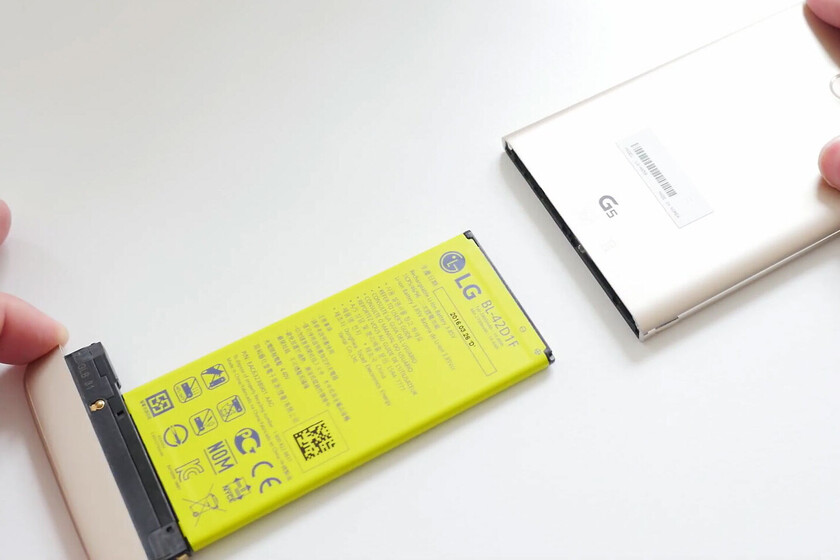
The original article highlights the LG G5 as the epitome of what Europe could be proposing. Its design facilitated effortless battery replacement, allowing a user to go from a drained device to a fully charged one in under ten seconds by simply inserting a fresh battery. This was a significant advantage that modern smartphone users have largely forgotten. The device offered an excellent build quality with a solid metal unibody construction, even with its detachable lower section.
However, the LG G5’s vision was ahead of its time and ultimately failed to resonate with the market. Despite its technical prowess, the modular concept faced several challenges. There was a noticeable, albeit slight, lack of precision in the closure mechanism, leaving a minor gap where the module met the main body. More critically, the ecosystem of compatible modules never fully materialized, limiting its appeal. LG’s inability to foster developer interest and consumer adoption meant the concept never truly "caught on," and the LG G5 became a singular experiment rather than a trendsetter. LG’s subsequent departure from the smartphone market in 2021 left many lamenting the loss of an innovative, albeit sometimes unconventional, voice in the industry.
The "Small Print" and Industry Adaptation: A Reality Check
While the EU’s intent is clear, the implementation details reveal crucial "small print" that will likely shape how manufacturers respond, potentially preventing a full return to the LG G5’s level of modularity. The regulation allows for exemptions or alternative compliance methods if certain conditions are met. A significant loophole exists for devices where batteries maintain a "health superior to 80% after 500 charge cycles."
This exemption is critical. Modern lithium-ion batteries, and especially newer silicon-carbon battery technologies that are gaining traction in high-end devices, often boast impressive longevity and can comfortably meet or exceed this 80% capacity retention after 500 charge cycles. If a manufacturer can demonstrate that their device’s battery meets this durability standard, they may not be required to implement a design that allows for easy, tool-less user replacement. Instead, they might only need to ensure that the battery can be replaced by a professional or an adequately skilled user with readily available tools, and that spare parts are supplied.
This distinction is vital. The EU is mandating user-replaceability, meaning the battery can be removed and replaced by the end-user without specialized tools, unless specific exemptions apply. The expectation, however, is that many manufacturers will opt to enhance battery longevity and maintain their existing sealed, unibody designs, which offer advantages in terms of water and dust resistance, structural rigidity, and sleek aesthetics. While strong adhesives and software locks will be prohibited, "easy" might still involve a degree of disassembly that the average user finds daunting, requiring basic tools and a careful approach, rather than the simple click-and-swap mechanism seen in older phones or the LG G5.
Implications for Consumers, Manufacturers, and the Environment
The EU’s battery regulation, even with its caveats, carries profound implications across multiple sectors.
For Consumers:
- Reduced Costs: The most immediate benefit will be lower long-term ownership costs. Users will be able to replace a degraded battery without purchasing a new device or paying exorbitant repair fees.
- Extended Device Lifespan: By facilitating battery replacement, the regulation directly addresses one of the primary drivers of premature device obsolescence, allowing consumers to keep their smartphones and other portable electronics for longer.
- Empowerment: The "Right to Repair" grants consumers greater control over their devices, fostering a sense of ownership and reducing reliance on manufacturers for basic maintenance.
- Potential Design Trade-offs: Consumers might need to accept slightly thicker devices, potentially fewer "seamless" designs, or slightly reduced water resistance if manufacturers prioritize user-replaceability over these features.
For Manufacturers:
- Design Innovation: Companies will need to innovate in design and engineering to balance user-replaceability with other desired features like thinness, water resistance, and structural integrity. This could lead to novel modular designs, albeit likely less ambitious than the LG G5.
- Shift in Business Models: Longer product lifespans could impact sales of new devices, pushing manufacturers to explore new revenue streams, such as software services, accessories, or subscriptions.
- Supply Chain Adjustments: Manufacturers will need to ensure a robust supply chain for spare batteries and potentially other components for extended periods (at least five years).
- Compliance Costs: R&D for compliant designs and establishing spare part availability will incur costs, which might initially be passed on to consumers.
For the Environment:
- Reduced E-Waste: This is the primary environmental goal. Extending the life of devices directly translates to fewer discarded electronics. E-waste is the fastest-growing waste stream globally, with the UN estimating around 53.6 million metric tons generated in 2019, only 17.4% of which was formally collected and recycled. Europe alone generated over 12 million tons in 2021.
- Resource Conservation: Manufacturing new devices requires significant raw materials, many of which are finite and environmentally costly to extract. Longer-lasting devices reduce the demand for these resources.
- Improved Recycling: The regulation also sets targets for battery collection and recycling, and mandates minimum levels of recycled content in new batteries, further closing the loop on material usage.
A Phased Timeline for Implementation
The journey to user-replaceable batteries has been part of a broader legislative effort:
- 2020: The European Commission announced its Circular Economy Action Plan, including initiatives related to product sustainability and the "Right to Repair."
- December 2020: The Commission presented its proposal for a new EU Battery Regulation, building on existing directives.
- December 2022: The European Parliament and Council reached a provisional agreement on the new regulation.
- July 2023: The EU Battery Regulation (Regulation (EU) 2023/1542) was formally adopted and entered into force.
- August 2024: Many provisions of the regulation, including those for battery collection and recycling targets, begin to apply.
- August 2027: The key deadline for the requirement for portable batteries in appliances to be readily removable and replaceable by the end-user comes into effect.
The Road Ahead: Adaptation, Not Revolution
Ultimately, the EU’s mandate for user-replaceable batteries by 2027 represents a significant victory for consumer rights and environmental sustainability. It is a powerful signal that the era of planned obsolescence and disposable electronics is gradually coming to an end in Europe. While the "small print" related to battery longevity might prevent a full-scale return to the LG G5’s intuitive modularity for all devices, it will undeniably push manufacturers towards designs that are more repairable and sustainable.
The industry will likely adapt by focusing on designs that, while not necessarily "tool-less," are far easier to disassemble for battery replacement than current models, perhaps utilizing standard screws or simpler clips instead of copious amounts of industrial-strength adhesive. The emphasis will be on providing access for repair, ensuring spare parts, and potentially improving battery longevity to meet exemption criteria. This pragmatic approach aims to achieve the environmental and consumer benefits of longer-lasting devices without completely sacrificing the aesthetic and functional advancements that modern unibody designs offer. The landscape of portable electronics is set for a substantial, if not revolutionary, transformation, prioritizing durability and repairability in the heart of the European market.
