
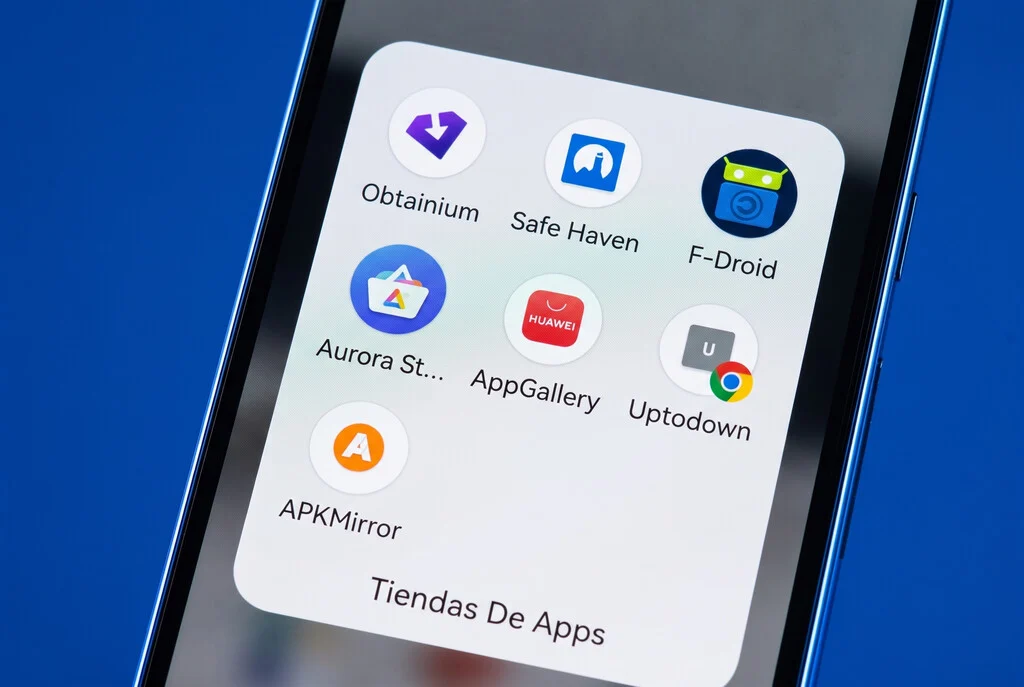

Android, long celebrated for its open-source foundation, stands apart from its primary competitor, iOS, by offering users unparalleled freedom in application acquisition. While recent regulatory shifts in regions like Europe have begun to introduce alternative app distribution channels for iOS, Android has inherently allowed users to transcend the confines of a single official marketplace. This fundamental characteristic means that Android device owners are not exclusively tethered to the Google Play Store for downloading applications. The capability to install applications in APK (Android Package Kit) format from various sources, including web browsers, file explorers, and a burgeoning landscape of third-party app stores, empowers users with choice and flexibility.
The Android Advantage: A Legacy of Openness
From its inception, Android was engineered with an ethos of openness and customization, a stark contrast to Apple’s more tightly controlled ecosystem. This philosophical difference manifests most clearly in how applications are distributed and installed. Unlike the singular, curated App Store on iOS (prior to recent European mandates), Android has always supported "sideloading"—the process of installing apps from sources other than the official Google Play Store. This feature, enabled by simply toggling an "Install unknown apps" setting, has been a cornerstone of Android’s appeal to users seeking greater control over their devices and developers desiring alternative distribution channels.
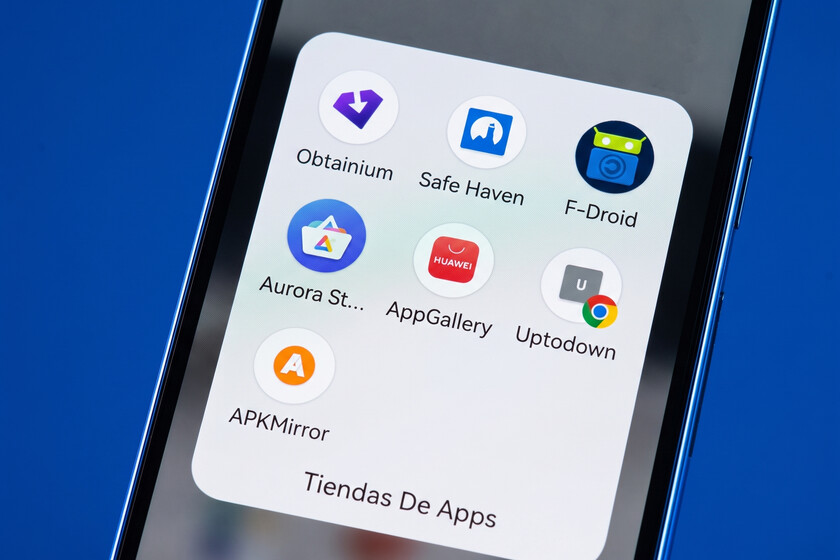
The APK format itself is central to this flexibility. An APK file is essentially a package file format used by the Android operating system for the distribution and installation of mobile apps. Just as Microsoft Windows uses .exe files for installing software, Android uses APKs. This standard format allows any Android device to install an application, provided it meets the device’s compatibility requirements and the user grants the necessary permissions. This contrasts sharply with the proprietary app package formats and distribution mechanisms enforced by Apple, which historically required apps to be signed and distributed exclusively through the App Store.
The historical timeline of Android’s app distribution reflects a gradual expansion of options. Initially, the Android Market (later rebranded as Google Play Store) was the primary hub. However, almost concurrently, third-party repositories and forums emerged, offering APKs for various applications, including those not available on the official store, region-locked apps, or older versions. This inherent openness fostered a vibrant community of independent developers and users who valued freedom and experimentation, albeit with an accompanying responsibility for security vigilance. Google, while promoting its Play Store, has largely maintained support for sideloading, acknowledging its role in the broader Android ecosystem, even as it periodically introduces measures aimed at enhancing security for such installations.
The Rise of Alternative App Stores: Diversifying the Ecosystem
The motivations behind seeking alternatives to the Google Play Store are multifaceted. For users, it can be about accessing region-restricted content, finding apps that have been removed from the Play Store, or simply preferring stores that align with specific values like open-source software or enhanced privacy. For developers, alternative stores can offer different revenue models, lower commission rates compared to Google’s standard 15-30%, or access to specific niche audiences. Furthermore, major device manufacturers, keen to differentiate their offerings and exert more control over their software ecosystem, have developed their own app stores. Prominent examples include the Samsung Galaxy Store, pre-installed on Samsung Galaxy devices, and the Huawei AppGallery, which gained significant prominence following U.S. sanctions that restricted Huawei’s access to Google Mobile Services (GMS), including the Play Store.
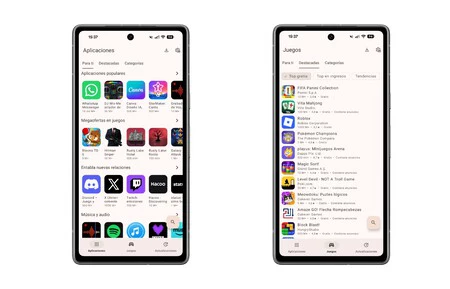
The global app market is a colossal industry, with Android holding a dominant market share of over 70% worldwide, translating to billions of active devices. While the Google Play Store boasts millions of applications, the collective reach and specialized offerings of alternative stores represent a significant segment of the digital economy. The recent regulatory landscape, particularly the European Union’s Digital Markets Act (DMA), further underscores the growing global demand for diverse app distribution. While the DMA primarily targets "gatekeepers" like Apple to open their platforms, it inadvertently validates Android’s long-standing open approach, highlighting a global trend towards greater platform interoperability and user choice. This broader context makes the exploration of Android’s alternative app stores not just a niche interest but a reflection of evolving digital rights and market dynamics.
Leading Alternatives to Google Play Store: A Detailed Overview
The ecosystem of Android app stores and repositories beyond Google Play is rich and varied, each offering unique features and catering to different user needs. Below, we delve into some of the most prominent and reputable alternatives.
Aurora Store
Aurora Store stands out as a robust, open-source client for the Google Play Store, effectively allowing users to access its vast catalog without directly interacting with Google’s services or even having a Google account. This distinction is crucial for users prioritizing privacy or operating "de-Googled" Android devices. Its user interface is meticulously designed, offering a clean and intuitive experience that mirrors the official Play Store’s aesthetic.
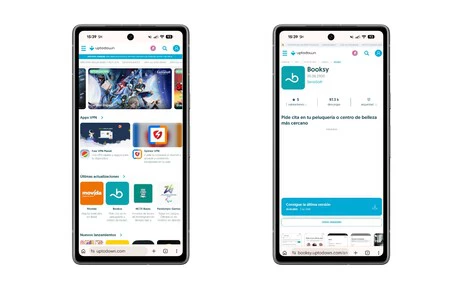
What makes Aurora Store particularly powerful is its sophisticated search and filtering capabilities. Users can effortlessly sort applications by various criteria, including download count, user ratings, presence of advertisements, or in-app purchases. Crucially, it provides an option to filter apps based on their dependency on Google Play Services (GMS). This feature is invaluable for individuals running custom ROMs or privacy-hardened Android versions that do not include GMS, ensuring they only download applications that will function correctly on their setup. By offering anonymous login capabilities, Aurora Store further enhances user privacy, preventing personal data from being linked to app downloads. The application itself is not found on the Google Play Store (for obvious reasons) but can be securely downloaded from its official website, auroraoss.com, ensuring users get the authentic, open-source client. It represents a powerful statement about user agency and the desire for a less data-intensive app experience.
Uptodown
Originating from Málaga, Spain, Uptodown has evolved into a globally recognized platform for discovering and downloading Android applications and games. Unlike a traditional app store that pre-installs on a device, Uptodown primarily functions as a comprehensive web-based repository, offering direct downloads of APK files. This approach allows users to access a vast library of applications, including older versions, beta releases, and apps not readily available in certain regions on the Play Store.
Uptodown prides itself on providing curated content, with a team dedicated to verifying the integrity of the APKs it hosts, aiming to mitigate malware risks often associated with arbitrary third-party downloads. While its primary interface is its robust website (uptodown.com), it also offers a dedicated mobile app designed to streamline the installation and update process for APK and XAPK files. XAPK is a non-standard format that combines an APK with additional data files (OBB files) necessary for larger applications or games, which Android does not natively install in a single step. Uptodown’s installer simplifies this process, making complex installations accessible to average users. Its extensive catalog, coupled with a commitment to providing safe and verified files, has cemented Uptodown’s reputation as a reliable alternative for millions of Android users worldwide.
APKMirror
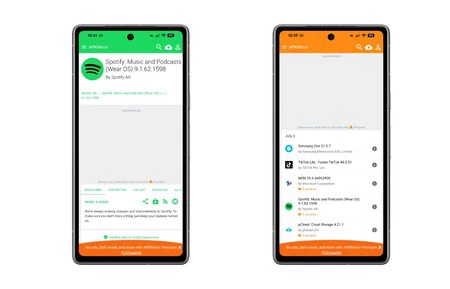
APKMirror is arguably the most popular and trusted repository for Android application packages. It operates exclusively as a web-based platform (apkmirror.com), serving as an invaluable resource for users who need to download specific versions of apps, access beta builds, or obtain updates before they roll out universally via the Play Store. It is particularly favored by tech enthusiasts and developers for its meticulous cataloging of every conceivable variant of an application, including different CPU architectures (ARM, ARM64, x86) and screen DPIs.

The strength of APKMirror lies in its rigorous verification process. All APKs uploaded to the site are cryptographically signed by their respective developers. APKMirror’s system ensures that any subsequent update for an app comes from the same developer signature, guaranteeing authenticity and preventing tampering. This stringent security measure makes it one of the safest places to download APKs outside of the Google Play Store. A minor caveat is that modern Android App Bundles (AABs), which Google encourages developers to use, often require a special installer. For these, users might need the companion APKMirror Installer app, available on the Play Store, to correctly unpack and install the various components of an AAB onto their device. Despite this additional step, APKMirror remains the go-to source for reliable and current APKs, serving a critical function in the Android enthusiast community.
F-Droid
F-Droid is a beacon for the Free and Open Source Software (FOSS) community within the Android ecosystem. It is an installable catalog of FOSS applications for the Android platform, meaning every application hosted on F-Droid is not only free to download and use but also has its source code openly available for inspection, modification, and redistribution. This transparency is a core tenet of F-Droid, offering users unparalleled insight into what an app does and how it handles data, fostering a high level of trust and privacy.
The F-Droid client app (available for download from f-droid.org) provides a user-friendly interface for browsing, installing, and updating these open-source applications. It serves as an ideal platform for discovering alternatives to proprietary apps, especially those from Google, that may collect extensive user data. F-Droid’s focus on privacy and freedom means users can find a wide array of utilities, communication tools, and productivity apps that adhere to open-source principles, often without ads or intrusive trackers. The community-driven nature of F-Droid means that app submissions are reviewed, and the platform actively promotes software that respects user rights and privacy. For those committed to ethical software and greater digital autonomy, F-Droid is an indispensable resource.
Huawei AppGallery
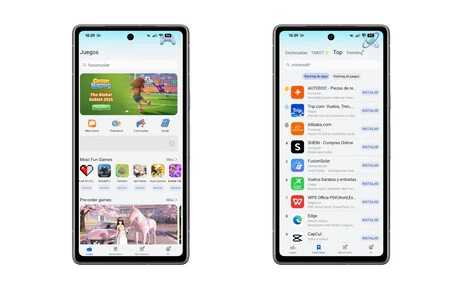
Born out of necessity following U.S. sanctions that severed Huawei’s access to Google Mobile Services, the Huawei AppGallery has rapidly evolved from a manufacturer-specific store into a significant global contender in the Android app distribution landscape. While initially pre-installed on Huawei devices, the AppGallery can now be downloaded and installed on any Android smartphone, transforming it into a general alternative marketplace.
Huawei has invested heavily in attracting developers and expanding its app catalog, particularly in regions where its devices have a strong presence. Through various incentives, partnerships, and developer support programs, the AppGallery has seen substantial growth, hosting a wide array of popular applications and games. While it still faces challenges in bridging the gap for some Western-centric apps that rely heavily on GMS, its library continues to expand rapidly. For users of Huawei devices, it is the primary source of applications, offering exclusive content and integration with Huawei’s own ecosystem. For other Android users, it represents a viable alternative, particularly for accessing apps optimized for Huawei’s hardware or for exploring a different curated selection. The AppGallery’s journey is a compelling case study in building a robust app ecosystem from the ground up under challenging circumstances, showcasing the potential for diverse app distribution models. Users can download the installer directly from Huawei’s official mobile services website.
Safehaven
Safehaven emerges as a distribution platform for Android applications built on the principles of radical transparency and verifiable software provenance. In an era where the Free and Open Source Software (FOSS) community expresses increasing concern over Google’s potential future restrictions on sideloading—such as proposed developer verification mandates and even waiting periods for APK installations—Safehaven offers a proactive solution. It aims to ensure users can definitively trust the origin and integrity of the software they install.
The platform achieves this by directly linking applications to their original source code repositories (e.g., GitHub, GitLab) and implementing a stringent developer verification process. This involves developers embedding a specific file during their app’s configuration, which Safehaven then uses to confirm ownership and authenticity. Furthermore, Safehaven incorporates robust malware scanning capabilities, actively working to keep applications laden with excessive ads, trackers, or malicious code off its platform. While still in active development, Safehaven represents a significant step towards a more secure and transparent alternative app distribution model, particularly appealing to users and developers who prioritize verifiable trust and open-source principles. Its emergence highlights a growing demand for platforms that prioritize user security and developer accountability in the face of evolving digital regulations and platform controls.
Obtainium
Obtainium is less a traditional app store and more a specialized tool designed to streamline the process of installing and updating applications directly from their original release repositories. It mirrors some of Safehaven’s underlying philosophy but focuses on automating the update process for apps sourced from various open-source platforms and even third-party stores. Obtainium supports a wide range of sources, including popular code hosting services like GitHub and GitLab, F-Droid repositories, and even commercial third-party platforms such as Uptodown and APKPure, as well as Huawei AppGallery. Its core utility lies in centralizing the management of these diverse app sources into a single, convenient interface.
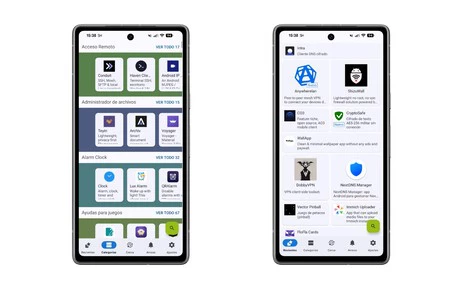
For users who frequently download apps from open-source projects or alternative stores, Obtainium eliminates the manual effort of checking for updates across multiple websites or platforms. It intelligently monitors these repositories for new releases and notifies the user, allowing for one-click updates. However, its method of operation, which often involves "web scraping" to detect updates from non-standardized pages, presents certain limitations. Changes in a website’s design, regional blocking, or server request limits can sometimes disrupt Obtainium’s ability to detect or download updates. Despite these technical nuances, Obtainium provides an invaluable service for managing a diverse collection of applications outside the Google Play Store, embodying the spirit of Android’s open ecosystem by empowering users with greater control over their app lifecycle.
The Shifting Landscape: Google’s Stance and Future Implications
The existence and growth of these alternative app stores and distribution methods highlight a fundamental tension within the Android ecosystem. While Google has historically championed the open nature of Android, its increasing focus on security and ecosystem control has led to discussions and proposals that could potentially impact sideloading freedom. Google’s stated goal is to protect users from malware and ensure a consistent, secure experience. However, some measures, such as proposed "developer verification" requirements for sideloaded apps or mandatory waiting periods before installing APKs, have been met with skepticism by the FOSS community and privacy advocates. These groups argue that such measures could undermine Android’s core advantage of openness, potentially mimicking the more restrictive models seen elsewhere.
The broader implication of Google’s evolving stance is a delicate balancing act between security, control, and user freedom. A more restrictive environment could simplify security management for Google but might stifle innovation, reduce user choice, and empower Google with even greater control over app distribution. Conversely, a fully open model, while maximizing freedom, places a greater burden of responsibility on users to ensure the safety of the apps they install. The ongoing dialogue between platform providers, developers, and users, further influenced by global regulatory bodies pushing for more open digital markets, will ultimately shape the future of app distribution on Android.
Conclusion: Navigating the Diverse Android App Landscape
The Android operating system continues to stand as a testament to openness and user choice in the mobile world. While the Google Play Store remains the dominant channel for app distribution, a rich and diverse ecosystem of alternative stores and repositories offers users unparalleled flexibility. From privacy-focused open-source platforms like F-Droid and Aurora Store to comprehensive general repositories like Uptodown and APKMirror, and manufacturer-driven initiatives like Huawei AppGallery, the options are plentiful. Newer platforms like Safehaven and tools like Obtainium further refine the experience, emphasizing transparency, security, and user control.
This multifaceted app landscape empowers users to tailor their device experience precisely to their needs, whether that means prioritizing privacy, accessing niche applications, or simply exploring beyond the mainstream. However, with greater freedom comes increased responsibility. Users engaging with alternative app sources must exercise vigilance, ensuring they download applications from reputable platforms and understand the permissions they grant. As the digital world continues to evolve and regulatory pressures push for greater openness across all platforms, Android’s long-standing commitment to a diverse app ecosystem positions it uniquely to adapt and thrive, continuing to offer a spectrum of choices that define its distinctive identity.
