
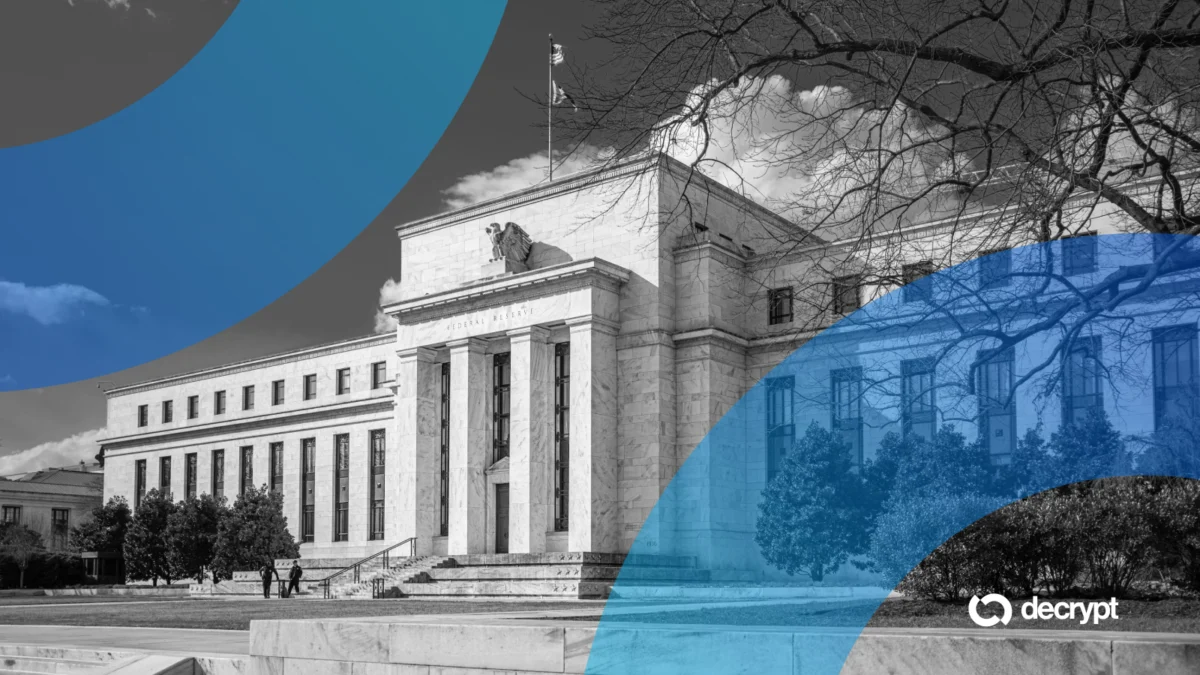

Kevin Warsh, President Donald Trump’s nominee to lead the Federal Reserve, has revealed a personal fortune valued at well over $100 million, a substantial portion of which is invested in cryptocurrency ventures and a wide array of other nascent technology startups. The disclosure, made as part of the mandatory Senate confirmation process, paints a detailed picture of Warsh’s extensive financial holdings, including a single investment fund valued at $100 million and numerous other income streams derived from his deep ties to Wall Street and the broader financial landscape.
Warsh, a former governor of the Federal Reserve, previously played a pivotal role during the tumultuous period following the 2008 financial crisis, notably contributing to the historic bank bailouts. His current investment portfolio reflects a significant diversification beyond traditional finance, encompassing a broad spectrum of emerging technologies, with a notable emphasis on the rapidly evolving cryptocurrency and blockchain sectors. This extensive financial footprint is now under scrutiny as his nomination progresses, raising questions about potential conflicts of interest and his ability to maintain impartiality in setting monetary policy.
A Deep Dive into Warsh’s Financial Portfolio
The detailed financial disclosure filed by Kevin Warsh offers an unprecedented look into the wealth accumulated by a potential central bank leader. Beyond the substantial $100 million held in a single investment fund, Warsh’s investments span a diverse range of asset classes and industries. His engagement with the cryptocurrency ecosystem is particularly noteworthy, with holdings in several prominent projects and companies.
Among the specific crypto-related investments highlighted in the filing are:
- Solana (SOL): A high-performance blockchain platform designed for decentralized applications (dApps), known for its scalability and speed. Solana has emerged as a significant player in the decentralized finance (DeFi) and non-fungible token (NFT) spaces.
- Blast (BLAST): An Ethereum Layer-2 scaling solution that aims to enhance scalability and introduce native yield generation for users holding Ether and stablecoins within its ecosystem.
- Optimism (OP): Another prominent Ethereum Layer-2 scaling solution that utilizes optimistic rollups to improve transaction throughput and reduce gas fees on the Ethereum network.
- dYdX (DYDX): A decentralized exchange (DEX) protocol focused on perpetual futures trading, built on Ethereum and offering advanced trading functionalities within the DeFi space.
- Dapper Labs: The company behind popular NFT projects like NBA Top Shot and CryptoKitties, Dapper Labs has been a key innovator in bringing digital collectibles to a mainstream audience.
- Polychain: A prominent cryptocurrency venture capital firm that invests in a wide range of blockchain and digital asset projects, acting as a significant allocator of capital within the crypto industry.
- Flashnet: Identified as a Bitcoin trading platform, suggesting an interest in the primary digital asset and its associated trading infrastructure.
- Tenderly: Described as an Ethereum developer platform, indicating an investment in the tools and infrastructure supporting the development of decentralized applications on Ethereum.
- DeSo: An on-chain social media startup aiming to build a decentralized social network, reflecting an interest in the intersection of blockchain technology and social media.
Beyond the crypto realm, Warsh’s portfolio extends to a variety of cutting-edge technology ventures. These include investments in companies poised to disrupt their respective industries:
- Contraline: Focused on developing a "reversible male contraceptive solution," this investment signals an interest in the burgeoning field of biotech and reproductive health innovation.
- Cionic: This company is developing "bionic movement-enhancing wearable clothing," suggesting a focus on assistive technologies and wearable health solutions.
- Arc Boats: An electric boating company, reflecting an investment in sustainable transportation and the growing market for eco-friendly recreational vehicles.
Furthermore, Warsh has demonstrated a clear appetite for artificial intelligence (AI) and space exploration:
- AI-Focused Companies: The disclosure indicates a diversified exposure to companies operating within the artificial intelligence sector, a field experiencing rapid advancements and significant investment.
- Polymarket: A prediction market platform fueled by cryptocurrency, allowing users to bet on the outcomes of real-world events, highlighting an interest in decentralized prediction markets.
- SpaceX: Elon Musk’s aerospace manufacturer and space transport services company, which is reportedly gearing up for a potential initial public offering (IPO) that could be record-breaking. This investment underscores an interest in high-growth, transformative industries.
Background and Chronology of Warsh’s Career and Nomination
Kevin Warsh’s journey to this pivotal nomination is marked by a career steeped in economic policy and financial markets. He served as a member of the Federal Reserve’s Board of Governors from 2006 to 2011, a period that included the most severe financial crisis in decades. During his tenure, he was involved in critical decisions that shaped the U.S. economic response, including the controversial bank bailouts orchestrated to prevent a systemic collapse of the financial system. His experience at the Fed provides him with an intimate understanding of the institution’s operations and the challenges it faces.
Following his departure from the Fed, Warsh transitioned to roles in the private sector, accumulating significant wealth and broadening his investment horizons. His prior experience on the Federal Reserve board and his subsequent career in finance have positioned him as a candidate with both deep theoretical knowledge and practical experience in the financial world.
The nomination process for a Federal Reserve Chair or governor is always subject to intense scrutiny. In Warsh’s case, the current political climate has introduced additional layers of complexity. President Trump has previously expressed dissatisfaction with Federal Reserve Chair Jerome Powell, whom he has publicly criticized on multiple occasions, viewing him as an impediment to his economic agenda. This dynamic has created a unique political backdrop for Warsh’s confirmation.
Timeline of Key Events:
- 2006-2011: Kevin Warsh serves as a Governor of the Federal Reserve, participating in key policy decisions during the 2008 financial crisis.
- Post-2011: Warsh transitions to private sector roles, building his wealth and investment portfolio.
- [Date of Nomination Announcement]: President Trump announces his intention to nominate Kevin Warsh to lead the Federal Reserve.
- [Date of Financial Disclosure Filing]: Warsh submits his required financial disclosure forms to the Senate.
- [Current Date]: The Senate confirmation hearings are pending, with significant political hurdles anticipated.
Analysis of Implications and Broader Context
The disclosure of Warsh’s substantial wealth and his diverse investment portfolio, particularly in the crypto and emerging tech sectors, raises several critical questions for his potential role as Federal Reserve Chair.
Potential Conflicts of Interest: The Federal Reserve is tasked with overseeing the U.S. financial system, including the regulation of banks and financial markets. A leader with significant personal investments in volatile and rapidly evolving sectors like cryptocurrency could face challenges in maintaining the appearance and reality of impartiality. Decisions regarding the regulation of digital assets, oversight of financial technology (FinTech) firms, or responses to market volatility in these sectors could be perceived as influenced by his personal financial interests.
Understanding of Emerging Technologies: On the other hand, Warsh’s investments could be seen as evidence of his understanding and foresight regarding the future of technology and finance. His exposure to blockchain, AI, and other emerging fields might equip him with a unique perspective on how these technologies will shape the economy and the role of monetary policy in navigating these changes. This could be particularly relevant as central banks globally grapple with the implications of digital currencies and the increasing digitalization of financial services.
Political Landscape and Confirmation Challenges: The nomination faces significant political headwinds. Key senators have indicated their intention to block Warsh’s confirmation until a separate criminal investigation involving sitting Fed Chair Jerome Powell is resolved. This investigation, pursued by the Trump Justice Department, has reportedly encountered setbacks but the administration appears intent on continuing its pursuit. This situation creates a complex and potentially protracted confirmation process, highlighting the intersection of political power, regulatory oversight, and personal financial dealings.
The Trump administration’s approach to the Federal Reserve has been marked by public pressure and criticism, with the President frequently advocating for lower interest rates to stimulate economic growth. The appointment of a Fed Chair who aligns with his economic philosophy is a significant priority. However, the independence of the Federal Reserve is a cornerstone of its credibility and effectiveness, and any perception of undue political influence or conflicts of interest can undermine public trust.
Economic Policy Considerations: Warsh’s background and investments suggest a potential approach to monetary policy that acknowledges the evolving technological landscape. His familiarity with cryptocurrencies and FinTech could lead to a more forward-thinking regulatory framework for these areas. However, the Federal Reserve’s primary mandates remain price stability and maximum employment. His ability to balance these core objectives with the complexities of new financial technologies will be a key determinant of his success.
The vastness of Warsh’s financial holdings also prompts reflection on wealth accumulation within the financial elite and its potential implications for public policy. While personal wealth does not inherently disqualify an individual from public service, it necessitates a rigorous examination of how such wealth is managed and how it might interact with the responsibilities of a high-level regulatory position.
As the Senate confirmation process unfolds, Warsh’s financial disclosures will undoubtedly remain a focal point of debate, providing a granular look at the assets and interests of a potential steward of the U.S. economy. The coming weeks and months will reveal whether his extensive financial portfolio will be viewed as a source of unique insight or a potential impediment to his leadership at the Federal Reserve.
