

Times change, and with them, traditions adapt. Among these, superstitions, far from disappearing, are seamlessly integrating into our digital era, manifesting in new, contemporary forms. What was once the ominous breaking of a mirror now finds a modern parallel for some in the cracked screen of a mobile phone, perceived as a harbinger of misfortune. Similarly, the serendipitous timing of a phone call from someone just contemplated can be interpreted by many as a "divine signal," echoing ancient beliefs in omens and portents. These evolving interpretations highlight a fundamental human tendency to seek meaning and control in an often unpredictable world, irrespective of technological advancement.
While these beliefs lack any scientific validation, they remain deeply embedded in our collective imagination and societal fabric. Dr. Stuart Vyse, a renowned psychologist and author of influential works such as ‘Believing in Magic: The Psychology of Superstition,’ provides critical insight into this phenomenon. According to Vyse, these seemingly irrational beliefs are, in essence, sophisticated psychological mechanisms. Our brains employ them as coping strategies, primarily to alleviate anxiety and foster a vital sense of control in situations where outcomes are uncertain. This psychological anchoring is particularly evident in high-stakes scenarios where individuals feel a diminished capacity to influence events through conventional means.
The Rise of Digital Superstitions: A New Landscape of Belief
The digital age has not only transformed communication and commerce but has also provided new canvases for the expression of ancient human tendencies, including superstition. The smartphone, an ubiquitous personal device, has become a focal point for these modern adaptations. Beyond the cracked screen analogy, anecdotal evidence and social media trends reveal a burgeoning landscape of digital superstitions. For instance, some users meticulously arrange app icons in specific patterns for good luck, or interpret software glitches as bad omens. The constant connectivity and immediate feedback loops inherent in digital interactions inadvertently create opportunities for superstitious interpretations, reinforcing the idea that technology, while rational in its design, operates within a human ecosystem that often seeks patterns and meaning beyond pure logic.
Surveys conducted in various countries consistently reveal that a significant percentage of the population, often ranging from 20% to over 50% depending on the specific questions and cultural context, admits to holding at least one superstitious belief. These beliefs cut across demographics, education levels, and socio-economic statuses, underscoring their deep-seated nature in human psychology. The persistence of these beliefs, even in an increasingly rational and scientifically advanced world, points to their fundamental role in managing psychological discomfort and providing a sense of agency.
The Laurel Leaf Ritual: A Fusion of Ancient Symbolism and Modern Tech
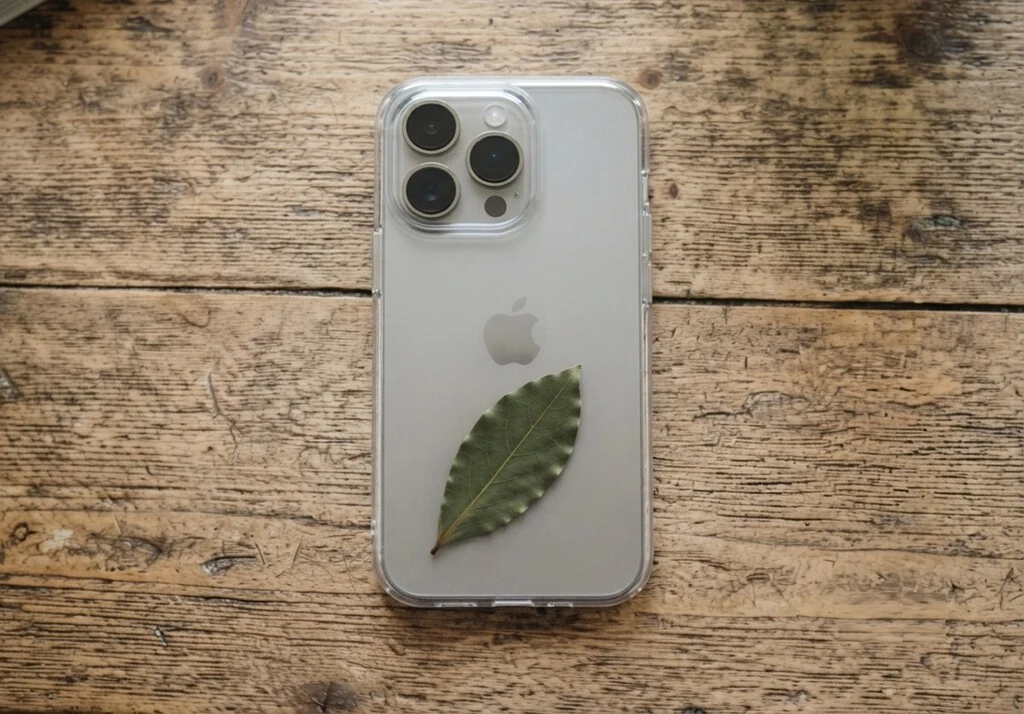
Among the more recent and visually distinct digital superstitions gaining traction, particularly across social media platforms like TikTok and Instagram, is the ritual of placing a dried laurel leaf inside a transparent smartphone case. This simple act, often shared through viral videos and tutorials, is not merely decorative; it is imbued with a specific intention: to attract wealth, prosperity, and good fortune into the life of the phone’s owner. The ritual is remarkably straightforward and inexpensive, requiring only a readily available dried laurel leaf—the same type commonly used in culinary applications. The leaf is carefully positioned between the phone itself and its protective transparent cover, where it remains visible to the user.
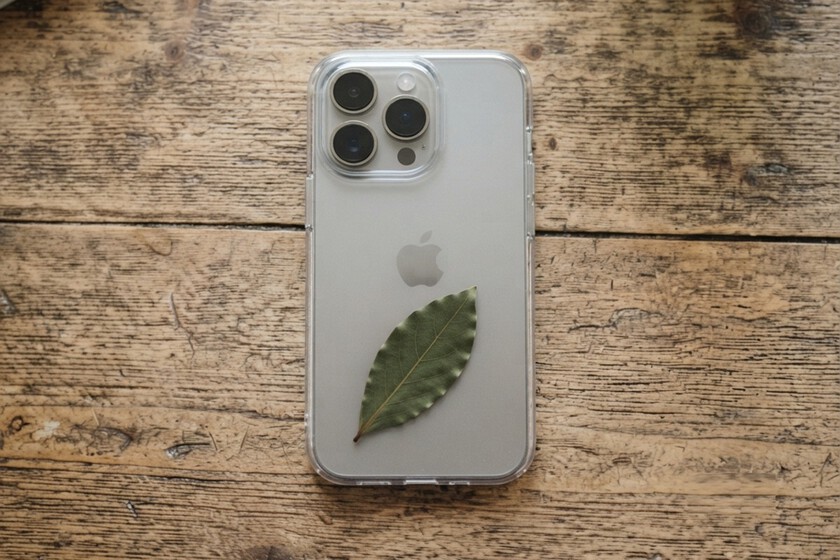
Variations of this ritual further personalize the practice. Some adherents take the additional step of writing a specific desire or financial goal on the laurel leaf before placing it in the case, believing this act amplifies its "power" and focuses the intention. The leaf is typically replaced after a period, often when it shows signs of wear, breaks, or loses its vibrant green color, symbolizing a renewal of the intention. This ritual represents a fascinating bridge between ancient folk practices and contemporary daily life, leveraging the smartphone—a device carried by most individuals at all times—as a modern-day amulet holder. Its widespread adoption through digital channels highlights how quickly traditional symbols can be recontextualized and disseminated in the interconnected global society.
Historical Roots of the Laurel: A Legacy of Victory and Prosperity
The significance of the laurel as a potent symbol of wealth, victory, power, and honor is deeply rooted in ancient mythology and historical practices, predominantly originating from the classical world of Greece and Rome. Its symbolism is far from a modern invention; rather, it carries millennia of cultural weight.
In Greek mythology, the laurel was sacred to the god Apollo. The myth tells of Apollo’s pursuit of the nymph Daphne, who transformed into a laurel tree to escape him. Grief-stricken, Apollo declared the laurel his sacred tree and fashioned a wreath from its leaves, symbolizing eternal victory and honor. This association quickly translated into human practices. During the ancient Olympic Games, victorious athletes were not awarded medals but were instead crowned with wreaths of laurel leaves, signifying their triumph and prowess. Beyond athletic achievements, laurel wreaths were also bestowed upon poets, scholars, military heroes, and emperors, marking them as figures of exceptional wisdom, artistic genius, or military success.
The Romans adopted and expanded upon this tradition. Roman generals celebrating Triumphs—grand parades commemorating military victories—would wear laurel wreaths. Emperors, too, were frequently depicted wearing laurel crowns, symbolizing their supreme authority and everlasting rule. The term "laureate," meaning to be honored or awarded, directly derives from this ancient practice, as exemplified by the Nobel Laureates of today. Even in modern Spanish, the verb "laurear" (to award or honor someone) is recognized by the Real Academia Española (RAE), preserving the linguistic echo of this profound historical connection.
Over centuries, the laurel’s symbolism evolved beyond mere victory and honor to encompass general prosperity and protection. Its perceived mystical properties led to its use in various folk rituals aimed at warding off evil, ensuring safety, and attracting good fortune, including financial abundance. This long-standing tradition of carrying laurel leaves in wallets, purses, or pockets as a personal charm makes its modern migration to the smartphone case a logical and culturally resonant adaptation. The smartphone, as the most consistently carried personal item, simply becomes the latest vessel for an ancient and enduring belief.
Beyond Superstition: The Psychological Underpinnings
Despite the rich historical tapestry and widespread appeal, it is crucial to reiterate that no scientific evidence supports the claim that a laurel leaf, or any similar amulet, can directly influence financial outcomes or bring tangible wealth. The power attributed to these objects is not derived from their inherent material properties but from the psychological frameworks within which they are embraced.

Dr. Stuart Vyse, in his extensive research on superstitions, meticulously explains that these practices are rooted in deep psychological needs rather than a magical causality. He posits that human beings, inherently seeking control and predictability, often resort to superstitious behaviors when faced with significant uncertainty or a lack of agency. "Superstitions are," Vyse explains, "a psychological response to the need for control, an attempt to achieve good outcomes or avoid bad ones." He further elaborates, "It is very rare for individuals who possess absolute control and certainty about an outcome to resort to superstition. Even if the outcome is highly important, it is only in circumstances where one cannot be sure of the result that a superstition emerges."
This analysis provides a compelling explanation for the persistence of beliefs surrounding wealth and prosperity. Financial success, perhaps more than any other life domain, is subject to myriad variables beyond individual control, including economic fluctuations, market volatility, unforeseen opportunities, and sheer chance. While hard work, strategic investments, and calculated risks are undeniably crucial, a guaranteed outcome remains elusive. It is precisely in this realm of uncertainty that the human mind seeks comfort and a perceived edge through rituals, even those without empirical backing. The laurel leaf, in this context, functions as a tangible anchor for hope, a personal charm that helps individuals manage the anxiety associated with financial insecurity.
The Placebo Effect and Social Contagion
The effectiveness of such rituals, if any, often lies in their psychological impact rather than any mystical intervention. This phenomenon is akin to the placebo effect, where a belief in the efficacy of a treatment (even an inert one) can lead to real, measurable improvements in well-being. Carrying a laurel leaf, or engaging in any similar ritual, can instill a sense of confidence, reduce anxiety, and foster a more positive mindset. This enhanced psychological state might, in turn, subtly influence an individual’s behavior, making them more proactive, persistent, or optimistic in their pursuits, which could indirectly contribute to more favorable outcomes. The belief itself, therefore, becomes a form of self-fulfilling prophecy, not through magic, but through its effect on human psychology and action.
Furthermore, the rapid dissemination of the laurel leaf ritual, and indeed many other modern superstitions, owes much to the pervasive influence of social media. Platforms that thrive on visual content and rapid trend propagation are ideal conduits for such practices. A simple, aesthetically pleasing ritual, easily replicable and shareable, can quickly go viral, creating a sense of community and shared belief among its participants. This social contagion reinforces the practice, making it feel more legitimate and widespread, further solidifying its presence in the collective consciousness. The visual appeal of a green leaf nestled in a transparent phone case, coupled with the aspirational narrative of attracting wealth, makes it a potent cultural meme in the digital age.
Conclusion: An Enduring Human Quest for Control
The phenomenon of placing laurel leaves in smartphone cases for wealth is a vivid illustration of how ancient human psychological needs adapt and manifest in contemporary society. It underscores the enduring human quest for control and certainty in an unpredictable world, a quest that transcends technological advancements and scientific understanding. While the scientific community firmly asserts the absence of any empirical basis for such rituals, their psychological utility in alleviating anxiety and fostering a sense of agency cannot be understated.
The laurel leaf, a symbol steeped in millennia of cultural significance, has found a new home in the most personal and ubiquitous device of the 21st century: the smartphone. This fusion of ancient symbolism with modern technology creates a powerful narrative of hope and empowerment for many. As long as humans face uncertainty, especially in critical domains like financial security, the allure of such psychological mechanisms, whether rooted in ancient myths or digital trends, will likely persist, continually evolving and finding new expressions in the ever-changing tapestry of human belief. The laurel leaf in the phone case serves as a poignant reminder that even in our hyper-connected, rationalized world, the human heart still seeks solace and a touch of magic.
