
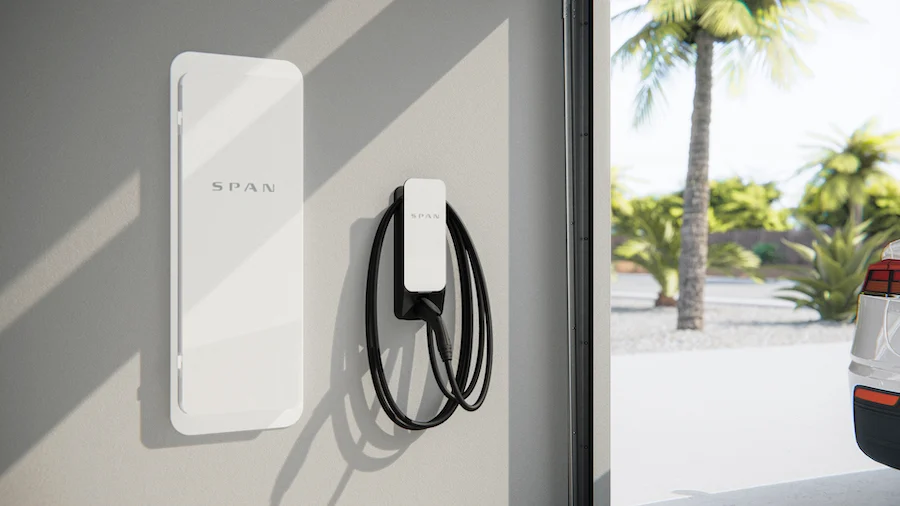

The increasing frequency and intensity of extreme weather events, coupled with a growing awareness of the vulnerabilities inherent in our existing power grids, have catalyzed a significant shift in how homeowners and utility providers perceive energy management. This evolving landscape points towards an undeniable consensus: smart homes must integrate robust smart energy management components. While currently, this often manifests as smart thermostats participating in utility demand response programs, the trajectory for the next decade suggests a more comprehensive integration. This future envisions smart breaker boxes, intelligent electric vehicle (EV) chargers, and potentially solar energy systems with advanced energy storage solutions, all orchestrated by sophisticated software. This software will act as the central nervous system, communicating with household devices and back to utility infrastructure to ensure optimal power distribution, especially during periods of peak demand or limited supply.
The ambition of constructing such an interconnected smart home energy ecosystem can appear formidable. However, a clear pathway is beginning to emerge, thanks to innovative products from industry leaders like Schneider Electric, Eaton, Leviton, Savant, and Span. These companies are developing the foundational technologies that will underpin future smart energy solutions. Furthermore, legislative efforts, such as those enacted under the Biden administration, are providing crucial financial incentives for consumers looking to upgrade their traditional electrical infrastructure to these more intelligent and responsive systems. These incentives aim to accelerate the adoption of smart home energy technologies, recognizing their potential to enhance grid resilience and promote energy efficiency.
For the average consumer, the prospect of overhauling an entire electrical system can feel considerably more daunting than the relatively straightforward task of replacing a thermostat. This raises a critical question: how can individuals begin to navigate the transition towards a smarter, more efficient energy infrastructure within their homes?
Understanding Your Existing Electrical Foundation: The Crucial First Step
The most accessible and immediate action a homeowner can take is to conduct a thorough audit of their current breaker box. This practical exercise, best undertaken with assistance, involves a systematic mapping of circuits. By enlisting a friend or family member to be on a simultaneous phone call, one person can be stationed at the breaker box to systematically flip individual switches. The other individual, moving through the house, can then identify precisely which outlets and appliances are deactivated by each circuit. This process will generate a detailed inventory, documenting the specific outlets and devices connected to each circuit.
Identifying Potential for Growth and Electrification
Maintaining this comprehensive list by the breaker box serves a dual purpose. It not only clarifies the current electrical layout but also highlights available circuits and any "headroom" – unused capacity that can accommodate future additions. This information is invaluable for homeowners considering popular electrification projects, such as installing an EV charger, a heat pump for more efficient climate control, or an induction stove. In older homes, where available headroom may be limited, these electrification aspirations might necessitate an upgrade to the home’s electrical service capacity, potentially involving an increase in amperage to the main electrical line and the breaker box itself.
While such upgrades can represent a significant financial investment, a strategic approach can mitigate some of these costs. For the more fiscally conservative homeowner, the replacement of an older, conventional breaker box with a smart equivalent offers a compelling solution. These smart breaker boxes are engineered to intelligently manage and distribute power loads. For instance, they can be programmed to prioritize charging an electric vehicle during off-peak hours, typically at night, when other high-demand appliances are not in use. This load-balancing capability can extend the operational capacity of existing electrical services, delaying or even averting the need for a costly full service upgrade. However, it’s important to acknowledge that this approach offers a partial solution and may not fully address the demands of increasingly electrified homes.
Navigating the Landscape of Smart Breaker Box Technologies
The market for smart breaker boxes is diversifying, offering various levels of functionality and control. Some devices, such as those from Sense or Emporia, are designed to be installed within existing breaker boxes. These systems excel at monitoring and reporting energy consumption data, providing homeowners with valuable insights into how their appliances are using electricity. However, they typically do not offer direct control over individual circuits. While knowing that a refrigerator consumes 500 watts daily is informative, the inability to remotely manage or cycle such appliances limits the practical application of this data for immediate energy savings or load management.

A more advanced category of smart electrical components includes smart circuits. These individual breakers possess the capability to be remotely switched on and off, granting homeowners granular control over specific loads within their electrical system. Consumers can opt for a complete smart breaker box replacement or selectively integrate a few smart circuits into their existing panel. It is important to note that many of these solutions operate on proprietary software platforms, which can sometimes limit interoperability with other smart home devices or systems. For the highly technically inclined DIY enthusiast, open-source smart home energy management solutions are also emerging, offering greater customization and flexibility.
Simulating the Future: Early Adopters and Emerging Platforms
For those seeking a tangible experience of what a more advanced smart home energy management system might feel like, platforms like SmartThings Energy offer a compelling starting point. By integrating data from smart meters and real-time electricity rates, this platform provides homeowners with visibility into the power consumption of compatible smart appliances. For households equipped with Samsung appliances, the SmartThings app allows for the activation of a "Power Savings" mode, which can contribute to modest energy efficiencies.
While these early iterations are not without their limitations, primarily stemming from the lack of standardized communication protocols between diverse appliance manufacturers and breaker box software, they represent a crucial step towards a more integrated and intelligent energy future. The ongoing development of industry standards is essential for realizing the full potential of these systems. In the interim, homeowners are encouraged to undertake their energy audits and to strategically plan for future appliance purchases, prioritizing all-electric models that incorporate energy-efficient and, ideally, smart energy management features.
Broader Implications and the Road Ahead
The convergence of smart home technology, renewable energy integration, and grid modernization is not merely a technological trend; it represents a fundamental shift in how we interact with and manage our energy consumption. The challenges posed by climate change and the increasing strain on aging power grids underscore the urgency of this transition. Smart energy management systems, encompassing everything from intelligent thermostats to sophisticated breaker boxes and integrated renewable energy sources, offer a pathway to enhanced grid stability, reduced carbon emissions, and greater energy independence for homeowners.
The legislative support and the innovation from industry players are creating an environment ripe for adoption. However, the success of this transition hinges on consumer education and accessibility. Initiatives that simplify the process of understanding and upgrading home electrical systems, coupled with clear communication about the benefits and functionalities of smart energy solutions, will be crucial.
The timeline for widespread adoption of fully integrated smart home energy management systems is still unfolding. However, the foundational elements are rapidly becoming available. The current emphasis on understanding one’s existing electrical infrastructure through audits is a practical and empowering first step. As technologies mature and standards solidify, the vision of a seamlessly managed, resilient, and sustainable home energy ecosystem will become an increasingly tangible reality. The long-term implications are significant, promising not only cost savings for consumers but also a more robust and environmentally responsible energy infrastructure for the future. This evolution signifies a proactive approach to energy challenges, transforming homes from passive consumers into active participants in a more intelligent and sustainable energy landscape.
