

Amazon Web Services (AWS) has officially announced the general availability of OpenClaw on Amazon Lightsail, marking a significant step forward in making autonomous private AI agents more accessible to a broader user base. This integration simplifies the deployment of OpenClaw instances, enabling users to launch a pre-configured AI assistant directly from their browser, equipped with powerful AI capabilities powered by Amazon Bedrock, and optionally connected to various messaging channels. The move addresses a growing demand for self-hosted, secure, and customizable AI solutions, streamlining a process that was previously complex and fraught with security considerations for many users.
The Rise of Autonomous Private AI Agents
OpenClaw is an innovative open-source project designed as a self-hosted autonomous private AI agent. Unlike traditional chatbots that primarily answer questions, OpenClaw functions as a comprehensive personal digital assistant capable of performing a wide array of tasks directly on a user’s computer or server. Its core functionality extends to managing emails, browsing the web, and organizing files, among other sophisticated operations. The "private" aspect is crucial; by running directly on a user’s own infrastructure, OpenClaw offers enhanced data privacy and control, a paramount concern in an era where AI interactions often involve sensitive personal or proprietary information. This architecture ensures that user data processed by the AI agent remains within their control, rather than being transmitted to third-party cloud services for processing, offering a significant advantage for individuals and organizations prioritizing data sovereignty.

The concept of an autonomous agent represents a paradigm shift from reactive AI to proactive, goal-oriented systems. These agents can interpret complex instructions, break them down into sub-tasks, execute them sequentially, and even learn from interactions to improve future performance. For instance, an OpenClaw agent could be tasked with "researching competitor pricing for product X, summarizing findings, and drafting an email to the sales team," autonomously performing web searches, data extraction, synthesis, and email composition. This level of automation promises to free up significant human capital, allowing individuals and teams to focus on higher-value, strategic work.
Addressing Deployment Challenges: The Lightsail Advantage
Prior to this announcement, AWS customers interested in leveraging OpenClaw often faced considerable hurdles. Enthusiasts and early adopters explored running OpenClaw on Amazon EC2 instances or even directly on their home devices. While technically feasible, these approaches presented significant challenges. Installing OpenClaw directly on a personal computer demanded a deep understanding of system configurations, dependencies, and network security. Manual setup was often cumbersome, time-consuming, and prone to errors, particularly for users less familiar with intricate command-line operations or server management.
Moreover, security considerations were paramount. Running a powerful, network-connected AI agent on a personal device introduced potential vulnerabilities if not configured correctly. EC2 instances offered more flexibility and scalability but still required users to manage the underlying operating system, apply security patches, and configure networking and access controls—tasks that could be overwhelming for those without specialized cloud infrastructure expertise. The original blog post author explicitly noted their personal experience: "As someone who has experienced installing OpenClaw directly on my home device, I learned that this is not easy and that there are many security considerations."

Amazon Lightsail emerges as the ideal solution to these complexities. Designed for simplicity and ease of use, Lightsail provides developers, small businesses, and students with an accessible way to launch and manage virtual private servers (VPS), databases, storage, and networking resources without the steep learning curve associated with more complex cloud services. By offering OpenClaw as a pre-configured blueprint on Lightsail, AWS has dramatically lowered the barrier to entry. Users can now deploy a fully functional OpenClaw instance with just a few clicks, abstracting away the underlying infrastructure management and security configurations. This strategic integration democratizes access to sophisticated AI agents, making them available to a much wider audience, including those who may not have extensive experience in cloud computing or system administration. The recommended 4 GB memory plan for optimal performance highlights Lightsail’s capability to host resource-intensive applications efficiently, balancing performance with ease of use and cost-effectiveness.
Powering Intelligence with Amazon Bedrock
A cornerstone of the OpenClaw on Lightsail offering is its seamless integration with Amazon Bedrock, which is set as the default AI model provider. Amazon Bedrock is a fully managed service that offers a choice of high-performing foundation models (FMs) from leading AI companies and Amazon, accessible via a single API. This service empowers developers to build and scale generative AI applications with security, privacy, and responsible AI capabilities. By leveraging Bedrock, OpenClaw instances benefit from state-of-the-art AI capabilities without requiring users to manage complex model deployments or updates.
The decision to make Amazon Bedrock the default AI model provider is strategic. It ensures that OpenClaw users have immediate access to powerful, enterprise-grade generative AI models, allowing their digital assistants to understand complex queries, generate coherent responses, and execute tasks with high accuracy and relevance from day one. Users do not need any additional configuration to connect to Bedrock once the Lightsail instance is set up, significantly simplifying the process of enabling AI functionalities. This partnership highlights AWS’s commitment to providing a comprehensive AI ecosystem, where foundational models are easily accessible and integratable into various applications and services, further accelerating innovation across industries. The choice of Bedrock also offers future flexibility, as users can potentially swap or fine-tune models within the Bedrock ecosystem as their needs evolve, or as new, more capable models become available. This foresight ensures that OpenClaw deployments remain cutting-edge without requiring extensive re-architecting.
A Streamlined Deployment Experience
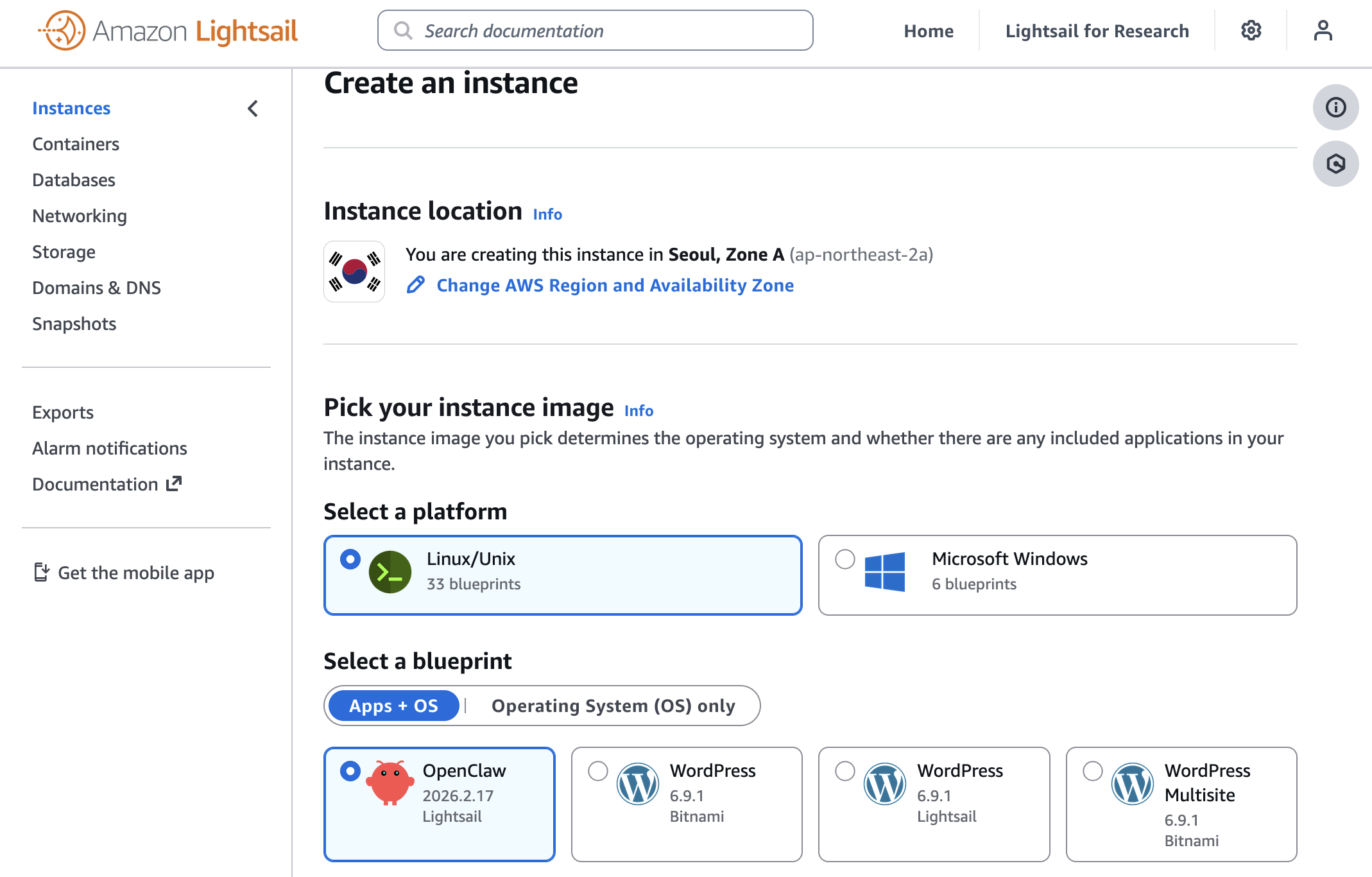
The process of launching OpenClaw on Amazon Lightsail is remarkably straightforward, designed to minimize friction and accelerate time to value. Users begin by navigating to the Amazon Lightsail console and selecting "Create instance" within the Instances section. After specifying their preferred AWS Region and Availability Zone, along with the Linux/Unix platform, the critical step involves choosing "OpenClaw" under the "Select a blueprint" option. This blueprint encapsulates all the necessary software, configurations, and dependencies required for OpenClaw to run optimally.
Following the blueprint selection, users choose an instance plan—with a 4 GB memory plan recommended for optimal performance, balancing cost and efficiency—and assign a name to their instance. Upon initiating the creation, the instance typically enters a "Running" state within minutes, reflecting Lightsail’s rapid provisioning capabilities.
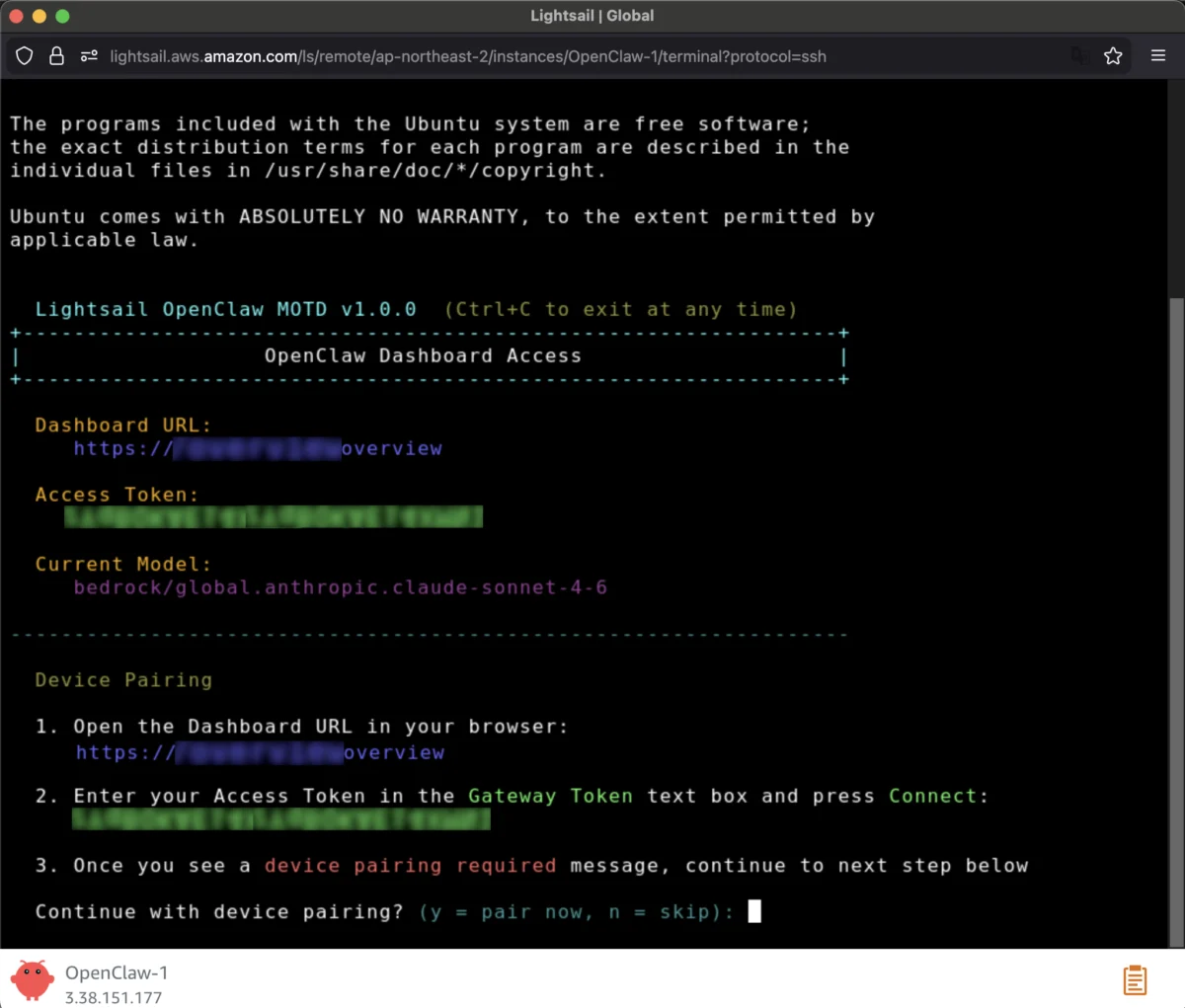
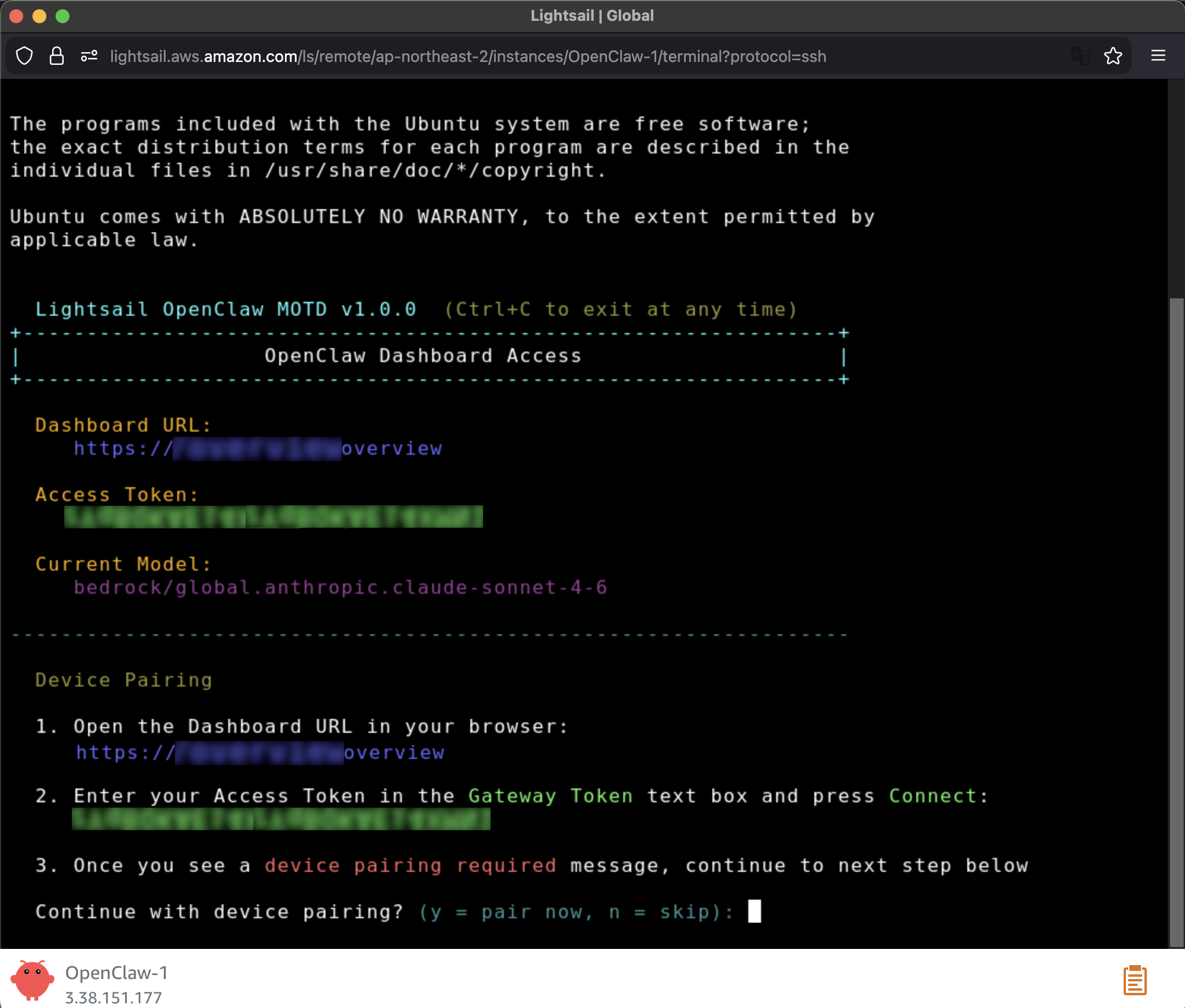
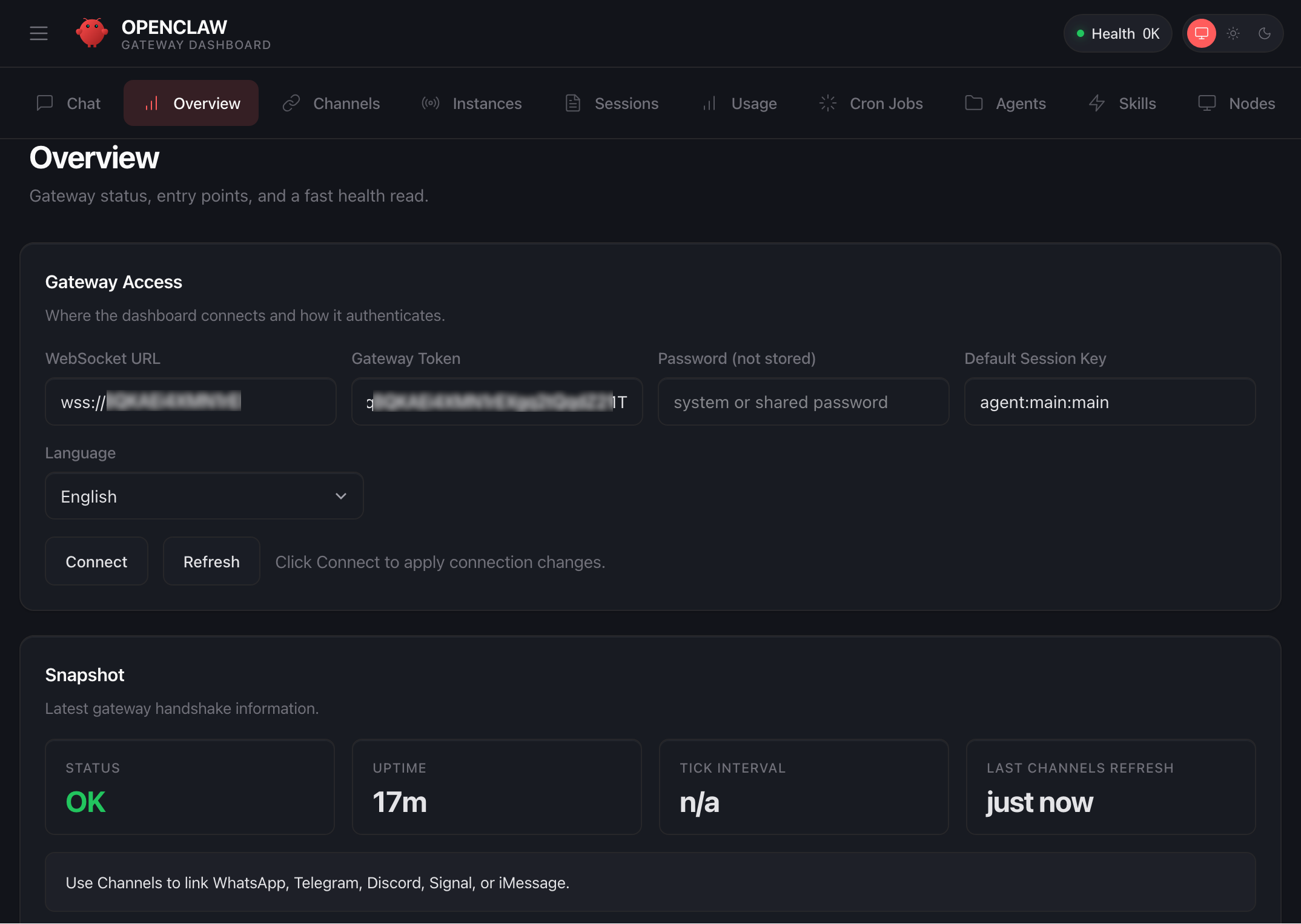
A crucial security measure involves pairing the user’s browser with the OpenClaw instance. This establishes a secure connection between the browser session and the running OpenClaw application. Users achieve this by accessing the "Connect using SSH" option in the "Getting started" tab. A browser-based SSH terminal then opens, displaying vital security credentials and the dashboard URL in its welcome message. Users copy these credentials, paste the access token into the Gateway Token field within the OpenClaw dashboard opened in a new browser tab, and confirm the pairing in the SSH terminal. This multi-factor authentication-like process ensures that only authorized browsers can interact with the private AI agent, reinforcing the security posture of the self-hosted solution.
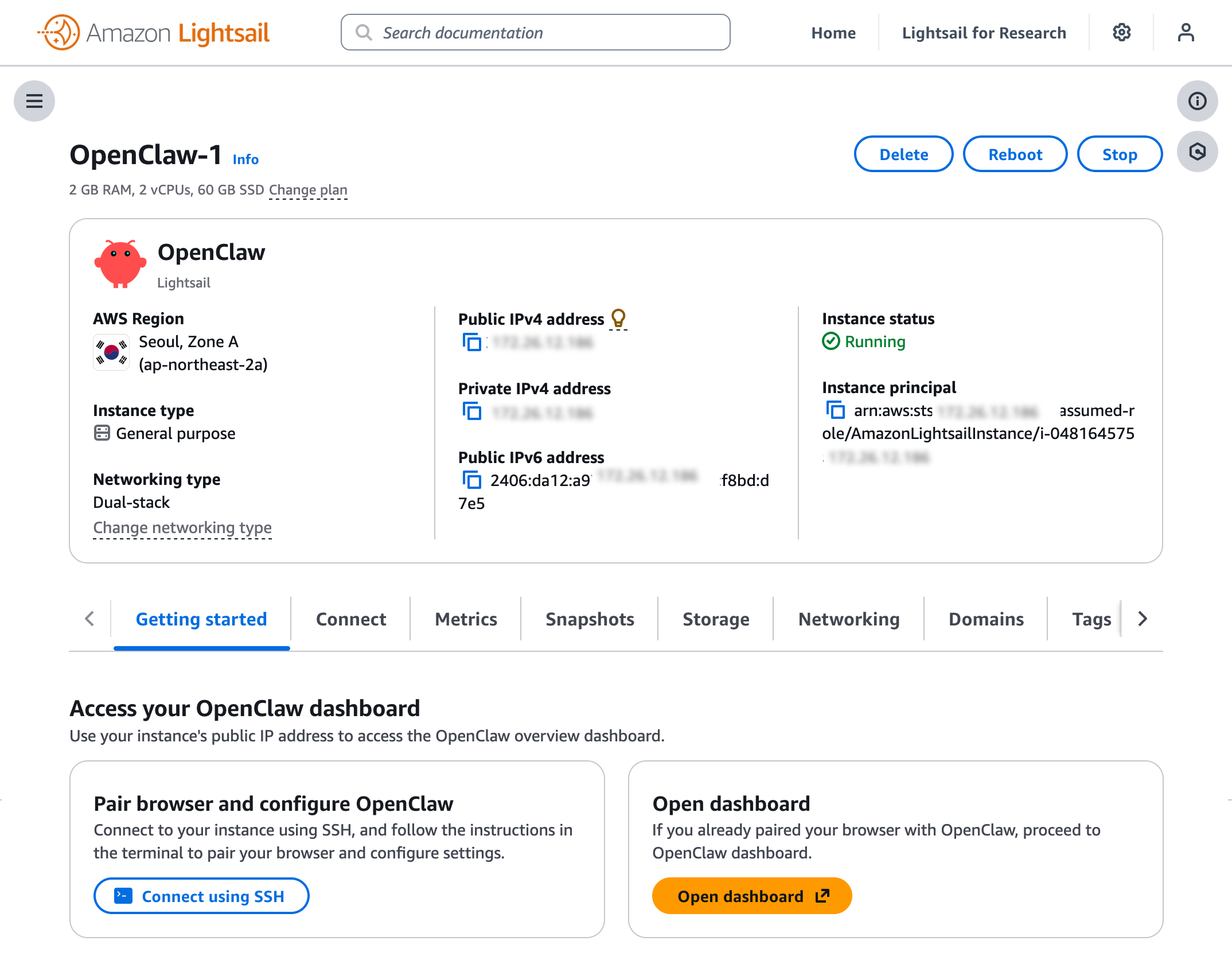
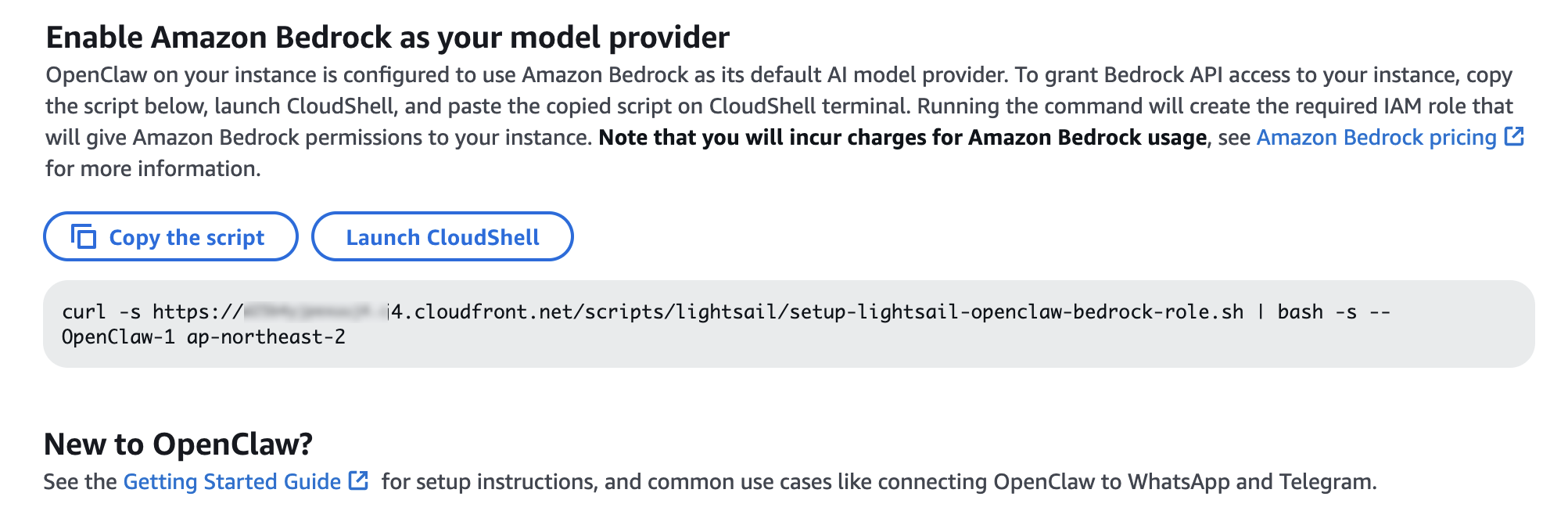
Finally, to activate the AI assistant’s full capabilities via Amazon Bedrock, users must enable Bedrock API access. This is done by copying a provided script from the "Getting started" tab and executing it within the AWS CloudShell terminal. AWS CloudShell provides a browser-based shell that simplifies managing AWS resources, eliminating the need for local client installations. Once the script completes, the OpenClaw dashboard’s "Chat" section becomes fully operational, allowing users to immediately begin interacting with their AI assistant. This entire process, from instance creation to full AI functionality, is designed to be completed in a matter of minutes, a stark contrast to the hours or days often required for manual installations.
Expanding Horizons: Real-World Applications and Connectivity
The utility of OpenClaw on Lightsail extends far beyond simple conversational AI. Its design as an autonomous agent allows it to perform complex, multi-step tasks that traditionally require human intervention. For businesses, this could mean an AI agent autonomously processing customer inquiries from various messaging platforms, extracting key information, updating CRM systems, and even drafting personalized responses. For individual professionals, OpenClaw could manage calendars, summarize lengthy documents, monitor specific news feeds, and proactively alert them to relevant developments.
A key feature highlighted in the announcement is the ability to connect OpenClaw to popular messaging apps like WhatsApp, Discord, or Telegram. This integration allows users to interact with their AI assistant directly from their preferred communication channels, turning their phone or messaging client into a control center for their autonomous agent. Imagine dictating a task like "Find me the best flight deals to Tokyo next month and send me the top three options" via WhatsApp, and receiving a curated list back, all processed by your private OpenClaw instance. This level of pervasive connectivity elevates the AI assistant from a desktop utility to an ever-present, context-aware companion. The Amazon Lightsail User Guide provides detailed instructions on how to set up these messaging integrations, offering comprehensive resources for users to maximize their OpenClaw deployments.
Security, Privacy, and Control
In an era increasingly concerned with data privacy and the ethical implications of AI, OpenClaw’s self-hosted and private nature is a significant advantage. By deploying on a user’s own Lightsail instance, all data processed by OpenClaw remains within the user’s AWS environment. This architecture eliminates concerns about third-party data access or unintended data sharing, offering a level of control and confidentiality that many public AI services cannot match. For sensitive corporate data, personal health information, or proprietary research, this private hosting model is indispensable.
AWS further reinforces this privacy posture through the inherent security features of Lightsail. Each instance runs in an isolated environment, protected by AWS’s robust global infrastructure security. The browser pairing mechanism ensures secure access, and the integration with Amazon Bedrock means that interactions with foundational models occur within the secure confines of AWS, leveraging Bedrock’s enterprise-grade security and compliance features. This layered security approach provides peace of mind for users, knowing their autonomous AI agent operates within a trusted and controlled ecosystem.
Broader Market Implications and AWS’s Strategic Vision
The general availability of OpenClaw on Amazon Lightsail carries significant implications for the broader AI market and reflects AWS’s strategic vision. Firstly, it substantially democratizes access to sophisticated AI agent technology. By simplifying deployment, AWS makes autonomous AI agents available not only to large enterprises with dedicated DevOps teams but also to individual developers, startups, small and medium-sized businesses (SMBs), and academic institutions. This broadening of access is crucial for fostering innovation and accelerating the adoption of AI across various sectors.
Secondly, this move reinforces AWS’s comprehensive AI strategy, which aims to provide solutions across the entire AI stack—from foundational infrastructure and raw compute power to fully managed AI services and application-level tools. The combination of Lightsail’s ease of use with Bedrock’s powerful AI models exemplifies this strategy, offering a tailored solution for users who prioritize simplicity and self-hosting for their AI agents. It positions Lightsail as a compelling platform for generative AI applications, complementing its existing offerings for web applications, databases, and container deployments.
Thirdly, in the competitive landscape of cloud providers, offering pre-packaged, easy-to-deploy open-source solutions like OpenClaw helps AWS attract and retain a diverse customer base. It caters to the growing segment of developers and businesses who value open-source flexibility but also seek the reliability, scalability, and security of a major cloud provider. This initiative also signals AWS’s responsiveness to customer feedback, as the original article explicitly mentions customers asking about running OpenClaw on AWS and even blogging about EC2 deployments.
Finally, the trend towards personal, autonomous AI agents signifies a maturing AI market. Users are moving beyond basic question-answering systems to demand agents that can proactively manage tasks, integrate into daily workflows, and operate with a degree of independence. OpenClaw on Lightsail is a direct response to this evolving demand, paving the way for a future where intelligent digital assistants are a ubiquitous part of personal and professional life.
Availability and Future Outlook
OpenClaw on Amazon Lightsail is now generally available in all AWS commercial Regions where Amazon Lightsail itself is supported. This widespread availability ensures that a global customer base can immediately benefit from this new offering. For detailed information on specific regional availability and any future roadmap developments, users are encouraged to consult the AWS Capabilities by Region page.
AWS remains committed to continuous improvement and actively solicits feedback from its users. Customers are invited to provide their insights and suggestions via AWS re:Post for Amazon Lightsail or through their established AWS support contacts. This feedback mechanism is vital for iterating on the service, addressing potential issues, and guiding future enhancements to OpenClaw on Lightsail, ensuring it evolves in alignment with user needs and emerging technological trends. The modular nature of both OpenClaw and Bedrock suggests potential future expansions, such as support for a wider array of foundation models, enhanced integration with other AWS services, or advanced task automation capabilities. The journey towards fully autonomous and highly personalized AI agents is still unfolding, and this announcement marks a significant milestone in that ongoing evolution.
