
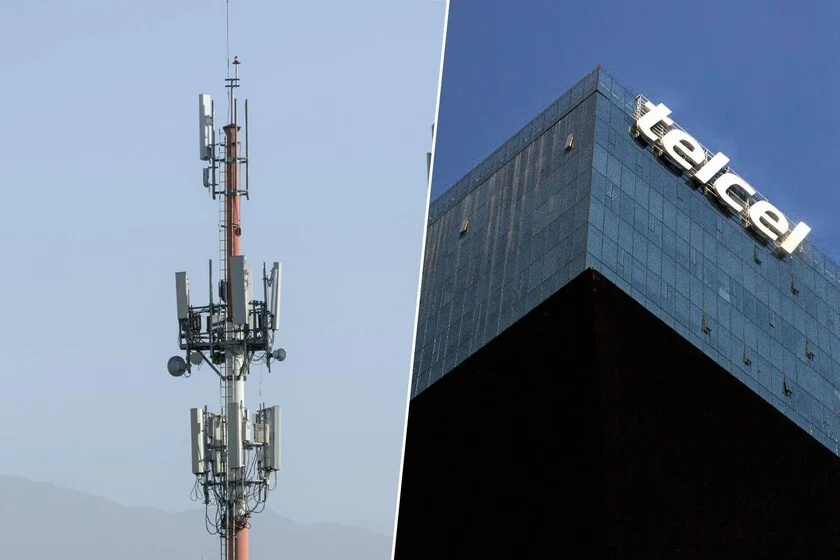

As the FIFA World Cup 2026 rapidly approaches, marking the most significant sporting event in four years, Mexico is undertaking extensive preparations, not only in terms of physical infrastructure but also to ensure a seamless digital experience for millions of visitors and residents. With three prominent Mexican cities – Mexico City, Zapopan (part of the Guadalajara metropolitan area), and Guadalupe (part of the Monterrey metropolitan area) – set to host a significant number of matches, the anticipated surge in demand for mobile communications has prompted the Mexican government to implement a critical measure: a 100% discount on temporary spectrum usage rights for mobile operators. This strategic initiative aims to reinforce network capacity and coverage, guaranteeing robust telecommunications services throughout the global spectacle.
The Global Stage: Mexico’s Triple Hosting Role in FIFA World Cup 2026
The FIFA World Cup 2026 holds particular historical significance, being the first edition to feature 48 national teams and the first to be jointly hosted by three nations: the United States, Canada, and Mexico. For Mexico, this marks an unprecedented third time hosting the prestigious tournament, a feat unmatched by any other nation, having previously staged the World Cup in 1970 and 1986. This rich history underscores Mexico’s deep connection to football and its proven capability to host events of global magnitude.
The three Mexican host cities are gearing up for an immense influx of fans, tourists, and media. Mexico City’s Estadio Azteca, an iconic venue that has witnessed two World Cup finals, is undergoing extensive renovations to meet FIFA’s stringent standards. With a projected capacity exceeding 87,000 spectators, it remains one of the world’s largest football stadiums and a symbol of Mexican sporting heritage. In Zapopan, the Estadio Akron, home to Club Deportivo Guadalajara, offers a modern, sustainable design with a capacity of approximately 46,000. Similarly, the Estadio BBVA in Guadalupe, Monterrey, known for its striking architecture and advanced facilities, can accommodate around 53,500 fans. These venues, along with their surrounding metropolitan areas, will become epicenters of activity, culture, and digital interaction.
Projections indicate that the World Cup will attract millions of international visitors to Mexico alone, alongside a substantial increase in domestic travel to the host cities. Estimates from tourism authorities and economic analysts suggest that Mexico could welcome over 5 million international visitors directly related to the World Cup events over the tournament’s duration. This massive influx is expected to generate billions of dollars in economic revenue, boosting local economies, creating temporary and permanent job opportunities, and showcasing Mexico’s vibrant culture and hospitality on a global scale. Beyond direct ticket sales and tourism, the event promises to spur investment in infrastructure, urban development, and services, leaving a lasting legacy for the host regions.
A Digital Challenge: The Unprecedented Strain on Telecommunications
While the economic and cultural benefits are undeniable, hosting an event of this magnitude presents significant logistical and technological challenges, particularly for telecommunications infrastructure. Modern sporting events are characterized by an exponential demand for connectivity. Spectators at stadiums, fan zones, airports, hotels, and tourist attractions will be constantly connected, sharing real-time updates, photos, and videos on social media, using navigation apps, accessing digital tickets, and making cashless payments. This concentration of millions of users in relatively confined geographical areas, often simultaneously, places an immense strain on existing mobile networks.
Telecommunications experts anticipate an unprecedented surge in mobile data traffic during the World Cup. On match days, in and around the stadiums and fan zones, data consumption could skyrocket by 500% or more compared to regular peak usage. Without adequate preparation and capacity enhancements, this could lead to widespread network congestion, significantly reduced data speeds, dropped calls, and an overall degraded user experience. Such disruptions would not only frustrate visitors and residents but could also negatively impact critical services, security operations, and the overall perception of Mexico’s readiness to host a global event in the digital age. Ensuring seamless, high-speed connectivity is therefore not merely a convenience but a fundamental requirement for the successful execution of the FIFA World Cup 2026.
Government Intervention: The 100% Spectrum Discount to Bolster Networks
Recognizing the critical importance of robust telecommunications, the Mexican government has taken decisive action. The Secretaría de Hacienda y Crédito Público (SHCP – Ministry of Finance and Public Credit) and the Agencia de Transformación Digital y Telecomunicaciones (ATDT – Agency for Digital Transformation and Telecommunications) jointly announced a 100% discount on the payment of rights for temporary spectrum usage for mobile operators during the World Cup 2026. This measure, formally published, is designed to empower telecommunication companies to significantly enhance their network capabilities without incurring prohibitive additional costs for spectrum access.
The benefit specifically covers payments associated with the temporary use of spectrum in several key frequency bands: 600 MHz, 1.9 GHz, 2.5 GHz, and 3.3 to 3.6 GHz. Each of these bands plays a crucial role in modern mobile communications. The 600 MHz band, often referred to as low-band spectrum, is vital for extending coverage over large areas and improving indoor penetration, ensuring connectivity even within dense stadium structures. The 1.9 GHz and 2.5 GHz bands are mid-band frequencies, offering a balance of coverage and capacity, crucial for handling moderate to high traffic volumes. The 3.3 to 3.6 GHz bands, commonly used for 5G deployments, provide high capacity and speed over smaller areas, ideal for dense urban environments and specific hotspots like stadiums and fan zones where ultra-fast connectivity is paramount.
The primary objective of this government initiative is clear: to reinforce both LTE (4G) and 5G network capacity and coverage, especially during peak demand periods. By providing free access to additional spectrum, the government is essentially supplying mobile operators with more "digital highways" to carry the anticipated surge in data traffic. This proactive approach aims to prevent network overload, ensure consistent service quality, and guarantee that both residents and visitors can communicate effectively and share their experiences without interruption.
Beneficiaries and Operational Details: Ensuring Compliance and Quality
Several major mobile operators have already received authorizations to utilize this temporary spectrum. Notably, Telcel, Mexico’s largest mobile carrier, AT&T México, and Altán Redes (which provides wholesale services to numerous Mobile Virtual Network Operators, or MVNOs, such as Bait) are among the beneficiaries. These operators are critical to Mexico’s mobile ecosystem and collectively serve the vast majority of the country’s mobile subscribers, in addition to handling international roaming traffic.
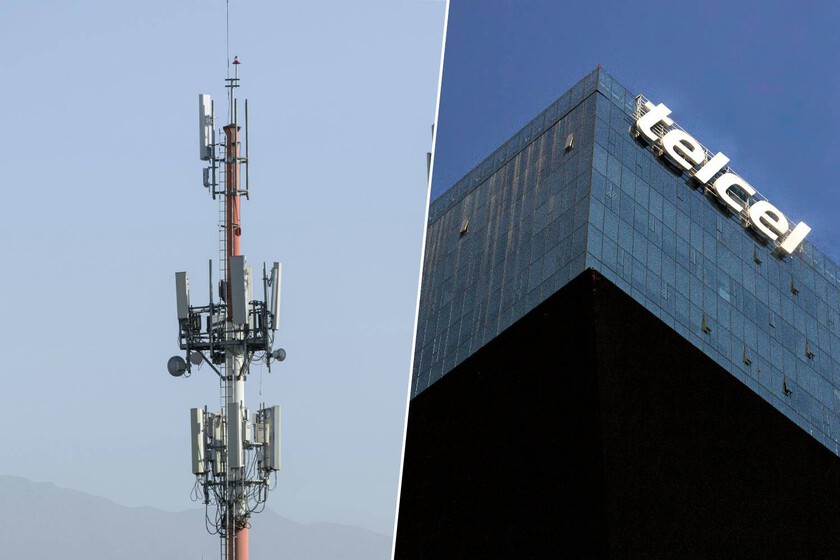
To qualify for the 100% discount, operators must adhere to specific coverage obligations. This condition ensures that the additional spectrum is not merely acquired for future advantage but is actively deployed to enhance services in the designated high-demand areas. The Instituto Federal de Telecomunicaciones (IFT), Mexico’s independent telecommunications regulatory body, will be responsible for verifying compliance with these obligations. The IFT’s oversight is crucial to ensure that the temporary spectrum is used effectively, transparently, and in a manner that genuinely benefits users by improving network performance and preventing service degradation during the World Cup. This regulatory verification process underscores the government’s commitment to ensuring a high-quality digital experience for all.
Targeted Coverage Enhancement: Focus on Key World Cup Zones
The temporary spectrum allocation and the corresponding coverage obligations are precisely targeted to address the areas expected to experience the highest concentration of users and data traffic during the World Cup. These critical zones include:
- Estadio Azteca (Mexico City) and its surrounding areas: Encompassing the stadium itself, fan zones, transportation hubs leading to the stadium, and nearby commercial and hospitality districts.
- Estadio Akron (Zapopan/Guadalajara) and its surrounding areas: Similar to Mexico City, this includes the stadium, fan zones, and key transit points within the Guadalajara metropolitan area.
- Estadio BBVA (Guadalupe/Monterrey) and its surrounding areas: Covering the stadium complex, fan activation zones, and strategic locations within the Monterrey metropolitan area.
- International Airports: Specifically, Mexico City International Airport (AICM), Guadalajara International Airport, and Monterrey International Airport, which will serve as primary entry and exit points for international visitors.
- Key Tourist Districts: High-traffic tourist areas within Mexico City, Guadalajara, and Monterrey, where visitors are likely to congregate, access information, and share experiences.
- Major Transportation Hubs: Bus terminals, metro stations, and other public transport nodes that will see increased passenger flow.
It is important to emphasize that this 100% discount for temporary spectrum use is strictly applied only in these specified geographical zones and for the duration of the FIFA World Cup 2026. This focused approach allows operators to deploy resources efficiently where they are most needed, ensuring maximum impact on service quality for the duration of the global event.
Broader Implications for Users, Operators, and Mexico’s Digital Future
The implications of this government measure extend far beyond merely preventing network congestion. For mobile users, both residents and visitors, it translates directly into a significantly enhanced experience. They can expect reliable, high-speed mobile internet access, seamless voice communication, and uninterrupted connectivity for navigation, social media sharing, live streaming, and accessing event-related information. This improved connectivity directly contributes to a more enjoyable, safer, and more efficient World Cup experience.
For mobile operators, the discount represents a substantial financial relief. Spectrum usage fees are a major operational cost, and a 100% waiver for temporary access allows them to invest those savings into additional network infrastructure, equipment upgrades, and personnel, directly enhancing their capacity for the event. This also fosters a more competitive environment, as operators are incentivized to provide superior service quality, knowing that the primary cost barrier for temporary capacity expansion has been removed. It demonstrates a proactive partnership between the government and the private sector to ensure national readiness for major international events.
Beyond the immediate benefits, this initiative reinforces Mexico’s reputation as a capable, technologically prepared, and forward-thinking host nation. A smoothly operating digital infrastructure is increasingly a benchmark for successful international events. By proactively addressing potential telecommunications challenges, Mexico showcases its commitment to delivering a world-class experience, not just on the pitch but also in the digital realm. This can have long-term positive effects, attracting future international events, foreign investment, and promoting Mexico as a modern, digitally connected country.
A Simultaneous Measure: Mobile Line Registration for Residents
Concurrently with the World Cup preparations, Mexico’s telecommunications sector is also navigating another significant policy change: the mandatory registration of all existing mobile lines in the country. By June 2026, the deadline for this nationwide registration is set to expire, a measure aimed at combating crime and enhancing public safety by eliminating anonymous mobile lines, which have historically been exploited for illicit activities.
This national security initiative, however, has been carefully designed to avoid impacting international visitors during the World Cup. As clarified by the Instituto Federal de Telecomunicaciones (IFT), foreign nationals visiting Mexico for the FIFA World Cup 2026 and utilizing international roaming services will not be required to register their cellular lines. This exemption is crucial to ensure a hassle-free experience for tourists, allowing them to use their home country’s mobile services seamlessly upon arrival without additional administrative burdens. This thoughtful distinction highlights the government’s dual focus on national security for residents while maintaining an open and welcoming environment for international guests. The implementation of this registration has already shown an impact on the market, as evidenced by reports of growth slowdowns for some MVNOs like Bait, whose business model often catered to easier, less restrictive activations.
Looking Ahead: Comprehensive Preparations for a World-Class Event
The comprehensive preparations for the FIFA World Cup 2026 in Mexico are a testament to the nation’s commitment to hosting a truly memorable and successful event. From the extensive renovations of the iconic Estadio Azteca to the strategic government intervention in telecommunications, every aspect is being meticulously planned. The 100% spectrum discount for mobile operators stands out as a visionary policy, directly addressing a critical modern challenge of large-scale events: ensuring robust and reliable digital connectivity.
By proactively supporting its telecommunications providers, Mexico is not only mitigating potential service disruptions but also enhancing the overall visitor experience, bolstering its economic prospects, and solidifying its reputation on the global stage. As the countdown to June 2026 continues, these multifaceted preparations underscore Mexico’s readiness to deliver a world-class FIFA World Cup, both on the hallowed grounds of its stadiums and across its seamlessly connected digital landscape.
