
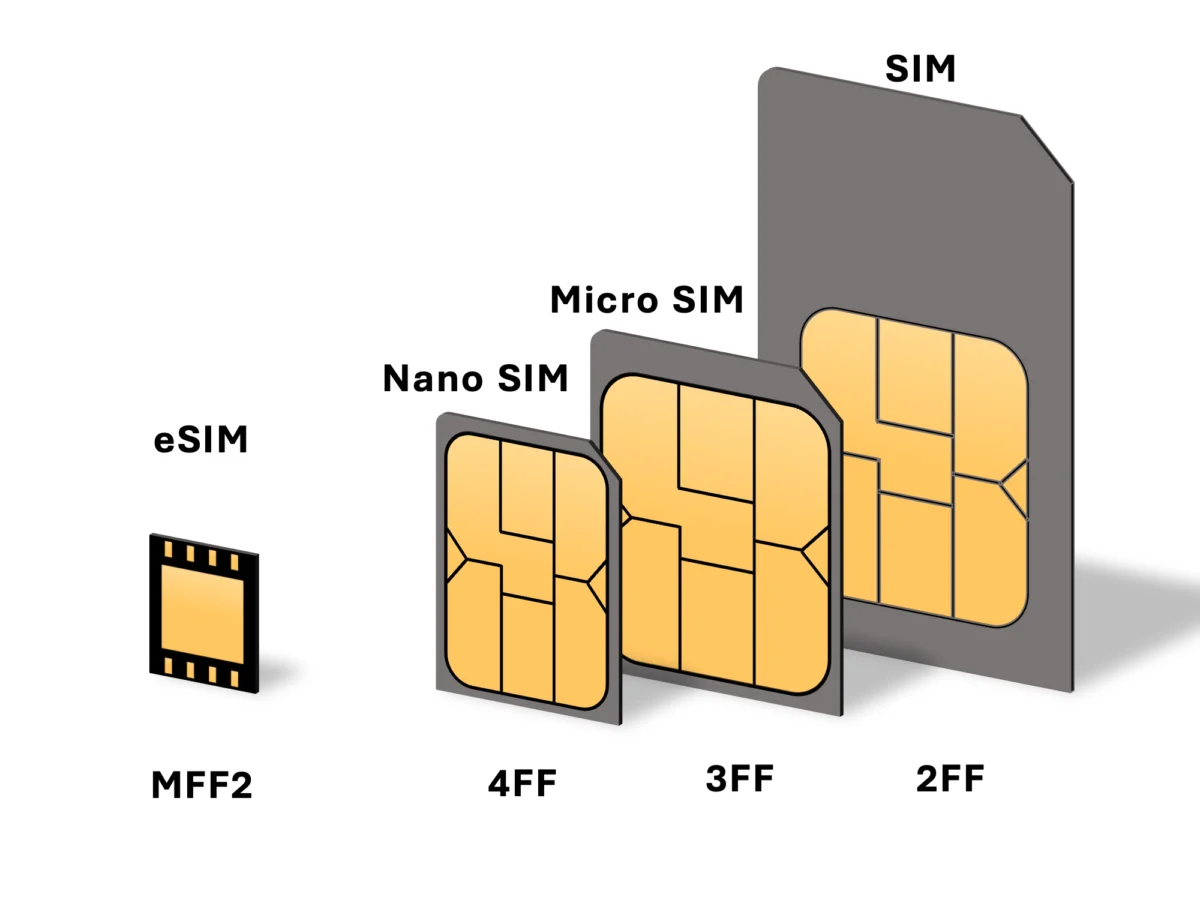

South Korea has long maintained its reputation as one of the most hyper-connected nations on Earth, consistently ranking at the top of global indices for internet speed and 5G penetration. As the world transitions away from physical hardware toward software-defined solutions, the telecommunications sector in Korea has undergone a significant transformation with the adoption of eSIM (embedded SIM) technology. This shift, accelerated by a 2022 mandate from the South Korean Ministry of Science and ICT, has revolutionized how both international tourists and long-term residents access cellular networks. By eliminating the need for a physical plastic card, eSIM technology allows users to switch between carriers or activate new plans through a simple digital interface, providing a seamless transition for those arriving at Incheon International Airport or settling into neighborhoods in Seoul, Busan, and beyond.
The Technological Evolution of eSIM in South Korea
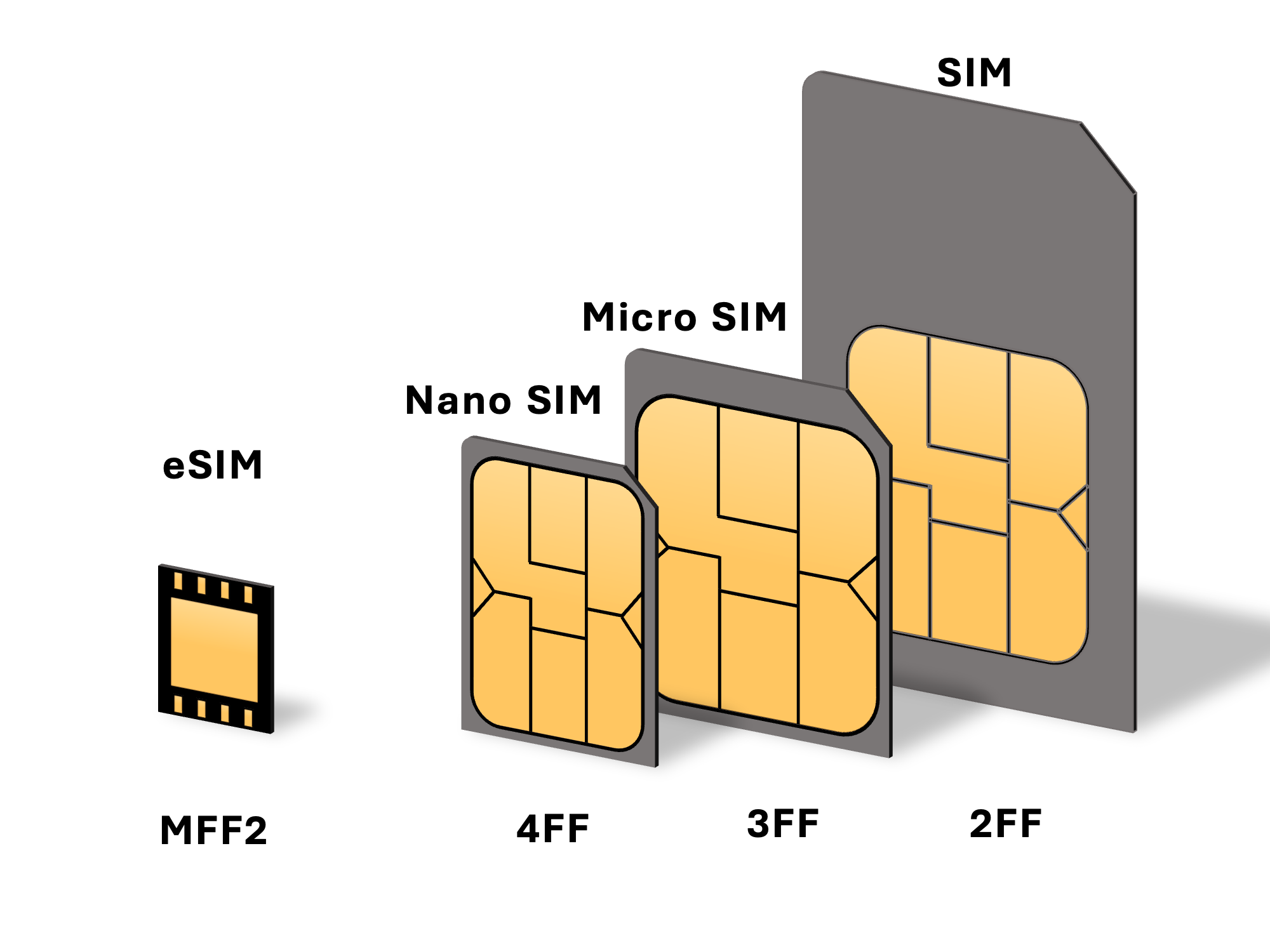
The concept of the eSIM represents a fundamental shift in mobile telecommunications. Unlike the traditional SIM card, which must be manually inserted into a device, an eSIM is a small chip built directly into the motherboard of a smartphone, tablet, or wearable. This technology uses Remote SIM Provisioning (RSP) to download carrier profiles over the air. In South Korea, the adoption of eSIM was initially gradual, primarily limited to smartwatches, until the government and major telecommunications providers—SK Telecom, KT, and LG U+—coordinated a full-scale rollout for smartphones in September 2022.
The advantages of this transition are manifold. For the consumer, it offers the ability to maintain dual-SIM functionality: keeping a home-country number active for SMS and emergency calls while using a local Korean eSIM for high-speed data. For the environment, it represents a significant reduction in plastic waste and the carbon footprint associated with the manufacturing and shipping of physical SIM cards. Industry analysts suggest that as South Korea pushes toward a more sustainable digital economy, the eSIM will become the standard for all mobile devices within the next five years.
Chronology of the eSIM Rollout in the Korean Market
The journey toward a fully integrated eSIM ecosystem in South Korea followed a specific regulatory and technical timeline:
- 2018–2020: Early adoption began with the introduction of eSIM-enabled iPhones and the Apple Watch. However, Korean carriers initially restricted eSIM use to wearable devices to protect the existing physical SIM market.
- December 2021: The Ministry of Science and ICT announced a formal plan to introduce eSIM services for smartphones to lower communication costs and increase consumer choice.
- September 2022: South Korea officially launched commercial eSIM services across the three major carriers (SKT, KT, LG U+). This allowed the Samsung Galaxy Z Fold 4 and Flip 4, along with compatible iPhones, to utilize dual-SIM capabilities domestically.
- 2023–Present: The market saw a surge in third-party providers and specialized travel platforms offering prepaid eSIMs tailored specifically for the record-breaking numbers of tourists returning to Korea post-pandemic.
Comparative Analysis of Primary eSIM Providers
For consumers navigating the Korean market, the choice of provider often depends on the duration of stay and the specific need for data volume versus voice capabilities. The "Big Three" mobile network operators (MNOs) dominate the infrastructure, but specialized resellers often provide more competitive rates for short-term visitors.
SK Telecom (SKT)
As the largest telecommunications operator in South Korea, SK Telecom holds approximately 45% of the market share. Their eSIM offering for tourists is priced at approximately $35 for 1GB of data with a 30-day validity period. While the price point is higher than some competitors, SKT’s primary value proposition lies in its unmatched network stability and coverage, particularly in mountainous regions and remote islands like Jeju. For long-term residents, SKT offers more robust packages starting at $29 per month, which include 2GB of data and unlimited local calls, making it a preferred choice for professionals who require reliable connectivity.
KT Olleh (KT)
KT is often the first choice for tourists due to its aggressive marketing and prominent service desks at major entry points. Their basic 30-day eSIM plan is priced at $36.50 for 1GB. One of KT’s unique advantages is its extensive network of public Wi-Fi hotspots. eSIM subscribers often gain automatic access to "KT WiFi," which is available in almost every subway station and public building in the country. This can significantly extend the utility of a low-data plan.
LG U+ (LG Uplus)
LG U+ is known for its competitive pricing and innovative digital services. Their tourist eSIM plan is positioned at $39 for 1GB over 30 days. While slightly more expensive for the base plan, LG U+ often bundles their services with additional perks, such as discounted T-Money cards (the national transportation card) or vouchers for local attractions. For residents, their plans start at $35 and are highly regarded for their high-speed 5G integration.
Specialized Providers: Korea SIM Card
For those seeking the best value for money, Korea SIM Card has emerged as a leading third-party provider. With plans starting as low as $25 for 1GB with 30-day validity, they cater specifically to the budget-conscious traveler. They offer a variety of configurations, including "Data Only" plans for those who rely on apps like KakaoTalk or WhatsApp for communication, and "Unlimited Data" plans for heavy users.
Data and Market Insights
According to recent data from the Korea Tourism Organization, over 60% of independent travelers now opt for digital connectivity solutions over traditional roaming services. The preference for eSIMs has seen a year-on-year increase of 40% since 2022. The following table summarizes the current market offerings for short-term eSIMs:
| Provider | Base Price (USD) | Data Allowance | Validity | Network Type |
|---|---|---|---|---|
| SK Telecom | $35.00 | 1GB (Top-up available) | 30 Days | 4G LTE / 5G |
| KT Olleh | $36.50 | 1GB + Free Wi-Fi | 30 Days | 4G LTE / 5G |
| LG U+ | $39.00 | 1GB | 30 Days | 4G LTE / 5G |
| Korea SIM Card | $25.00 | 1GB | 30 Days | 4G LTE |
Note: Prices are subject to exchange rate fluctuations and seasonal promotions.
Implications for Long-Term Residents and the ARC Requirement
For expatriates and long-term residents, the eSIM landscape is slightly more complex due to the "Alien Registration Card" (ARC) requirement. In South Korea, all postpaid mobile lines must be linked to a legal identity.
- Initial Arrival: Most residents begin with a prepaid eSIM purchased using their passport.
- The Transition: Once the ARC is issued (usually 3–6 weeks after arrival), residents can convert their prepaid line to a postpaid contract or sign up for a new eSIM plan that includes a Resident Registration Number. This is crucial because a verified Korean phone number is required for "Identity Verification" (Bon-in-in-jeung) on almost all Korean websites, including food delivery apps like Baedal Minjok and online shopping portals like Coupang.
Official Responses and Industry Outlook
The South Korean government has been proactive in ensuring that the transition to eSIM technology does not leave consumers vulnerable to high costs. The Ministry of Science and ICT recently issued a statement encouraging carriers to diversify their eSIM plan structures to include more mid-range data options. "The expansion of eSIM services is a key component of our ‘Digital Strategy for Korea,’ aimed at enhancing consumer convenience and fostering competition in the telecommunications market," a ministry spokesperson noted in a recent briefing.
Furthermore, the environmental impact has been highlighted by local tech analysts. By shifting just 30% of the annual SIM card sales to eSIM, South Korea could prevent the disposal of millions of plastic cards and their associated packaging, aligning with the nation’s broader "Green New Deal" objectives.
Practical Considerations: Activation and Troubleshooting
The activation of an eSIM in Korea is designed to be user-friendly, typically involving the following steps:
- Verification of Compatibility: Users must ensure their device is carrier-unlocked and supports eSIM technology (generally iPhone XR or newer, and Samsung Galaxy S20 or newer).
- Purchase and QR Code Receipt: Upon purchasing a plan online, the provider sends a QR code via email.
- Installation: Users navigate to "Cellular" or "Mobile Data" settings on their device, select "Add eSIM," and scan the provided QR code.
- Registration: For some providers, a photo of the user’s passport must be uploaded to a verification portal to comply with local telecommunications laws.
Common troubleshooting issues often revolve around "Country Locks." It is imperative that travelers confirm with their home carrier that their device is unlocked before arriving in Korea. Additionally, some users report a delay in activation; this is usually resolved by restarting the device or toggling "Airplane Mode" to force the phone to ping the local towers.
Broader Impact on the Travel Experience
The proliferation of eSIMs has fundamentally changed the tourist experience in South Korea. With instant access to high-speed maps, real-time translation apps, and transit information, the "barrier to entry" for exploring non-English speaking areas has been significantly lowered. This digital empowerment supports the government’s goal of dispersing tourism beyond Seoul and into the provinces, as travelers feel more confident navigating rural bus systems and local eateries with a reliable data connection in their pocket.
In conclusion, the best eSIM for Korea depends on individual priorities: SK Telecom offers the most robust network, KT provides the best urban Wi-Fi integration, and Korea SIM Card delivers the most economical entry point. As the technology continues to mature, it is expected that the distinction between physical and digital SIMs will vanish, leaving the eSIM as the primary gateway to the "Hermit Kingdom’s" vast digital landscape. For any visitor or resident in 2024, embracing this technology is no longer just a convenience—it is an essential component of modern life in South Korea.
