

The futuristic vision of seamless, real-time language translation, once confined to the realms of science fiction, has firmly entered the mainstream, transforming how individuals interact across linguistic divides. What was once the exclusive domain of dedicated, often costly, hardware is now increasingly accessible through everyday smartphones and the ubiquitous headphones many already own. This technological leap, spearheaded by advancements in artificial intelligence and mobile computing, promises to democratize cross-cultural communication for travelers, international business professionals, and anyone seeking to connect beyond their native tongue.
The Dawn of Seamless Communication: A Brief History of Translation Technology
The journey towards real-time audio translation is a testament to decades of innovation in computational linguistics and artificial intelligence. Early machine translation efforts, dating back to the 1950s, relied on rule-based systems, which often produced rigid and error-prone translations. The 1990s saw the rise of statistical machine translation (SMT), using vast corpora of text to learn translation patterns, significantly improving accuracy. However, these systems still struggled with nuance, context, and the fluid nature of spoken language.
The true breakthrough arrived with neural machine translation (NMT) in the mid-2010s. NMT systems, powered by deep learning algorithms, process entire sentences rather than individual words, allowing for a more contextual and human-like output. This shift, combined with rapid advancements in speech-to-text (STT) and text-to-speech (TTS) technologies, laid the groundwork for the real-time audio translation we see today. Companies like Google were at the forefront, integrating these capabilities into services like Google Translate, which initially offered text and image translation before expanding into conversational modes.
While early attempts at dedicated real-time translation devices, such as the Waverly Labs Pilot or some features in high-end earbuds like the Bragi Dash, garnered significant attention, they often came with high price tags and nascent technology. The current paradigm shift emphasizes software-centric solutions, leveraging the processing power of modern smartphones and the cloud to deliver translation capabilities to a broader audience without the need for specialized, expensive peripherals.

Democratizing Access: The Mobile Revolution in Translation
A pivotal development in making real-time translation truly accessible has been the integration of sophisticated translation engines directly into smartphone operating systems and applications. This approach sidesteps the need for dedicated, often expensive, translation-specific headphones. Instead, the heavy lifting of voice processing and translation is offloaded to the smartphone, with standard Bluetooth headphones serving as the audio interface. This strategy has drastically lowered the barrier to entry, making the technology available to millions who already possess a smartphone and a pair of earbuds.
Google’s recent integration of real-time conversation translation into its Gemini AI assistant exemplifies this shift. Previously, such advanced features were often limited to Google’s own hardware, like the Pixel Buds, which featured built-in translation capabilities. With Gemini, Google has extended this functionality to virtually any pair of headphones connected to an Android device, and through its dedicated app, to iPhones as well. This move represents a significant democratizing step, transforming a premium feature into a widely available utility.

Erudite’s ‘Instant Voice Translator’: A Strong Contender in the App Market
Beyond the tech giants, independent developers are also making significant strides in the real-time translation space. Among the myriad of applications promising live conversation translation, Erudite’s ‘Instant Voice Translator’ has emerged as a particularly effective solution, praised for its speed and accuracy. Available for both iOS and Android, the app offers a robust platform for breaking down language barriers.
The user experience for ‘Instant Voice Translator’ is designed for simplicity. Upon selecting the desired input and output languages, users engage a prominent microphone button, speaking into their phone. The application swiftly processes the speech, translates it, and outputs the translated audio through connected headphones. A key feature is its ability to transcribe spoken words, providing a visual record of the conversation, complemented by a "mirror mode" that allows each participant to view the translation in their respective language.

However, a notable difference exists between the iOS and Android versions. On iPhone, users currently need to manually switch the input language by tapping a flag icon for reciprocal translation, which, while functional, can interrupt the flow of a rapid conversation. Despite this, the app’s performance in terms of translation speed and accuracy, even with strong regional accents, has been highly commendable.
The Android version of Erudite’s translator presents a more refined and convenient experience. It introduces automatic language switching, allowing for seamless back-and-forth communication without manual intervention. This enhancement significantly improves the naturalness of a conversation. Furthermore, the Android app incorporates accessibility features, such as the option to slow down audio playback, and extends its utility with the ability to scan images for real-time text translation, mirroring functionalities found in Google Lens. While the Android version includes non-intrusive advertisements, these additions position it as a more comprehensive and user-friendly solution compared to its iOS counterpart. The regular updates from Erudite developers indicate a sustained commitment to improving the application, a crucial factor for a technology so reliant on evolving AI models.
Google’s Ubiquitous Offerings: Translate and Gemini

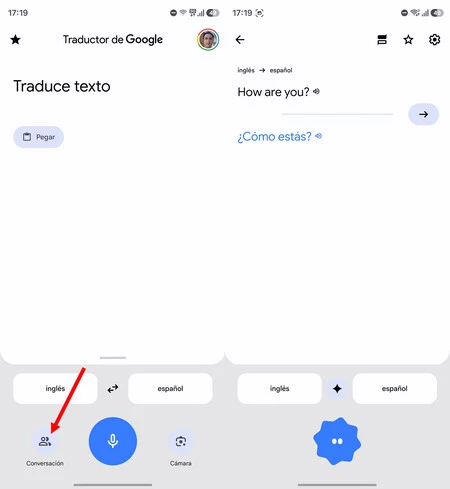
Google’s contributions to real-time translation are foundational. The Google Translate app remains a cornerstone, offering instant voice translation capabilities. Users can simply select the conversation mode, and the app automatically detects and translates spoken languages. While perhaps not as "agile" in rapid-fire conversational exchanges as some specialized apps, Google Translate offers extensive language support and robust functionality for various scenarios. Its primary drawback for international travel remains the requirement for an internet connection, which can be a hurdle in areas with limited or expensive data access, though it does offer offline translation for certain languages.
Building on this foundation, Gemini, Google’s advanced AI assistant, represents the next evolutionary step. Integrated into most Android phones and available as a standalone app on iOS, Gemini leverages the power of large language models to provide a more sophisticated and contextual translation experience. Activating Gemini’s interpreter mode is as simple as a voice command, such as "Be my English interpreter."
Gemini offers both automatic and manual translation modes. In automatic mode, the system intelligently detects when a speaker has finished a sentence, translates it, and then prepares for the other person’s response, fostering a more natural conversational rhythm. The manual mode provides users with greater control, allowing them to activate the microphone precisely when they wish to speak. Backed by Google’s vast computational resources and AI expertise, Gemini delivers rapid and highly accurate translations, making it an incredibly convenient solution for global travelers, especially since it’s often pre-installed or easily accessible on their devices.

Apple’s Ecosystem Integration: AirPods as a Personal Interpreter
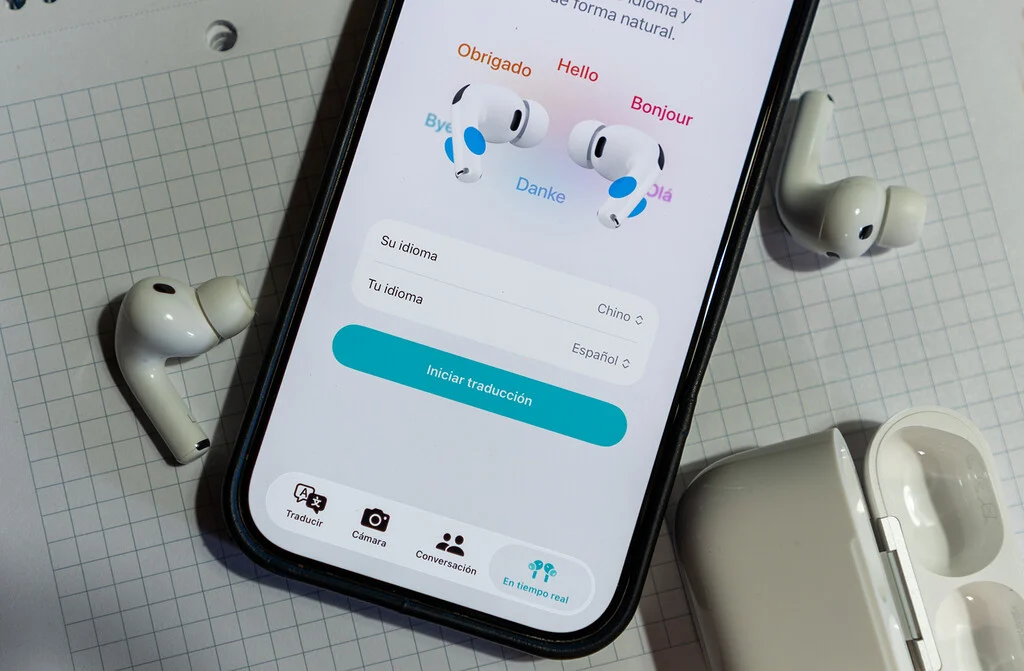
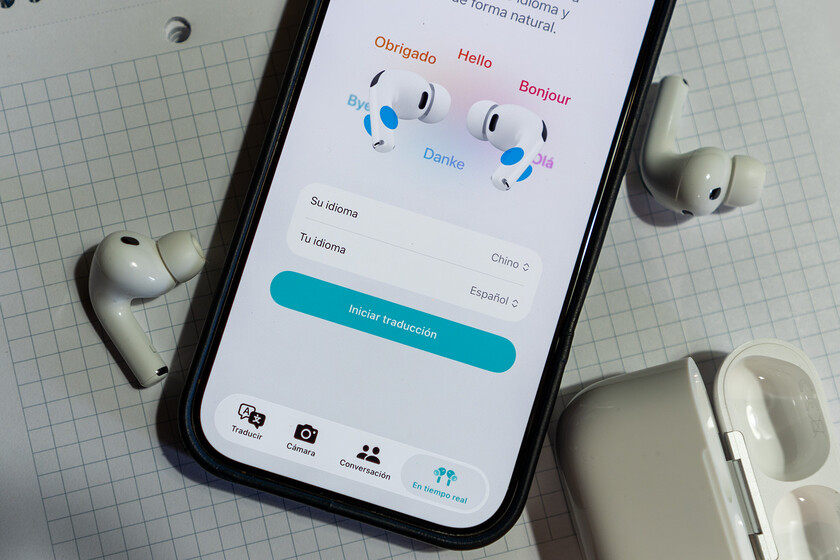
Apple, known for its seamless ecosystem integration, has also embraced real-time translation within its popular AirPods lineup. With the release of AirPods Pro 2, AirPods Pro 3, and AirPods 4, Apple introduced an instant translator mode, leveraging the advanced audio processing capabilities of these devices in conjunction with the iPhone’s native "Translate" app.
To utilize this feature, users simply connect their compatible AirPods, open the "Translate" app on their iPhone, and select the "Live Translation" option. After choosing the source and target languages, the iPhone screen displays the translated text as the AirPods pick up spoken words. While this system functions remarkably well, even in dynamic environments like conferences, some users have noted a slight latency in the translation process. Apple’s approach enhances the utility of its existing hardware, offering a premium, integrated translation experience for its loyal user base, further cementing the AirPods as more than just audio playback devices. This strategy aligns with Apple’s broader goal of enriching its hardware ecosystem with powerful software features, providing compelling reasons for users to remain within the Apple fold.
Broader Impact and Implications: Transforming Global Interactions
The widespread availability and increasing sophistication of real-time translation technology carry profound implications across various sectors:
- Travel and Tourism: For globetrotters and business travelers, language barriers are often a source of stress and missed opportunities. Real-time translation acts as a personal interpreter, enabling effortless navigation, richer cultural immersion, and smoother interactions with locals, from ordering food to asking for directions. This reduces anxiety and enhances the overall travel experience, potentially boosting international tourism.
- International Business and Diplomacy: In an increasingly globalized economy, effective cross-border communication is paramount. Real-time translation tools facilitate international meetings, negotiations, and collaborations, allowing professionals to communicate directly and efficiently, potentially accelerating deal closures and fostering stronger international partnerships. For diplomatic relations, these tools can bridge gaps in understanding, though human interpreters will likely remain critical for high-stakes, nuanced discussions.
- Education and Language Learning: Students and educators can leverage these tools for language acquisition. Learners can practice speaking with immediate feedback, and international students can more easily integrate into new academic environments. The technology can also make educational content more accessible across linguistic boundaries.
- Healthcare: In multicultural societies, effective communication between patients and healthcare providers is vital for accurate diagnosis and treatment. Real-time translation can bridge language gaps in medical settings, ensuring patients fully understand their conditions and care instructions, thereby improving health outcomes and patient satisfaction.
- Social Connectivity and Cultural Exchange: Beyond practical applications, this technology fosters deeper social connections. It allows individuals from different linguistic backgrounds to engage in meaningful conversations, promoting mutual understanding and breaking down cultural isolation. This can lead to a more interconnected and empathetic global community.
Challenges and the Future Outlook

Despite its transformative potential, real-time translation technology still faces challenges. Latency, while reduced, can still disrupt the natural flow of conversation. The accuracy, while high, can sometimes falter with complex jargon, slang, or highly contextual dialogue, as AI models still struggle to fully grasp human nuance and cultural subtext. Privacy concerns surrounding the processing of voice data are also paramount, requiring robust security measures and transparent data handling policies from developers. Furthermore, reliance on internet connectivity for many of these solutions can limit their utility in remote areas or during international travel where data roaming is costly.
Looking ahead, the future of real-time translation promises even more seamless and integrated experiences. We can anticipate further improvements in AI models, leading to more natural-sounding voices, even lower latency, and a greater understanding of conversational context. Integration into augmented reality (AR) glasses could offer visual translations alongside audio, providing a truly immersive communication experience. Offline capabilities are also expected to expand, making these tools reliable regardless of internet access.
In conclusion, real-time translation has evolved from a futuristic concept to an indispensable tool, driven by the synergy of advanced AI and accessible mobile technology. The shift from specialized hardware to software-driven solutions, exemplified by innovations from Erudite, Google’s Gemini, and Apple’s AirPods, has made this powerful capability available to a broad global audience. As the technology continues to mature, it will undoubtedly play an increasingly vital role in fostering communication, understanding, and collaboration across the diverse linguistic landscape of our interconnected world.
