
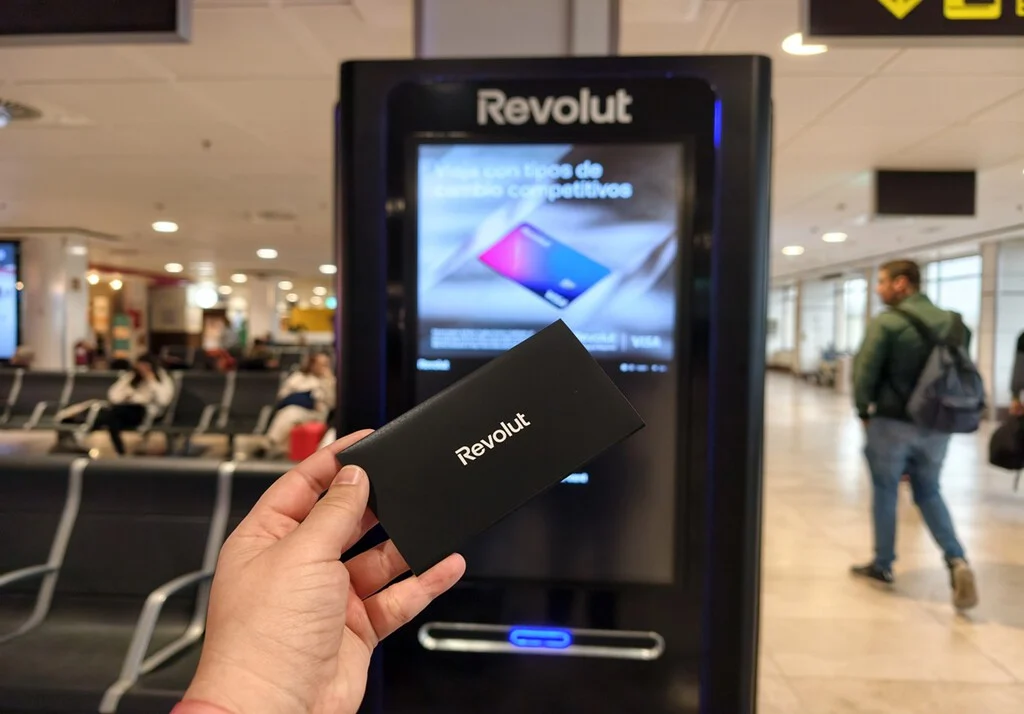

The rapid ascent of Revolut, once hailed primarily as a digital challenger to traditional banking with a distinct focus on the globetrotting community, continues unabated, propelling it into the vanguard of mobile financial services. This neobank, which commenced its journey by offering a streamlined, app-centric experience, has now embarked on an audacious physical expansion, strategically deploying Automated Teller Machines (ATMs) in high-traffic urban centers and pivotal international airports. This move signifies a pivotal shift in its operational strategy, blurring the lines between its digital-native origins and a burgeoning physical presence, notably evidenced by its aggressive card-dispensing kiosks observed in locations like Madrid’s Adolfo Suárez Madrid-Barajas Airport.
Revolut’s journey began with a clear vision: to offer a modern, fee-efficient alternative to legacy banks, particularly catering to international travelers and those seeking simplified currency exchange and cross-border payments. Its mobile-first approach, coupled with features like multi-currency accounts, instant transfers, and budgeting tools, quickly resonated with a tech-savvy demographic. From its founding in 2015, Revolut has expanded its global footprint, attracting over 40 million customers worldwide by early 2024 and processing billions in transactions monthly. Its foray into new markets, such as its recent launch in Mexico, underscores its ambition to become a truly global financial super-app. However, its latest strategic pivot—the widespread deployment of physical ATMs—represents a significant evolution, challenging the very definition of a "neobank."
The Strategic Deployment of Physical Touchpoints
For years, the defining characteristic of neobanks like Revolut was their complete absence of physical branches, relying solely on digital channels for customer interaction and service delivery. This model promised lower overheads, greater agility, and a more intuitive user experience. Yet, Revolut’s decision to install its own branded ATMs in major cities like Madrid and Barcelona, and crucially, in bustling international airports, marks a calculated deviation from this purely digital paradigm.
The rationale behind this move is multifaceted. While digital channels offer unparalleled convenience for many, a segment of the population still values physical access to cash or simply the reassurance of a tangible presence. Moreover, for a neobank targeting travelers, the ability to withdraw local currency without excessive fees remains a compelling proposition. Airports, in particular, represent a confluence of these factors: a high volume of international passengers, often requiring immediate access to local currency, and extended periods of waiting that can be leveraged for engagement.
Madrid Barajas: A Case Study in Aggressive Acquisition
The experience at Adolfo Suárez Madrid-Barajas Airport serves as a vivid illustration of Revolut’s aggressive new strategy. Madrid-Barajas, one of Europe’s busiest airports, handles tens of millions of passengers annually, making it an ideal location to intercept a primary target demographic: travelers. The placement of Revolut ATMs within such a high-traffic, high-dwell-time environment is no coincidence. Passengers frequently find themselves with idle moments—waiting for flights, checking gates, or browsing shops—creating an opportune window for interaction with the neobank’s physical infrastructure.
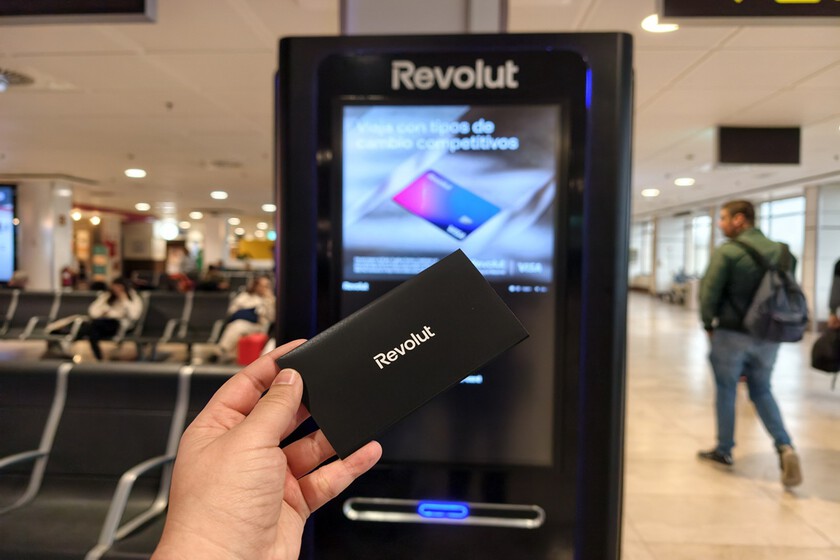
An encounter with one of these ATMs revealed a particularly bold customer acquisition tactic. Upon touching the screen, a prompt appeared, inquiring about EU citizenship. Responding affirmatively triggered an immediate, unsolicited action: the ATM dispensed an unactivated Visa debit card. This "card-spitting" mechanism bypasses traditional onboarding steps, placing a tangible product directly into the hands of a potential customer without requiring prior registration or even explicit confirmation. The card, ready for activation via the Revolut app, aims to drastically reduce the friction typically associated with signing up for a new financial service.
The "Card-Spitting" Mechanism Explained
This aggressive dispensing of unactivated debit cards is a highly unconventional, yet potentially effective, sales strategy. By removing the need for customers to proactively order a card or wait for its delivery, Revolut aims to capitalize on impulse and immediate need. A traveler, perhaps contemplating currency exchange fees or simply curious about the neobank, might interact with the ATM and suddenly find themselves holding a physical Revolut card. The next logical step, from Revolut’s perspective, is to download the app, activate the card, and begin using the service. This method leverages the physical presence to drive digital adoption, creating a direct bridge between the two realms.
From a business standpoint, this strategy seeks to overcome one of the biggest hurdles in customer acquisition: conversion. By placing a physical card in a potential user’s hand, Revolut creates a tangible reminder and a direct pathway to completing the onboarding process. This could significantly boost sign-up rates, especially among travelers who might be looking for a convenient payment solution while abroad. The immediate availability of a physical card, coupled with the promise of easy activation, targets the instant gratification sought by many modern consumers.
Addressing the Target Audience: The Traveler’s Niche
Revolut’s foundational success was built on its appeal to travelers. Its multi-currency accounts, competitive exchange rates, and fee-free international spending (within certain limits) made it an indispensable tool for globetrotters. The strategic placement of ATMs in airports reinforces this core identity. Travelers are often in need of local currency, and traditional airport currency exchange kiosks are notorious for unfavorable rates and high commissions. Revolut’s ATMs offer a convenient alternative, potentially undercutting these traditional services and further cementing the neobank’s position as the go-to financial partner for international journeys.
Beyond mere cash withdrawal, the presence of these ATMs in airports serves as a powerful branding exercise. It provides a highly visible, physical manifestation of Revolut’s brand in a location teeming with its target demographic. This can build trust and familiarity, especially for individuals who might be hesitant to fully commit to a purely digital bank. The physical card, once activated, also integrates seamlessly into the traveler’s existing payment habits, making it easier to transition away from traditional bank cards.
Revolut’s Growth Trajectory and Market Impact

Revolut’s expansion has been meteoric. Launched in 2015, it quickly surpassed 1 million customers by 2018, growing to over 15 million by 2021, and exceeding 40 million by early 2024. This growth is largely attributed to its innovative features, user-friendly app, and aggressive marketing. Key milestones include:
- 2015: Founded by Nikolay Storonsky and Vlad Yatsenko in London.
- 2017: Achieved profitability and raised significant funding rounds.
- 2018: Expanded into the US market and secured a European banking license.
- 2020: Launched in Australia and Japan.
- 2023-2024: Continued global expansion, including Mexico, and the deployment of proprietary ATMs in Europe.
This rapid growth has not only disrupted the traditional banking sector but also spurred innovation among its competitors. Legacy banks have been forced to accelerate their digital transformation efforts, investing heavily in mobile apps, online services, and AI-driven customer support to compete with the agility and user-centricity of neobanks. Revolut’s strategy of merging digital and physical services could further intensify this competition, pushing traditional banks to re-evaluate their branch networks and digital offerings.
The Evolving Definition of Neobanking: A Hybrid Future?
The definition of a "neobank" is clearly undergoing a significant transformation. What began as a radical departure from brick-and-mortar banking, emphasizing a 100% digital experience, is now evolving into a more nuanced, hybrid model. Revolut’s ATM strategy suggests that while digital convenience remains paramount, a physical presence, even if limited to self-service machines, can play a crucial role in customer acquisition, brand visibility, and overall service accessibility.
This shift raises pertinent questions about the future trajectory of digital banking. Are neobanks realizing that a purely digital approach has its limitations, particularly for certain demographics or transactional needs? Or is this a calculated move to capture market share from traditional banks that are simultaneously scaling back their physical footprint? The contrasting strategies are noteworthy: while traditional banks like BBVA are increasingly prioritizing their mobile apps, online platforms, and even AI-powered services to reduce physical interactions, neobanks like Revolut are cautiously reintroducing physical touchpoints. This suggests a convergence, where the optimal banking model might lie in a seamless integration of digital and physical channels, leveraging the strengths of each.
Sustainability Concerns and Corporate Responsibility
While the "card-spitting" strategy is undeniably aggressive and potentially effective for customer acquisition, it also raises significant environmental concerns. The unsolicited dispensing of unactivated plastic debit cards carries the risk of substantial plastic waste. Many recipients, especially those who are merely curious or not immediately ready to commit, may simply discard the card, contributing to plastic pollution.
The production of plastic cards involves resources and energy, and their disposal, particularly if not recycled properly, can harm the environment. In an era where corporate social responsibility and environmental sustainability are increasingly critical considerations for consumers and regulators alike, a strategy that could lead to widespread plastic waste might draw criticism. Revolut, like all major corporations, faces pressure to adopt more sustainable practices. This strategy might necessitate a reevaluation of its environmental footprint and potentially lead to the implementation of alternative, more eco-friendly card materials or a more targeted card distribution approach. The long-term success of such a strategy may depend on balancing aggressive growth with responsible environmental stewardship.

Competitive Landscape and Industry Reactions
Revolut operates in a highly competitive landscape, facing off against established traditional banks and a growing number of rival neobanks and fintech companies. Its move into physical ATMs could be seen as a way to differentiate itself and expand its appeal beyond the purely digital-native audience. By offering a physical access point for cash, Revolut directly competes with traditional bank ATMs and, indirectly, with other digital-only competitors that rely on third-party ATM networks.
Industry analysts are likely to view this strategy with a mix of intrigue and caution. On one hand, it demonstrates an innovative approach to customer acquisition and a willingness to challenge conventional neobanking models. On the other, the costs associated with manufacturing, distributing, and maintaining a network of ATMs are substantial, potentially eroding the cost advantages typically enjoyed by digital-only players. Furthermore, the sustainability aspect could become a point of contention. Competitors might highlight the environmental implications or argue that such a strategy dilutes the core digital promise of neobanks.
Beyond direct competitors, the broader fintech ecosystem is also reacting. Initiatives like a "European Bizum," aimed at simplifying cross-border payments within Europe, are constantly being explored. Revolut, with its existing infrastructure and user base, is already a strong contender in this space, and its physical expansion could further solidify its position as a dominant force in European payments.
Looking Ahead: The Future of Banking Interaction
Revolut’s aggressive ATM strategy signals a fascinating inflection point in the evolution of banking. It suggests that the future of financial services may not be a simple binary choice between purely digital or purely physical, but rather a sophisticated integration of both. Consumers increasingly demand seamless experiences across all channels, and neobanks like Revolut are adapting to meet these evolving expectations.
The success of this strategy will depend on several factors: the actual conversion rate of dispensed cards to active users, the long-term cost-effectiveness of maintaining an ATM network, and Revolut’s ability to address sustainability concerns. Should it prove successful, it could pave the way for other neobanks to explore similar hybrid models, ushering in a new era of "phygital" banking where digital innovation is complemented by strategic physical touchpoints. As our lives become increasingly intertwined with technology, the way we interact with our money will continue to evolve, with companies like Revolut at the forefront of defining what that future looks like.
