
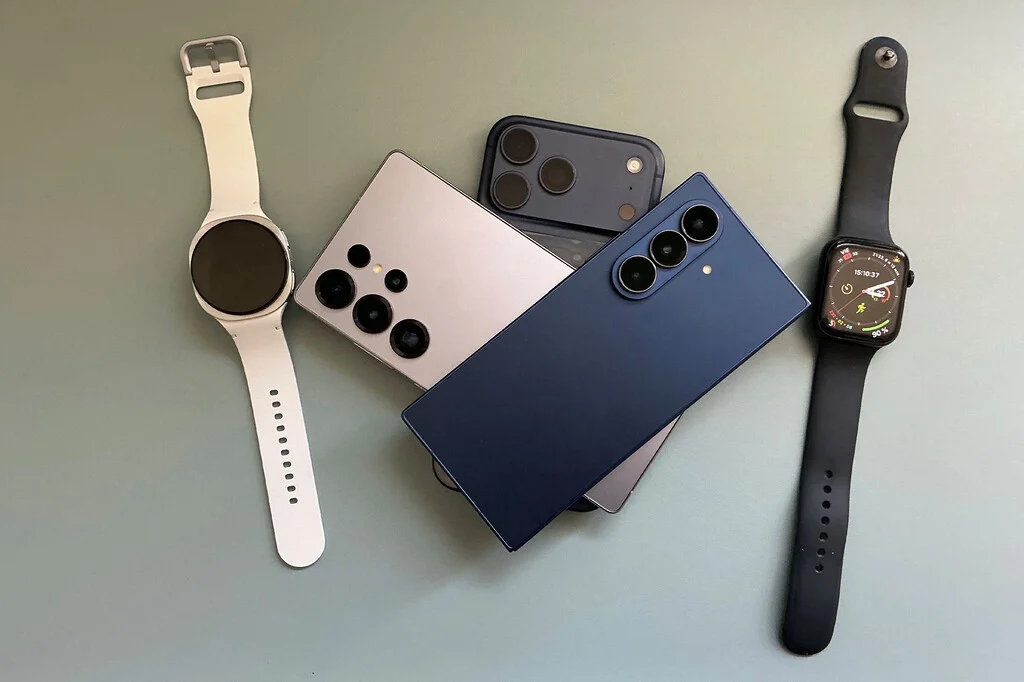

For the first time in over a decade, Apple has relinquished its long-held crown in customer satisfaction for smartphones within its crucial domestic market, the United States. A comprehensive new report reveals that South Korean technology giant Samsung has edged out Apple, signaling a pivotal moment in the intensely competitive smartphone industry. This shift, driven significantly by the burgeoning importance of artificial intelligence capabilities in devices, underscores evolving consumer priorities and presents a fresh challenge for the Cupertino-based titan.
The Shift in Consumer Sentiment: A Deep Dive
The latest findings from the American Customer Satisfaction Index (ACSI), a widely recognized benchmark for consumer sentiment across various industries, indicate a narrow but significant lead for Samsung. Based on an extensive survey of 26,963 U.S. consumers, Samsung achieved a score of 81 points, surpassing Apple, which recorded 80 points. This one-point difference represents a direct inversion of the previous year’s standings, where Apple held 81 points and Samsung 80. The ACSI’s rigorous methodology, which now incorporates a specific metric to evaluate the performance and satisfaction derived from integrated AI features, sheds light on the factors contributing to this notable change. Below the two industry leaders, Google and Motorola maintained a shared position with 77 points each, reflecting consistent performance but lagging behind the top contenders.
Apple has historically prided itself on unparalleled customer loyalty and satisfaction, often citing these metrics as proof of its ecosystem’s superiority and user experience. The U.S. market, being Apple’s home turf and one of its largest revenue generators, makes this dethroning particularly symbolic. For years, the "Apple experience" – a seamless integration of hardware, software, and services – has been the cornerstone of its high satisfaction scores. However, the landscape of consumer expectations is rapidly evolving, with advanced AI functionalities emerging as a critical differentiator.
Artificial Intelligence: The Decisive Factor
The introduction of AI performance as a key metric in the ACSI survey appears to be the primary catalyst for Samsung’s ascent. Samsung has aggressively invested in and promoted its artificial intelligence capabilities, particularly with its "Galaxy AI" suite introduced in recent flagship models. Features ranging from advanced photo editing and real-time translation to sophisticated search functionalities have resonated strongly with users, providing tangible benefits that enhance daily smartphone usage. This proactive integration has allowed Samsung to carve out a perception of innovation and utility in the AI space.
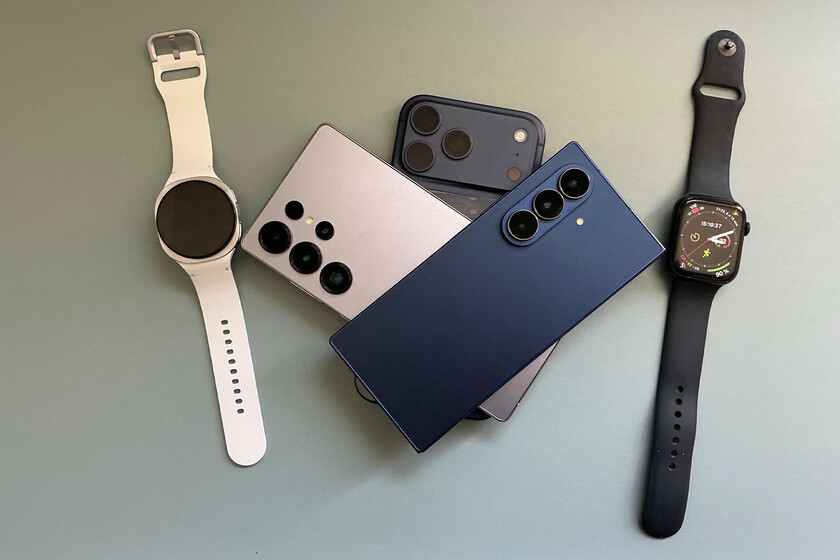
In stark contrast, Apple has faced increasing scrutiny over the perceived stagnation of its own AI assistant, Siri. Despite numerous promises and persistent rumors of a significant overhaul, Siri’s capabilities have largely remained consistent for several years, often trailing competitors in terms of natural language processing, contextual understanding, and proactive assistance. The company’s efforts to either develop its own cutting-edge AI or secure strategic partnerships to bolster its offerings have yet to fully materialize in a way that significantly impacts the user experience. This delay, coupled with Samsung’s rapid advancements, has created a noticeable gap in user satisfaction regarding AI features.
Industry analysts have frequently highlighted Apple’s cautious approach to new technologies, often waiting to refine and perfect features before widespread deployment. While this strategy has historically served Apple well in maintaining a high standard of quality, it may have proven a disadvantage in the fast-paced AI race. The anticipation for Apple’s upcoming announcements, particularly concerning future iOS iterations like the rumored iOS 27 and its potential AI enhancements at events like the Worldwide Developers Conference (WWDC), is now higher than ever, as the company seeks to reclaim its innovative edge.
Segmented Satisfaction: High-End Dominance
A deeper dive into the ACSI data reveals even more granular insights into consumer preferences. In the highly competitive premium smartphone segment, Samsung’s flagship Galaxy S series achieved an impressive 84 points, outpacing Apple’s iPhone series, which scored 82 points, and Google’s Pixel phones, which garnered 80 points. This distinction within the high-end market segment further underscores the effectiveness of Samsung’s strategy, particularly its focus on delivering advanced features and a diverse range of hardware options, including innovative form factors like foldable phones.
The overall average satisfaction for flagship phones across all brands stood at 82 points, while devices in lower price tiers registered 76 points. This disparity clearly indicates that consumers investing in high-end smartphones expect, and are increasingly receiving, a more satisfying and feature-rich experience. For Samsung, outperforming Apple in this critical segment signifies not just a win in overall satisfaction but a strong endorsement of its premium offerings and its ability to meet the demands of discerning users who are often early adopters of new technologies like AI.
The Wearable Market: A Contested Battleground
The rivalry between Apple and Samsung extends beyond smartphones into other interconnected device categories, notably smartwatches. In this segment, the ACSI report indicates a tie, with both brands scoring 80 points. While a shared score might seem neutral on the surface, for Samsung, this outcome represents a significant achievement. The Apple Watch has long held a commanding lead in the smartwatch market, consistently lauded for its seamless integration with the iPhone ecosystem, robust health features, and sophisticated design.
Samsung’s ability to draw level with Apple in customer satisfaction for smartwatches signals a growing maturity and appeal of its Galaxy Watch lineup. This parity suggests that Samsung has successfully addressed key areas of user experience, functionality, and design, making its wearables a compelling alternative for a broader range of consumers, particularly those within the Android ecosystem. This development intensifies the competition in the wearables sector, pushing both companies to innovate further in health monitoring, connectivity, and smart features to differentiate their offerings.
Broader Implications and Market Dynamics
This shift in customer satisfaction within the U.S. market carries significant implications for the global technology landscape. The U.S. often serves as a bellwether for global consumer trends, and Apple’s performance in its home market is closely watched. The article posits that if Apple is facing challenges in the U.S., its position in other international markets, where competition is often even more fierce and brand loyalties more diverse, could be even more precarious.
For Samsung, this victory bolsters its brand image as an innovator and a leader, particularly in the critical area of artificial intelligence. It could translate into increased market share, enhanced brand loyalty, and greater confidence among consumers considering a switch from other platforms. This momentum could also influence Samsung’s future product development cycles, encouraging continued investment in AI and other cutting-edge technologies.
Conversely, for Apple, this report serves as a wake-up call. The company has long relied on its meticulously curated ecosystem and superior user experience to command premium pricing and maintain high customer retention rates. The erosion of its satisfaction lead, especially concerning a rapidly evolving technology like AI, necessitates a strategic re-evaluation. Apple’s ability to quickly innovate and deliver compelling AI features in its upcoming products will be crucial for regaining its competitive edge and reassuring its loyal customer base.
Analyst Perspectives and Industry Reactions
While specific statements from company executives or analysts are not included in the original article, it is logical to infer the sentiment this report would generate. Industry analysts would likely highlight this as a watershed moment, signaling a shift in what consumers value most in their smartphones. For years, Apple’s "it just works" philosophy and its strong ecosystem were paramount. Now, the emphasis appears to be moving towards tangible, intelligent features that enhance productivity and daily life, areas where Samsung has recently excelled.

Observers might also point to Apple’s historical pattern of entering new technology spaces later but with a highly polished product. However, the rapid pace of AI development might not afford Apple the luxury of such a delayed entry. The pressure is mounting for Apple to deliver a "Siri 2.0" or a comprehensive AI suite that can genuinely compete with, or even surpass, what Samsung and Google are offering. This competitive pressure is ultimately beneficial for consumers, as it drives innovation across the industry.
Looking Ahead: The Future of Tech Supremacy
The coming years will undoubtedly witness an intensified battle for customer satisfaction and market dominance between these two tech giants. Apple’s roadmap for artificial intelligence, particularly its integration into iOS and its range of devices, will be under an unprecedented spotlight. The company is expected to leverage its deep integration between hardware and software to deliver a unique and powerful AI experience, potentially focusing on privacy and on-device processing.
Samsung, empowered by this latest ACSI report, is likely to double down on its AI initiatives, further refining its Galaxy AI features and exploring new applications across its diverse product portfolio. The continued evolution of foldable phones, coupled with advanced AI, could solidify its position as a hardware innovator.
Ultimately, this report underscores a fundamental truth in the technology sector: sustained innovation is paramount. Customer satisfaction is not static; it evolves with technological advancements and changing consumer expectations. For Apple, the challenge is clear: adapt swiftly to the AI paradigm shift or risk further erosion of its hard-earned reputation for unparalleled customer delight. For Samsung, the task is to maintain its momentum and continue pushing the boundaries of what a smartphone can do, ensuring that its newfound leadership in customer satisfaction is not merely a transient triumph but a foundation for sustained success. The tech world watches eagerly to see how these titans respond to the evolving demands of the intelligent era.
