
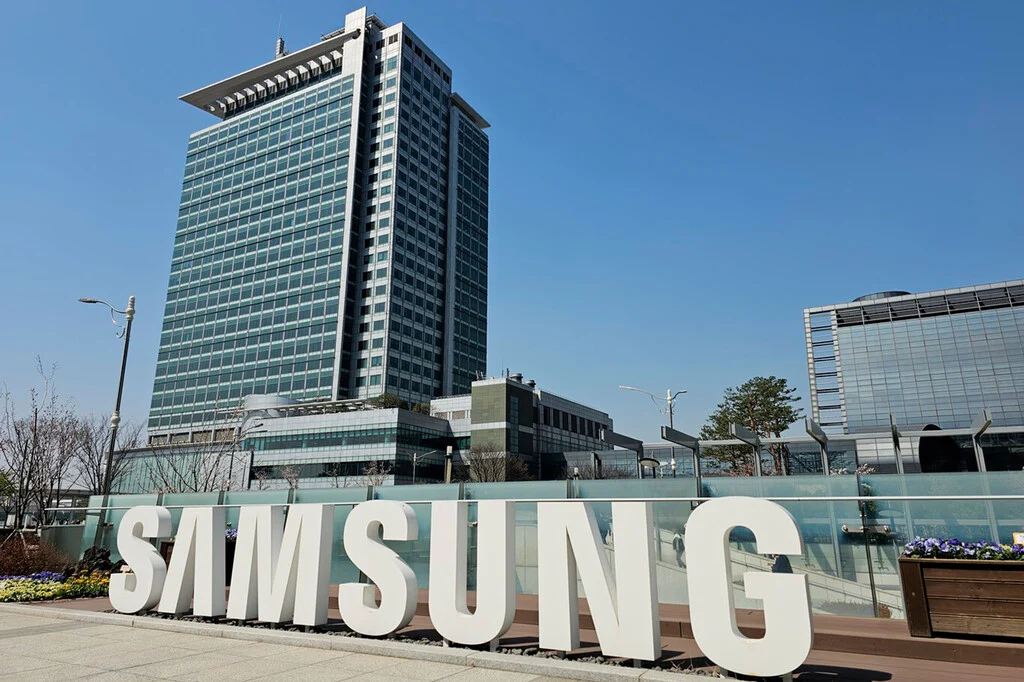

The heirs of late Samsung Group Chairman Lee Kun-hee have successfully completed the payment of a colossal inheritance tax bill totaling approximately 12 trillion South Korean won, equivalent to roughly $8 billion USD or €6.8 billion, marking the largest such contribution in South Korean history. This monumental financial undertaking, spanning five years and paid in six installments, concluded recently, solidifying the family’s commitment to their civic duties while navigating one of the most stringent inheritance tax systems globally. The successful culmination of this payment underscores the immense wealth concentrated within South Korea’s powerful chaebol conglomerates and highlights the intricate challenges associated with intergenerational wealth transfer in the nation.
The Samsung Dynasty and the Chaebol Legacy
Samsung, a name synonymous with cutting-edge technology, is far more than just a manufacturer of televisions and smartphones. Under the stewardship of its founding family, the Lee dynasty, it has evolved into a sprawling chaebol—a large, family-controlled South Korean conglomerate with diverse business interests that span virtually every sector of the economy. From its origins in trade and textiles, Samsung has diversified into heavy industries, shipbuilding, construction (responsible for iconic structures like the Burj Khalifa), financial services, biopharmaceuticals, and even theme parks. This vast network of interconnected businesses generates hundreds of billions of dollars in revenue annually, making Samsung Group a dominant force in both the domestic and global economies.
The late Lee Kun-hee, who passed away on October 25, 2020, at the age of 78, was the visionary leader credited with transforming Samsung Electronics from a low-cost appliance maker into a global technology powerhouse. His leadership, characterized by a relentless pursuit of quality and innovation, propelled Samsung to the forefront of industries like semiconductors, displays, and mobile communications. His famous "Change Everything Except Your Wife and Kids" mantra in the early 1990s epitomized his radical approach to corporate reform. His death, therefore, not only marked the end of an era for Samsung but also triggered one of the most complex and closely watched corporate successions in South Korean history, with significant implications for the nation’s economy and its socio-political landscape.
The Unveiling of an Immense Inheritance
Upon Lee Kun-hee’s passing, his estate was valued at an staggering 26 trillion Korean won, approximately $17 billion USD at the time. This vast inheritance included a significant portfolio of shares in key Samsung affiliates, notably Samsung Electronics, Samsung Life Insurance, and Samsung C&T. Beyond corporate assets, the estate also comprised substantial real estate holdings and a world-class art collection featuring masterpieces by renowned artists such as Pablo Picasso, Salvador Dalí, Claude Monet, Marc Chagall, and Pierre-Auguste Renoir. The beneficiaries of this immense fortune were his only son, Lee Jae-yong (currently the de facto head of Samsung Group), his widow, Hong Ra-hee, and his two daughters, Lee Boo-jin and Lee Seo-hyun.
The sheer scale of this inheritance immediately brought into sharp focus the substantial tax obligations that would follow. South Korea’s inheritance tax laws are among the strictest globally, designed not only to generate significant government revenue but also to address concerns about wealth concentration and to prevent the perpetual transfer of corporate control within a select few elite families without substantial public contribution.
South Korea’s Stiff Inheritance Tax Regime
South Korea operates one of the highest inheritance tax rates in the world. The standard progressive tax rate can reach up to 50% for estates exceeding 3 billion won (approximately $2.2 million USD). However, for controlling shareholders of large corporations like Samsung, an additional surcharge of 20% is applied, effectively pushing the maximum inheritance tax rate to an extraordinary 60%. This makes South Korea’s system considerably more aggressive than those in many other developed nations, where top rates typically range from 40% to 50% without such substantial surcharges for corporate control. For instance, the United States has a top federal estate tax rate of 40%, while Japan’s top rate is 55%, and many European countries have lower rates or specific exemptions.
The rationale behind South Korea’s stringent inheritance tax policy is multifaceted. It reflects a societal desire for wealth redistribution, a mechanism to fund public services, and a means to mitigate the historical criticisms surrounding the chaebol system, particularly regarding their opaque corporate governance structures and the often-controversial methods of intergenerational succession. The high tax rate aims to compel wealthy families to either divest portions of their inherited assets or make substantial financial contributions to the state, thereby ensuring that private wealth contributes significantly to the public good. The Lee family, as major shareholders, was subject to the highest possible tax rate, underscoring the government’s commitment to enforcing these regulations even against the nation’s most powerful conglomerate.
A Historic Fiscal Commitment: The $8 Billion Tax Bill
Facing an inheritance tax bill of 12 trillion won, the Lee family committed to paying this unprecedented sum, emphasizing in a public statement at the time that "the payment of taxes is a natural duty of citizens." This declaration was particularly significant in a country where chaebol families have, in the past, faced scrutiny over complex financial maneuvers aimed at minimizing tax liabilities during succession processes. The family’s public stance aimed to project an image of transparency and civic responsibility.
The enormity of the payment became even clearer when Samsung confirmed the conclusion of the installments. The total sum of 12 trillion won is not merely a record for an individual inheritance tax payment; it is equivalent to approximately 1.5 times the nation’s total inheritance tax revenue in a typical year, such as 2023 or 2022. This staggering figure highlights the scale of the Lee family’s wealth and their unparalleled contribution to the national coffers, providing a substantial boost to the South Korean government’s budget, which can be allocated to various public services and infrastructure projects. The successful collection of such a massive amount reinforces the integrity and effectiveness of South Korea’s tax system, demonstrating its capacity to enforce its regulations even against the most influential economic players.
Navigating the Five-Year Payment Plan
Disbursing a sum of $8 billion USD is a monumental challenge for any family, no matter how affluent, particularly without severely impacting the core operations or control of their primary businesses. To manage this extraordinary financial burden, the Lee family opted for a structured payment plan: six installments spread over five years, beginning in April 2021. This extended timeline provided the necessary flexibility to raise the funds without resorting to a fire sale of critical assets that could destabilize Samsung’s corporate structure or dilute the family’s control.
The strategy involved a combination of measures:
- Sale of Shares: The family divested stakes in some non-core or less strategically critical Samsung affiliates. For instance, Lee Jae-yong, Hong Ra-hee, and Lee Seo-hyun sold shares in Samsung SDS, the group’s IT services unit, and Samsung Life Insurance, a major financial services arm, to secure liquidity. These sales were carefully managed to minimize market disruption and maintain overall family control.
- Securing Loans: The heirs reportedly took out loans from financial institutions, using their existing shareholdings as collateral, to cover portions of the tax payments. This allowed them to retain direct ownership of core Samsung Electronics shares while still meeting their tax obligations.
- Art Donation (A Crucial Element): A significant and widely praised aspect of the family’s plan involved donating a substantial portion of Lee Kun-hee’s art collection to public institutions. In April 2021, the family announced the donation of over 23,000 pieces of art, including works by Korean masters and international giants like Dalí, Monet, and Picasso, to the National Museum of Korea and the National Museum of Modern and Contemporary Art. This philanthropic gesture, valued at approximately 3 trillion won (around $2.2 billion USD), significantly reduced the taxable portion of the estate, as donated assets are typically exempt from inheritance tax. Beyond the financial benefits, this move garnered considerable public goodwill, enhancing the family’s image and enriching the nation’s cultural heritage.
This meticulously planned approach allowed the family to meet their historic tax obligation while largely preserving their influential position within the Samsung Group. The process itself became a case study in managing vast wealth transfers under stringent regulatory frameworks.

Broader Implications and Legacy
The conclusion of the Samsung family’s inheritance tax payment carries far-reaching implications for the company, the Lee family, and South Korea as a whole.
Corporate Governance and Control: While the family successfully navigated the tax payment, the process inevitably led to some shifts in shareholding structures. The sale of shares in subsidiaries like Samsung SDS and Samsung Life Insurance, while strategic, slightly altered the intricate web of cross-shareholdings that underpin the chaebol‘s control. However, the family largely maintained its control over Samsung Electronics, the crown jewel of the conglomerate, ensuring continuity in leadership and strategic direction under Lee Jae-yong. The inheritance process, combined with Lee Jae-yong’s own legal challenges (including a bribery conviction and subsequent pardon), has intensified calls for greater transparency and improved corporate governance within Samsung and other chaebols.
Precedent for Future Chaebol Successions: This event sets a clear and powerful precedent for other wealthy South Korean families and chaebol leaders. It underscores the government’s unwavering commitment to its high inheritance tax rates and the substantial financial planning required for future successions. Other conglomerates are likely to scrutinize Samsung’s strategies, particularly the balance between asset sales, financing, and philanthropic donations, as they prepare for their own generational transitions. The message is unequivocal: substantial wealth transfer will incur substantial tax liabilities.
Economic Impact: The 12 trillion won payment represents a monumental contribution to South Korea’s national budget. This influx of funds can be instrumental in financing critical public services, social welfare programs, research and development initiatives, or infrastructure projects, ultimately benefiting the wider South Korean populace. It demonstrates a direct link between the nation’s wealthiest families and the state’s fiscal health.
Public Perception and Wealth Inequality: The inheritance tax saga has inevitably fueled ongoing public and political debates about wealth inequality and the power of chaebols in South Korea. While the family’s "natural duty" statement and the art donation were well-received, the sheer scale of the wealth involved continues to highlight the economic disparities within society. The event serves as a reminder of the unique role chaebols play in the economy, their immense influence, and the public’s demand for accountability and social responsibility from these powerful entities.
Cultural Philanthropy: The donation of Lee Kun-hee’s art collection is a lasting cultural legacy. It has significantly enriched the collections of major national museums, making world-class art accessible to the public and enhancing South Korea’s cultural landscape. This act of philanthropy not only mitigated the tax burden but also cultivated positive public sentiment towards the family, demonstrating a commitment to cultural enrichment beyond commercial pursuits.
In conclusion, the successful completion of the Samsung family’s $8 billion inheritance tax payment marks a pivotal moment in South Korean corporate history. It is a testament to the nation’s robust tax system, a strategic triumph for the Lee family in navigating a complex financial challenge, and a significant contribution to the public good. The event solidifies the precedent for wealth transfer within the chaebol system, reinforcing the imperative for meticulous financial planning and civic responsibility, while simultaneously contributing to ongoing societal discussions about wealth, power, and the future direction of South Korea’s economic landscape.
