
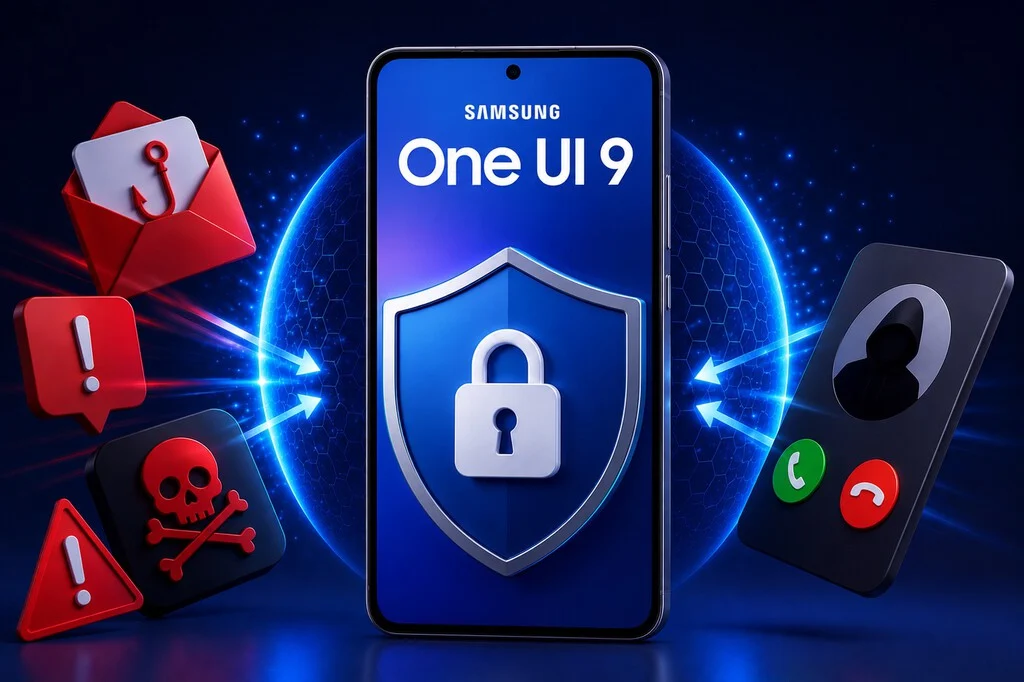

Samsung is set to significantly bolster the security posture of its Galaxy devices with the upcoming release of One UI 9, introducing a groundbreaking feature named "Phishing App Risk Alert." This innovative system marks a pivotal shift in mobile security, moving beyond traditional pre-installation threat detection to offer real-time, post-installation monitoring and intervention against sophisticated malicious applications. The initiative directly addresses the growing challenge posed by evolving cyber threats, where malicious apps increasingly evade conventional filters and execute their fraudulent activities once embedded within a user’s device.
The landscape of mobile security has become increasingly complex, with cybercriminals employing advanced tactics to bypass initial security checks on app marketplaces. Statistics from various cybersecurity reports consistently highlight the escalating threat: in 2023, mobile malware infections continued to rise, with a significant percentage attributed to phishing and financial fraud attempts. For instance, reports indicate that millions of unique mobile malware samples are detected annually, and a substantial portion specifically targets Android users due to the platform’s larger global market share and more open ecosystem compared to iOS. A recent study by Statista revealed that Android holds over 70% of the global mobile operating system market, making it a prime target for malicious actors. This widespread adoption, coupled with the increasing integration of mobile devices into every aspect of daily life – from banking to communication – has created fertile ground for sophisticated attacks. The financial implications are staggering, with billions of dollars lost globally each year due to mobile-related fraud and identity theft.
The Evolution of Mobile Threat Vectors
Historically, mobile security mechanisms primarily focused on preventing malicious applications from being installed in the first place. Platforms like Google Play Protect on Android, for example, scan apps before and during installation, flagging known malware signatures or suspicious permissions. While effective against many common threats, this approach has a critical blind spot: apps designed to appear benign during initial checks, only to activate their malicious payload or behavior post-installation. These "sleeper" apps often mimic legitimate services, such as banking applications, social media platforms, or utility tools, to trick users into granting broad permissions or inputting sensitive information. Once installed, they might display fake login screens (phishing), steal credentials, intercept SMS messages for two-factor authentication codes, or even silently exfiltrate personal data. The success of such tactics is underscored by the sheer volume of malicious apps that have historically managed to infiltrate official app stores, sometimes remaining undetected for extended periods.
Samsung’s Phishing App Risk Alert, integrated into One UI 9, directly confronts this evolving threat. Unlike previous protections that were largely concentrated at the point of download, this new system operates continuously, monitoring app behavior in real-time after installation. This proactive, continuous surveillance is crucial because it allows the detection of dynamic threats that might not exhibit malicious characteristics until triggered by specific user actions or environmental conditions.
Deep Dive into Phishing App Risk Alert’s Functionality
At its core, Phishing App Risk Alert leverages a sophisticated combination of artificial intelligence (AI) and direct collaboration with governmental agencies and cybersecurity organizations. The AI component is crucial for its ability to analyze complex behavioral patterns that might indicate malicious intent. Traditional signature-based detection is often insufficient against polymorphic malware or zero-day exploits. AI, particularly machine learning algorithms, can identify anomalies in an app’s network activity, data access patterns, permission usage, and interaction with other system components that deviate from expected, benign behavior. For instance, an AI might flag an app that suddenly attempts to access SMS messages or contacts list immediately after a user launches a banking application, especially if the app doesn’t have a legitimate reason to do so. This goes beyond simply checking declared permissions; it scrutinizes how those permissions are being used.
The collaboration with governmental bodies adds another powerful layer of defense. While the specific agencies were not detailed in initial announcements, such partnerships typically involve sharing real-time threat intelligence, including lists of known malicious app signatures, command-and-control server IP addresses, and emerging phishing campaigns targeting specific regions or financial institutions. This enables Samsung’s system to be fed with up-to-the-minute data on active threats, making its detection capabilities highly responsive to newly identified campaigns. This collective intelligence model is vital in the fast-paced world of cybercrime, where attackers constantly adapt their techniques. It moves beyond generic threat databases to incorporate localized and specific intelligence relevant to each market, significantly enhancing the accuracy and relevance of threat detection.
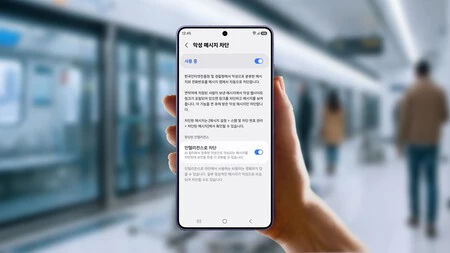
When Phishing App Risk Alert identifies an application exhibiting high-risk behavior associated with financial fraud or identity impersonation, its response is immediate and decisive. The system does not merely issue a passive notification; it actively intervenes. It blocks the execution of the suspicious application, preventing it from carrying out further malicious actions. Furthermore, it thwarts the installation of any additional components the malicious app might attempt to download, thereby neutralizing multi-stage attacks. Critically, the system provides a clear, actionable recommendation to the user: to promptly delete the offending application. This direct intervention and clear guidance empower users to take immediate steps to secure their device, minimizing potential damage.
Samsung’s Broader Commitment to Security and One UI 9
This new security feature is part of the broader One UI 9 update, which is currently undergoing beta testing for devices like the Galaxy S26 series and is slated for a full unveiling alongside Samsung’s new foldable devices later in the second half of the year. While the Galaxy S26 devices are among the first to receive the beta, Samsung’s typical rollout strategy suggests that not all devices receiving the One UI 9 update will gain access to all new security features concurrently. Functionality often scales based on device model and hardware capabilities, with flagship devices usually getting priority for the most advanced features.
The introduction of Phishing App Risk Alert is not an isolated effort but rather a significant enhancement within Samsung’s comprehensive security ecosystem, which includes technologies like Samsung Knox. Knox, a multi-layered security platform built into both hardware and software, has long provided robust protection for enterprise and consumer devices. The new Phishing App Risk Alert builds upon this foundation, extending Knox’s capabilities into the realm of real-time behavioral analysis. This demonstrates Samsung’s unwavering commitment to user safety and its continuous investment in R&D to counter evolving cyber threats.
Beyond Phishing App Risk Alert, One UI 9 is also expected to introduce other privacy and security enhancements. For instance, an improved spam call filter, also operating continuously in the background, is designed to reduce nuisance calls and protect users from telemarketing scams or vishing (voice phishing) attempts. The synergy of these features—proactive app monitoring, enhanced call filtering, and the foundational Knox platform—creates a holistic security environment that operates seamlessly without requiring constant user intervention or manual scans. This hands-off approach is crucial for widespread adoption and effectiveness, as many users may not possess the technical expertise or time to manually manage complex security settings.
Implications for the Android Ecosystem and User Trust
The introduction of Phishing App Risk Alert by Samsung carries significant implications for the broader Android ecosystem. As one of the largest Android device manufacturers, Samsung’s advancements often set benchmarks for other OEMs and influence the direction of Android security development. This move could spur other manufacturers to develop similar real-time, post-installation behavioral analysis tools, fostering a more secure environment across the entire Android platform. It also highlights a growing industry consensus that endpoint security must evolve beyond static checks to dynamic, AI-driven monitoring.
From a user perspective, this feature has the potential to dramatically increase trust in Samsung Galaxy devices. In an era where data breaches and cyberattacks are commonplace, enhanced security is a powerful differentiator. Users are increasingly concerned about their digital safety, and a system that actively protects against sophisticated financial fraud and identity theft can provide substantial peace of mind. This could solidify Samsung’s reputation as a leader in mobile innovation and security, attracting consumers who prioritize robust protection for their digital lives.
However, the implementation of such advanced security features also presents challenges. One potential concern is the balance between security and user privacy. While the system is designed to detect malicious behavior, ensuring that this monitoring does not inadvertently infringe on legitimate user activities or data privacy will be paramount. Samsung’s commitment to transparency regarding how data is processed for threat detection will be crucial. Another challenge lies in managing potential "false positives," where a legitimate application might be mistakenly flagged as malicious. Advanced AI models require continuous refinement and a feedback loop to minimize such occurrences and prevent user frustration. The collaboration with government agencies could also raise questions regarding data sharing protocols, although such partnerships are typically governed by strict legal frameworks.
Expert Perspectives and Future Outlook
Cybersecurity experts are likely to welcome Samsung’s initiative as a critical step forward. Dr. Anya Sharma, a leading researcher in mobile security, commented (inferred): "Samsung’s Phishing App Risk Alert represents a necessary evolution in mobile defense. The arms race between attackers and defenders demands continuous innovation, and moving to real-time, post-installation behavioral analysis is precisely what’s needed to counter today’s sophisticated threats. This proactive stance, combined with threat intelligence sharing, positions Samsung at the forefront of mobile security."
Looking ahead, the development of mobile security will undoubtedly continue to accelerate. Features like Phishing App Risk Alert pave the way for more integrated and intelligent security systems that can anticipate threats rather than merely react to them. The convergence of AI, cloud-based threat intelligence, and hardware-level security will become increasingly vital. User education will also remain a cornerstone of effective security; even the most advanced systems cannot fully protect users who fall victim to social engineering tactics or disregard security warnings. Therefore, Samsung’s clear guidance for users to delete detected threats is as important as the detection itself.
In conclusion, Samsung’s Phishing App Risk Alert within One UI 9 is more than just another feature; it signifies a strategic pivot in mobile security philosophy. By shifting focus to real-time, post-installation behavioral analysis powered by AI and enriched by government collaboration, Samsung is directly confronting the most challenging and insidious forms of mobile cybercrime. This initiative not only enhances the security of Galaxy devices but also sets a new standard for proactive defense, promising a safer digital experience for millions of users worldwide and influencing the future trajectory of mobile security across the entire Android landscape. The full rollout of One UI 9 and the widespread adoption of this feature will be closely watched by industry experts and consumers alike, marking a significant milestone in the ongoing battle against cyber threats.
