

Veteran IoT Journalist Announces Departure from Weekly Newsletter and Podcast Amidst Burnout and Evolving Industry Concerns
Stacey on IoT, a prominent voice in the Internet of Things (IoT) space for nearly a decade, has announced the cessation of its weekly newsletter and podcast, marking a significant shift for the publication and its dedicated readership. The final installment, published on Friday, August 18, 2023, signals a temporary hiatus for the journalist, citing professional burnout and a growing disillusionment with the current trajectory of the connected device industry.
While this marks the end of a regular content schedule, it is not a definitive farewell. The author plans to maintain a presence on the social platform Bluesky, under the handle @gigastacey.bsky.social, and may publish occasional newsletters on topics that evoke a strong conviction. This decision follows a distinguished career that began in 2016, shortly after the author departed from their role as senior editor at Fortune, a move that was met with considerable skepticism by industry observers at the time.
The impetus for launching Stacey on IoT was a desire to delve deeply into the multifaceted implications of integrating computing capabilities into virtually every aspect of daily life. This ambitious undertaking aimed to explore both the technological advancements and the profound societal shifts driven by the burgeoning IoT ecosystem. The author expressed profound gratitude to the thousands of readers and listeners who joined this journey, acknowledging that the venture’s sustainability was contingent upon their engagement and the support of its sponsors. This period of dedicated coverage has been described as an exceptional privilege, made possible by the readership’s time and willingness to share their experiences.
"I am exceedingly lucky to have been able to do this, and it’s all thanks to you giving me your time and your stories," the author stated in the concluding newsletter. "I am truly grateful."
A Shift Towards Deeper Analysis and Personal Projects
The transition is not an outright exit from the field of technology journalism but rather a strategic pivot. The author anticipates contributing occasional blog posts to the Consumer Reports Innovation Lab, potentially focusing on areas of cybersecurity and privacy. Furthermore, there is a possibility of undertaking freelance assignments for other publications in the near future. However, the overarching objective is to step away from the relentless pace of daily news cycles, which has spanned over two decades. This break is intended to allow for more in-depth exploration of the broader, long-term implications of products and innovations that have been a constant focus.
The author’s reflections highlight a consistent concern regarding the inherent complexities and risks associated with the proliferation of connected devices. As early as 2012, when the smart home market began to gain traction, the author observed that these devices introduced not only convenience but also the potential for government or corporate surveillance. Over time, the evolving business models of connected products have oscillated between costly subscription services and aggressive data collection practices, raising persistent questions about user privacy and data security.
Industry Trends and Growing Cynicism
Beyond the domestic sphere, the author notes the increasing use of technology in workplace monitoring, designed to optimize employee performance to extreme levels, primarily for the benefit of the bottom line. While the recent emphasis on Environmental, Social, and Governance (ESG) initiatives by corporations has spurred investments in technologies aimed at carbon reduction and operational efficiency, there is a perception that these efforts may be insufficient or, in some instances, a form of "greenwashing" to mask less sustainable practices.
Despite a genuine passion for technology and a fundamental belief in the power of innovation to solve problems, the author confesses to experiencing significant burnout. This fatigue has unfortunately led to a growing cynicism towards new startups and research endeavors, which, in turn, hinders the ability to become enthusiastic about genuinely promising ideas.
"I love technology. And I fundamentally believe that people who are trying to solve problems with new technological innovations can make a difference. But I’m burned out, and increasingly cynical when it comes to new startups or research. That prevents me from getting excited about the truly good ideas out there," the author explained.
This stepping back is a deliberate attempt to recharge and regain a sense of excitement about technological progress and human ingenuity. The hope is to rediscover stories that warrant passionate explanation and dissemination. In the interim, personal projects are underway, including a consulting role with Consumer Reports’ Innovation Lab, specifically targeting cybersecurity and privacy issues pertinent to connected devices.
A Call for Continued Engagement on Safety and Security
The author remains eager to hear from the community about their experiences with connected devices and intends to proactively engage with individuals to discuss potential pathways toward making these technologies safer, more secure, and ultimately more beneficial for all users. This collaborative approach underscores a commitment to the ongoing dialogue surrounding responsible innovation in the IoT landscape.
To maintain contact and share insights, readers are encouraged to reach out via email at [email protected]
Background and Timeline of Stacey on IoT
The genesis of Stacey on IoT can be traced back to 2016, a period marked by rapid expansion and increasing public awareness of the Internet of Things. The author’s departure from Fortune, a publication with a long-standing reputation for business and financial journalism, was a deliberate move to focus exclusively on the burgeoning and complex world of connected devices.
- 2012: Author begins covering the smart home market, identifying early concerns about complexity and surveillance.
- 2016: Stacey on IoT is launched as a dedicated platform for in-depth analysis of the Internet of Things, following a departure from Fortune. The initial focus is on understanding the technological and societal ramifications of embedding computing into everyday objects.
- 2017-2022: The weekly newsletter and podcast gain a significant following, becoming a trusted source for news, analysis, and commentary on IoT trends, including smart home devices, industrial IoT, data privacy, and security vulnerabilities. The platform often highlights emerging technologies and their potential impact on consumers and businesses.
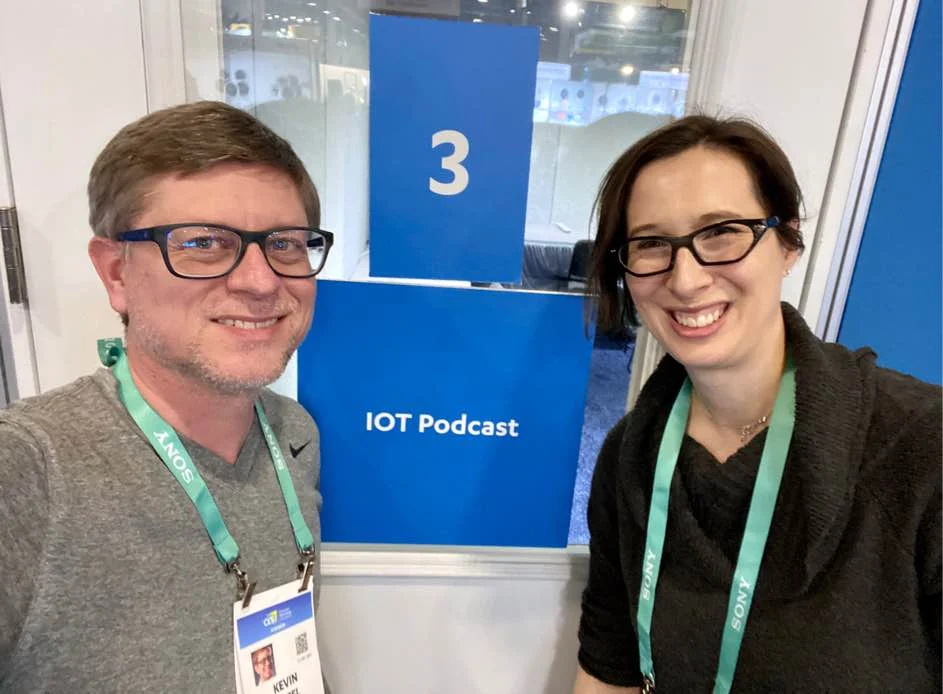
- 2020: A photograph taken at CES 2020 captures a moment at the podcasting booth, symbolizing the on-the-ground engagement with the industry at major technology expos. This period also saw increasing discussions around the business models of connected devices, with a notable shift towards subscription services and data monetization.
- 2023: The author announces a hiatus from regular content production, citing burnout and a critical assessment of the industry’s direction, particularly concerning data privacy, security, and the ethical implications of pervasive monitoring.
Supporting Data and Industry Context
The concerns raised by the author are supported by a growing body of data and industry reports. The global IoT market has experienced exponential growth. Projections from Statista indicate that the number of connected IoT devices worldwide was estimated to reach 14.7 billion in 2023, with an expected surge to 29.3 billion by 2030. This rapid expansion underscores the pervasiveness of IoT in both consumer and industrial sectors.
However, this growth has been accompanied by significant challenges. A 2022 report by NortonLifeLock found that approximately 60% of consumers expressed concerns about the security of their IoT devices. Furthermore, data breaches involving IoT devices have become increasingly common. For instance, the Internet of Things Security Foundation (IoTSF) regularly publishes reports detailing vulnerabilities and attack vectors targeting connected devices, highlighting issues ranging from weak default passwords to unpatched firmware.
The business models of IoT companies have also come under scrutiny. A significant portion of revenue generation in the smart home sector, for example, is derived from subscription fees for premium features or cloud storage. This has led to a situation where consumers may face recurring costs for devices that were initially purchased as a one-time investment. Simultaneously, the collection and monetization of user data remain a central pillar for many platforms, raising ongoing privacy debates.
In the enterprise sector, the deployment of IoT for employee monitoring has seen a marked increase. A survey by Gartner in 2022 suggested that over 70% of organizations were either implementing or planning to implement IoT solutions for workforce management and productivity tracking. While proponents argue for enhanced efficiency and safety, critics point to the potential for overreach and the erosion of employee privacy.
The emphasis on ESG initiatives, while a positive development, also presents its own set of complexities. While many companies are investing in IoT solutions for energy management and emissions tracking, the challenge lies in ensuring these investments lead to genuine sustainability improvements rather than superficial reporting. The risk of "greenwashing" is particularly pertinent when the core business practices may not align with environmental goals.
Broader Impact and Implications
The decision by Stacey on IoT to step back from its regular programming reflects a broader sentiment within the technology journalism community and among informed consumers. The relentless pace of innovation, coupled with persistent ethical and security challenges, has created a landscape that can be both exciting and deeply concerning.
The author’s emphasis on burnout is a relatable phenomenon in fast-paced, high-demand industries. The need for journalists to critically engage with emerging technologies while also navigating the pressures of content creation can lead to exhaustion. This situation highlights the importance of sustainable journalistic practices and the value of periods of reflection and recalibration.
The author’s intended focus on cybersecurity and privacy issues within the Consumer Reports Innovation Lab is particularly relevant. As the number of connected devices continues to multiply, ensuring that these devices are designed and implemented with robust security and privacy safeguards becomes paramount. The potential for these devices to become vectors for cyberattacks or tools for mass surveillance necessitates ongoing scrutiny and advocacy.
The author’s call for continued engagement from the community signifies the enduring value of shared experiences and collective knowledge in shaping the future of technology. By encouraging readers to share their insights and concerns, the author aims to foster a more informed and proactive approach to the development and deployment of connected technologies. This collaborative spirit is essential for navigating the complex ethical and practical challenges that lie ahead.
The legacy of Stacey on IoT lies in its consistent effort to provide nuanced analysis and critical perspective on a rapidly evolving technological frontier. While the regular output may cease, the author’s commitment to addressing key issues and engaging with the community suggests that their influence on the discourse surrounding the Internet of Things will continue. The ongoing dialogue about making connected devices safer, more secure, and better for everyone remains a critical endeavor, and the author’s continued involvement, albeit in a different capacity, will undoubtedly contribute to this vital conversation.
