
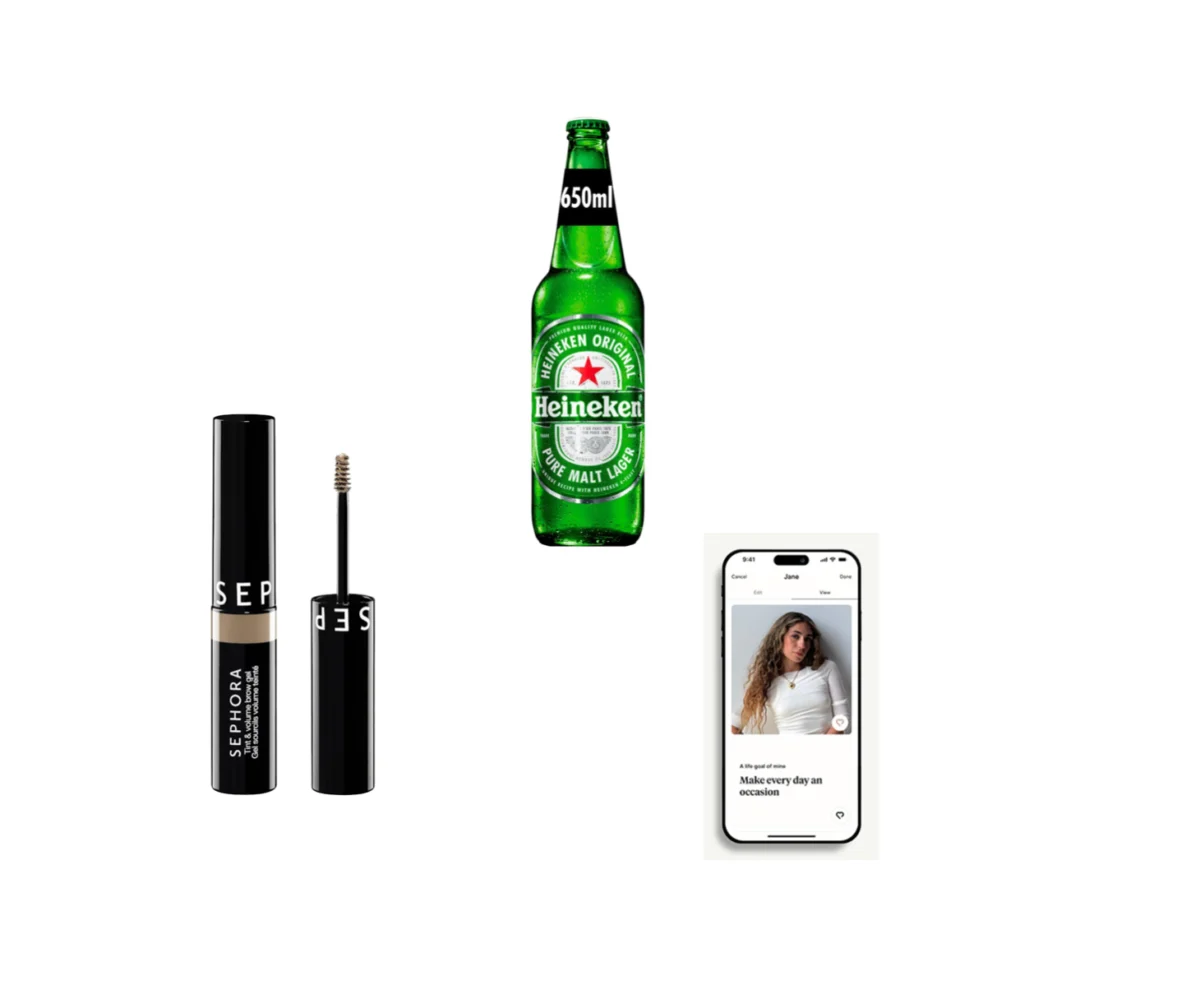

The 71st annual Cannes Lions International Festival of Creativity, held along the French Riviera, has historically served as a barometer for the global advertising and marketing industry. While previous years were dominated by the rise of social media, the metaverse, or sustainability, the 2024 gathering made it clear that artificial intelligence (AI) has moved from a peripheral technical curiosity to the central pillar of the marketing function. From the branded hospitality "beaches" to the keynote stages, the presence of Large Language Models (LLMs) and generative tools was omnipresent. However, as the initial "hype cycle" begins to stabilize, senior marketing executives from global brands like Heineken, Sephora, and Hinge are shifting the conversation away from mere automation toward a more nuanced integration of AI and human creativity.
The Shift from Execution to Strategic Insight
The primary value of AI in the current marketing landscape is increasingly being found at the "top of the funnel"—the research and insight phase—rather than just the final creative output. Marta García Alonso, Vice President of Marketing at Heineken Mexico, emphasized that AI’s most transformative potential lies in its ability to process vast quantities of data to identify consumer patterns that would be invisible to the human eye. According to García Alonso, the human brain is simply not equipped to ingest and synthesize the volume of data now available, making AI an essential partner in the early stages of the thinking process.
"I’m very passionate about what AI can do at the beginning of the thinking process," García Alonso noted during the festival. She argued that the ability to elevate work by finding specific insights within diverse audiences allows brands to multiply the effectiveness of their subsequent campaigns. For Heineken, the focus is not on replacing the creative end-product but on using AI to refine the "who" and the "why" before a single ad is produced. This approach aligns with broader industry trends where data-driven "precision marketing" has become the gold standard for global consumer packaged goods (CPG) companies.
The Democratization of Design and the Rise of "AI Surrealism"
While global corporations are using AI for high-level data analysis, the technology is also causing a visible shift at the grassroots level. Zena Arnold, Chief Marketing Officer at Sephora US, highlighted a fascinating trend occurring within small businesses and street-level commerce. Arnold pointed to a recent phenomenon in several U.S. cities where food cart vendors—traditionally limited by the standardized signage of a few providers—are now using tools like ChatGPT and Gemini to create bespoke, often surrealist branding.
Arnold described an "explosion" of AI-generated imagery on these carts, moving away from generic text toward vibrant, imaginative visuals, such as a tiger eating a hot dog. One specific case involved a vendor who used AI to incorporate his own personality and likeness into his signage. This move led to a measurable increase in foot traffic because customers felt a more authentic, personal connection to the vendor.
This anecdote serves as a microcosm for a larger industry challenge. As AI tools democratize high-quality imagery and copy, the marketplace is becoming saturated with AI-generated content. Arnold suggested that as these tools become more accessible, the competitive advantage will return to "human truths." The successful marketers of the future will be those who use the tools to communicate a unique, authentic brand identity rather than just generating content for content’s sake.
Authenticity and the Human Connection in Digital Spaces
For brands centered on interpersonal relationships, the integration of AI requires an even more delicate balance. Tamika Young, Chief Marketing and Communications Officer at the dating app Hinge, argued that while AI can create efficiencies, it cannot automate the core of human storytelling. Hinge, which markets itself as the dating app "designed to be deleted," relies heavily on the concept of genuine human connection—a territory that remains difficult for algorithms to navigate authentically.
Young emphasized that AI is a tool for operational efficiency but cannot replicate the nuance of creativity born from human experience. This perspective is particularly relevant as more brands move away from traditional social media channels in favor of niche, high-trust environments. Hinge, for instance, does not maintain a traditional social media presence with regular content updates. Instead, the brand leans into the "creator economy," partnering with writers, authors, and Substack contributors to tell long-form, authentic stories about dating and relationships.
The Evolution of the Creator Economy
The role of the "creator" is also undergoing a fundamental transformation. García Alonso noted that over the last 24 months, creators have evolved from mere influencers into sophisticated media channels in their own right. By mixing brand experiences with creator-led content, companies can build audiences in more nuanced ways. Each creator brings a unique perspective that a centralized brand department might never conceive, allowing for a "multiplication effect" on the brand’s reach and trust.
Young echoed this sentiment, noting that Hinge views creators as foundational to their marketing approach because they carry built-in trust with their communities. By commissioning writers and utilizing platforms like Substack, brands are looking ahead to where the creator economy is moving—away from algorithmic feeds and toward intentional, community-driven connections.
Organizational Impact and the New Marketing Skill Set
The rapid advancement of AI and the diversification of media channels are placing unprecedented pressure on the organizational structure of marketing departments. Zena Arnold of Sephora observed that the role of the marketer has expanded from the "old world" of simply making ads and buying media to a complex orchestration of social media, influencers, LLMs, and in-house talent.
This complexity has made it difficult for some CEOs and non-marketing executives to fully grasp the level of specialization now required. Arnold suggested that the modern CMO must act as an "orchestrator," ensuring that a cohesive message is delivered across a fragmented ecosystem. To survive this transition, marketing professionals must adopt a mindset of constant experimentation and agility.
"I tell everyone, don’t get comfortable," Arnold stated. "Your role, your team might change dramatically year-to-year, month-to-month, moment-to-moment."
Supporting Data and Market Context
The insights shared at Cannes Lions are supported by recent industry data. According to a 2024 report by Gartner, nearly 63% of marketing leaders plan to invest in generative AI in the next 24 months. Furthermore, a Forrester study found that while AI is expected to automate up to 30% of advertising agency tasks by 2030, the demand for high-level creative strategy and "human-in-the-loop" oversight is projected to grow.
The creator economy, which García Alonso and Young identified as a critical media channel, is currently valued at approximately $250 billion and is expected to reach $480 billion by 2027, according to Goldman Sachs. This growth underscores the shift from traditional "push" advertising to "pull" marketing driven by authentic voices.
Timeline of AI’s Integration in Marketing
- 2020-2021: Early adoption of AI for programmatic ad buying and basic predictive analytics.
- Late 2022: The launch of ChatGPT marks the beginning of the Generative AI era, sparking widespread experimentation with copy and image generation.
- 2023: A "year of pilot programs" where brands tested AI for internal efficiencies and localized creative assets.
- 2024: AI becomes the central theme of Cannes Lions, with a focus on "orchestration," data-driven insights, and the preservation of human storytelling.
Broader Implications and Analysis
The consensus among leaders at Cannes Lions suggests that the marketing industry is entering a "post-hype" phase. The initial fear that AI would replace human creatives is being replaced by a more pragmatic understanding of the tool’s limitations. AI is excellent at "finding the needle in the haystack" (insights) and "painting the fence" (repetitive execution), but it remains incapable of the "leap of faith" required for true creative innovation.
The successful marketing function of 2025 and beyond will likely be characterized by:
- Insight-First Strategies: Using LLMs to analyze consumer sentiment and cultural trends in real-time.
- Hybrid Content Models: Using AI for scale and creators for authenticity and trust.
- Agile Organizational Structures: Moving away from rigid hierarchies toward flexible, multidisciplinary teams that can pivot as technology evolves.
As the festival concluded, the message to the global marketing community was clear: the tools are changing at an exponential rate, but the fundamental objective remains the same. Whether it is a global beer brand, a luxury beauty retailer, or a dating app, the winners will be those who use AI to uncover human truths and build authentic connections in an increasingly automated world.
