
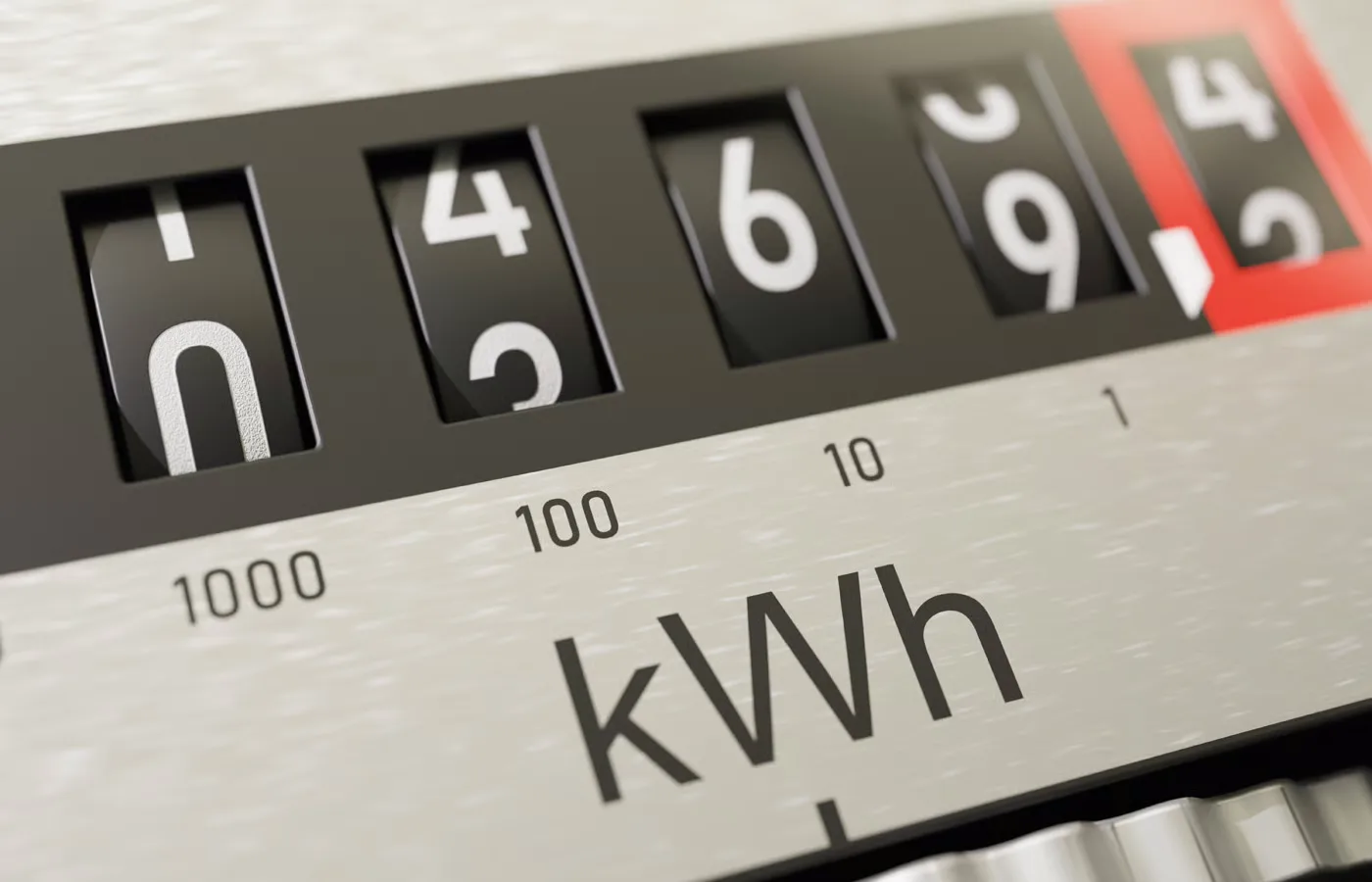

Energy consumption represents one of the most significant operational expenses for data centers, with the costs associated with powering servers and the extensive cooling systems required to dissipate their heat reaching substantial figures. As the global demand for data processing, storage, and transmission continues its exponential growth, so too do the energy requirements and, consequently, the operating expenditures of these vital digital infrastructure hubs. This article delves into the intricacies of data center power consumption, identifies its primary drivers, and outlines key strategies for optimization, examining the profound business and environmental implications of achieving greater energy efficiency.
The Complex Ecosystem of Data Center Power Consumption
Understanding how data centers consume power requires a comprehensive look at the interconnected systems that enable their operation. It’s a multifaceted process involving a robust power infrastructure, the energy-hungry computing equipment itself, and the essential climate control systems.
Power Infrastructure: The Foundation of Operation
At the bedrock of any data center’s power consumption is its intricate power infrastructure. This begins with the primary power source, typically drawn from the electrical grid. However, ensuring uninterrupted service necessitates a layered approach to power delivery and resilience. Uninterruptible Power Supplies (UPS) act as immediate buffers, providing clean and stable power during brief fluctuations or outages. For longer durations, standby generators, often fueled by diesel or natural gas, are crucial to maintain operations. The electricity then flows through Power Distribution Units (PDUs), which manage and distribute power to the racks of servers and other critical equipment, much like the electrical panel in a home, but on a vastly larger and more sophisticated scale. The efficiency and reliability of this infrastructure directly impact overall energy usage and the risk of downtime.
Servers and Computing Equipment: The Core Energy Consumers
The servers themselves are the heart of the data center, performing the immense computational tasks of processing, storing, and transmitting data. Their power consumption is directly proportional to their workload. High-performance computing (HPC) clusters, artificial intelligence (AI) training, and large-scale data analytics all demand significant processing power, leading to increased energy draw. Beyond servers, a data center’s power footprint includes network switches, routers, storage arrays, and specialized hardware accelerators like GPUs, all of which contribute substantially to the total energy demand. The evolution of computing hardware, from dense rack servers to hyperconverged infrastructure, continually reshapes these consumption patterns.
Cooling and Climate Control: The Essential Counterbalance
Servers generate a considerable amount of heat as a byproduct of their operation. To prevent overheating and ensure optimal performance and longevity, sophisticated cooling and climate control systems are indispensable. These systems, encompassing Computer Room Air Conditioner (CRAC) units, chillers, cooling towers, and sometimes even liquid cooling solutions, are responsible for dissipating this generated heat. The energy required for cooling can represent a significant portion of a data center’s total power consumption, with some estimates suggesting it can approach, or even exceed, the power used by the IT equipment itself in less efficient designs. Maintaining precise temperature and humidity levels is a delicate and energy-intensive balancing act.
Power Usage Effectiveness (PUE): The Industry Benchmark
To quantify and compare the energy efficiency of data centers, the industry widely adopts the Power Usage Effectiveness (PUE) metric. PUE is calculated as the ratio of the total facility energy consumption to the energy consumed by the IT equipment. An ideal PUE of 1.0 would signify that 100% of the power entering the data center is used solely for IT operations. However, in reality, virtually all data centers have a PUE greater than 1.0 due to the energy expended by supporting infrastructure, most notably cooling systems, as well as lighting, security, and other auxiliary systems. A lower PUE indicates a more efficient data center. The average PUE for data centers globally has been steadily declining, moving from over 2.0 in the early 2000s to closer to 1.5 in modern facilities, reflecting significant advancements in efficiency.
Lighting and Auxiliary Systems: The Ancillary Draw
While not the primary drivers of energy consumption, the energy used for lighting, security systems, monitoring equipment, and other auxiliary functions does contribute to the overall power draw. The adoption of energy-efficient LED lighting, motion sensors, and optimized operational schedules for these systems can lead to incremental but valuable energy savings.
Power Fluctuations and Demand Scaling: Dynamic Consumption Patterns
Data center power consumption is inherently dynamic, fluctuating significantly based on real-time demand. During peak operational periods, when more applications are running and more users are accessing services, additional servers are often brought online, leading to a surge in power usage. Conversely, during off-peak hours, with reduced workloads, power consumption naturally decreases. Modern data centers leverage advanced techniques such as virtualization and dynamic workload management to optimize power consumption, scaling resources up or down as needed to match the demand, thereby avoiding unnecessary energy expenditure.
Key Factors Influencing Power Consumption
Beyond the core components, several interconnected factors exert a significant influence on a data center’s overall power consumption. Understanding these drivers is paramount for developing effective optimization strategies.
- IT Equipment Density and Performance: Higher density racks packed with powerful servers and accelerators, while maximizing space utilization, also concentrate heat generation and power draw. The increasing demand for AI and machine learning workloads, which often utilize power-intensive GPUs, is a significant contributor to rising energy needs.
- Cooling System Design and Efficiency: The type of cooling technology employed (air-based, liquid-based, free cooling), its operational efficiency, and how effectively it’s managed (e.g., airflow management, setpoint temperatures) have a direct impact on energy consumption. Older or less efficient cooling systems can be substantial energy drains.
- Ambient Environmental Conditions: External temperature and humidity play a crucial role, especially for facilities utilizing free cooling or evaporative cooling techniques. Warmer climates may necessitate more energy-intensive cooling solutions year-round.
- Data Center Utilization Rate: The degree to which servers and other IT equipment are actively used directly correlates with power consumption. Underutilized equipment still draws power, leading to inefficiency.
- Age and Efficiency of Hardware: Older generations of servers, networking gear, and storage solutions are generally less energy-efficient than their modern counterparts. Regular hardware refreshes are essential for maintaining optimal power usage.
- Operational Practices and Management: Effective data center management practices, including power capping, load balancing, and proactive maintenance, can significantly influence energy efficiency. The implementation of Data Center Infrastructure Management (DCIM) software plays a vital role here.
- Power Delivery Infrastructure Efficiency: Losses can occur within the power distribution system itself, from transformers to cabling. Efficient power supply units (PSUs) within servers and optimized power distribution paths minimize these losses.
- Redundancy Levels: While essential for reliability, redundant power and cooling systems that are always running at full capacity can increase overall energy consumption. Strategic design and operational adjustments can mitigate this.
5 Strategies for Optimizing Data Center Power Consumption
Achieving greater energy efficiency in data centers is not merely an environmental imperative; it is a critical business strategy that directly impacts operational costs, competitiveness, and long-term sustainability. Implementing the following five strategies can yield significant improvements:
1. Implementing Energy-Efficient Hardware
The most direct route to reducing power consumption lies in the selection and deployment of energy-efficient hardware. This involves a multi-pronged approach:
- Upgrading to Modern Servers: Newer server generations typically offer significantly improved performance per watt. This means achieving the same or greater computational power with less energy. Manufacturers are increasingly designing servers with advanced power management features and higher efficiency power supply units.
- Transitioning to Solid-State Drives (SSDs): SSDs consume considerably less power than traditional Hard Disk Drives (HDDs), especially when idle. As data storage needs grow, the cumulative energy savings from widespread SSD adoption can be substantial.
- Prioritizing Energy Star and Other Certifications: Equipment that adheres to recognized energy efficiency standards, such as Energy Star, guarantees a certain level of performance and reduced power draw. Procurement policies should prioritize certified hardware.
- Right-Sizing Compute Resources: Avoiding over-provisioning of servers by accurately assessing workload needs and deploying appropriately sized hardware, rather than simply opting for the largest available models, can prevent unnecessary energy expenditure.
2. Enhancing Cooling Systems
Cooling is a major energy consumer, making its optimization a top priority. Innovative approaches are crucial:
- Adopting Advanced Cooling Technologies: Beyond traditional CRAC units, consider liquid cooling solutions (e.g., direct-to-chip, immersion cooling). These can be significantly more efficient, especially for high-density computing environments, by bringing cooling closer to the heat source.
- Leveraging Free Cooling and Economizers: Where climate permits, utilizing outside air for cooling (free cooling) through economizers can dramatically reduce reliance on mechanical refrigeration. This involves carefully filtering and introducing ambient air when temperatures are favorable.
- Optimizing Airflow Management: Implementing strategies like hot aisle/cold aisle containment is fundamental. This physically separates the hot exhaust air from servers from the cool intake air, preventing mixing and improving the efficiency of air cooling systems. Blanking panels in unused rack spaces also prevent air bypass.
- Precision Cooling and Setpoint Management: Instead of overcooling entire rooms, employing precision cooling units that deliver chilled air directly to where it’s needed, and carefully managing thermostat setpoints to the higher end of the recommended range (e.g., 75-80°F or 24-27°C), can yield considerable energy savings without compromising equipment reliability.
3. Virtualization and Server Consolidation
Virtualization has revolutionized data center efficiency by abstracting hardware resources.
- Maximizing Server Utilization: Virtualization allows multiple virtual machines (VMs) to run on a single physical server. This consolidation drastically reduces the number of physical servers required, leading to lower power consumption, reduced cooling needs, and a smaller physical footprint.
- Dynamic Workload Balancing: Virtualization platforms enable intelligent distribution of workloads across available physical servers. This ensures that servers are utilized efficiently, and idle or underutilized machines can be powered down or put into low-power states, further conserving energy.
- Leveraging Cloud Computing: For certain applications and workloads, migrating to public or private cloud environments can offload energy demands from on-premises data centers. Cloud providers, with their massive scale and dedicated efficiency efforts, can often achieve higher levels of energy efficiency than individual organizations.
4. Implementing Power Management Software Solutions
Intelligent software is key to granular control and optimization.
- Data Center Infrastructure Management (DCIM) Tools: Comprehensive DCIM solutions provide real-time visibility into power consumption across the entire data center. They enable detailed monitoring, capacity planning, and identification of energy waste hotspots.
- Real-time Power Monitoring and Analytics: Software that continuously tracks power usage at the rack, server, and component level allows operators to identify anomalies, track efficiency trends, and make informed decisions. Predictive analytics can forecast power needs and potential issues.
- AI and Machine Learning for Optimization: Emerging AI-powered platforms can analyze vast datasets of operational performance and environmental conditions to dynamically adjust power settings, optimize cooling cycles, and even predict hardware failures that might lead to increased energy draw.
5. Renewable Energy Integration
Reducing reliance on fossil fuels is a critical component of sustainable data center operations.
- Procurement of Renewable Energy Credits (RECs): Purchasing RECs allows organizations to support the development of renewable energy projects, effectively offsetting their carbon footprint, even if their power is not directly sourced from renewables.
- On-Site Renewable Energy Generation: For data centers with sufficient space and suitable climate, installing on-site solar panels or wind turbines can provide a direct and cost-effective source of clean energy, enhancing energy independence and reducing utility costs.
- Power Purchase Agreements (PPAs): Entering into long-term PPAs with renewable energy developers ensures a stable supply of clean energy at predictable prices, contributing to both environmental goals and financial certainty.
- Exploring Green Energy Tariffs: Many utility providers now offer "green" energy tariffs that guarantee electricity sourced from renewable resources, providing a simpler path to clean energy adoption for organizations that cannot implement on-site generation.
Benefits of Data Center Energy Consumption Efficiency
The pursuit of power efficiency yields a cascade of benefits, extending far beyond the immediate reduction in electricity bills. These advantages are integral to the modern data center’s operational strategy and corporate responsibility.
- Reduced Operational Costs: Lower energy consumption directly translates into significant savings on electricity bills, a substantial portion of operational expenditure. This frees up capital for reinvestment in innovation, infrastructure upgrades, or talent acquisition.
- Enhanced Environmental Sustainability: By minimizing energy use and increasingly sourcing power from renewable resources, data centers significantly reduce their carbon footprint. This is crucial in combating climate change and meeting corporate sustainability goals.
- Improved Reliability and Uptime: Efficiently managed cooling systems, for instance, prevent equipment overheating, thereby reducing the risk of hardware failures and costly downtime. Optimized power delivery also contributes to greater system stability.
- Increased Capacity and Scalability: By improving the power and thermal efficiency of existing infrastructure, data centers can often accommodate more IT equipment within their current footprint, delaying or avoiding the need for costly physical expansions.
- Strengthened Corporate Reputation and Brand Image: Demonstrating a commitment to environmental responsibility and sustainability through efficient operations enhances a company’s public image, attracting environmentally conscious customers, investors, and employees.
- Compliance with Regulations and Standards: As environmental regulations become more stringent globally, efficient energy practices ensure data centers remain compliant and avoid potential penalties.
- Competitive Advantage: Organizations with highly efficient data centers can offer more competitive pricing for their services and are better positioned to meet the growing demand for energy-intensive computing tasks.
Challenges of Data Center Power Consumption
Despite the clear benefits, achieving optimal data center energy efficiency is not without its hurdles. These challenges span technical, financial, operational, and even market-related domains.
Balancing Performance with Efficiency
A perennial challenge lies in the inherent tension between the ever-increasing demand for high-performance computing and the imperative for energy efficiency. As workloads become more complex (e.g., AI training, big data analytics) and require more powerful hardware, the power draw per unit of compute increases. Finding the optimal balance where performance needs are met without excessive energy waste requires continuous innovation and strategic planning. Technological limitations can also arise, where the most performant hardware is not always the most energy-efficient, forcing difficult trade-offs.
Technological and Infrastructure Upgrades
The cost of upgrading legacy data center infrastructure to incorporate the latest energy-efficient hardware and advanced cooling systems can be substantial. Many organizations operate with aging equipment that, while functional, is inherently inefficient. The capital expenditure required for a full refresh, coupled with the potential for disruption during the transition, presents a significant financial and logistical challenge. Furthermore, integrating new technologies into existing, complex environments can be technically demanding.
Cooling System Efficiency in High-Density Environments
As compute density within racks increases, so does the heat output. Efficiently managing this concentrated heat remains a critical challenge. While advanced cooling solutions exist, their implementation can be complex and costly, requiring specialized expertise and infrastructure. Ensuring that cooling systems are not only powerful enough but also highly efficient at dissipating heat in these dense configurations is an ongoing engineering feat. The risk of localized hotspots or insufficient cooling can lead to equipment failure and reduced performance.
Power Fluctuation Management and Grid Strain
The dynamic nature of data center power consumption can place significant strain on local electrical grids, especially during peak demand periods. Managing these fluctuations requires sophisticated power infrastructure and, in some cases, can be influenced by grid stability and capacity. Data centers are increasingly exploring grid-interactive technologies and demand response programs to mitigate their impact on the grid and potentially leverage off-peak energy pricing.
Supply Chain and Material Constraints
The global demand for specialized components used in energy-efficient hardware and advanced cooling systems can sometimes outstrip supply, leading to delays and increased costs. Furthermore, the embodied energy and environmental impact associated with the manufacturing and disposal of these components are increasingly coming under scrutiny, adding another layer of complexity to sustainability efforts.
The Bottom Line: The Critical Role of Efficient Power Management in Data Centers
The efficient management of power in data centers has transcended its status as a mere operational concern to become a critical determinant of economic viability, environmental stewardship, and organizational resilience. In an era defined by escalating data demands and a global imperative for sustainability, data centers stand at the forefront of both technological advancement and environmental responsibility.
Efficient power management offers a dual benefit: substantial reductions in operational costs directly contribute to the financial health and competitiveness of data center operators. Simultaneously, it plays a vital role in environmental stewardship. By minimizing energy consumption, optimizing the use of renewable resources, and reducing reliance on fossil fuels, data centers can significantly decrease their carbon footprint. This commitment to sustainability not only aligns with global climate goals but also enhances an organization’s reputation and brand value among increasingly environmentally conscious stakeholders, from customers and investors to employees.
As the digital world continues its relentless expansion, the role of the data center as its foundational infrastructure will only grow. The ability to manage power consumption effectively will therefore be a defining characteristic of successful, responsible, and future-ready data centers. Embracing innovative technologies, strategic operational practices, and a commitment to renewable energy sources are not just optional enhancements but essential components for navigating the complexities of the modern digital landscape and ensuring a sustainable future.
For those seeking to deepen their understanding of sustainable IT practices, exploring the principles, benefits, and challenges of Green IT is an essential next step. Furthermore, for organizations ready to leverage the power of virtualization to enhance efficiency, understanding the offerings of the best server virtualization companies can provide the strategic partnerships needed to achieve these critical operational goals.
