
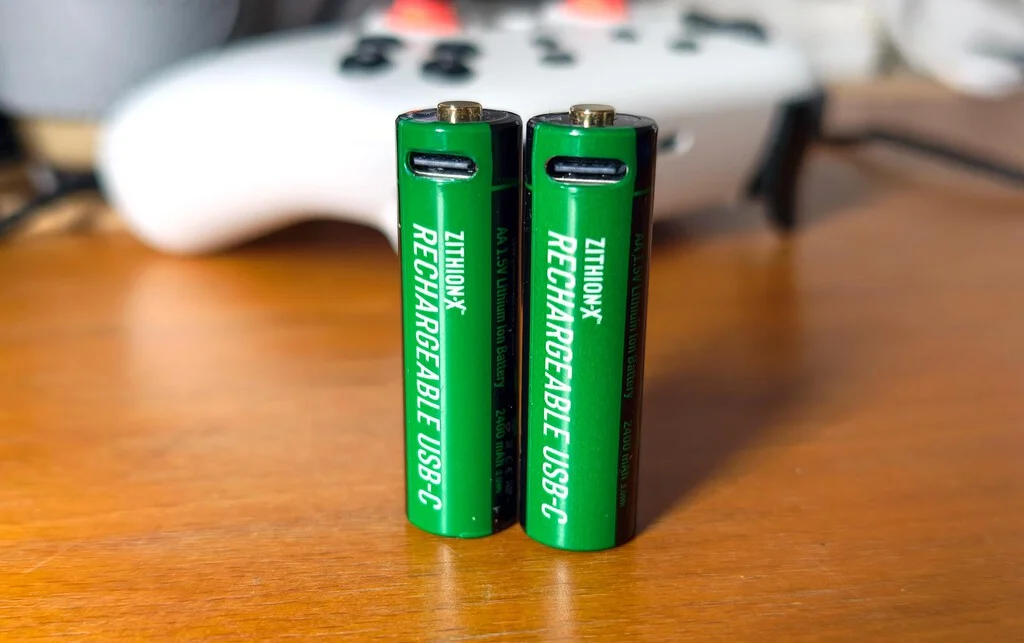

Lithium-ion batteries, ubiquitous powerhouses driving our modern world, present a fascinating paradox: they are simultaneously a beacon of technological progress and a potential source of significant hazard. From powering smartphones and electric vehicles to enabling grid-scale renewable energy storage, their unparalleled energy density and longevity have made them indispensable. Yet, beneath their sleek exteriors lies a complex electrochemical system that, if mishandled or improperly stored, can unleash destructive forces. This duality underscores a critical tension between the burgeoning drive for energy independence and sustainability, and the imperative for stringent safety protocols and regulatory oversight. The journey from an individual’s fascination with portable power to the realization of the inherent risks involved in large-scale battery accumulation perfectly illustrates this intricate balance.
The Promise of Repurposing: An Engineer’s Vision for Home Energy
For many, the allure of external batteries, or power banks, is undeniable. These portable energy reservoirs offer convenience and freedom, ensuring our devices remain charged on the go. This appreciation for accessible power naturally extends to the realm of home energy. The concept of repurposing discarded lithium-ion cells for domestic energy storage has captured the imagination of countless DIY enthusiasts and environmentally conscious individuals alike. One particular story, widely circulated within tech communities, highlighted an engineer who ingeniously constructed a home battery system by recycling thousands of laptop battery cells. This innovative approach resonated deeply with the burgeoning movement towards sustainable living and energy independence.
The engineer’s project was not merely a feat of recycling; it represented a sophisticated application of engineering principles. Laptop batteries, often deemed "dead" by consumers, frequently contain individual cells that retain significant capacity. By carefully testing, sorting, and integrating these cells into a meticulously designed Battery Management System (BMS), the engineer created a robust and cost-effective energy storage solution for their home. This system, coupled with solar panels, aimed to reduce reliance on the conventional grid, lower electricity bills, and contribute to a circular economy by diverting electronic waste from landfills. The benefits of such initiatives are manifold: they offer a tangible path towards energy self-sufficiency, promote the responsible reuse of valuable resources, and demonstrate the potential for localized, decentralized power generation. However, such projects, while inspiring, demand a profound understanding of electrical engineering, thermal management, and safety protocols to mitigate the inherent risks associated with lithium-ion technology. Proper ventilation, fire suppression systems, and comprehensive monitoring are not mere suggestions but absolute necessities in these DIY setups.
The Peril of Uncontrolled Accumulation: The Canalejas Incident
In stark contrast to the engineer’s meticulously planned endeavor, another incident cast a long shadow over the aspirations of battery repurposing. News broke of a resident in Canalejas, a tranquil Spanish town, who was apprehended for operating what authorities described as Europe’s largest clandestine lithium battery storage facility within his private chalet. The scale of the operation was staggering: an estimated 30 tons of assorted lithium batteries, accumulated without any official authorization or safety measures, transformed a residential property into an extreme fire hazard. This incident immediately triggered alarm bells, highlighting the critical distinction between responsible innovation and reckless disregard for public safety.
The Canalejas case was a stark reminder of the "Mr. Hyde" aspect of battery technology. Storing such a colossal volume of potentially volatile material in a residential area, devoid of proper insulation, ventilation, fire suppression, or hazardous waste management protocols, created an unprecedented risk. Lithium-ion batteries, when compromised, can undergo a phenomenon known as thermal runaway. This is a self-sustaining chain reaction where an increase in temperature causes further temperature increases, often leading to venting, smoke, fire, and even explosion. The sheer quantity of batteries in Canalejas amplified this risk exponentially, threatening not only the chalet itself but also surrounding properties and the lives of its inhabitants and neighbors. The individual involved was subsequently condemned, underscoring the serious legal ramifications of such unauthorized activities. This incident served as a potent illustration that good intentions, if they existed, are no substitute for expertise, regulation, and a deep respect for the inherent dangers of these powerful energy devices.
Understanding the Hazard: The Science of Thermal Runaway
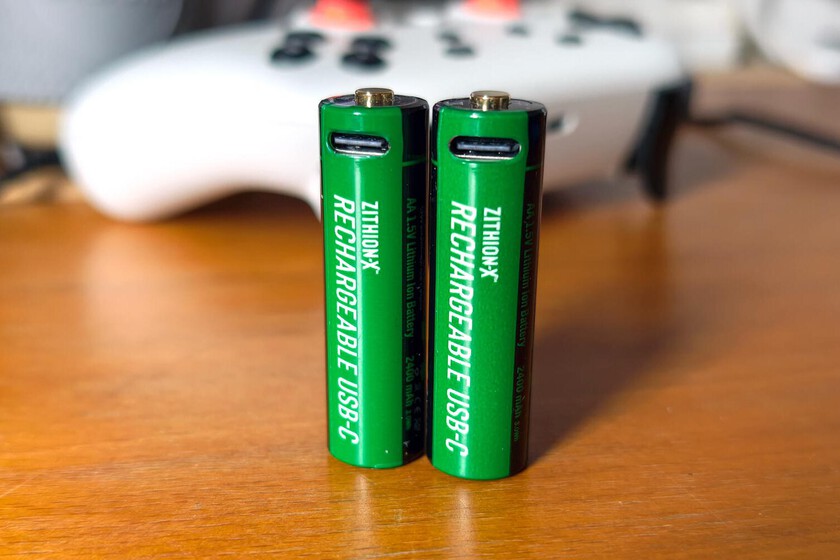
At the heart of both the utility and the danger of lithium-ion batteries lies their fundamental electrochemistry. These batteries store energy through the movement of lithium ions between a positive electrode (cathode) and a negative electrode (anode) via an electrolyte. This reduction-oxidation (redox) process is highly efficient, but also sensitive. The "dark side" emerges when this delicate balance is disrupted, often leading to thermal runaway.
Thermal runaway is a critical safety concern for lithium-ion batteries. It occurs when an internal or external event causes a battery cell to heat up to a point where exothermic reactions begin to accelerate uncontrollably. This can be triggered by various factors:
- Internal Short Circuits: Often caused by manufacturing defects, mechanical stress, or dendrite growth (metallic lithium formations).
- External Short Circuits: Resulting from improper wiring, damaged insulation, or conductive materials bridging terminals.
- Overcharging/Over-discharging: Pushing the battery beyond its designed voltage limits can degrade the electrolyte, cause lithium plating, and generate excessive heat.
- Physical Damage: Punctures, crushing, or impact can deform the cell structure, leading to internal shorts.
- High Ambient Temperatures: Storing or operating batteries in excessive heat can accelerate degradation and increase the risk of thermal runaway.
- Aging: Over time, battery components degrade, increasing internal resistance and the likelihood of faults.
Once initiated, thermal runaway can quickly escalate. The increasing temperature causes the electrolyte to decompose, releasing flammable gases. The separator, a thin membrane preventing direct contact between electrodes, can melt, leading to more severe internal shorts. This cascade generates intense heat, often exceeding 500°C, causing the cell to vent, smoke, ignite, or even explode. The fires produced by lithium-ion batteries are particularly challenging to extinguish, as they involve not just the flammable electrolyte but also the active electrode materials. Moreover, the fumes released during thermal runaway can be highly toxic, containing gases like carbon monoxide, hydrogen fluoride, and other volatile organic compounds, posing severe health risks to anyone in the vicinity. This inherent risk is why lithium batteries are subject to strict regulations in environments like aircraft cargo holds, where an uncontrolled fire could be catastrophic.
The Regulatory Labyrinth: Defining "Too Many Batteries"
The most pertinent question arising from these contrasting narratives is: "How many batteries are too many batteries?" Surprisingly, there is no simple, universally defined legal threshold based purely on quantity or weight that dictates when an individual transitions from a hobbyist to a criminal accumulator. This absence of a clear numerical limit reflects the complex nature of the hazard. The risk isn’t solely a function of volume; it is fundamentally tied to the manner in which batteries are handled, stored, and managed.
Both European and Spanish legislation, while comprehensive in their scope, do not specify a maximum number of batteries an individual can possess. Instead, the legal framework centers on the classification of lithium-ion batteries as "hazardous waste" once they reach their end-of-life or are intended for disposal/recycling. The critical determinant for legal compliance and criminal culpability is whether an individual or entity possesses the necessary authorization to manage such hazardous materials.
Key regulatory instruments include:
- The European Union Batteries Directive (EU) 2023/1542: This comprehensive directive, replacing previous legislation, establishes rules for the entire life cycle of batteries, from design to end-of-life. It mandates producer responsibility, sets collection and recycling targets, and includes provisions for due diligence regarding raw materials. Crucially, it categorizes spent lithium-ion batteries as hazardous waste due to their chemical composition and potential risks.
- Spanish National Transposition Laws: Spain has transposed EU directives into national law, such as Royal Decree 106/2008 on batteries and accumulators and the management of their waste, and the Law 7/2022 on waste and contaminated soil for a circular economy. These laws reinforce the classification of certain batteries as hazardous waste and outline strict requirements for their collection, transport, storage, and treatment.
Under these regulations, anyone involved in the management of hazardous waste—which includes collection, transport, storage, treatment, and disposal—must hold specific permits and licenses issued by competent environmental authorities. These authorizations are contingent upon demonstrating adherence to rigorous safety standards, including:
- Homologated Storage Facilities: Premises must be designed and equipped to safely store hazardous materials, including fire suppression systems, spill containment, proper ventilation, and temperature control.
- Risk Assessment and Emergency Plans: Comprehensive assessments of potential hazards and detailed plans for responding to incidents like fires, spills, or explosions are mandatory.
- Trained Personnel: Staff handling hazardous waste must receive specialized training in safety procedures, emergency response, and regulatory compliance.
- Traceability and Documentation: A robust system for tracking the origin, quantity, and destination of hazardous waste is required.
Therefore, the distinction between a conscientious DIY enthusiast and an illegal accumulator is not measured by a scale but by a piece of paper: the authorization to manage hazardous waste. An individual meticulously building a home energy storage system from carefully tested cells in a controlled, safe environment, while commendable, must still be aware of the legal implications if their activities cross into the realm of managing significant quantities of hazardous waste without proper authorization. Conversely, accumulating tons of batteries in a residential chalet without any safety measures or permits, as in Canalejas, unequivocally constitutes an illegal and highly dangerous activity, regardless of intent. The threshold for concern significantly increases when quantities exceed what is reasonable for personal use or small-scale, compliant projects, especially once the weight approaches or surpasses a ton.

Broader Implications and the Path Forward
The incidents in Canalejas and the engineer’s project highlight the complex challenges and opportunities presented by the pervasive nature of lithium-ion batteries. The implications extend beyond individual safety to encompass economic, environmental, and policy considerations.
Balancing Innovation with Safety: The drive for energy innovation, particularly in renewable energy and electric mobility, necessitates the continued development and deployment of advanced battery technologies. Simultaneously, this innovation must be tempered with an unwavering commitment to safety. Researchers are actively pursuing safer battery chemistries (e.g., solid-state batteries, sodium-ion batteries) and more robust battery management systems to mitigate risks.
The Circular Economy for Batteries: The enormous volume of batteries entering the market each year presents a significant environmental challenge at their end-of-life. Promoting a circular economy for batteries—through reuse, repurposing, and advanced recycling—is crucial for resource conservation and waste reduction. However, the Canalejas incident underscores that the "how" of recycling and repurposing is as important as the "what." Unregulated activities can undermine legitimate efforts and create new environmental and safety hazards. Legitimate battery recycling facilities are highly specialized operations designed to safely dismantle and process batteries, recovering valuable materials like lithium, cobalt, nickel, and manganese, while neutralizing hazardous components.
Public Education and Awareness: A critical component in navigating this landscape is public education. Consumers must be aware of the proper handling, charging, and disposal procedures for batteries. Simple actions, such as not overcharging devices, avoiding physical damage to batteries, and utilizing official collection points for spent batteries, contribute significantly to collective safety. The dangers of tampering with damaged or swelling batteries, or attempting unauthorized repairs, cannot be overstated. Official campaigns by environmental agencies and industry bodies are vital in disseminating this crucial information.
Official Responses and Compliance: Authorities, including environmental protection agencies, local councils, and law enforcement, play a pivotal role in enforcing regulations and ensuring public safety. Their statements consistently emphasize the importance of compliance with hazardous waste management laws, highlighting that unauthorized storage or processing of batteries will be met with legal action. They also advocate for robust inspection regimes and penalties that act as deterrents against illegal activities. Industry experts, while acknowledging the potential for battery repurposing, consistently stress the necessity of adhering to professional engineering standards and safety certifications.
Conclusion: Navigating the Future of Energy Storage
The story of lithium-ion batteries is one of immense promise and inherent peril. They are the linchpin of our transition to a cleaner, more electrified future, enabling everything from personal mobility to grid stability. Yet, their power demands respect and rigorous oversight. The contrasting tales of the innovative engineer and the condemned accumulator from Canalejas serve as a powerful cautionary tale: while the ambition to harness these technologies for a sustainable future is commendable, it must always be anchored in a profound understanding of their risks and a steadfast adherence to established safety protocols and regulatory frameworks. The boundary between a well-intentioned DIY project and an illegal, dangerous operation is not arbitrary; it is defined by authorization, expertise, and a commitment to responsible hazardous waste management. As battery technology continues to evolve and proliferate, fostering a culture of informed innovation, stringent safety, and robust regulation will be paramount to unlocking its full potential without compromising public safety or environmental integrity.
