

In an era where personal communication leverages the instantaneous capabilities of smartphones, 5G networks, and sophisticated digital protocols to combine voice, video, and data seamlessly, a stark contrast exists within the realm of critical communications. While the public enjoys cutting-edge connectivity, the networks safeguarding public safety and national security often rely on standards that have been in active service for over 30 years. This apparent technological disparity, however, is not a sign of stagnation but a deliberate choice rooted in the paramount need for unwavering reliability, a characteristic that older, proven systems still deliver with unparalleled consistency.
The Foundation of Critical Communications: A Legacy of Reliability
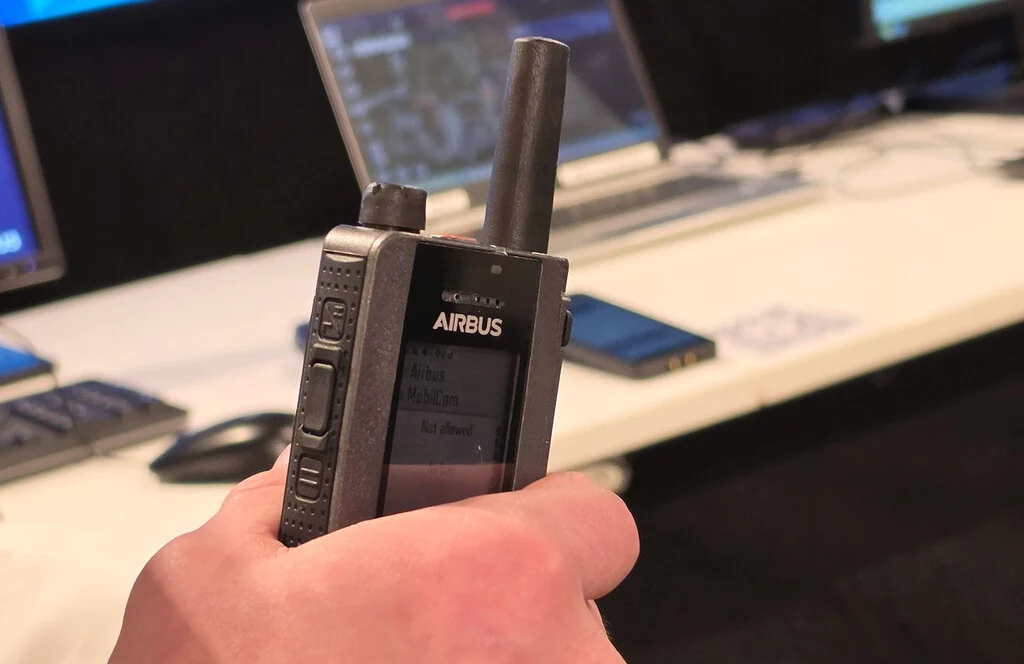
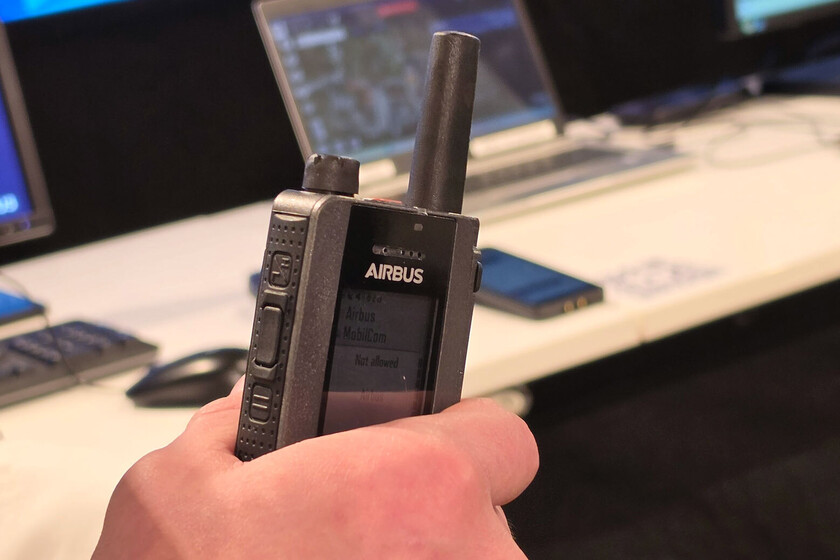
The landscape of emergency communications, which encompasses police, fire brigades, ambulance services, and other governmental agencies, demands a level of robustness and security far exceeding consumer-grade networks. A recent event hosted by Airbus, a company more globally recognized for its aerospace innovations, underscored this reality. Airbus maintains a dedicated critical communications division that supports governmental security services and public emergency organizations. Central to their offerings are systems like TETRA (Terrestrial Trunked Radio), a standard developed in 1995, and TETRApol, a proprietary variant. These technologies, though mature, form the backbone of critical communication infrastructure across numerous nations, including Spain.
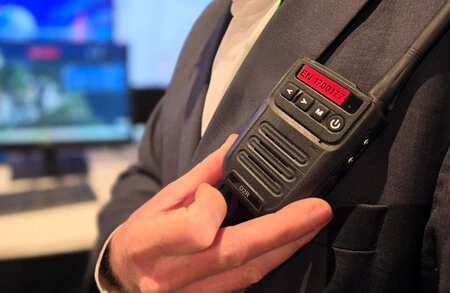
The fundamental distinction lies in the architecture and operational principles of these networks. Unlike commercial 4G or 5G networks, which are designed for high bandwidth and data-rich applications, TETRA and TETRApol are optimized for voice communication and low-data services, emphasizing instant, secure, and reliable "push-to-talk" (PTT) functionality. This walkie-talkie style communication, familiar to emergency responders worldwide, ensures that a message gets through without delay, even in the most challenging conditions.
Dedicated Infrastructure: A Shield Against Catastrophe
One of the most compelling advantages of TETRA and TETRApol systems is their reliance on dedicated, independent infrastructure. These networks operate on their own towers and frequency bands, entirely separate from the commercial cellular networks that serve the general public. This autonomy is crucial during widespread emergencies or natural disasters, when commercial networks can become overloaded or suffer extensive damage.
For instance, during the devastating DANA (Depresión Aislada en Niveles Altos) event in Valencia, Spain, which caused significant disruption and network outages, critical communication systems remained operational. This resilience is not accidental; it is the direct result of a design philosophy prioritizing survival under duress. While a public 5G network might offer blistering speeds for data transfer, its vulnerability to widespread power outages, cell tower damage, or overwhelming traffic during a crisis makes it less suitable as a primary lifeline for emergency services.
Moreover, these dedicated networks are often fortified against physical and cyber threats, incorporating robust encryption protocols and strict access controls. The closed nature of these systems inherently limits exposure to many of the vulnerabilities present in open, interconnected commercial networks.
The "Push-to-Talk" Imperative and Operational Familiarity
The "push-to-talk" (PTT) functionality, central to TETRA devices, allows for immediate, one-to-many communication, a critical feature in coordinated emergency responses. An incident commander can instantly broadcast instructions to multiple units simultaneously, bypassing the dialling and connection delays inherent in traditional phone calls. This capability is not merely a convenience; it is a life-saving feature in situations where seconds can make the difference between success and failure.
Beyond the technical merits, there is a profound human element: operational familiarity. Decades of training and real-world experience have ingrained the use of TETRA and TETRApol devices into the daily routines of emergency personnel. The interfaces are simple, robust, and designed for use under stress, often in adverse weather conditions or while wearing protective gear. Migrating to an entirely new system, even if technologically superior on paper, would necessitate massive retraining efforts, incur significant costs, and introduce a period of potential operational vulnerability as personnel adapt. As explained by experts at Airbus, the established habits and trust in these systems among security services are significant factors in their continued deployment.
Beyond Voice: The Evolving Demands of Mission-Critical Broadband
While voice communication remains paramount, the evolving nature of emergency response increasingly demands data capabilities. Real-time video feeds from incident scenes, access to databases, mapping services, and biometric data transfer are becoming indispensable. This is where the limitations of legacy narrowband systems like TETRA become apparent. Their design, optimized for voice and minimal data, cannot accommodate the high-bandwidth requirements of modern multimedia applications.
This gap has spurred the development of "mission-critical broadband" solutions, typically leveraging 4G and 5G technologies. These next-generation systems aim to combine the high-speed data capabilities of commercial networks with the reliability, security, and specialized features (like PTT, group calls, and direct mode operation) required by public safety. The 3GPP (3rd Generation Partnership Project) standards body has been instrumental in defining these mission-critical services, including MCPTT (Mission-Critical Push-to-Talk), MCVideo (Mission-Critical Video), and MCData (Mission-Critical Data).
However, integrating these broadband capabilities into critical communications networks is not a simple switch. It involves creating dedicated virtual networks (slicing) within commercial infrastructure, ensuring priority access, enhancing security, and guaranteeing resilience—challenges that are still being actively addressed and refined.
The Hybrid Transition: Bridging the Old and New
Recognizing the need for evolution without sacrificing proven reliability, industry leaders like Airbus are focusing on hybrid solutions. Their Agnet platform, for instance, is designed to seamlessly integrate traditional TETRA and TETRApol communications with modern 4G and 5G networks and devices. This allows agencies to leverage the best of both worlds: the rock-solid reliability of their legacy systems for core voice communications, augmented by the high-bandwidth capabilities of broadband for data and video.
This transitional approach acknowledges that a complete, immediate overhaul is neither practical nor desirable. Instead, it advocates for a gradual, phased migration, ensuring continuous service and minimizing disruption. France’s Réseau Radio du Futur (RRF) exemplifies this strategy. It is one of Europe’s most advanced critical communications platforms, representing a significant step towards a hybrid future where legacy systems coexist and integrate with modern broadband capabilities. The RRF project highlights the complexity and long-term commitment required for such national-scale transformations.
A Decade-Long Horizon: The Commitment to Legacy Systems
The commitment to maintaining legacy systems is not a short-term stopgap. Airbus has explicitly stated its intention to support TETRApol infrastructure until at least 2035. This pledge underscores the understanding that the transition to full mission-critical broadband will be a protracted process, likely spanning another decade or more. Large-scale critical broadband deployments currently underway in Europe are designed with this extended transition in mind, fostering a period of coexistence rather than immediate replacement.
This extended timeline reflects several critical factors:
- Massive Investment: The cost of replacing an entire national critical communications infrastructure is astronomical, involving hardware, software, spectrum allocation, and extensive training.
- Standardization and Interoperability: Ensuring new systems meet rigorous public safety standards and can interoperate across different agencies and even national borders is a complex undertaking.
- Proven Resilience: While 5G offers theoretical advantages, its real-world resilience in large-scale disasters, cyberattacks, or sustained network stress still needs to be demonstrated comprehensively over time. Governments prioritize certainty in life-or-death situations.
- Regulatory Hurdles: Allocating dedicated spectrum for mission-critical broadband and establishing robust regulatory frameworks are ongoing challenges.
Implications and the Future Landscape
The continued reliance on, and planned support for, decades-old critical communication technologies carries significant implications.
- Cost Efficiency vs. Innovation: Governments face a constant balancing act between the cost-effectiveness of maintaining proven systems and the need to invest in future-proof technologies. Hybrid solutions offer a pragmatic middle ground, optimizing existing investments while gradually introducing new capabilities.
- Cybersecurity Challenges: While legacy systems benefit from being closed, the increasing integration with IP-based networks introduces new cybersecurity vectors that require vigilant protection.
- Skill Gaps: As older technologies persist, there is a need to maintain expertise in these systems, alongside developing skills for managing and operating next-generation broadband networks.
- Global Disparities: The pace of transition varies significantly across countries, leading to potential interoperability challenges in international disaster response scenarios if not carefully managed through standardized interfaces.
In conclusion, the paradox of modern emergency services relying on technology from the 1990s is not a technological oversight but a testament to a deep-seated principle: in critical situations, absolute reliability trumps cutting-edge features. When an ambulance crew presses a "push-to-talk" button, the message must be delivered, irrespective of ambient conditions or network stress. While the future of critical communications undoubtedly lies with mission-critical broadband, the journey there is a carefully orchestrated transition, designed to preserve the invaluable legacy of dependable communication while slowly integrating the transformative power of modern networks. The commitment to supporting systems like TETRA and TETRApol until well into the next decade underscores that for public safety, a technology from 1995 that consistently performs is still preferable to a theoretical 2026 solution yet to be fully battle-tested. This measured evolution ensures that those who protect and serve always have a reliable voice when it matters most.
