

This week’s podcast announcement heralds significant developments for the publication and its newsletter, promising exciting new content for its audience. Beyond this internal news, the program delves into a multifaceted exploration of the technology landscape, beginning with a critical examination of the current state of the Matter smart home standard. The discussion highlights persistent challenges, drawing parallels to reporting by The Verge, particularly concerning the complexities of Thread credentialing and the uneven adoption of device support. This intricate web of interoperability issues has created a "mess," as described by the hosts, impacting the seamless integration of smart home devices.
The conversation then broadens to address a more somber and potentially alarming development: the possibility of compromised radiation sensors in Chernobyl, a situation meticulously reported by Kim Zetter. This revelation underscores the critical importance of robust security measures in sensitive environments and the potential ramifications of cyber threats extending to critical infrastructure.
Shifting to the competitive arena of semiconductor innovation, the podcast explores the formation of a new RISC-V company backed by industry giants like Qualcomm, NXP Semiconductors, Infineon Technologies, and others. This strategic alliance signals a significant push towards the open-source RISC-V architecture, a move that could reshape the future of processor design and its application across various industries. Concurrently, the proposed acquisition of an IoT module business by Renesas Electronics from an unnamed vendor is discussed, indicating consolidation and strategic realignments within the Internet of Things (IoT) sector.
The program also features a segment on emerging drone technology, specifically highlighting a California-based startup, Birdstop, which is developing an on-demand drone network designed for beyond-visual-line-of-sight (BVLOS) operations. This ambitious project aims to create a ubiquitous drone network for critical infrastructure protection across America, drawing comparisons to satellite network infrastructure.
A personal reflection from one of the hosts, Kevin, on his transition to Home Assistant and the audience’s subsequent feedback adds a relatable dimension to the discussion, offering insights into user experiences and community engagement within the smart home ecosystem. Furthermore, practical advice is provided on preparing homes for smart energy management programs, empowering individuals to take proactive steps towards optimizing their energy consumption. The episode concludes with a listener question regarding the Amazon Echo Show and compatible devices, offering practical guidance for users.
Honeywell’s Strategic Vision for TinyML
Central to this week’s broadcast is an in-depth interview with Muthu Sabarethinam, Vice President of AI/ML Product and Services at Honeywell. Sabarethinam articulates Honeywell’s forward-thinking approach to leveraging data from its extensive equipment portfolio to develop innovative services. The conversation pivots to a detailed exploration of how Honeywell is poised to implement TinyML directly within its sensors.
The Rationale Behind On-Device Intelligence
Sabarethinam elucidates the compelling reasons driving Honeywell’s adoption of TinyML. The core advantage lies in the ability to execute algorithms directly on the sensor itself. This distributed intelligence model offers significant benefits across several critical areas:
- Enhanced Security: By processing data locally, sensitive information can be analyzed without needing to transmit raw data to the cloud. This reduces the attack surface and mitigates the risk of data breaches during transmission. For industrial IoT (IIoT) applications where operational data is paramount, this localized security is invaluable.
- Improved Power Efficiency: Cloud-based processing often demands continuous data transmission and higher power consumption. TinyML, by performing computations at the edge, significantly reduces the need for constant communication, leading to substantial power savings. This is particularly crucial for battery-powered sensors or devices deployed in remote locations where power infrastructure is limited.
- Reduced Latency: Real-time decision-making is critical in many industrial and commercial applications. Processing data directly on the sensor drastically reduces latency, enabling faster responses to critical events. For instance, in predictive maintenance scenarios, immediate anomaly detection on a sensor can prevent catastrophic equipment failure, saving considerable downtime and costs.
Scaling TinyML Deployments
A key challenge in deploying advanced technologies like TinyML at scale is the packaging and management of algorithms. Sabarethinam shares his insights on how companies should structure their algorithmic offerings to facilitate widespread adoption. The goal is to create an ecosystem where developers can easily integrate and deploy optimized machine learning models onto a diverse range of sensor hardware. This involves standardization in model formats, development tools, and deployment pipelines.
Honeywell’s vast operational footprint provides a unique perspective on this challenge. The company supports over a million sensors already deployed in the field. The potential for these existing sensors, and future deployments, to benefit from TinyML capabilities is immense. This scale necessitates robust platforms and methodologies that can manage and update machine learning models across a distributed network of devices efficiently and securely. The economic implications are substantial; enhancing the intelligence of existing infrastructure through software updates rather than hardware replacement offers a more sustainable and cost-effective path to innovation.
Evolving Business Models and Customer Data Access
The discussion extends to the evolving business models surrounding IoT data and services. Sabarethinam highlights how customers are increasingly seeking not just raw data but actionable insights and integrated services derived from that data. This shift necessitates a reevaluation of how companies like Honeywell package and deliver their solutions. The ability to offer "data-as-a-service" or outcome-based services, powered by on-device intelligence, represents a significant opportunity.
Customers are keen to understand how their data is being utilized and to have appropriate access to the insights generated. Transparent and flexible data access models are becoming a competitive differentiator. Honeywell’s strategy, as outlined by Sabarethinam, appears to be centered on building value-added services that leverage the enhanced capabilities of TinyML-enabled sensors, thereby creating new revenue streams and strengthening customer relationships. This approach moves beyond traditional hardware sales to a more service-oriented and data-driven business paradigm.
The Turbulent Landscape of Smart Home Interoperability
The initial segment of the program dives into the persistent challenges plaguing the Matter smart home standard. The discussion, informed by reporting from The Verge, paints a picture of a standard struggling with practical implementation.
Thread Credentialing and Device Support Hurdles
A primary point of contention is the complexity surrounding Thread credentialing. This process, intended to facilitate secure device onboarding and communication, is reportedly proving to be a significant bottleneck. Users are encountering difficulties in getting their Thread-enabled devices to reliably connect and communicate within the Matter ecosystem. This friction in setup and ongoing operation directly undermines the promise of a simple, unified smart home experience.
Furthermore, the issue of uneven device support is highlighted. Not all devices marketed as Matter-compatible are performing at the same level, leading to fragmented user experiences. This inconsistency can stem from variations in how manufacturers implement the Matter standard, the capabilities of their underlying hardware, or delays in software updates. The result is a user base that may be experiencing frustration with the very technology designed to simplify their lives.

The Blame Game: Standard vs. Vendors
The question of accountability for these shortcomings is explored, with a nuanced perspective suggesting that the problem may not solely lie with the Matter standard itself, but rather with the vendors implementing it. While the standard provides a framework, its successful adoption depends on rigorous and consistent application by all participating companies. The analysis suggests that a lack of unified vendor commitment or varying levels of technical expertise in implementation could be contributing significantly to the current "mess."
The implications of these interoperability issues are far-reaching. They can stifle consumer confidence in smart home technology, leading to slower adoption rates and a perception that the smart home is still an immature and unreliable concept. For the industry, it represents a missed opportunity to fully capitalize on the potential of a connected home, where devices seamlessly interact to enhance convenience, security, and energy efficiency.
Emerging Threats and Technological Advancements
The program then shifts to a more disquieting topic: the potential for compromised radiation sensors in Chernobyl. Kim Zetter’s reporting brings to light a concerning incident that raises questions about the security of critical infrastructure in areas with historical or ongoing radiological risks. The possibility of malicious actors manipulating sensor data could have severe implications for environmental monitoring and public safety. This underscores the growing need for advanced cybersecurity measures not just in consumer electronics, but also in sensitive industrial and governmental applications.
The RISC-V Revolution and Semiconductor Realignment
A significant development discussed is the formation of a new entity dedicated to accelerating RISC-V technology. The backing by major semiconductor players like Qualcomm, NXP, and Infineon signals a powerful industry endorsement of the open-source RISC-V instruction set architecture. This move is seen as a direct challenge to established proprietary architectures, particularly ARM.
RISC-V’s open nature allows for greater customization and innovation, potentially leading to more power-efficient and cost-effective processors tailored for specific applications, from embedded systems to high-performance computing. The formation of this new company suggests a concerted effort to create a robust ecosystem around RISC-V, including development tools, software support, and readily available silicon. This could democratize chip design and foster a new wave of semiconductor innovation.
The proposed sale of an IoT module business to Renesas Electronics further illustrates the dynamic nature of the semiconductor and IoT markets. Such acquisitions often signal a strategic focus on core competencies and a desire to gain market share in specific growth areas. Renesas’s potential acquisition would likely bolster its offerings in cellular IoT connectivity, a critical component for many connected devices.
The Future of Drone Networks and Critical Infrastructure Protection
The segment on Birdstop’s ambitious drone network development offers a glimpse into the future of aerial surveillance and infrastructure monitoring. The concept of an "on-demand" drone network that operates similarly to a satellite network implies a highly scalable and responsive system capable of providing coverage over vast geographical areas.
Such a network could have profound implications for critical infrastructure protection, including power grids, pipelines, and transportation networks. Drones equipped with advanced sensors could provide real-time monitoring for security threats, environmental hazards, and structural integrity issues. The ability to rapidly deploy drones in response to incidents, or to conduct routine patrols, offers a significant enhancement over traditional monitoring methods. The logistical and regulatory challenges of operating such a network are substantial, but the potential benefits in terms of safety, security, and efficiency are considerable.
User Experiences and the Smart Home Transition
Kevin’s personal journey and reception to audience feedback regarding his switch to Home Assistant provides a valuable case study for smart home enthusiasts. Home Assistant is a popular open-source platform that offers a high degree of customization and local control over smart home devices, often appealing to users seeking greater privacy and flexibility compared to cloud-dependent commercial ecosystems.
The audience’s comments likely reflect a range of experiences, from shared challenges and troubleshooting tips to alternative approaches and recommendations. This interactive feedback loop is crucial for the development and refinement of smart home solutions, allowing users to learn from each other and contribute to the broader community knowledge base. The discussion highlights the ongoing evolution of personal smart home setups and the desire for greater control and integration.
Preparing for the Smart Energy Revolution
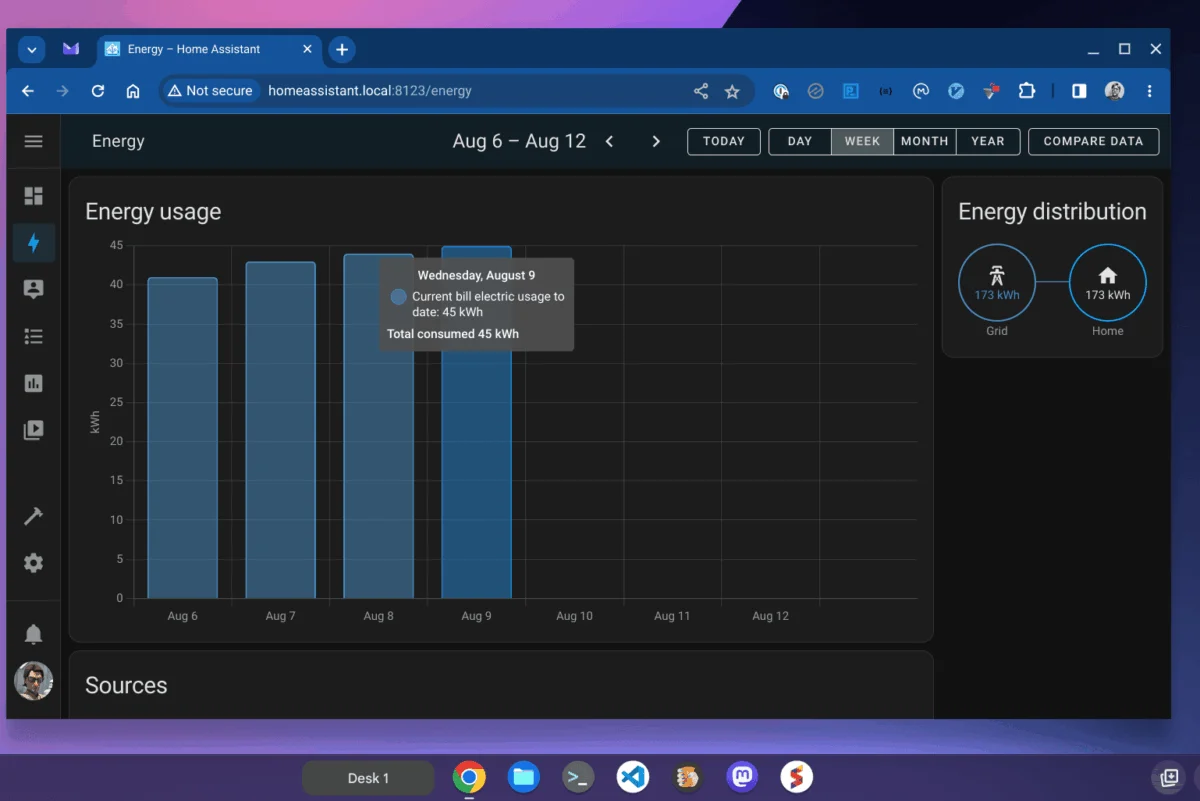
In anticipation of the growing trend towards smart energy management, the program offers actionable advice for homeowners. As utilities increasingly implement demand-response programs and smart grid technologies, consumers can benefit from understanding how to optimize their energy consumption.
This preparation involves several key steps:
- Understanding Energy Usage Patterns: Identifying peak consumption times and understanding which appliances contribute most to energy bills.
- Investing in Smart Devices: Utilizing smart thermostats, smart plugs, and smart appliances that can be programmed or controlled remotely to shift energy usage to off-peak hours.
- Exploring Energy Monitoring Tools: Employing home energy monitors to gain real-time insights into electricity consumption.
- Engaging with Utility Programs: Familiarizing oneself with local utility incentives and programs related to energy efficiency and demand response.
By taking these preparatory steps, homeowners can not only reduce their energy bills but also contribute to a more stable and efficient energy grid, especially as renewable energy sources become more prevalent.
Navigating the Amazon Echo Show Ecosystem
The episode concludes by addressing a listener’s query about the Amazon Echo Show and compatible devices. This practical segment likely delves into the functionalities of the Echo Show, its integration with other Amazon services, and recommendations for third-party devices that seamlessly work within its ecosystem. Understanding device compatibility is crucial for consumers looking to build or expand their smart home setups, ensuring that their chosen devices work harmoniously with their existing smart speakers and displays. This often involves checking for specific Matter compatibility, Alexa integration, or other proprietary connectivity standards.
