
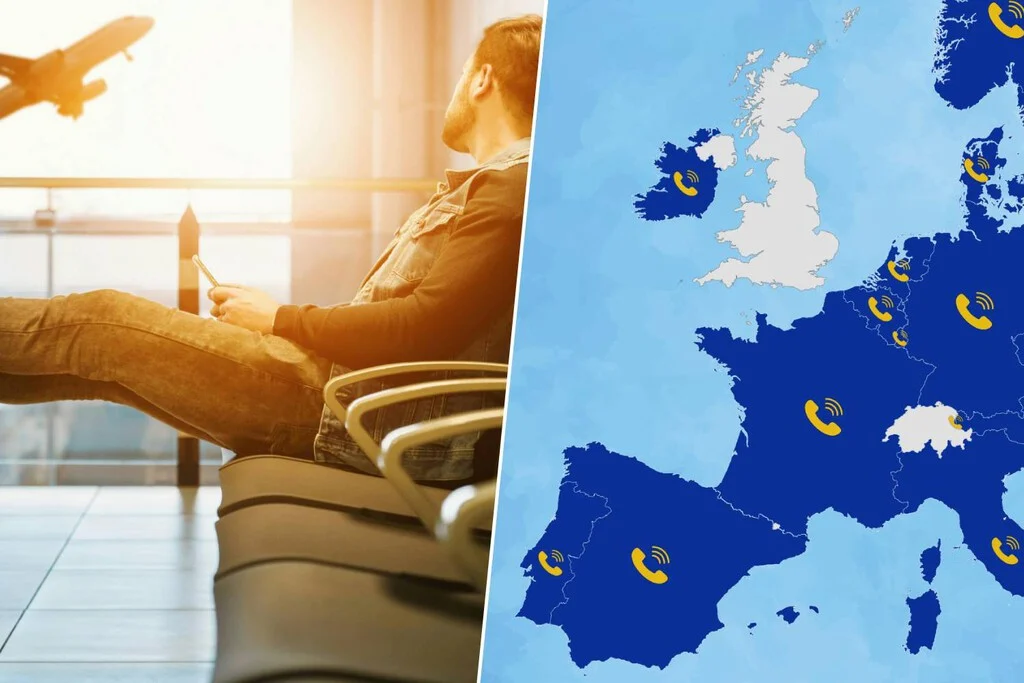

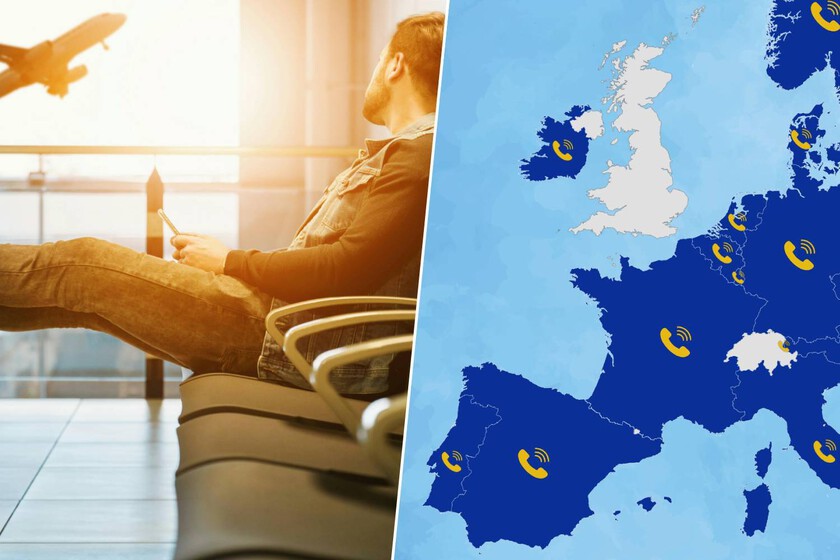
Since 2017, the implementation of free roaming across a significant portion of the European continent has fundamentally transformed the travel experience for millions, eliminating the pervasive anxiety of exorbitant mobile phone bills. This landmark initiative, often referred to as "Roam like at Home," has expanded the group of countries where using a mobile phone to make calls, send messages, and browse the internet costs the same as it does in one’s home country, fostering seamless connectivity across borders. This digital liberation represents a cornerstone of the European Union’s single market ambition, directly benefiting consumers and facilitating greater cross-border interaction.
A Decade of Digital Liberation: The Journey to "Roam Like At Home"
The concept of "Roam like at Home" did not materialize overnight; it was the culmination of years of legislative effort by the European Union to curb the historically high costs of mobile roaming. Before 2017, international travel within Europe often meant a stark choice for consumers: either face potentially crippling charges for basic communication or switch off mobile data entirely, relying solely on Wi-Fi. This phenomenon, widely known as "bill shock," saw travelers return home to invoices sometimes running into thousands of euros for what they perceived as minimal usage. A notable case, often cited, involved a traveler who accumulated a €37,000 bill after inadvertently leaving mobile data active in Morocco, underscoring the severe financial risks associated with unchecked international roaming.
The journey towards affordable roaming began in 2007, when the EU first introduced price caps on wholesale and retail roaming charges. These initial regulations, while a significant step, were merely a prelude to the more ambitious goal of eliminating roaming charges altogether. Over the subsequent decade, the European Parliament and Council progressively reduced these caps, paving the way for the eventual abolition of retail roaming charges. This phased approach allowed mobile network operators time to adapt their business models and establish new wholesale agreements, which dictate the prices operators charge each other for hosting foreign customers on their networks.
The final "Roam like at Home" regulation officially came into effect on June 15, 2017. This regulation mandates that mobile operators cannot charge extra for calls, SMS, and data used while roaming in another EU or EEA country, beyond what they would charge for domestic usage. This policy was not merely about convenience; it was a strategic move to deepen the single market, promote digital inclusion, and remove a tangible barrier to the free movement of people within the Union. The initial regulation was set to expire in 2022, but its overwhelming success and popularity led the EU to extend it for another ten years, ensuring its continuation until at least 2032. This extension reflects a strong political commitment to consumer rights and a seamless digital experience for European citizens.
The Core of Free Roaming: What "Roam Like At Home" Entails
The "Roam like at Home" principle applies straightforwardly to the vast majority of mobile users. If a subscriber has a domestic tariff plan that includes unlimited calls and a certain allowance of mobile data (e.g., X GB), these allowances can be used without additional charges when traveling within the designated free roaming zone. This means that a Spanish traveler visiting France, Germany, or Italy can use their phone as if they were still in Spain, incurring no extra costs beyond their regular monthly plan.
The free roaming zone currently encompasses the 27 member states of the European Union, alongside the three countries of the European Economic Area (EEA): Iceland, Liechtenstein, and Norway. These nations are bound by the same EU regulations regarding telecommunications, extending the "Roam like at Home" benefits to their citizens and visitors. This comprehensive coverage ensures that the most popular travel destinations within Europe are included, significantly simplifying connectivity for holidaymakers, business travelers, and cross-border commuters alike.
The success of "Roam like at Home" is evident in usage statistics. Since its introduction, mobile data consumption while roaming has soared, with reports from the European Commission indicating an increase of several hundred percent in data usage by EU citizens traveling abroad. This surge demonstrates how the removal of financial barriers directly influences consumer behavior, encouraging greater digital engagement and reducing reliance on public Wi-Fi networks. Economically, this has stimulated tourism, as travelers can more easily navigate, share experiences, and stay connected with home, enhancing the overall travel experience.
Expanding Horizons: New Additions to the Free Roaming Zone
The scope of free roaming continues to expand beyond the traditional EU/EEA boundaries, reflecting broader geopolitical and economic objectives. In a significant development earlier this year, Ukraine and Moldova were provisionally added to the EU’s free roaming zone. This unprecedented agreement, effective from January 2024, allows citizens of these two non-EU countries to benefit from "Roam like at Home" when traveling in the EU, and vice versa for EU citizens in Ukraine and Moldova.
This inclusion carries substantial symbolic and practical weight. For Ukraine, still grappling with the ongoing conflict, it represents a tangible step towards its closer integration with the European Union and offers vital support to its citizens, many of whom are displaced or frequently travel between Ukraine and EU member states. For Moldova, it underscores its pro-European trajectory and facilitates stronger ties with the bloc. The European Commission hailed this as a "precedent-setting agreement," signaling the EU’s willingness to extend digital benefits to partner countries outside the immediate economic area, particularly those on a path to potential future membership. The agreement aims to permanently integrate Ukraine and Moldova into the EU roaming area, subject to regulatory alignment with EU legislation.
The Western Balkans: A Future on the Horizon
Looking ahead, the next significant expansion of the free roaming zone is expected to include several countries from the Western Balkans. The European Commission has initiated negotiations to incorporate Albania, Bosnia and Herzegovina, Kosovo, Montenegro, North Macedonia, and Serbia into the Zone 1 free roaming framework. These nations, appearing with the label "Soon" on official EU roaming maps, are all candidates or potential candidates for EU membership, and their inclusion in the free roaming scheme is viewed as a concrete step towards their closer alignment with EU standards and policies.
The integration of the Western Balkans into the free roaming area serves a dual purpose. Firstly, it offers direct economic benefits to the citizens of these countries and to EU travelers visiting the region, reducing communication costs and fostering cross-border exchange. Secondly, and perhaps more importantly, it acts as a powerful political signal of the EU’s commitment to the enlargement process and to strengthening ties with its immediate neighborhood. This move is part of a broader strategy to accelerate the region’s integration into the EU’s single market and digital agenda, demonstrating tangible benefits of alignment with European norms even before full membership. The anticipated addition of these countries will further consolidate Europe’s status as a continent where digital borders are steadily dissolving.
Beyond the Free Zone: Where Roaming Costs Persist
Despite the significant progress, it is crucial for travelers to remain aware that not all European destinations are part of the free roaming zone. A number of countries within the broader European continent still operate under traditional, often expensive, roaming charge structures. These "Zone 2" or "Zone 3" countries, where mobile calls and data can incur substantial costs, include Russia, Belarus, Turkey, Switzerland, Andorra, and, notably, the United Kingdom (post-Brexit).
In these destinations, using a mobile phone without checking tariffs beforehand can still lead to considerable "bill shock." For instance, typical roaming charges in such countries can range from €1 to €3 per minute for calls, €0.50 to €1 per SMS, and several euros per megabyte (MB) of data. Given that modern smartphone usage often involves background data consumption for apps, updates, and location services, even seemingly minimal use can quickly accumulate into a significant bill. Travelers to these regions are strongly advised to consult their mobile operator’s specific roaming tariffs before departure.
The Curious Case of the United Kingdom Post-Brexit
The United Kingdom presents a unique and somewhat complex case within the European roaming landscape. Prior to Brexit, the UK was a full member of the EU and, consequently, part of the "Roam like at Home" scheme. However, upon its departure from the European Union, the UK officially left this arrangement. This change meant that mobile network operators were no longer legally bound to offer free roaming for UK citizens traveling to the EU, or for EU citizens traveling to the UK.
The immediate aftermath of Brexit saw a mixed response from UK mobile operators. While some major providers swiftly reintroduced roaming charges for EU travel, others initially maintained free roaming or introduced new, albeit sometimes less generous, bundles. The situation remains fluid, with policies varying significantly between different operators and even different tariff plans within the same operator. For example, some operators might offer a daily roaming pass for a fixed fee (e.g., £2-£5), while others revert to per-unit charges.
This variability underscores the critical importance for any traveler planning a trip to the United Kingdom, or for UK citizens traveling to the EU, to explicitly verify their operator’s current roaming policy. Failure to do so could result in unexpected charges. The reintroduction of roaming fees for UK travelers has been a point of contention for consumers, highlighting one of the tangible impacts of Brexit on everyday life and digital connectivity.

The Economic and Societal Impact of Free Roaming
The broader impact of "Roam like at Home" extends far beyond individual savings. From an economic perspective, the policy has stimulated cross-border economic activity. Businesses can operate more efficiently without worrying about communication costs for their employees traveling abroad. The tourism sector has also benefited, as visitors are more likely to use digital services to enhance their travel experience, from navigation and local information to sharing their journeys on social media. This increased digital engagement can lead to higher spending and greater satisfaction among tourists.
Societally, free roaming has fostered a stronger sense of European identity and connectivity. It has removed a psychological barrier to travel, making the continent feel more integrated and accessible. Students participating in Erasmus programs, cross-border workers, and families with relatives in different EU countries all benefit immensely from seamless and affordable communication, reinforcing social cohesion across national boundaries. The European Commission frequently cites "Roam like at Home" as one of its most popular and successful policies, directly addressing a common consumer grievance and delivering tangible benefits.
Challenges and Fair Use Policies for Operators
While immensely popular with consumers, the "Roam like at Home" policy presented significant challenges for mobile network operators. Operators in countries with high inbound tourism (e.g., Spain, Italy, France) face higher costs because they host more foreign roamers than their own customers roam abroad, leading to an imbalance in wholesale charges. To mitigate potential abuses and ensure the sustainability of the policy, the EU introduced "fair use" rules.
These rules are designed to prevent "permanent roaming," where a subscriber from a country with lower domestic tariffs might purchase a SIM card there and use it predominantly in another EU country with higher domestic prices. Fair use policies typically allow operators to monitor usage patterns over a four-month period. If a customer’s roaming usage consistently exceeds their domestic usage and their presence in their home country is limited, the operator can apply a small surcharge to their roaming services. Additionally, operators can set a reasonable data limit for roaming, beyond which a small per-GB charge may apply, particularly for plans with unlimited domestic data. These measures aim to strike a balance between consumer benefit and the commercial viability of the operators.
Looking Ahead: The Future of European Roaming
The extension of "Roam like at Home" until 2032 demonstrates the EU’s long-term commitment to this policy. The ongoing efforts to integrate Ukraine, Moldova, and the Western Balkan countries further underscore a vision of a digitally connected Europe that extends beyond its current political borders. As technology evolves, particularly with the rollout of 5G networks and the increasing demand for data-intensive applications, the regulatory framework will likely continue to adapt. The emphasis will remain on ensuring that citizens can enjoy advanced mobile services without incurring prohibitive costs, regardless of where they are within the ever-expanding European digital single market.
Practical Advice for International Travelers
For those venturing beyond the established free roaming zones, vigilance and preparation are key.
- Check with Your Operator: Always confirm your mobile operator’s specific roaming tariffs for your destination before you travel, especially for countries like Switzerland, Turkey, Andorra, or the UK.
- Consider Roaming Bundles: Many operators offer international roaming bundles or passes that provide a set amount of data, calls, and SMS for a fixed price, which can be significantly cheaper than standard pay-as-you-go roaming rates.
- Explore eSIMs: For frequent travelers to non-free roaming countries, an eSIM (embedded SIM) or a local physical SIM card can be a highly cost-effective alternative. eSIMs allow users to download and activate a local data plan without needing a physical SIM, offering competitive rates for data in specific regions. Platforms specializing in eSIMs for international travel have emerged as a popular choice, often providing a stark price difference compared to traditional operator roaming.
- Use Wi-Fi: When available and secure, utilizing Wi-Fi networks for data-heavy tasks can help minimize roaming costs.
- Disable Data Roaming: If unsure, disable data roaming on your device settings to prevent accidental charges, particularly for background app usage.
In conclusion, the free roaming initiative has profoundly reshaped the European travel experience, fostering greater connectivity and easing financial burdens for millions. While its reach continues to grow, understanding its geographical limits and preparing accordingly for destinations outside the designated zones remains paramount for a truly worry-free journey.
