
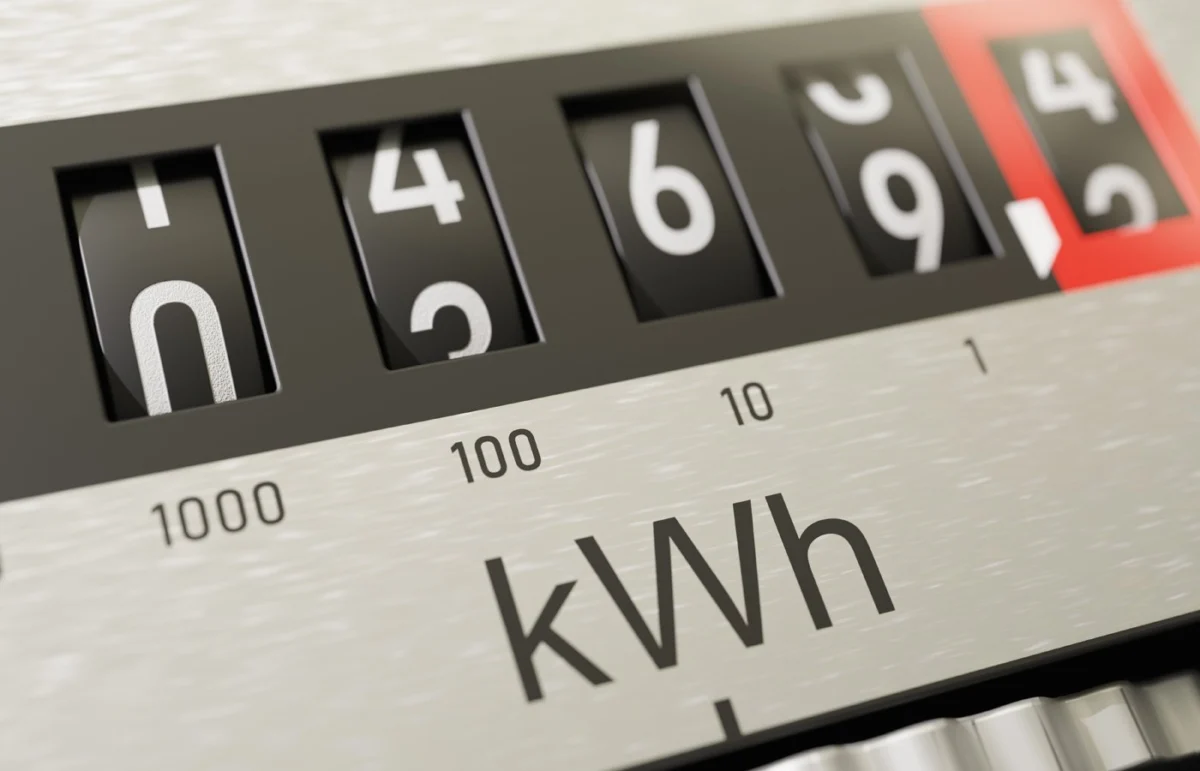

Energy consumption stands as one of the most significant operational expenses for data centers, a critical component of our increasingly digital world. The cost of powering the vast arrays of servers, coupled with the substantial energy demands of cooling systems required to dissipate the heat they generate, can represent a considerable financial outlay. As data centers continue to expand and process ever-larger volumes of data, their energy requirements, and consequently their operating costs, are projected to climb. Understanding the intricate mechanisms of data center power consumption and identifying effective strategies for optimization is no longer merely an operational consideration but a strategic imperative for the industry.
The complexity of data center power consumption arises from the multifaceted nature of their operations, encompassing a robust power infrastructure, the energy-intensive computing equipment itself, and the essential climate control systems. Each element plays a crucial role in the overall energy footprint, and inefficiencies in any one area can have a cascading effect on the facility’s total power usage.
The Anatomy of Data Center Power Consumption
At the core of data center operations lies a sophisticated power infrastructure. This begins with external power sources, typically drawing from the public grid, which are then channeled through a series of protective and distributive systems. Uninterruptible Power Supplies (UPS) are paramount, acting as critical buffers to ensure continuous power delivery even in the event of grid fluctuations or outages. These are often complemented by backup generators, providing a last line of defense against prolonged power interruptions. Power Distribution Units (PDUs) then take this electricity and meticulously distribute it to the myriad of components within the data center.
The primary drivers of power consumption are, unequivocally, the servers and other computing equipment. These machines are the workhorses of the digital age, responsible for data processing, storage, and the high-speed transmission of information. The power demands of servers are directly correlated with their workload; as processing tasks become more complex and data volumes increase, so too does the energy required to execute these operations. Beyond servers, storage systems, network switches, and other ancillary computing hardware contribute significantly to the overall energy draw. Industry estimates suggest that IT equipment alone can account for 50% or more of a data center’s total energy consumption.
Complementing the computing hardware are the equally vital cooling and climate control systems. Servers generate a tremendous amount of heat, and maintaining optimal operating temperatures is crucial for their longevity and performance. These systems, which include Computer Room Air Conditioner (CRAC) units, chillers, and cooling towers, are energy-intensive by design. In some instances, the energy consumed by cooling systems can rival, or even exceed, the power drawn by the computing equipment itself, highlighting the significant role of thermal management in overall energy efficiency.
To quantify and benchmark efficiency, the industry widely employs the Power Usage Effectiveness (PUE) metric. PUE is calculated as the ratio of the total power entering the data center to the power delivered to the IT equipment. An ideal PUE of 1.0 would signify that all power is utilized for computing, an aspiration that remains largely unattainable. Typical PUE values for modern data centers range from 1.2 to 1.5, with older or less optimized facilities exhibiting higher ratios. This difference accounts for the energy expended on cooling, lighting, and other auxiliary systems.
While servers and cooling systems dominate the energy landscape, lighting and auxiliary systems also contribute to the overall consumption. However, with the advent of energy-efficient LED lighting and smart automation for security and monitoring, this segment of power usage is becoming increasingly manageable.
It is also important to recognize that data center power consumption is not static. It fluctuates dynamically based on demand. During peak operational periods, when the demand for processing and data access is highest, more servers are brought online, leading to a surge in power consumption. Conversely, during off-peak hours, power usage typically decreases. Modern data centers are increasingly leveraging demand scaling and virtualization technologies to dynamically adjust power consumption in line with prevailing workloads.
Key Influences on Power Consumption
Several interwoven factors dictate the power consumption of a data center. The age and efficiency of the hardware installed are primary determinants; newer, more energy-efficient processors and storage solutions can drastically reduce energy draw. The density of IT equipment within the facility also plays a significant role. Higher rack densities mean more equipment in a smaller space, leading to concentrated heat generation and increased demand on cooling systems.
The ambient environmental conditions surrounding the data center can also impact cooling efficiency. Facilities located in cooler climates may be able to leverage free cooling techniques more effectively, reducing reliance on energy-intensive mechanical cooling. The design and layout of the data center itself are critical. Proper airflow management, such as the implementation of hot and cold aisle containment, can significantly improve the efficiency of cooling systems by preventing the mixing of hot exhaust air with cool intake air.
Furthermore, the operational practices and management strategies employed by the data center operator are paramount. Proactive monitoring, proactive maintenance, and the implementation of power management policies can all contribute to reducing unnecessary energy expenditure. The utilization of virtualization and server consolidation technologies has also emerged as a powerful tool for optimizing resource allocation and reducing the number of physical servers required, thereby lowering overall power consumption.
Strategies for Optimizing Data Center Power Consumption
Addressing the escalating energy demands of data centers requires a multi-pronged approach, focusing on technological advancements, operational efficiencies, and strategic planning. The following five key strategies offer a roadmap for optimizing power consumption:
1. Implementing Energy-Efficient Hardware: A fundamental step in reducing power consumption involves a commitment to deploying energy-efficient hardware. This includes selecting servers with higher power efficiency ratings, which can translate into substantial energy savings over their operational lifespan. The transition from traditional Hard Disk Drives (HDDs) to Solid State Drives (SSDs) is another significant contributor to energy reduction, as SSDs inherently consume less power. Adhering to Energy Star certifications for equipment ensures that hardware meets stringent energy efficiency standards, providing a baseline for optimized performance.
2. Enhancing Cooling Systems: Cooling systems, while essential, represent a substantial energy drain. Modern data centers are increasingly exploring advanced cooling techniques that offer greater efficiency than traditional methods. Liquid cooling solutions, for instance, can dissipate heat more effectively and with less energy expenditure than air-based systems, particularly in high-density computing environments. Evaporative cooling, which utilizes the process of water evaporation to cool the air, can also offer significant energy savings in suitable climates. The strategic use of economizers, which leverage ambient external air for cooling when conditions permit, can further reduce reliance on mechanical refrigeration. Optimizing the physical layout of the data center, employing strategies like hot and cold aisle containment, is critical for efficient airflow management and preventing wasted cooling energy.
3. Virtualization and Server Consolidation: Virtualization technology stands as a cornerstone of modern data center efficiency. By enabling multiple virtual machines (VMs) to operate on a single physical server, virtualization dramatically reduces the number of physical servers required. This consolidation not only conserves physical space but also leads to a significant reduction in power consumption and cooling needs. Advanced virtualization software allows for the efficient distribution of workloads across fewer, more utilized servers, maximizing their performance while minimizing idle power draw. Furthermore, the strategic adoption of cloud computing for specific workloads can offload processing demands from on-premises infrastructure, contributing to overall energy efficiency.
4. Power Management Software Solutions: The effective management of energy consumption within a data center is greatly enhanced through the implementation of robust power management software. Data Center Infrastructure Management (DCIM) tools provide comprehensive visibility into power usage across the facility, enabling real-time monitoring, analysis, and control. These solutions allow operators to identify areas of inefficiency, track power consumption trends, and make informed adjustments to optimize energy usage. The integration of Artificial Intelligence (AI) and Machine Learning (ML) into these platforms is further revolutionizing power management by enabling predictive analytics. This allows data centers to anticipate future power demands and proactively adjust resources to ensure optimal efficiency, thereby minimizing energy waste.
5. Renewable Energy Integration: A critical aspect of sustainable data center operations is the integration of renewable energy sources. Shifting away from fossil fuel-dependent power grids towards solar, wind, or hydroelectric power significantly reduces the environmental footprint of data centers. Participating in Renewable Energy Credits (RECs) programs can support the development and deployment of new renewable energy projects, even if direct on-site generation is not feasible. For data centers with the capacity and geographical suitability, investing in on-site renewable energy generation, such as solar panel arrays or small-scale wind turbines, offers a direct path to energy independence and a substantial reduction in carbon emissions. This not only aligns with environmental stewardship goals but can also offer long-term cost stability.
The Benefits of Data Center Energy Efficiency
The pursuit of energy efficiency in data centers yields a compelling array of benefits that extend far beyond mere cost savings. Economically, reduced energy consumption directly translates into lower operational expenditures, freeing up capital for investment in innovation and infrastructure upgrades. Environmentally, a smaller energy footprint means a reduced carbon footprint, contributing to global sustainability efforts and mitigating the impact of climate change. This enhanced environmental performance also positively impacts an organization’s reputation, appealing to increasingly environmentally conscious stakeholders and consumers.
Operationally, efficient energy management can lead to improved reliability and performance. Optimized cooling systems contribute to the longevity and stability of IT equipment, reducing the risk of hardware failures. Furthermore, the insights gained from comprehensive power monitoring and management systems can inform strategic decisions about capacity planning and infrastructure development, ensuring that resources are utilized effectively and efficiently.
Challenges in Achieving Data Center Power Efficiency
Despite the clear advantages, achieving optimal data center power efficiency is not without its challenges. A primary hurdle lies in the inherent tension between the ever-increasing demand for high-performance computing power and the imperative for energy efficiency. As data volumes and computational complexity grow, so does the need for powerful hardware, which can, in turn, drive up energy consumption. Technological limitations can sometimes exacerbate this issue, with the most cutting-edge performance not always aligning with the highest energy efficiency.
The cost of technological and infrastructure upgrades represents another significant challenge. Implementing energy-efficient hardware and advanced cooling systems often requires substantial upfront capital investment. Many data centers also operate with legacy systems that are inherently less energy-efficient. Upgrading these older systems can be a complex and costly undertaking, posing a considerable barrier to achieving optimal efficiency.
Cooling system efficiency itself presents ongoing challenges, particularly in high-density computing environments where heat generation is concentrated. While innovative cooling solutions exist, their implementation can be complex and may not be universally applicable or cost-effective for all data center configurations. Ensuring that cooling systems are precisely calibrated to meet the actual thermal load, rather than over-provisioning, is a constant operational challenge.
The Critical Role of Efficient Power Management in Data Centers
In conclusion, the efficient management of power in data centers is no longer a peripheral concern but a critical determinant of their economic viability, environmental sustainability, and long-term operational success. As the digital infrastructure continues to expand and underpin nearly every facet of modern life, the responsibility to manage energy consumption effectively becomes increasingly pronounced.
Efficient power management offers a dual benefit: it significantly reduces operational costs, thereby enhancing profitability, and it plays a vital role in environmental stewardship. By minimizing energy consumption and strategically integrating renewable resources, data centers can substantially diminish their carbon footprint, demonstrating a tangible commitment to global sustainability initiatives and bolstering their corporate social responsibility profile.
The journey towards greater energy efficiency in data centers is ongoing, driven by technological innovation, evolving best practices, and a growing awareness of the environmental and economic imperatives. By embracing these strategies and overcoming the inherent challenges, data centers can pave the way for a more sustainable and efficient digital future.
For those seeking to delve deeper into the principles of sustainable IT practices, exploring comprehensive guides on Green IT is highly recommended. Understanding the nuances of this field, including its benefits, challenges, and emerging technologies, is crucial for informed decision-making. Furthermore, organizations ready to embark on infrastructure virtualization can benefit from consulting with leading virtualization companies to ensure a seamless and efficient transition.
