
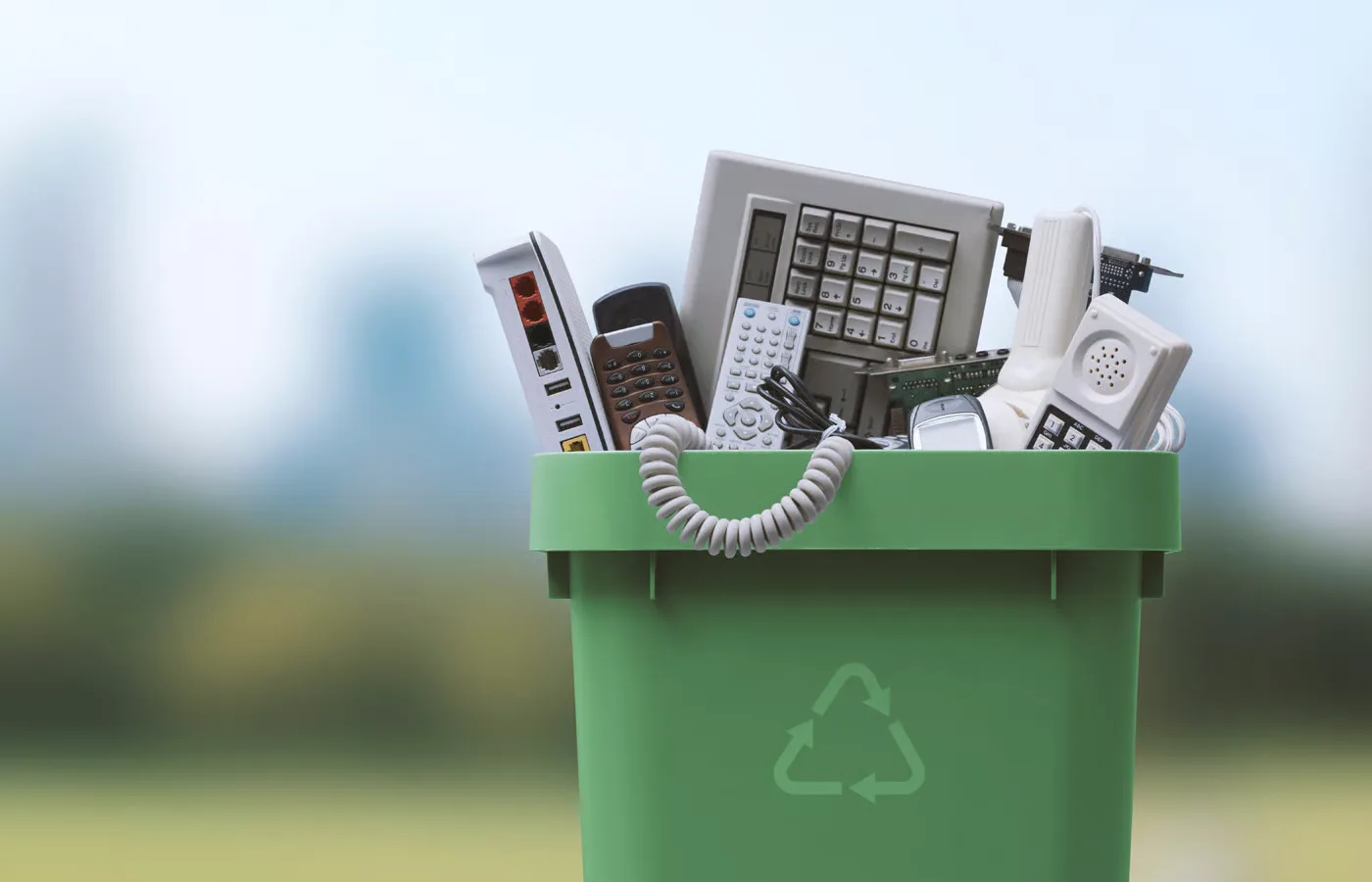

Electronic waste, or e-waste, represents a rapidly expanding global crisis, encompassing discarded electrical and electronic devices ranging from the ubiquitous smartphone to large household appliances like refrigerators and televisions. This deluge of obsolete technology poses significant environmental and health risks when improperly handled, yet also presents a crucial opportunity for sustainable resource management through effective recycling. The challenge lies in navigating the complex lifecycle of these devices, from production and consumption to disposal, and implementing robust solutions to mitigate its burgeoning impact.
Understanding the E-Waste Phenomenon
E-waste is uniquely characterized by its rapid growth, driven by the relentless pace of technological advancement and the subsequent obsolescence of electronic products. This surge has made e-waste a central concern for Green IT initiatives worldwide. The core of the problem lies in its composition: a complex amalgam of highly valuable materials such as copper, gold, silver, palladium, and other critical metals, alongside hazardous substances including lead, mercury, cadmium, and flame retardants. The increasing global demand for consumer electronics, coupled with shorter product lifecycles and a prevailing throwaway culture, has accelerated the accumulation of e-waste, establishing it as one of the fastest-growing waste streams on the planet.
The scale of this issue is staggering. In 2019 alone, an estimated 53.6 million metric tons of e-waste were generated globally, according to the World Health Organization (WHO). Alarmingly, only a fraction, a mere 17.4%, of this massive volume was officially documented as being collected and recycled. This statistic highlights a critical gap in current management practices and underscores the urgent need for more comprehensive and effective global strategies. The remaining unmanaged e-waste often ends up in landfills, is incinerated without proper controls, or is exported to developing countries where informal recycling practices can lead to severe environmental contamination and health hazards for workers.
Types of E-Waste: A Diverse and Expanding Category
E-waste encompasses a broad spectrum of discarded electronic and electrical devices, which can be broadly categorized into several types:
- Large Household Appliances: This category includes items such as refrigerators, washing machines, dishwashers, ovens, and air conditioners. These appliances are often bulky and contain a significant amount of metal and plastic components.
- Small Household Appliances: This group comprises smaller kitchen appliances, vacuum cleaners, irons, toasters, and hair dryers. While smaller, they still contain valuable metals and potentially hazardous materials.
- IT and Telecommunications Equipment: This is one of the fastest-growing categories, including desktop computers, laptops, monitors, printers, scanners, keyboards, mice, mobile phones, smartphones, tablets, routers, and other networking equipment. The rapid upgrade cycles in this sector contribute significantly to e-waste volumes.
- Consumer Electronics: This broad category includes televisions, DVD players, VCRs, stereos, video cameras, digital cameras, gaming consoles, and MP3 players. The constant introduction of new models with enhanced features fuels the obsolescence of older devices.
- Electrical and Electronic Tools: This includes items like drills, saws, and soldering irons, which may contain batteries and other electronic components.
- Toys, Leisure, and Sports Equipment: Increasingly, these items incorporate electronic components, such as remote-controlled toys, electronic games, and fitness trackers.
- Medical Devices: While often subject to specific regulations due to health concerns, discarded medical equipment, such as diagnostic imaging devices and monitoring systems, also falls under the e-waste umbrella.
- Monitoring and Control Instruments: This category includes smoke detectors, thermostats, and other devices used for environmental monitoring and control in homes and industries.
Environmental and Health Impacts of E-Waste
The improper disposal and treatment of e-waste pose profound environmental and health risks. When e-waste is not managed through formal recycling channels, hazardous substances can leach into the soil and groundwater, contaminating ecosystems and potentially entering the food chain. Air pollution can also result from the uncontrolled burning of e-waste to recover valuable metals, releasing toxic fumes into the atmosphere.
- Lead: Found in cathode ray tubes of older televisions and monitors, solder, and batteries, lead is a neurotoxin that can cause developmental problems in children, damage the nervous system, and affect reproductive health.
- Mercury: Present in fluorescent lamps, switches, and some flat-panel displays, mercury is a potent neurotoxin that can damage the brain, kidneys, and developing fetus. It can bioaccumulate in fish, posing a significant risk to human health through consumption.
- Cadmium: Used in rechargeable batteries and semiconductors, cadmium is a carcinogen that can accumulate in the kidneys and liver, causing bone disease and respiratory problems.
- Brominated Flame Retardants (BFRs): These chemicals, used in plastic casings and circuit boards, can persist in the environment and have been linked to thyroid disruption and developmental issues.
- Persistent Organic Pollutants (POPs): Some BFRs are classified as POPs, meaning they can travel long distances in the environment and accumulate in living organisms, posing long-term health and ecological risks.
The health impacts on communities involved in informal e-waste processing, particularly in developing nations, are severe. Workers, often including children, are exposed to these toxic substances through direct contact, inhalation of fumes, and consumption of contaminated food and water. This exposure can lead to a range of acute and chronic health problems, including respiratory illnesses, skin conditions, neurological damage, and increased risk of various cancers.
E-Waste Management and Recycling: Processes and Challenges
Effective e-waste management and recycling are paramount to mitigating its detrimental effects. While established processes exist, they are often hampered by persistent challenges.
Processes in E-Waste Recycling:
The general stages of e-waste recycling involve a systematic approach to safely dismantle and recover valuable materials:
- Collection and Transportation: E-waste is collected from various sources, including households, businesses, and collection points, and transported to specialized recycling facilities.
- Dismantling: Trained technicians manually dismantle the electronic devices to separate components and remove hazardous materials like batteries, mercury-containing parts, and toner cartridges. This stage is crucial for safe handling and recovery.
- Shredding and Separation: Remaining materials are often shredded into smaller pieces. Advanced technologies are then employed to separate different materials based on their physical properties, such as magnetic separation for ferrous metals, eddy current separation for non-ferrous metals like aluminum and copper, and density separation for plastics.
- Material Recovery: Valuable metals such as gold, silver, palladium, copper, and aluminum are extracted through various refining processes, including smelting, electrolysis, and hydrometallurgy. Plastics are sorted by type and can be reprocessed.
- Hazardous Waste Treatment: Hazardous components that cannot be recovered are treated and disposed of in accordance with strict environmental regulations to prevent contamination.
- Certification and Traceability: Reputable recycling facilities often adhere to international standards like R2 (Responsible Recycling) or e-Stewards, ensuring environmentally sound practices and providing traceability for the recovered materials.
Challenges in E-Waste Management:
Despite these established processes, several significant challenges impede effective e-waste management:
- Low Collection Rates: A substantial portion of e-waste is not collected through formal channels, leading to improper disposal in landfills or informal dismantling. This is often due to a lack of awareness, insufficient collection infrastructure, and the inconvenience of disposal for consumers.
- Informal Sector Dominance: In many developing countries, informal recycling sectors handle a large volume of e-waste. While providing livelihoods, these operations often lack safety protocols, leading to severe environmental and health consequences.
- Technological Complexity: The intricate design of modern electronics, incorporating numerous materials and miniaturized components, makes dismantling and material recovery increasingly complex and costly.
- Economic Viability: The fluctuating prices of recovered materials can impact the profitability of e-waste recycling. In some cases, the cost of processing e-waste can outweigh the value of the recovered materials, making it challenging for recycling businesses to remain financially sustainable without subsidies or extended producer responsibility schemes.
- Transboundary Movement: The illegal export of e-waste from developed to developing countries, often disguised as used electronics for reuse, poses a major challenge. This practice circumvents environmental regulations and shifts the burden of waste management to countries with less capacity to handle it safely.
- Lack of Standardization: Inconsistent regulations and standards across different regions and countries can create confusion and hinder the development of a globally harmonized approach to e-waste management.
Sectors Impacting E-Waste Management
E-waste management is a multifaceted issue influenced by a diverse array of sectors, each playing a distinct role in the lifecycle and handling of electronic waste.
Corporate Responsibility on E-Waste Management:
The electronics industry, as the primary producer of these devices, bears significant responsibility in addressing e-waste. Various initiatives have been proposed and implemented to acknowledge and act upon this responsibility:
- Product Design for Sustainability: Manufacturers are increasingly encouraged to adopt Design for Environment (DfE) principles, focusing on using fewer hazardous materials, designing for easy disassembly, and enhancing repairability and recyclability.
- Extended Producer Responsibility (EPR): EPR schemes place the responsibility for managing end-of-life products on the producers. This can involve financing collection and recycling programs, taking back old products, or establishing partnerships with certified recyclers.
- Take-Back Programs: Many manufacturers and retailers offer voluntary take-back programs, allowing consumers to return old electronics for proper recycling.
- Investment in Recycling Technologies: Corporations can invest in and support the development of advanced recycling technologies to improve the efficiency and sustainability of material recovery.
- Transparency and Reporting: Companies are increasingly expected to be transparent about their e-waste management practices and report on their recycling rates and environmental performance.
Role of Consumers in E-Waste Management:
The effective management of e-waste is not solely the purview of governments and corporations; it also hinges on the actions and choices of consumers.
- Responsible Disposal: Consumers play a critical role by choosing to dispose of their old electronics through designated collection points or certified recycling facilities rather than discarding them in regular trash.
- Repair and Reuse: Prioritizing repair over replacement and considering the purchase of refurbished or second-hand electronics can significantly extend product lifecycles and reduce waste generation.
- Informed Purchasing Decisions: Consumers can influence the market by choosing products from manufacturers with strong sustainability credentials and robust e-waste management programs.
- Advocacy: Engaging with policymakers and supporting initiatives that promote better e-waste management can drive systemic change.
- Donation: Functional but unwanted electronics can be donated to charities or schools, giving them a second life and reducing the immediate need for new devices.
Policies and Legislation on E-Waste
The management of e-waste is governed by a range of policies and legislation at state, national, and international levels, critical in shaping how e-waste is collected, processed, and recycled, ensuring environmental protection and public health safety.
International Frameworks and Agreements:
International frameworks and agreements play a pivotal role in establishing standardized guidelines and practices across nations, crucial for ensuring responsible handling, transfer, and disposal of e-waste, especially given its transboundary nature.
- The Basel Convention: This international treaty controls the transboundary movement of hazardous wastes and their disposal. While not specifically targeting e-waste, its provisions apply to hazardous e-waste, aiming to prevent its dumping in developing countries. Amendments, such as the 2019 decision to classify certain e-waste as hazardous and subject to prior informed consent, have strengthened its applicability.
- The Stockholm Convention on Persistent Organic Pollutants (POPs): This convention aims to eliminate or restrict the production and use of POPs, some of which are found in e-waste.
- The WEEE Directive (Waste Electrical and Electronic Equipment): Although a regional directive within the European Union, the WEEE Directive has had a significant influence on global e-waste policy, setting ambitious targets for collection and recycling rates and establishing producer responsibility principles.
Regional and National Legislation:
The battle against e-waste requires not only international cooperation but also robust regional and national legislative frameworks. Examples include:
- European Union (EU) WEEE Directive: This comprehensive directive mandates member states to establish collection systems and set targets for the collection and recycling of e-waste. It also promotes eco-design principles and places responsibility on producers.
- United States: While there is no single federal law governing e-waste, numerous states have implemented their own e-waste recycling laws, often involving EPR schemes and bans on landfilling certain electronic items. For instance, California has a pioneering e-waste recycling program funded by a small fee on electronics sales.
- China’s Measures for the Administration of the Recycling of Waste Electrical and Electronic Products: China has implemented regulations that require producers to take responsibility for the collection and recycling of their products, aiming to formalize the recycling industry and reduce environmental pollution.
- India’s E-Waste (Management and Handling) Rules: These rules, enacted under the Environment (Protection) Act, define producer responsibility, establish collection mechanisms, and set targets for e-waste collection and recycling.
- Japan’s Home Appliance Recycling Law: This law requires consumers to pay a recycling fee when purchasing new appliances, with the cost covering the collection, transportation, and recycling of old ones, fostering a circular economy approach.
Future Innovations in E-Waste Handling
As the volume of electronic waste continues to grow globally, the future of e-waste handling lies in innovative solutions and forward-thinking strategies.
Advanced Recycling Technologies:
New technologies are being developed to enhance the efficiency and sustainability of e-waste recycling:
- AI-Driven Sorting Robots: Artificial intelligence and robotics are being employed to automate the sorting of e-waste, enabling faster and more accurate separation of different materials, reducing the need for manual labor and increasing recovery rates.
- Advanced Spectrometry: Techniques like X-ray fluorescence (XRF) and inductively coupled plasma mass spectrometry (ICP-MS) allow for precise identification and quantification of elements within e-waste, facilitating targeted material recovery and the detection of hazardous substances.
- Bioleaching and Bioremediation: Biological processes, such as bioleaching using microorganisms, offer environmentally friendly alternatives to traditional chemical methods for extracting precious metals from e-waste, minimizing the use of harsh chemicals and reducing energy consumption.
- Robotic Disassembly: Advanced robotic systems are being developed to perform complex disassembly tasks, improving safety and efficiency in separating components for recycling.
Design for Environment (DfE):
There is a growing trend towards designing electronic products with their end-of-life in mind:
- Modular Design: Concepts like modular smartphones and upgradeable computers, where individual components can be easily replaced or upgraded, significantly reduce the generation of e-waste by extending the useful life of devices.
- Use of Sustainable Materials: Manufacturers are exploring the use of recycled content, biodegradable plastics, and fewer hazardous materials in product design.
- Repairability and Longevity: Designing products that are easier to repair, with accessible spare parts and clear repair guides, promotes a culture of longevity and reduces the frequency of replacement.
Circular Economy Models:
The shift towards a circular economy model in the electronics industry emphasizes the reuse, refurbishment, and recycling of products, thus minimizing waste and maximizing resource utilization.
- Product-as-a-Service (PaaS): Models where consumers pay for the service a product provides rather than owning the product outright encourage manufacturers to create durable, repairable, and easily recyclable electronics, as they retain ownership and are incentivized to maintain and eventually recover the product.
- Refurbishment and Remarketing: Extending the life of electronics through refurbishment and remarketing provides consumers with affordable options and reduces the demand for new production.
- Material Passports: Digital "material passports" that track the composition of electronic components can facilitate more efficient recycling by providing recyclers with detailed information about the materials present.
Bottom Line: A Cleaner Future Starts with the Right E-Waste Management
Effective e-waste management is not a responsibility that falls on a single entity; it is a collective endeavor that requires the concerted efforts of governments, industries, and consumers alike. The integration of innovative recycling technologies, the adoption of sustainable product designs, and the implementation of robust policies are fundamental steps toward mitigating the environmental and health impacts of e-waste.
As we look ahead, it’s clear that the path to a cleaner future also hinges on our ability to adapt and evolve in our e-waste handling methods. Embracing new technologies, participating in responsible recycling practices, and staying informed about the environmental impact of our electronic consumption are vital actions for all stakeholders. Businesses, in particular, have a powerful role to play through their manufacturing choices and recycling habits, fostering a more sustainable relationship with the technology that shapes our modern lives.
In addition to recycling, one way organizations can cut back on their carbon footprint and their overhead costs at the same time is by improving data center and server room power consumption efficiency. This proactive approach to resource management, encompassing both waste reduction and energy optimization, is crucial for building a truly sustainable future.
