
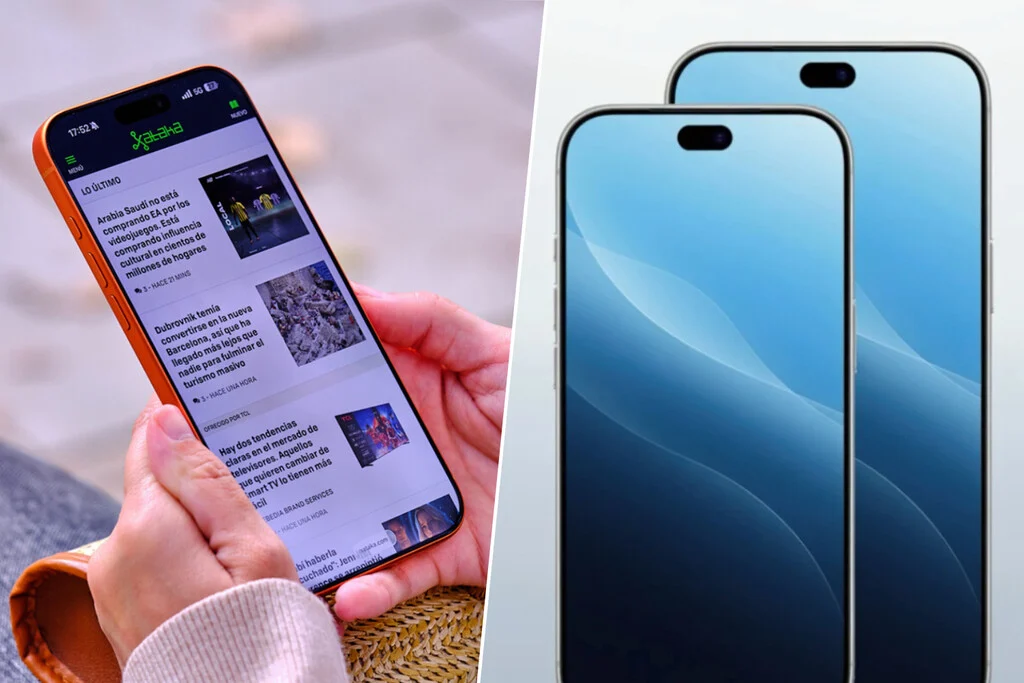

The highly anticipated iPhone 18 Pro is poised to usher in one of Apple’s most significant product redesigns and strategic shifts in recent memory, moving beyond the static aesthetic that has characterized its flagship devices for the past four generations. Since its introduction with the iPhone 14 Pro in 2022, the Dynamic Island has remained dimensionally unchanged, a consistent 20.06mm cutout that, for many discerning users, has begun to evoke a sense of design stagnation. However, a confluence of persistent industry rumors and a recent, credible visual leak strongly suggest that this conservative cycle is nearing its conclusion, spearheaded by the future ‘Pro’ models. Industry watchers and Apple enthusiasts have been meticulously piecing together the narrative of the iPhone 18 Pro for months, drawing from supply chain reports, patent filings, and analyst projections. Now, the narrative has gained substantial weight with the emergence of what appears to be a reliable visual confirmation. Renowned leaker Majin Buu, whose track record in accurately predicting Apple’s hardware developments has garnered significant credibility, recently unveiled two images purporting to show the front panel of the upcoming iPhone 18 Pro. These images, subsequently amplified by technology news outlets like Applesfera, provide a compelling glimpse into Apple’s strategy for revitalizing the visual identity of its most ambitious smartphone. The revelations contained within these leaked panels not only confirm long-standing whispers but also delineate a clear path for Apple’s future design trajectory, aiming to reclaim its reputation for groundbreaking innovation in smartphone aesthetics and functionality.
The Evolution of iPhone Display Design: From Notch to Dynamic Island and Beyond
To fully appreciate the significance of the iPhone 18 Pro’s rumored design changes, it is essential to contextualize Apple’s history of display innovations. The "notch," introduced with the iPhone X in 2017, was Apple’s initial solution for housing the complex TrueDepth camera system, which enabled Face ID. While revolutionary for its biometric security, the notch was often criticized for interrupting the display. For five generations, from the iPhone X to the iPhone 13 series, the notch remained a prominent feature, albeit shrinking slightly in size with the iPhone 13.
In 2022, with the launch of the iPhone 14 Pro and iPhone 14 Pro Max, Apple introduced the Dynamic Island. This innovative approach transformed the static notch into an adaptive, interactive pill-shaped cutout that provided real-time alerts, activities, and notifications. It was widely lauded as a clever software-hardware integration that mitigated the visual intrusion of the camera and sensor housing. However, despite its functional ingenuity, the physical dimensions of the Dynamic Island have remained constant across the iPhone 14 Pro, 15 Pro, 16 Pro, and the anticipated 17 Pro generations. This lack of physical evolution, while understandable from an engineering and manufacturing perspective, has led to a perception among some users and industry observers that Apple’s design language, particularly for its display, has entered a period of relative stagnation. Competitors, meanwhile, have largely moved to less intrusive hole-punch camera cutouts or are actively pursuing under-display camera technologies, placing pressure on Apple to push its own boundaries. The iPhone 18 Pro’s leaks suggest Apple is not only aware of this sentiment but is prepared to respond with a bold, transformative leap.
A New Face for the iPhone: Unpacking the Leaked Panel Details
The leaked images of the iPhone 18 Pro’s front panel offer three pivotal insights that collectively paint a picture of a radically re-envisioned display experience. The first notable detail is the apparent reduction in bezel thickness. While previous iPhone generations, including the anticipated iPhone 17 lineup, have incrementally thinned their borders, the 18 Pro panels suggest an even more aggressive reduction. This pursuit of ultra-thin bezels is a consistent trend across the high-end smartphone market, driven by the desire to maximize screen-to-body ratio and deliver a more immersive viewing experience. For Apple, which prides itself on minimalist design and meticulous engineering, pushing the boundaries of bezel reduction represents a significant technical achievement and a clear aesthetic statement. The visual impact of a virtually edge-to-edge display enhances content consumption, gaming, and overall user interaction, aligning with the industry’s broader movement towards seamless, uninterrupted screens. This design refinement also contributes to a more compact form factor for a given screen size, improving ergonomics and single-handed usability.
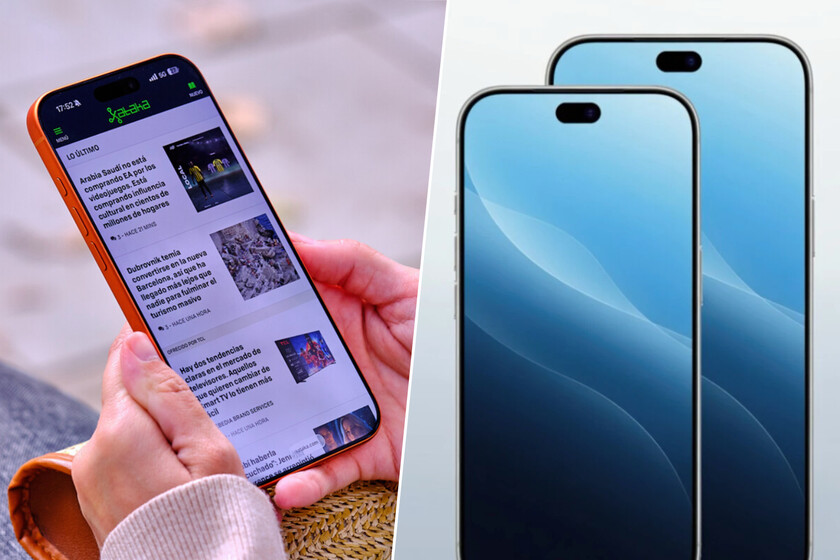
The second, and perhaps most technologically ambitious, detail is the presence of a mysterious, small circular aperture in the upper-left corner of the display. This subtle but critical design element is widely interpreted as definitive proof of Apple’s long-rumored move to integrate key Face ID components directly beneath the screen. Specifically, this tiny circle is expected to house the dot projector and infrared sensor, which are integral to the secure facial recognition system. This technological leap would be enabled by a revolutionary micro-transparent glass panel, a material innovation that permits light to pass through the display in specific, controlled areas while remaining visually opaque to the user during normal operation. The challenge of embedding Face ID components under the display has long been a holy grail for smartphone manufacturers. It requires sophisticated engineering to ensure accurate light transmission for the infrared sensor and dot projector, without compromising display quality or Face ID’s renowned security and reliability. Apple’s patent filings over the years have frequently hinted at its pursuit of such technology, recognizing it as a crucial step towards achieving a truly "all-screen" iPhone. By effectively "hiding" these sensors, Apple would be addressing one of the last major obstacles to a completely unblemished display, marking a significant triumph in miniaturization and optical engineering. This innovation could set a new standard for smartphone security and display integration, distinguishing Apple’s approach from other under-display camera solutions that often compromise image quality.
This advancement directly leads to the third and most immediately impactful revelation: a dramatic reduction in the size of the Dynamic Island. With the dot projector and infrared sensor relocated beneath the display, the physical cutout on the screen can be substantially smaller. The leaked specifications indicate a shrinkage from the current 20.06 mm to a mere 14.98 mm. This approximately 25% reduction is not merely an incremental tweak; it represents a fundamental rethinking of the Dynamic Island’s physical footprint. Introduced as a novel solution to the notch with the iPhone 14 Pro, the Dynamic Island cleverly repurposed the physical cutout into an interactive, context-aware information hub. While praised for its ingenuity, its physical size has always been a point of contention for users desiring maximum screen real estate. The proposed reduction would significantly enhance the immersive quality of the display, allowing the Dynamic Island to become an even more subtle and integrated part of the user interface, blending more seamlessly into the overall screen experience. This move signifies Apple’s commitment to refining its design language, responding to user feedback, and pushing towards a future where the display is truly the sole focal point of interaction. It also opens up possibilities for new software interactions, where the smaller Dynamic Island could be less of a visual anchor and more of a fluid, ephemeral element.
Beyond the Surface: A Deeper Dive into the iPhone 18 Pro’s Innovations
The aesthetic transformation of the iPhone 18 Pro’s front panel appears to be merely the visible manifestation of a much broader and more profound overhaul Apple is preparing for its flagship line. Industry analysts and supply chain sources point to the iPhone 18 Pro being one of the most disruptive generations in the recent history of the Cupertino-based tech giant, packed with advancements that extend far beyond its visual appeal.
At its core, the iPhone 18 Pro is expected to debut the A20 Pro chip, a monumental leap in mobile processing power. This chip is rumored to be fabricated using a cutting-edge 2nm process technology, a significant advancement over the current 3nm nodes utilized by its predecessors, such as the A17 Pro in the iPhone 15 Pro series and the anticipated A18 in the iPhone 17 series. The transition to 2nm would yield substantial improvements in both performance and power efficiency. Smaller transistors mean more can be packed onto a single chip, leading to faster processing speeds, more complex computations, and enhanced AI capabilities. Furthermore, the reduced size of these transistors typically translates to lower power consumption, which is critical for extending battery life, especially as devices become more powerful and feature-rich. This technological edge, spearheaded by Apple’s long-standing partnership with TSMC (Taiwan Semiconductor Manufacturing Company), would solidify the iPhone 18 Pro’s position at the forefront of mobile computing. The implications for on-device AI processing, high-fidelity gaming, and advanced computational photography are immense, paving the way for entirely new user experiences and extending Apple’s leadership in custom silicon.
Complementing this powerful new silicon, the iPhone 18 Pro is also expected to feature a substantial increase in RAM, jumping to 12 GB. This augmentation is crucial for supporting the increasingly complex demands of modern mobile operating systems, sophisticated applications, and seamless multitasking. More RAM allows the device to hold more data and applications in active memory, reducing the need for constant reloading and ensuring a smoother, more responsive user experience. This is particularly relevant given the anticipated advancements in on-device AI and more demanding computational tasks, such as real-time language processing and complex image manipulation. Current iPhone Pro models typically feature 8GB of RAM, so a jump to 12GB would represent a significant boost, future-proofing the device for upcoming software innovations and increasingly intensive workloads, aligning it with high-end desktop-class performance.

The camera system, a perennial highlight of new iPhone releases, is also slated for a revolutionary upgrade: variable aperture lenses. This technology, already seen in some high-end Android devices and professional cameras, allows the lens aperture to physically adjust, much like the iris of a human eye. This capability grants photographers greater control over depth of field, enabling stunning portrait shots with creamy bokeh and sharper foreground subjects. More importantly, variable aperture significantly improves low-light performance by allowing more light to enter the sensor when needed, while also providing better control over exposure in bright conditions. This flexibility would dramatically enhance the iPhone’s versatility as a photographic tool, closing the gap further between smartphone cameras and dedicated professional equipment. It underscores Apple’s continuous effort to push the boundaries of mobile photography, offering users unprecedented creative control directly from their pockets and enhancing the quality of both still images and video recordings.
Finally, addressing one of the most consistent user demands, the iPhone 18 Pro is expected to house larger batteries. As devices become more powerful and displays grow more vibrant, battery life remains a critical concern for users. The combination of a more efficient 2nm chip, optimized software, and increased battery capacity would likely translate into substantial improvements in endurance, allowing users to navigate their day with greater confidence, even with heavy usage of new, power-intensive features. This holistic approach to hardware upgrades ensures that the iPhone 18 Pro is not just aesthetically pleasing but also a powerhouse of performance and longevity, catering to the needs of the most demanding users.
Navigating Supply Chain Hurdles and Strategic Market Shifts
Despite the ambitious technological roadmap, Apple faces a significant challenge in bringing the iPhone 18 Pro to market: a global shortage of fiberglass fabric. This seemingly innocuous material is, in fact, a critical component in the manufacturing of chip substrates, the foundational layer upon which advanced semiconductor chips are built. Without a sufficient supply of this specialized fabric, the production of the A20 Pro chip and other high-tech components could face severe bottlenecks, potentially leading to production delays or reduced initial availability. This particular shortage highlights the intricate and often overlooked complexities of the global technology supply chain, where the availability of even seemingly minor raw materials can have cascading effects on the entire industry. Apple, known for its rigorous supply chain management and strategic partnerships, is undoubtedly working tirelessly in Cupertino to secure adequate supplies, potentially through diversification of suppliers or advanced purchasing agreements. However, the situation underscores the fragility of modern manufacturing processes in the face of global economic and logistical pressures, particularly in the post-pandemic era. Industry analysts are closely monitoring the situation, as any significant disruption could impact Apple’s financial forecasts and market share.
In parallel with these hardware and manufacturing challenges, Apple is reportedly planning a significant restructuring of its product launch strategy. Leaks suggest a staggered release schedule for the iPhone 18 generation, a move that would represent a departure from its traditional unified September launch event. According to these reports, September 2026 would be reserved for the launch of the premium iPhone 18 Pro models, alongside the second generation of the iPhone Air (a rumored lighter, possibly more affordable model within the premium tier) and the much-anticipated foldable iPhone. The base models of the iPhone 18, however, would be delayed until spring 2027. This strategic decision could be driven by several factors: managing the complex supply chain
