
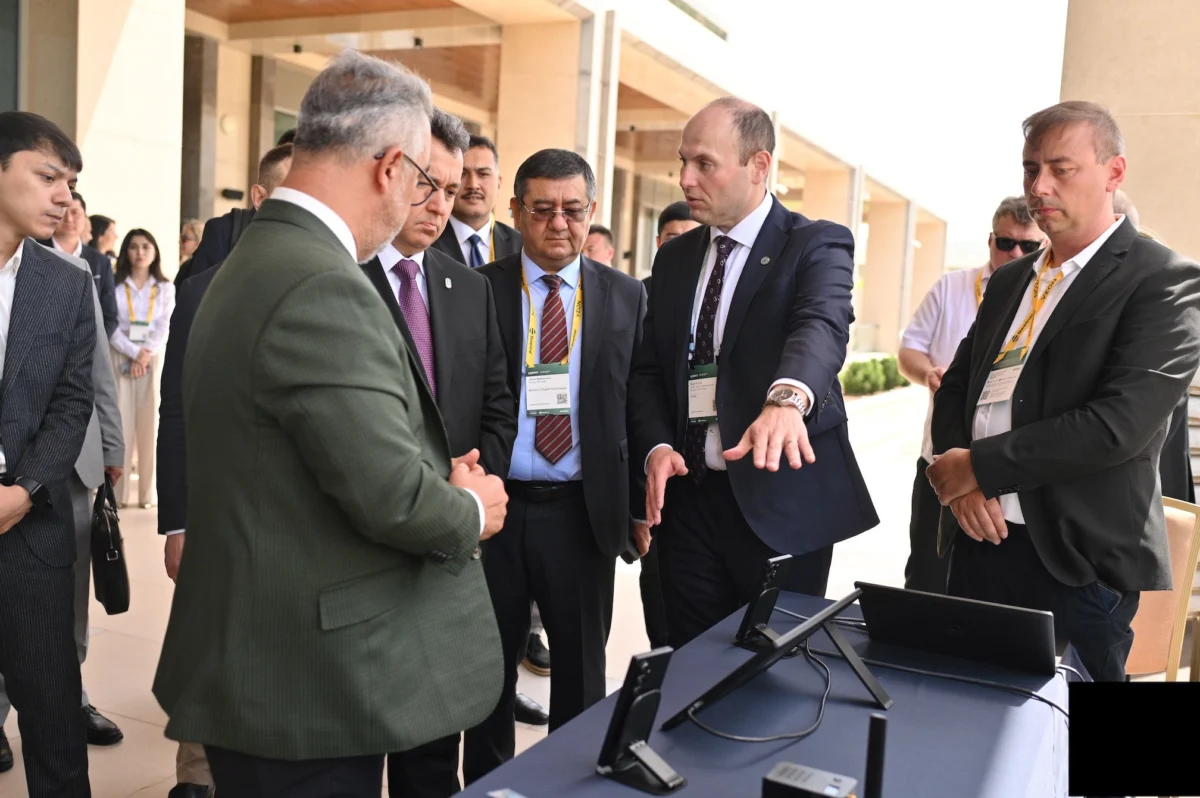

Viasat, a global leader in satellite communications, has announced the successful completion of a landmark direct-to-device (D2D) demonstration in the Republic of Uzbekistan, showcasing the ability to facilitate application-based messaging via a standard Android smartphone. This milestone achievement, conducted in collaboration with the Uzbek Ministry of Digital Technologies and UZ-SAT, underscores a significant shift in how non-terrestrial networks (NTN) can be integrated into existing mobile ecosystems to provide ubiquitous coverage. The demonstration utilized Viasat’s established L-band satellite constellation, proving that terrestrial smartphones can maintain connectivity in regions where traditional cellular infrastructure is either absent or unreliable.
The trial featured the transmission and reception of messages between two mass-market Android devices. In this specific configuration, one smartphone utilized a companion device to interface with Viasat’s L-band network, while the other remained connected through a conventional terrestrial cellular network. By utilizing 3GPP Release 17 non-terrestrial network standards, Viasat demonstrated that satellite-to-phone connectivity is no longer a futuristic concept but a functional reality capable of operating within the frameworks of global telecommunications standards. The details of the demonstration, released on May 22, highlight a pivotal moment for Uzbekistan’s digital infrastructure as the nation seeks to bridge the connectivity gap in its more remote and geographically challenging regions.
Technical Foundations of the Uzbekistan D2D Trial
The success of the demonstration rests on the utilization of the L-band spectrum, a portion of the radio frequency spectrum specifically allocated for mobile satellite services (MSS). Unlike other D2D approaches that attempt to use terrestrial cellular frequencies—which can lead to complex regulatory hurdles and potential interference with ground-based towers—Viasat’s approach leverages its existing fleet of geostationary satellites and dedicated MSS spectrum. This allows for a seamless "roaming" experience where the satellite acts as a tall cell tower in space, providing coverage without requiring mobile network operators (MNOs) to sacrifice their own valuable terrestrial spectrum.
The use of 3GPP NTN standards is a critical component of this technological achievement. The 3GPP (3rd Generation Partnership Project) is the global body responsible for the standards that govern cellular communications, including 5G. By adhering to these standards, Viasat ensures that its satellite services are compatible with the global supply chain of chipsets and devices. This interoperability is essential for scaling D2D services, as it allows manufacturers like Qualcomm, MediaTek, and Samsung to build satellite compatibility directly into the hardware of future smartphones, eventually eliminating the need for the "companion devices" used in current trials.
Uzbekistan’s Strategic Role in the New Space Race
The choice of Uzbekistan as the staging ground for this demonstration is a reflection of the country’s aggressive pursuit of technological modernization. Under the "Digital Uzbekistan 2030" strategy, the government has prioritized the expansion of internet access and the digitization of government services. However, Uzbekistan’s geography—characterized by vast steppes, deserts, and the high peaks of the Tien Shan mountain range—presents significant logistical challenges for the deployment of fiber-optic cables and traditional cell towers.
By partnering with Viasat and UZ-SAT, the national satellite communications operator, Uzbekistan is positioning itself as a regional leader in the adoption of non-terrestrial networks. The demonstration showed that D2D technology could provide a vital safety net for rural populations, nomadic communities, and industrial sectors such as mining and agriculture, which often operate far beyond the reach of the 4G and 5G grids. The collaboration with the Ministry of Digital Technologies indicates a top-down commitment to integrating satellite solutions into the national telecommunications fabric.
Perspectives from Leadership and Industry Stakeholders
Sandeep Moorthy, Viasat’s Senior Vice President of Advanced Non-Terrestrial Solutions, emphasized the transformative potential of the trial for emerging markets. In an official statement, Moorthy noted that countries like the Republic of Uzbekistan are at the forefront of recognizing the value of NTN. He highlighted that standards-based satellite connectivity could bring essential services to millions of devices in underserved areas, significantly improving outcomes in safety, sustainability, and industrial efficiency.
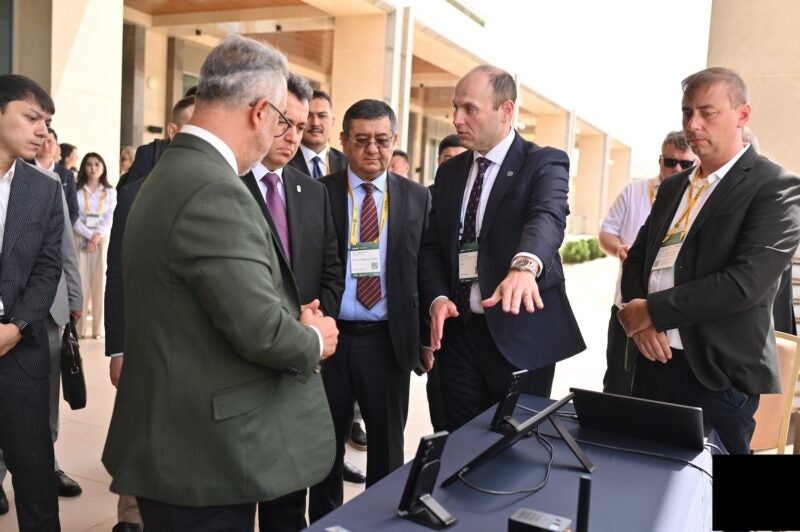
The collaboration with UZ-SAT was particularly lauded. As the local partner, UZ-SAT provides the ground-level expertise and regulatory navigation necessary to deploy these services at scale. While official statements from the Uzbek Ministry focused on the alignment with national digital goals, industry analysts suggest that such partnerships are a blueprint for how satellite operators will enter sovereign markets: by working with, rather than competing against, local telecommunications authorities and national operators.
Comparative Analysis: The Global D2D Competitive Landscape
Viasat’s demonstration in Uzbekistan takes place against a backdrop of intense global competition in the D2D sector. The "Direct-to-Device" market has become the most watched segment of the space economy, with several major players pursuing different technological and regulatory paths.
- SpaceX and T-Mobile: This partnership aims to use Starlink’s Low Earth Orbit (LEO) satellites to provide coverage using T-Mobile’s existing mid-band terrestrial spectrum. While this allows for the use of unmodified phones, it faces significant regulatory scrutiny regarding potential interference with neighboring cellular networks.
- AST SpaceMobile and Lynk Global: These companies are deploying large satellite arrays designed to act as "cell towers in space," also utilizing terrestrial spectrum. Their success depends on launching massive antennas that can pick up the faint signals of standard smartphones from orbit.
- Apple and Globalstar: This is a proprietary ecosystem currently focused on emergency SOS and basic messaging. It uses L-band spectrum but is limited to Apple’s hardware.
- Viasat’s MSS Approach: By using L-band MSS spectrum, Viasat avoids the interference issues associated with terrestrial spectrum sharing. Furthermore, Viasat’s acquisition of Inmarsat has given it a massive, globally licensed L-band footprint, providing a "ready-made" network for D2D services that can be deployed internationally with fewer regulatory roadblocks.
The Uzbekistan trial proves that Viasat’s strategy of using existing geostationary (GEO) assets and dedicated spectrum is a viable path toward commercialization, particularly for messaging and low-bandwidth IoT applications.
Implications for Industrial IoT and Economic Growth
Beyond personal messaging, the D2D demonstration in Uzbekistan has profound implications for the Industrial Internet of Things (IoT). In a landlocked country with significant natural resources, the ability to monitor assets in real-time is an economic imperative. Satellite-enabled IoT sensors can track logistics across the Trans-Caspian International Transport Route, monitor water levels in agricultural irrigation systems, and provide telemetry for remote mining operations.
Because Viasat’s L-band signal can penetrate various atmospheric conditions and requires relatively low power, it is ideal for small, battery-operated IoT devices that need to function for years in the field without maintenance. The demonstration showcased that the same network providing a lifeline for a stranded hiker’s smartphone could also be the backbone of a smart national power grid or a modernized agricultural sector.
Chronology of Development and Future Roadmap
The Uzbekistan demonstration is the latest in a series of steps Viasat has taken to solidify its D2D roadmap. Following the completion of its acquisition of Inmarsat in 2023, Viasat gained access to the Elera L-band network, which is specifically optimized for mobile connectivity.
- Late 2023: Viasat began intensive testing of 3GPP Release 17 protocols over its existing satellite fleet.
- Early 2024: The company announced several partnerships with chipset manufacturers to ensure the next generation of 5G chips would support its L-band frequency.
- May 2024: The Uzbekistan trial successfully demonstrated the end-to-end viability of the system in a real-world environment, using mass-market hardware.
- Looking Ahead (2025-2026): Viasat is expected to move toward commercial "alpha" launches of its D2D service. The company aims to provide a global roaming service for MNOs, allowing their subscribers to stay connected anywhere on Earth via the Viasat network when they leave terrestrial coverage.
Conclusion: A New Era of Ubiquitous Connectivity
The successful D2D demonstration in Uzbekistan marks a critical transition for the satellite industry. It moves the conversation from theoretical capabilities to proven, standards-based applications. For the people of Uzbekistan, it represents a future where the "digital divide" is closed not just by miles of cable, but by the invisible reach of satellites overhead.
For the global telecommunications industry, Viasat has provided a compelling case for the MSS spectrum model. By showing that a standard Android phone can communicate across the vast distances of space using established international standards, Viasat has cleared a path for a more connected, resilient, and inclusive global digital economy. As the technology matures and moves from messaging to voice and eventually data, the lessons learned in the deserts and mountains of Uzbekistan will likely serve as the foundation for a new age of universal mobile reach.
