
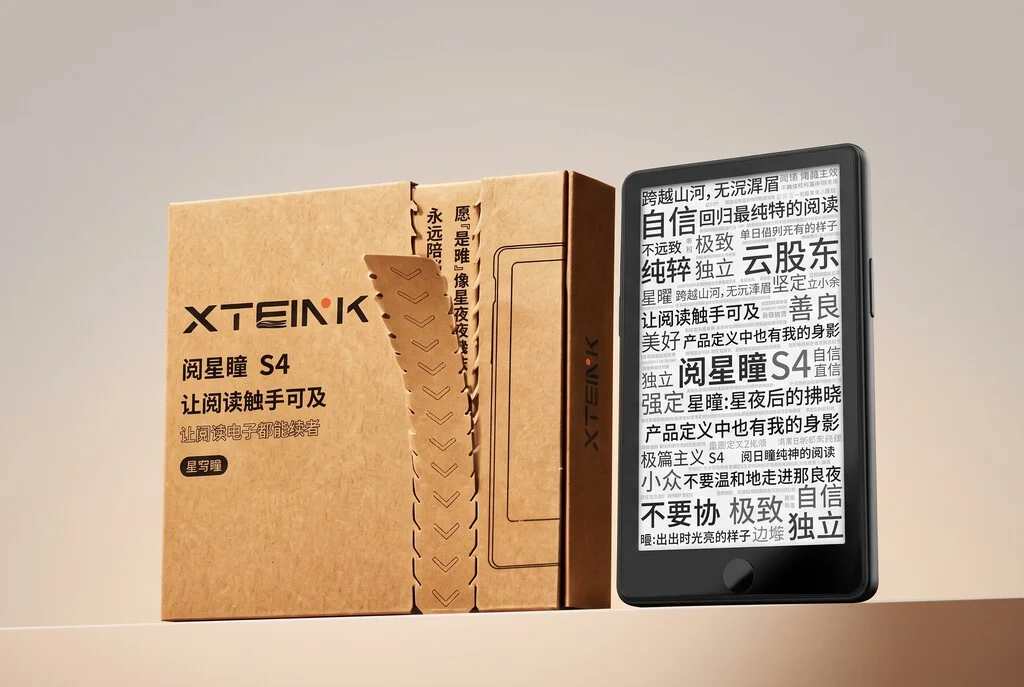

The modern smartphone user is caught in a persistent paradox: the same device used to access the world’s vast literary archives is also the primary source of digital distraction. Notifications from messaging applications, social media algorithms, and the constant influx of emails create a fragmented attention span that often discourages deep, focused reading. In an attempt to solve this, a niche market for external, attachable e-ink displays has emerged, effectively transforming the back of a standard smartphone into a dedicated e-reader. The latest advancement in this sector comes from the Chinese startup Xteink, which is preparing to launch the Xteink S4, a device that promises to shift the category from a novelty accessory to a functional, open-ecosystem tool.
The Evolution of Dual-Screen Concepts
The concept of a secondary, low-power display attached to a mobile device is not entirely new. Historically, the most prominent attempt to integrate this technology directly into hardware was the YotaPhone. Released in 2013, the YotaPhone featured an LCD screen on the front and an E-Ink display on the back, allowing users to keep essential information—such as maps, boarding passes, or long-form articles—visible without draining the primary battery or distracting the user with vibrant colors and notifications.
Despite the innovation, the YotaPhone faced significant hurdles, including high manufacturing costs, software limitations, and the fragility of integrating two displays into a single chassis. When the YotaPhone line eventually ceased operations, the vision of "always-on" e-ink did not disappear; it migrated to the accessory market. Xteink identified this shift, focusing on modularity. By leveraging magnetic mounting systems—specifically those compatible with the MagSafe ecosystem—the company allowed users to add or remove an e-ink screen at will, providing the benefits of the YotaPhone concept without requiring a proprietary, specialized handset.
From Closed Firmware to Android 11
The primary criticism of earlier Xteink iterations, such as the X3 and the X4 Pro, was their reliance on proprietary, closed-source firmware. While these devices were remarkably light and thin—the X3 weighs a mere 58 grams—they were restricted by their operating systems. Users were largely forced to manually transfer EPUB files via microSD cards or proprietary interfaces. The inability to sync with cloud-based services or install third-party applications meant that these devices could not compete with mainstream e-readers like the Amazon Kindle or the Kobo range, which offer seamless library synchronization.
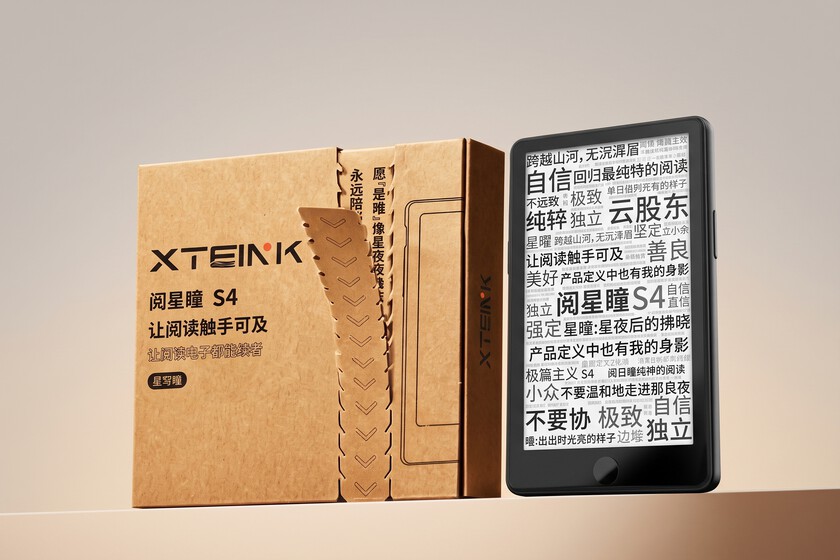
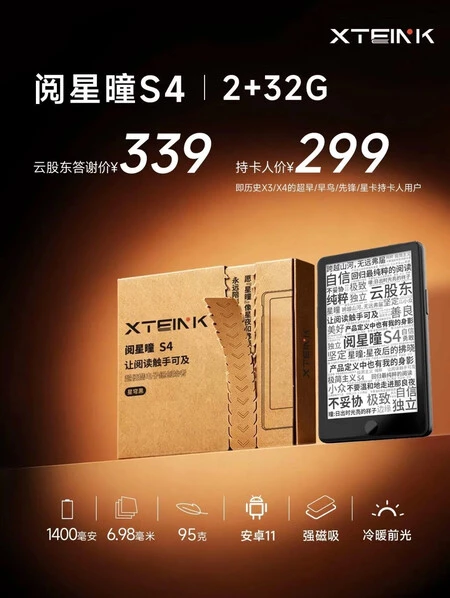
The Xteink S4 represents a fundamental shift in strategy. By adopting Android 11, the manufacturer is effectively transforming an external display into a standalone smart device. The inclusion of an open operating system allows for "sideloading," which enables users to install established reading applications. This means that a reader can now access their existing libraries on Kindle, Kobo, or even Pocket and Instapaper directly on the secondary screen. This interoperability is expected to be the catalyst that shifts the S4 from a niche hobbyist tool to a viable alternative for heavy readers.
Market Dynamics and Technical Specifications
The trajectory of Xteink’s product lineup reflects a rapid iterative process typical of the consumer electronics startup scene in Shenzhen. The following chronology outlines the company’s progression:
- The Early Phase (2022-2023): Initial focus on minimalist hardware, emphasizing portability and magnetic mounting.
- The Mid-Phase (2023): Introduction of the X4 Pro, which brought touch-screen capabilities and front-lighting to the series, improving the user experience significantly.
- The Software Pivot (2024): The development of the Xteink S4, prioritizing software flexibility and the transition to the Android ecosystem.
Data indicates that the e-reader market is shifting toward increased connectivity. According to recent industry reports, the global e-reader market continues to see steady growth, but the "prosumer" segment—users who demand high levels of customization and cross-device integration—is expanding faster than the entry-level segment. The Xteink S4 addresses this by offering a high-resolution, glare-free display that does not suffer from the blue-light emissions associated with OLED or LCD smartphone panels, thus mitigating digital eye strain.
Technical Challenges and Hardware Integration
While the transition to Android 11 is a significant milestone, it introduces new challenges, particularly regarding battery management and latency. Running a full operating system on a small, secondary device requires efficient power consumption. Previous models were prized for their battery life, which could last for weeks due to their basic firmware. It remains to be seen how the S4 will balance the overhead of Android with the expected endurance of an e-ink device.
Industry analysts suggest that the success of the S4 will depend heavily on its refresh rate and processor optimization. E-ink technology, by nature, is slower than conventional display technology. To provide a smooth experience for Android applications that were designed for LCDs, Xteink must implement robust screen-refresh algorithms. Without this, the scrolling and UI navigation typical of Android apps could lead to "ghosting"—the retention of previous images on the screen—and a sluggish interface.
Broader Implications for the Mobile Industry
The emergence of attachable e-ink displays highlights a broader trend: the "de-smartphoning" of our leisure time. As smartphones become increasingly complex and addictive, there is a growing counter-movement among consumers who seek to limit their screen time without completely abandoning modern technology.
By modularizing the reading experience, Xteink is allowing users to segment their device usage. The phone remains the hub for communication and work, while the secondary screen serves as a dedicated, low-distraction portal for information consumption. If the Xteink S4 succeeds in the global market, it may force major smartphone manufacturers to reconsider the integration of secondary displays or at least provide better API support for external e-ink peripherals.
Future Outlook and Availability
Xteink has confirmed that the S4 will debut in the Chinese market, with a global rollout expected to follow. This phased approach is common for hardware startups aiming to stress-test their software ecosystems in their home market before addressing the complexities of global app store compliance and regional distribution.
The long-term success of the Xteink S4 will be determined by its price point and its ability to maintain a frictionless user experience. If the integration between the smartphone and the S4 becomes seamless—perhaps through automatic syncing of reading progress and shared notifications—the device could carve out a significant share of the e-reader market.
For now, the device remains an object of intense interest for technology enthusiasts who are tired of the constant "ping" of notifications while trying to read a book. Whether it can challenge the dominance of dedicated e-reader brands remains to be seen, but the move to Android 11 is a clear signal that Xteink is no longer content with being a mere curiosity. It is positioning itself as a serious player in the ecosystem of digital wellness and minimalist technology.
As the device moves closer to its global launch, the industry will be watching to see how consumers respond to the promise of a truly "unplugged" reading experience, facilitated by the very device they are trying to escape. If the software implementation meets the expectations set by the hardware, the Xteink S4 could redefine how we interact with our mobile devices, proving that sometimes, the best way to improve a phone is to add a screen that doesn’t try to compete for our attention.
