
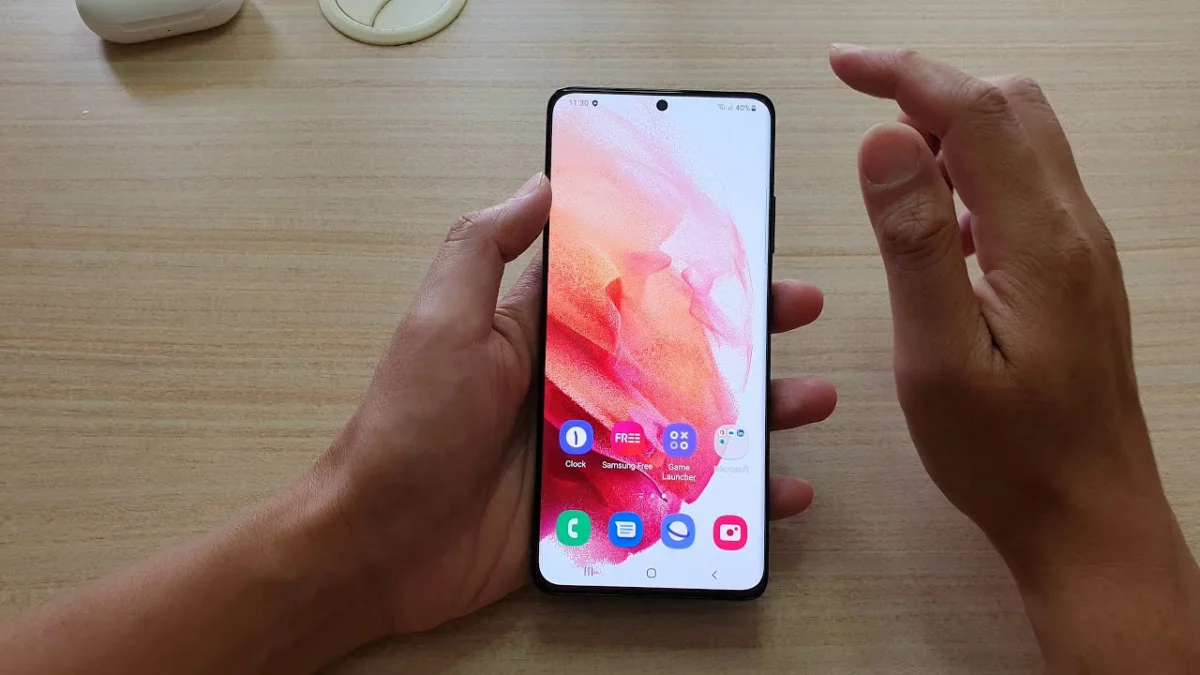

The telecommunications landscape is currently undergoing one of its most significant structural shifts since the transition from analog to digital cellular networks. At the forefront of this evolution is the embedded SIM, or eSIM, a technology that replaces the traditional removable plastic subscriber identity module with a permanent, programmable chip integrated directly into a device’s motherboard. For Samsung Electronics, the world’s largest smartphone manufacturer by volume, the integration of eSIM technology across its Galaxy ecosystem represents a strategic move toward greater hardware efficiency, enhanced consumer flexibility, and a streamlined international roaming experience.
The Technical Foundation of Samsung’s eSIM Integration
An eSIM, technically known as an eUICC (Embedded Universal Integrated Circuit Card), is a specialized hardware component that measures a fraction of the size of a standard nano-SIM. Unlike the physical cards that have been a staple of mobile telephony since the early 1990s, the eSIM is soldered directly onto the device’s printed circuit board during the manufacturing process.
On Samsung Galaxy devices, this chip functions as a secure vault for carrier profiles. Instead of physical gold-plated contacts reading data from a plastic card, the device’s modem communicates with the eUICC to authenticate the user’s identity with a cellular network. This digital-first approach allows for "Remote SIM Provisioning," a standard governed by the GSMA (Global System for Mobile Communications Association) that enables users to download and activate cellular plans over-the-air (OTA) without visiting a retail store or waiting for a physical card to arrive in the mail.
A Chronology of eSIM Adoption in the Galaxy Ecosystem
The journey of eSIM technology within the Samsung portfolio has been a gradual rollout, influenced heavily by regional carrier support and regulatory environments.
- The Early Phase (2016–2019): Samsung initially experimented with eSIM technology in its wearable line. The Gear S2 Classic 3G, released in 2016, was the first commercial device to implement the GSMA’s eSIM specification. This was followed by successive Galaxy Watch models, which used eSIMs to maintain LTE connectivity independent of a paired smartphone.
- The Flagship Breakthrough (2020): The Galaxy S20 series marked the debut of eSIM technology in Samsung’s flagship smartphone lineup. However, the availability was fragmented. While European and Asian variants launched with eSIM enabled, North American models (particularly in the United States) saw the hardware present but the software disabled at launch due to carrier resistance.
- The Software Unlock (2021–2022): Following pressure from consumers and a shifting competitive landscape, Samsung released a series of One UI software updates for the Galaxy S21 and S20 series in the U.S., finally enabling the eSIM functionality. This period also saw the introduction of the Galaxy Z Fold and Z Flip series, which utilized eSIM technology to maximize internal space in their complex, folding chassis.
- Standardization (2023–Present): With the launch of the Galaxy S23 and S24 series, eSIM has become a standard, promoted feature. Samsung introduced "eSIM Transfer" tools within One UI 5.1 and higher, allowing users to move their digital profiles between devices more seamlessly, a feature previously exclusive to the iOS ecosystem.
Market Data and Industry Trends
The shift toward eSIM is backed by compelling market data. According to a 2023 report by Counterpoint Research, eSIM-capable device shipments are expected to grow at a compound annual growth rate (CAGR) of 15% through 2025. Analysts estimate that by the end of the decade, the physical SIM card slot will be entirely phased out of premium and mid-range smartphones.
For Samsung, the inclusion of eSIM technology serves several logistical and economic purposes. By reducing the reliance on physical SIM trays, manufacturers can theoretically improve the structural integrity and water resistance (IP68 ratings) of their devices. Furthermore, the space saved by removing or shrinking the SIM tray assembly can be repurposed for larger batteries or improved thermal management systems.
Dual SIM Functionality and the Traveler’s Advantage
One of the primary benefits of eSIM on Samsung devices is the enablement of Dual SIM Dual Standby (DSDS) technology. Most Galaxy flagships feature one physical SIM slot and one eSIM. This allows users to maintain two active phone numbers simultaneously—a common requirement for professionals who wish to separate work and personal lines on a single device.
The implications for international travel are particularly profound. Historically, travelers were forced to seek out local kiosks at airports to purchase physical SIM cards, often facing language barriers and inflated pricing. With a Samsung Galaxy device, a traveler can keep their primary home-country SIM active while downloading a secondary, local data plan from a provider like Airalo, Holafly, or a local carrier. This ensures that the user remains reachable on their original number for emergency calls or two-factor authentication (2FA) codes while avoiding exorbitant roaming fees for data usage.
The Activation Process: Bridging Hardware and Software
Activating an eSIM on a Samsung device is designed to be a frictionless experience, typically managed through the "SIM Card Manager" or "SIM Manager" menu within the system settings. The process generally follows one of three paths:
- QR Code Scanning: The most common method involves the carrier providing a unique QR code. When scanned through the Samsung camera or SIM manager, the device automatically contacts the carrier’s server, downloads the encrypted profile, and attaches it to the eUICC.
- Carrier Apps: Major telecommunications providers often include eSIM provisioning within their proprietary apps. Upon logging in and purchasing a plan, the app pushes the profile directly to the device settings.
- Manual Entry: In cases where automated methods fail, users can manually enter the SM-DP+ (Subscription Management Data Preparation) address and activation code provided by the carrier.
Security Implications and Data Protection
Security is a cornerstone of the eSIM proposition. From a hardware perspective, the eUICC is a "tamper-resistant" element. Unlike a physical SIM card, which can be easily removed if a device is stolen, an eSIM is integrated into the hardware. This means that if a Samsung Galaxy phone is lost or stolen, the thief cannot simply "throw away" the SIM card to disconnect the phone from the network. This persistence allows the "Find My Mobile" and "SmartThings Find" services to remain active for longer periods, increasing the likelihood of device recovery.
Furthermore, the digital nature of the eSIM profile utilizes high-level encryption for the provisioning process. The GSMA’s standards ensure that the "handshake" between the Samsung device and the carrier’s server is secure, preventing "SIM swapping" attacks—a form of identity theft where hackers convince a carrier to port a victim’s number to a SIM card in the hacker’s possession.
Carrier Landscape and Regional Challenges
Despite the technical advantages, the global transition to eSIM has not been without friction. The primary bottleneck remains carrier support. While major Tier-1 carriers in the United States, Europe, and South Korea have fully embraced the technology, many smaller prepaid brands and carriers in developing markets have been slower to invest in the necessary server infrastructure.
Additionally, some carriers have faced criticism for charging "activation fees" for eSIMs, despite the lack of physical materials or shipping costs. Industry analysts suggest that this is a temporary friction point as carriers adjust their business models to a world where switching providers can be done with a few taps on a screen.
Broader Impact and Environmental Implications
The environmental impact of the transition to eSIM is significant. Every year, billions of physical SIM cards are produced, involving plastic, gold, and silicon. These cards are often shipped in oversized plastic holders and eventually end up in landfills. By moving toward a digital-only SIM model, Samsung and the broader tech industry are significantly reducing plastic waste and the carbon footprint associated with the logistics of SIM distribution.
Future Outlook: Beyond the Smartphone
As Samsung continues to refine its eSIM implementation, the industry is already looking toward the next step: the iSIM (Integrated SIM). While the eSIM is a separate chip on the motherboard, the iSIM integrates the SIM functionality directly into the device’s main processor (the System-on-Chip or SoC). Samsung, in partnership with companies like Qualcomm, is already exploring iSIM technology, which promises even greater power efficiency and space savings.
The future of Samsung Galaxy devices is undeniably cardless. The transition from physical to digital identity modules represents a win for consumer convenience, a leap forward for device security, and a necessary step toward more sustainable consumer electronics. As 5G networks continue to expand and the "Internet of Things" (IoT) grows, the ability to manage connectivity through software—powered by the eSIM—will become the foundational standard for all mobile communication.
