
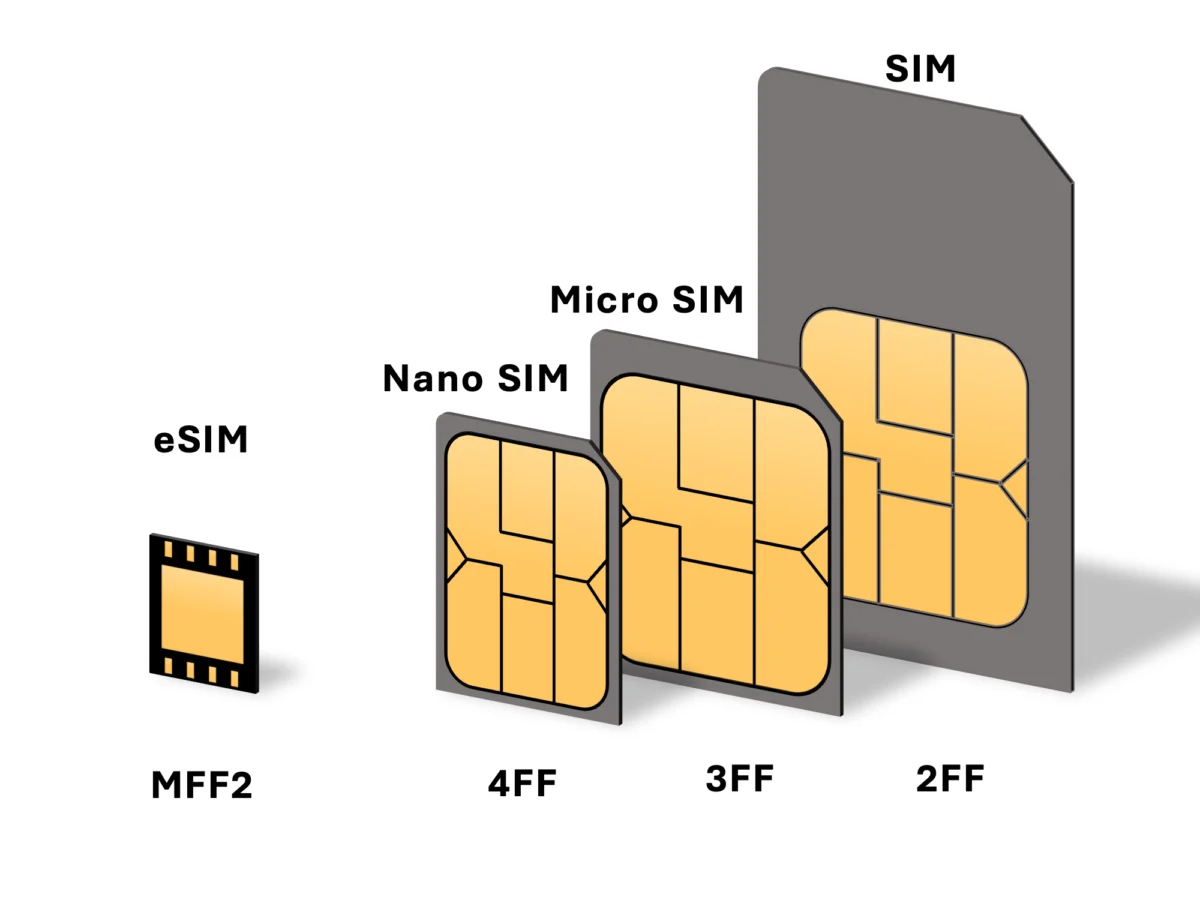

South Korea has long established itself as a global leader in telecommunications infrastructure, boasting some of the world’s fastest internet speeds and highest smartphone penetration rates. As the nation continues to push the boundaries of the Fourth Industrial Revolution, the transition from traditional physical SIM cards to embedded SIM (eSIM) technology has emerged as a pivotal shift in the mobile landscape. This technological evolution is not merely a matter of convenience for local residents but has become a critical component of the travel experience for the millions of tourists who visit the peninsula annually. By eliminating the need for a physical plastic chip, eSIM technology offers a seamless, secure, and highly flexible way to manage cellular plans, allowing users to switch between providers and profiles with a few taps on a screen.
The Technological Shift: Understanding the Mechanics of eSIM
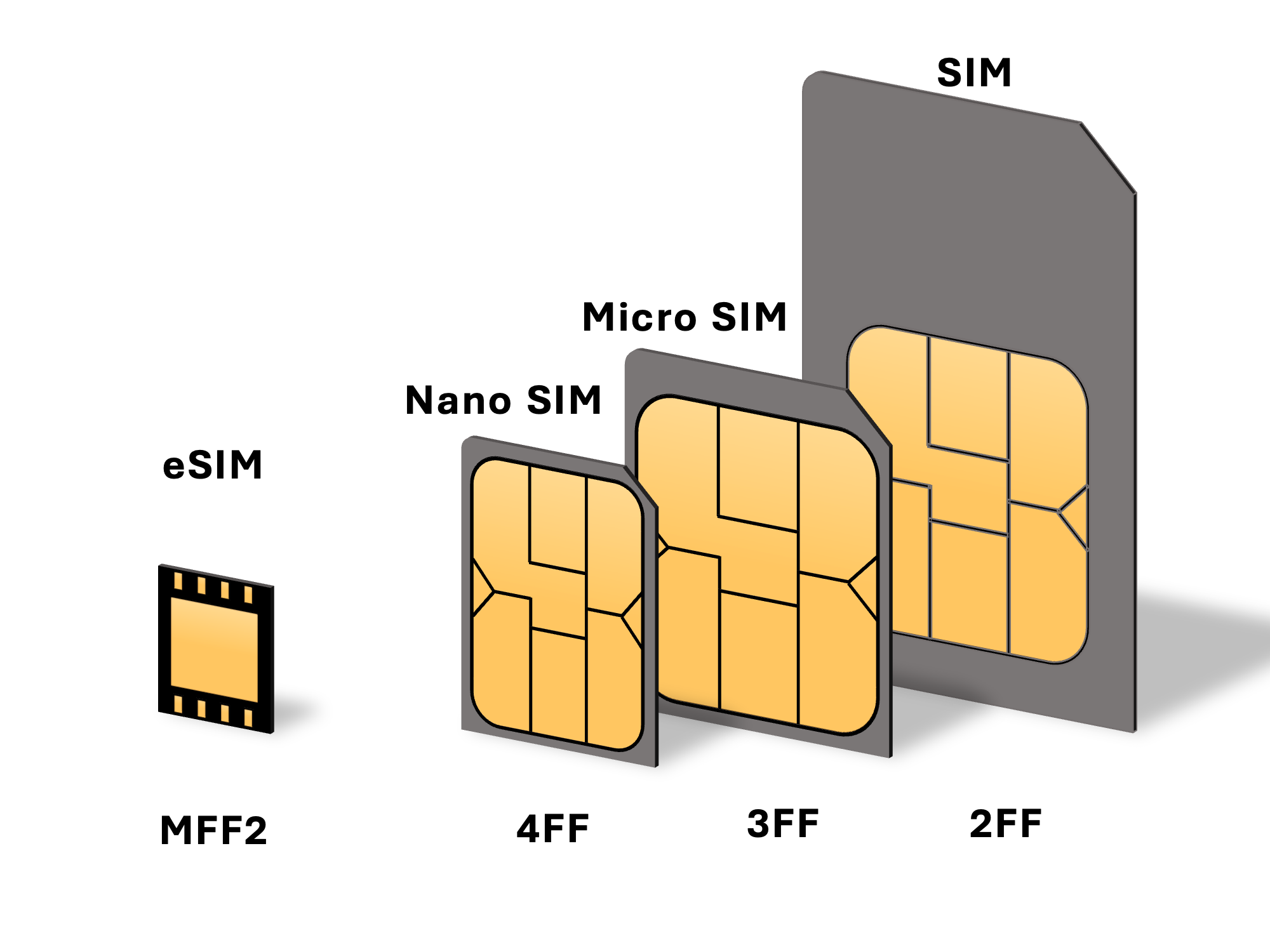
To understand the current market dynamics in Korea, one must first grasp the technical underpinnings of the eSIM, or embedded Universal Integrated Circuit Card (eUICC). Unlike the traditional SIM card, which must be physically inserted into a device’s tray, an eSIM is a programmable chip soldered directly onto the device’s motherboard during manufacturing. This hardware integration allows for Remote SIM Provisioning (RSP), a process by which a user can download a carrier’s profile over the air.
In South Korea, the adoption of eSIM technology received a significant boost in September 2022, when the Ministry of Science and ICT (MSIT) officially mandated that the country’s major telecommunications providers support eSIM for smartphones. Prior to this, the technology was largely relegated to smartwatches and IoT devices. The government’s intervention was driven by a desire to foster competition within the telecommunications sector, reduce plastic waste, and lower the barriers for consumers looking to switch between carriers or maintain dual-service lines—one for personal use and one for business.
The Strategic Importance of eSIM for the Korean Tourism Sector
South Korea’s tourism industry, which has seen a robust recovery in the post-pandemic era, is a primary driver for the eSIM market. For international travelers, the traditional process of acquiring a local SIM card involved navigating the arrivals hall at Incheon International Airport, waiting in queues, and physically swapping out cards—a process that risked the loss of the original SIM.
The introduction of travel-specific eSIMs has revolutionized this "first-hour" experience. Travelers can now purchase and activate a Korean data plan before they even board their flight. Upon landing, the device automatically connects to a local network, providing immediate access to essential navigation apps like Naver Maps or KakaoTaxi, which are vital for navigating the country’s unique digital ecosystem.
Comparative Analysis of Leading eSIM Providers in Korea
The Korean telecommunications market is dominated by three major players—SK Telecom, KT (formerly Korea Telecom), and LG U+—alongside specialized resellers like Korea SIM Card. Each provider offers distinct advantages tailored to different user demographics.
1. SK Telecom: The Premium Market Leader
SK Telecom (SKT) maintains the largest market share in South Korea, often cited for having the most extensive 5G and 4G LTE coverage, particularly in mountainous regions and rural provinces. For tourists, SKT offers an eSIM plan priced at approximately $35, providing 1GB of high-speed data with a 30-day validity period. While the price point is higher than some competitors, the value proposition lies in network reliability and the "T-World" support infrastructure. For long-term residents, SKT’s plans are more robust, starting at $29 per month for 2GB of data coupled with unlimited domestic voice calls and texts, making it a preferred choice for professionals.
2. KT Olleh: The Connectivity Giant
KT Olleh is frequently the first choice for travelers due to its massive "KT WiFi" network. When a user activates a KT eSIM, they often gain access to thousands of secure Wi-Fi hotspots located in subway stations, cafes, and public buildings across the country. Their tourist eSIM is priced competitively at $36.50 for 1GB over 30 days. For residents, KT’s entry-level monthly plans start at roughly $30, offering a balanced mix of data and unlimited local communication.
3. LG U+: The Value-Driven Innovator
LG U+ has historically positioned itself as a price-competitive alternative to SKT and KT. Their tourist eSIM plan is priced at the higher end of the spectrum at $39 for 1GB, yet they often bundle these with promotional offers or higher data speeds in urban centers like Seoul and Busan. For residents, LG U+ offers monthly plans starting at $35, which frequently include international roaming benefits and additional data add-ons, catering to the younger, tech-savvy demographic.
4. Korea SIM Card: The Specialized Tourist Solution
Korea SIM Card operates as a Mobile Virtual Network Operator (MVNO), leveraging the infrastructure of the major telcos while offering more flexible, tourist-oriented packages. Their entry-level eSIM is the most affordable at $25 for 1GB. Their strength lies in multilingual customer support and a variety of "Unlimited Data" options that appeal to heavy social media users and digital nomads.
Data Breakdown: Cost and Performance Metrics
A comparative look at the current market offerings for a standard 30-day tourist plan reveals a tiered pricing strategy:
| Provider | Base Price (USD) | Data Allowance | Validity | Network |
|---|---|---|---|---|
| Korea SIM Card | $25.00 | 1GB | 30 Days | MVNO (Multi-network) |
| SK Telecom | $35.00 | 1GB | 30 Days | SKT Native |
| KT Olleh | $36.50 | 1GB | 30 Days | KT Native + WiFi |
| LG U+ | $39.00 | 1GB | 30 Days | LG U+ Native |
While the "1GB" threshold is a common baseline, it is important to note that most providers offer "daily unlimited" tiers. For example, a 10-day unlimited data eSIM typically ranges between $30 and $40, providing much higher value for short-term visitors than the 30-day limited data plans.
Technical Implementation: Activation and Management
The activation of an eSIM in Korea is standardized across providers to ensure a user-friendly experience. The process generally follows a specific chronology:
- Compatibility Check: The user must ensure their device is carrier-unlocked and supports eSIM (e.g., iPhone XS or newer, Samsung Galaxy S20 or newer).
- Purchase and Delivery: Upon purchasing a plan online, the provider generates a unique QR code, which is delivered via email instantly.
- Installation: The user scans the QR code through their device’s cellular settings. This downloads the carrier profile.
- Registration: In accordance with South Korean law, users may be required to upload a copy of their passport for identity verification through a secure portal provided by the carrier.
- Activation: Once the user arrives in Korea, they simply toggle the eSIM "On" in their settings.
Topping up an eSIM is similarly digitized. Most providers offer a web-based dashboard or a dedicated mobile app where users can purchase additional data or extend their validity period using international credit cards or digital payment systems like KakaoPay.
Industry Implications and Future Outlook
The shift toward eSIM technology in South Korea carries broader implications for the global telecommunications industry and environmental sustainability.
Environmental Impact: The reduction in physical SIM production significantly lowers the consumption of plastic and the carbon footprint associated with the logistics of shipping physical cards to retailers and airports. As South Korea moves toward its "Green New Deal" goals, the digitization of telecommunications is a small but measurable step in reducing industrial waste.
Market Competition: The ease of switching eSIM profiles is expected to increase churn rates among providers, forcing them to compete more aggressively on service quality and price. This is particularly evident in the resident market, where the "Big Three" are now competing with a surge of MVNOs that offer lower-cost eSIM alternatives with no long-term contract requirements.
Security and Safety: From a security perspective, an eSIM is inherently more secure than a physical SIM. It cannot be removed if a device is stolen, making it easier for owners to track their devices. Furthermore, the digital nature of the profile allows for more robust encryption during the provisioning process.
Conclusion: Navigating the Choices
For those visiting or residing in South Korea, the choice of an eSIM provider depends largely on the duration of stay and specific usage patterns. Tourists seeking the lowest cost will find Korea SIM Card to be the most economical choice, while those requiring the most stable connection across the entire peninsula should opt for SK Telecom. KT Olleh remains the premier choice for those who value supplementary Wi-Fi access in urban environments.
For long-term residents, the focus shifts to monthly data caps and integrated services. SK Telecom and KT Olleh offer the most comprehensive packages that include voice and text, which are essential for registering for local services like online shopping and food delivery apps that require a verified Korean phone number.
As South Korea continues to refine its digital infrastructure, the eSIM is set to become the default standard. The convenience of maintaining a home-country number for emergency calls while utilizing a local Korean eSIM for high-speed data represents the new gold standard for international connectivity. Whether for a short-term holiday or a multi-year residency, the Korean eSIM market offers a robust, efficient, and technologically advanced solution for the modern connected citizen.
