

Submarine cables, the invisible arteries of the digital age, have transcended their role as mere conduits of information to become potent instruments of geopolitical power, increasingly targeted for dispute, espionage, and constant surveillance. These undersea networks are the silent workhorses carrying an astounding 99% of global telecommunications, underpinning everything from international finance and commerce to military communications and everyday internet use. Their immense economic and social importance has made their protection a paramount concern for nations worldwide, especially for strategically located countries like Spain.
The Unseen Battlefield: Geopolitical Stakes of Submarine Cables
The vulnerability of submarine cables represents a critical national security challenge, a fact starkly highlighted by a series of incidents and escalating geopolitical tensions. The vast majority of the world’s daily data traffic, valued at trillions of dollars in financial transactions alone, traverses these fiber-optic lines. Any disruption, whether accidental or deliberate, can have cascading effects, crippling economies, impeding military operations, and severing vital social connections. In an era of hybrid warfare and "gray zone" tactics, where state and non-state actors blur the lines between peace and conflict, critical infrastructure like submarine cables has emerged as a prime target. Recent years have seen an alarming increase in suspicious activities near these crucial conduits, ranging from the alleged mapping of cable routes by adversarial naval vessels to unexplained cuts in strategic locations. Experts point to the evolving nature of threats, moving beyond accidental damage from fishing trawlers or ship anchors to sophisticated, state-sponsored sabotage aimed at gaining strategic advantage or causing widespread disruption. The global community is increasingly aware that control over, or the ability to disrupt, these networks can grant significant leverage in international relations.
Spain: A Pivotal Node in the Global Digital Tapestry
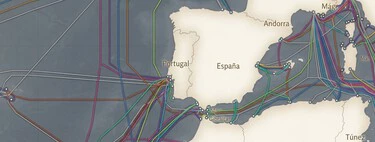
Spain’s unique geographical position at the nexus of Europe, Africa, and the Americas elevates its status to a crucial hub in this global digital ecosystem. Its extensive coastline, coupled with the strategic significance of the Strait of Gibraltar, makes it a natural landing point for numerous vital submarine cable systems. The country’s seabed is home to an estimated 15,000 kilometers of these essential cables, positioning Spain as a primary conduit for intercontinental data flow. Among these, some of the world’s most significant networks converge on Spanish shores, including the colossal 2Africa cable. This gigantic project, poised to be the world’s largest, spans approximately 45,000 kilometers and connects 33 countries across Africa, Europe, and Asia. Other major systems, such as Marea, linking Virginia Beach (USA) to Sopelana (Spain), and Grace Hopper, connecting New York to Bude (UK) and Bilbao (Spain), further underscore Spain’s indispensable role. This robust connectivity not only fuels Spain’s burgeoning digital economy and facilitates international trade but also solidifies its position as a critical data exchange point, making its infrastructure an asset of global importance but also a potential target. The protection of these networks is not merely a national interest but a shared international responsibility.
A Unified Front: Spain’s Multi-Agency Protection Strategy
Recognizing the multifaceted nature of the threats, Spain has implemented a robust and coordinated multi-agency framework to safeguard its submarine cable infrastructure. This collaborative effort involves key national institutions working in concert to ensure vigilance, deterrence, and rapid response. The principal entities at the forefront of this defense are the Ministry of Defense, spearheaded by the Spanish Navy; the National Centre for the Protection of Critical Infrastructures (CNPIC); and the Secretary of State for Telecommunications and Digital Infrastructures (SETID).
The Ministry of Defense, through the Spanish Navy, is tasked with the comprehensive mandate of maritime security. This includes the continuous surveillance of Spain’s territorial waters and exclusive economic zone (EEZ), identifying potential threats, and maintaining a deterrent presence. Their role extends to the physical protection of the cables against both intentional sabotage and accidental damage. A spokesperson for the Ministry of Defense emphasized, "The security of our digital arteries is paramount to national security and economic stability. This collaborative approach ensures we leverage all available resources to protect this vital infrastructure."
The National Centre for the Protection of Critical Infrastructures (CNPIC) plays a pivotal role in intelligence sharing, risk assessment, and crisis management. As the central body for coordinating actions related to the security of critical national infrastructures, CNPIC works to identify vulnerabilities, analyze potential threats, and develop robust mitigation strategies. It acts as a nexus for information exchange between various governmental agencies, private operators, and international partners, ensuring a holistic understanding of the threat landscape.
The Secretary of State for Telecommunications and Digital Infrastructures (SETID) focuses on the policy, regulatory, and economic dimensions of cable security. Its responsibilities include promoting investment in resilient infrastructure, ensuring regulatory compliance, and fostering digital sovereignty. SETID is crucial in developing policies that encourage redundancy, diversify landing points, and secure the supply chains for cable components, thereby enhancing the overall resilience of Spain’s telecommunications network. This tripartite collaboration ensures a layered defense, combining military deterrence, intelligence coordination, and strategic policy-making to create a formidable protective shield for Spain’s undersea cables.
The Maritime Guardians: The Spanish Navy’s Role and Capabilities
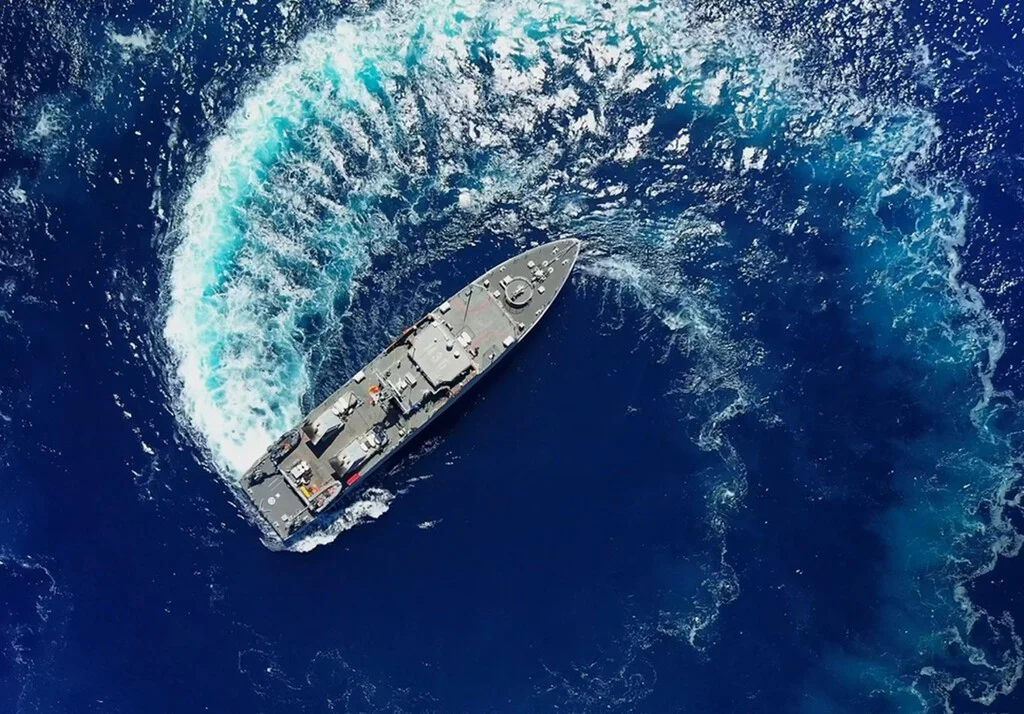
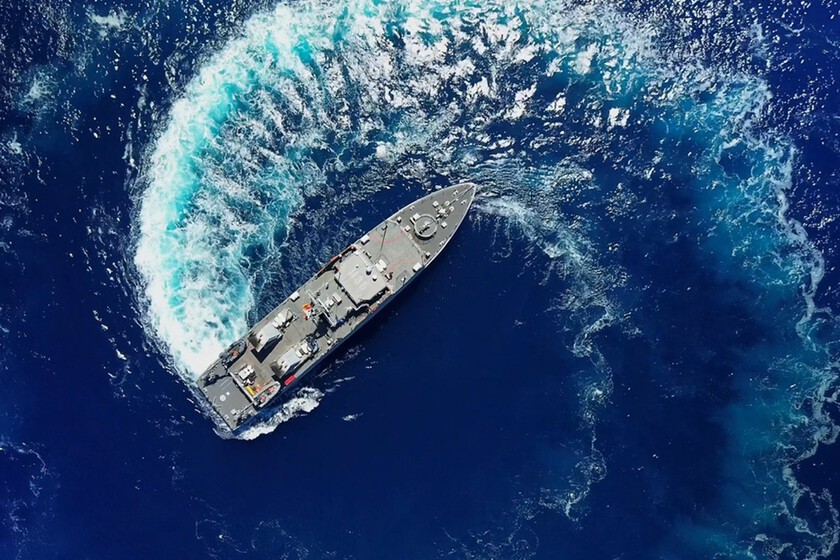
At the heart of Spain’s active defense strategy for its submarine cables lies the Spanish Navy, particularly its specialized Mine Countermeasures Vessels (MCMVs), commonly known as Cazaminas. A dedicated fleet of six such ships—the Turia, Duero, Tajo, Tambre, Segura, and Sella—is deployed to patrol Spain’s extensive maritime domain. While primarily designed for mine warfare, these vessels are exceptionally well-suited for the surveillance and protection of undersea infrastructure due to their advanced detection and intervention capabilities. Their presence serves a dual purpose: active vigilance against suspicious activities and a powerful deterrent against any potential aggressors.
These Cazaminas ships are equipped with state-of-the-art sonar technology capable of performing high-resolution surveys of the seabed. This allows them to detect anomalies that could indicate the presence of mines, sabotage devices, or unauthorized intrusions near critical cable routes. The precision of these sonars enables operators to differentiate between natural seabed features and potential threats, ensuring timely identification and assessment.
For closer inspection and intervention, the Spanish Navy deploys Remotely Operated Vehicles (ROVs). These submersible robots are invaluable tools in the complex deep-sea environment. Equipped with high-definition optical cameras, ROVs transmit real-time imagery directly to the ships, providing operators with a detailed view of the seabed and any identified objects. They also feature sophisticated manipulator arms, or "grippers," which can be used for detailed examination, recovery of evidence, or the precise placement of counter-measures. These ROVs typically operate at depths of up to 200-300 meters, allowing access to the majority of shallow and medium-depth cable installations. In scenarios requiring the neutralization of a detected threat, such as an explosive device, the ROV can be fitted with a specialized payload, including explosive charges weighing up to 80 kilograms, to safely detonate the "intruder" from a distance. Naval commanders consistently underscore the versatility and precision of ROVs as indispensable tools for both reconnaissance and direct intervention in hazardous underwater environments, minimizing risk to human personnel.
In situations demanding human expertise and dexterity, particularly in complex underwater terrains or for tasks beyond the capabilities of ROVs, the Spanish Navy also relies on its highly trained specialized divers. These elite units can descend to significant depths, utilizing advanced rebreather systems and saturation diving techniques to work effectively for extended periods. As reported by Demócrata, these divers can operate down to 114 meters and are equipped with small electric propulsion vehicles, enhancing their mobility and expanding their search radius across the vast seabed. Their ability to conduct intricate manual inspections, attach recovery equipment, or neutralize threats directly provides an essential layer of flexibility and capability to the overall protection strategy. This combination of advanced naval platforms, cutting-edge robotic technology, and highly skilled human operatives creates a comprehensive and formidable defense system for Spain’s vital submarine cable network.
The European Dimension: Collective Security and Resilience
The protection of submarine cables is not a purely national endeavor; it demands robust international cooperation. Spain actively participates in the European Union’s broader strategy for cable security, underscoring the collective nature of this challenge. The EU recognizes submarine cables as critical infrastructure for the entire bloc, essential for economic stability, digital sovereignty, and the functioning of its single market. To this end, Spain is a key contributor to the EU Action Plan on Cable Security, an initiative designed to enhance the resilience and security of these vital networks across the continent.
The EU’s commitment is tangible, as evidenced by investments such as the €347 million allocated to bolster submarine cable security. This funding aims to improve physical protection, enhance monitoring capabilities, and develop new tools to counter intentional damage. The Action Plan focuses on several key areas: comprehensive risk assessment across all member states, facilitating intelligence sharing between national security agencies and industry stakeholders, developing advanced technological solutions for detection and intervention, and promoting international cooperation with key partners beyond the EU. Furthermore, the plan emphasizes securing the supply chains for cable components and fostering greater redundancy in network design to mitigate the impact of any single point of failure. European Commission officials have repeatedly highlighted that "no single nation can tackle these complex and evolving threats alone; a unified European strategy, characterized by shared intelligence and collective investment, is essential to protect our shared digital future and ensure the resilience of our interconnected societies." Spain’s active engagement in these initiatives not only strengthens its own defenses but also contributes significantly to the overall digital security of the European continent.
Global Precedents and Evolving Threats
The urgency of protecting submarine cables is underscored by numerous global incidents that serve as stark warnings. Taiwan, for instance, has repeatedly experienced cuts to its undersea cables, frequently attributed to Chinese fishing vessels or anchors, but occurring amidst heightened geopolitical tensions with Beijing. These disruptions have severely impacted the island’s internet connectivity, forcing it to rely on less efficient microwave links and highlighting the fragility of its digital lifeline. Similarly, the Strait of Hormuz, a critical choke point for global oil shipments, has also seen concerns about potential cable disruptions that could have far-reaching impacts on energy markets and regional stability.
More recently, incidents in the Nordic and Baltic Seas, including damage to gas pipelines like Nord Stream and the Balticconnector, have raised serious alarms about potential state-sponsored sabotage targeting critical underwater infrastructure. These events, occurring in the shadow of broader geopolitical conflicts, have intensified fears that submarine cables could become primary targets in future conflicts or "gray zone" operations. The increasing deployment of deep-sea research vessels by certain nations, often with dual-use capabilities, has also fueled suspicions of intelligence gathering and pre-positioning for potential sabotage, further complicating the security landscape. These global precedents highlight a concerning trend: the invisible infrastructure beneath the waves is increasingly becoming a theater for geopolitical competition, demanding ever-more sophisticated and coordinated defense strategies.
Economic and Societal Fallout of Disruption
The consequences of a significant disruption to submarine cable networks extend far beyond mere inconvenience; they pose an existential threat to modern economies and societies. Given that trillions of dollars in financial transactions traverse these cables daily, a major outage could trigger a global economic crisis, paralyzing stock markets, banking systems, and international trade. Beyond finance, the entire fabric of modern life is interwoven with internet connectivity. Cloud services, e-commerce, healthcare systems, emergency services, and even basic communications rely on the uninterrupted flow of data through these undersea arteries. A widespread cable cut could plunge vast regions into a digital dark age, disrupting supply chains, halting essential public services, and eroding public trust in governmental and technological infrastructure. The fragility of modern society’s dependence on these hidden lifelines cannot be overstated; their disruption represents a catastrophic risk that nations must actively mitigate.
Future Challenges and Strategic Investment
Looking ahead, the challenges to securing submarine cables are only set to intensify. The continuous expansion of the global cable network, driven by ever-increasing demand for data, means an ever-larger attack surface for potential adversaries. Protecting these thousands of kilometers of cable in remote, deep-sea environments requires constant innovation and significant investment. Future strategies will likely involve the deployment of advanced autonomous underwater vehicles (AUVs) for persistent surveillance, leveraging AI-driven analytics for anomaly detection, and developing more resilient and redundant network architectures.
Investment in cutting-edge technology must be matched by investment in human capital. Training and retaining highly specialized personnel—from naval intelligence analysts and ROV operators to deep-sea divers—is crucial for maintaining a responsive and capable defense. Furthermore, strengthening international legal frameworks for the protection of undersea infrastructure and fostering greater transparency in deep-sea activities will be essential for deterring malicious acts and promoting collective security. The concept of "digital sovereignty," which emphasizes a nation’s control over its digital destiny, will continue to drive strategic decisions regarding cable ownership, routing, and protection.
In conclusion, submarine cables are the indispensable lifelines of the modern world, silently enabling the global economy and connecting billions of people. Spain’s unique geographical position makes it an undeniable linchpin in this global network, simultaneously benefiting from and bearing the responsibility for its security. The nation’s proactive and collaborative efforts, both nationally through its multi-agency framework and internationally within the European Union, are critical for maintaining global connectivity and stability in an increasingly complex and contested geopolitical landscape. As the digital realm continues to expand, the vigilance and strategic investment dedicated to these hidden arteries beneath the waves will define the resilience and security of nations worldwide.
