

Amazon Web Services (AWS) today announced a significant expansion of capabilities for its AWS Security Agent, a pivotal component of the broader AWS Continuum initiative, designed to proactively embed security throughout the entire application development lifecycle. These latest updates introduce advanced functionalities for code review, design validation, AI-powered threat modeling, and deep integration into Integrated Development Environments (IDEs), aiming to empower development and security teams to build secure applications with unprecedented efficiency and precision. This strategic evolution underscores AWS’s commitment to shifting security further left, addressing vulnerabilities from conception through deployment, and fostering a robust DevSecOps culture across its vast customer base.
A Strategic Evolution in Cloud Security
The journey of AWS Security Agent began at re:Invent 2025, where it was first previewed as a "frontier agent" – a visionary tool poised to revolutionize application security by offering proactive protection across all development environments. This initial unveiling signaled AWS’s intent to move beyond reactive security measures, focusing instead on preventative strategies integrated directly into the development pipeline. The agent’s inclusion within AWS Continuum positions it as a cornerstone of an overarching platform designed to streamline and secure end-to-end development and operations processes within the AWS ecosystem.

Following its preview, AWS rapidly advanced the agent’s capabilities. In March 2026, the company announced the general availability of on-demand penetration testing, a crucial milestone that provided customers with the ability to perform customized, exploitability-verified security assessments. This feature allowed organizations to simulate real-world attacks, confirming the viability of discovered vulnerabilities and prioritizing remediation efforts based on actual risk. Building on this momentum, May 2026 saw the preview of full repository code review, offering a deep, context-aware security analysis that goes beyond conventional static application security testing (SAST) tools by understanding the entire codebase’s intricate logic and potential weak points.
The latest wave of announcements in June 2026 significantly broadens the agent’s scope, addressing critical feedback from early adopters and extending its reach across the SDLC. These enhancements are tailored to meet the dynamic needs of modern cloud-native development, where speed and security must coexist seamlessly.
Enhanced Code Review: Broadening Reach and Deepening Analysis
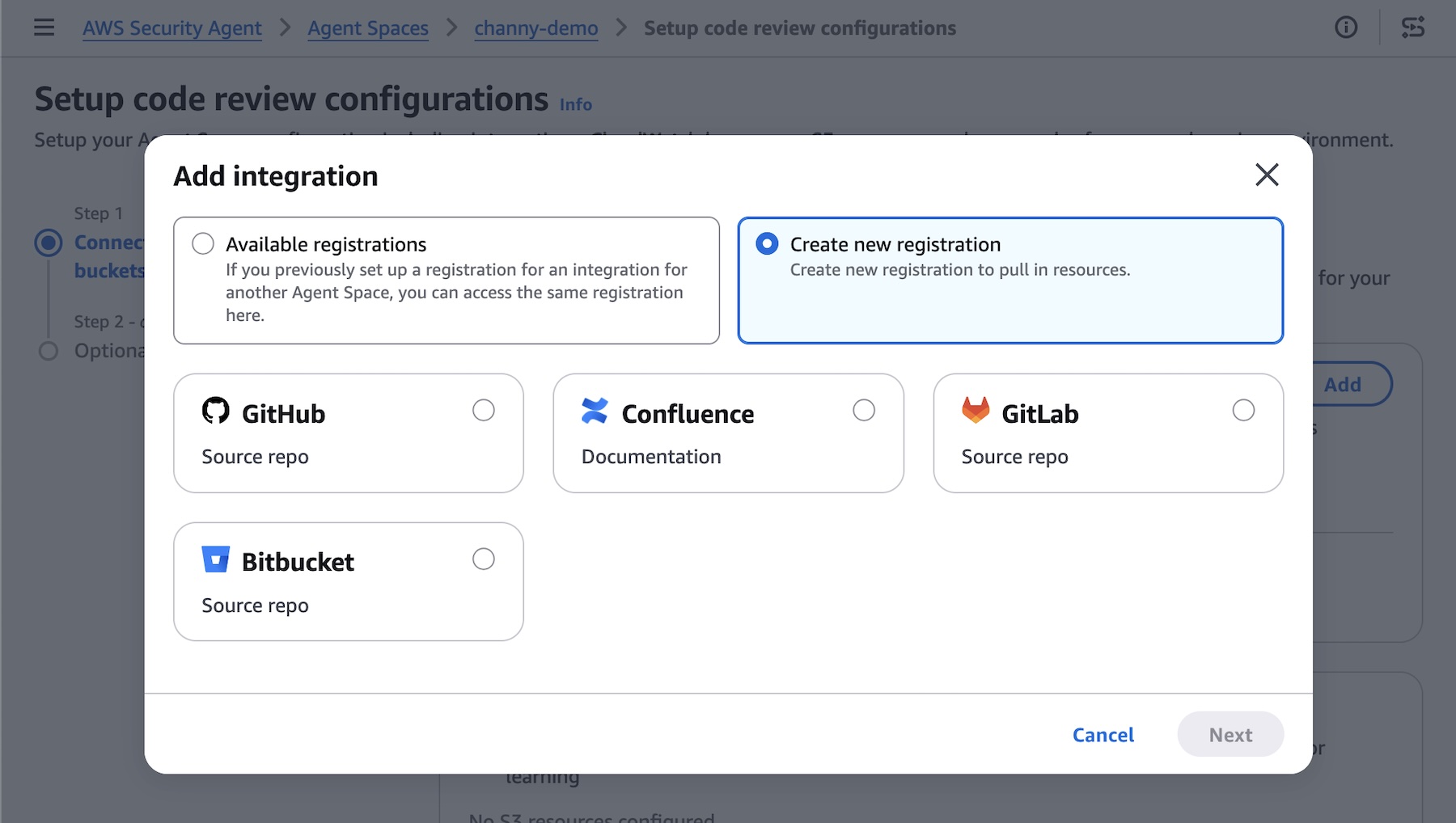
One of the core updates to AWS Security Agent focuses on its code review capabilities, making it more versatile and intelligent. The agent now supports connections to a wider array of source code management (SCM) platforms, including GitLab and Bitbucket, in addition to the previously supported GitHub. Crucially, this expanded support extends to both Software-as-a-Service (SaaS) and self-hosted versions of these platforms, ensuring that enterprises with diverse infrastructure choices can leverage the agent’s capabilities regardless of where their code resides. This broader compatibility is vital for large organizations that often utilize a mix of SCM solutions, facilitating comprehensive security coverage across all development projects.

Furthermore, the integration with Confluence allows the agent to reference existing documentation as contextual information during code reviews. This capability is a significant leap forward, enabling the agent to perform a more informed and accurate analysis by understanding the architectural intent, design decisions, and specific security requirements outlined in project documentation. By leveraging this additional context, AWS Security Agent can identify complex vulnerabilities that might be missed by tools relying solely on code patterns, significantly reducing false positives and providing more actionable insights.
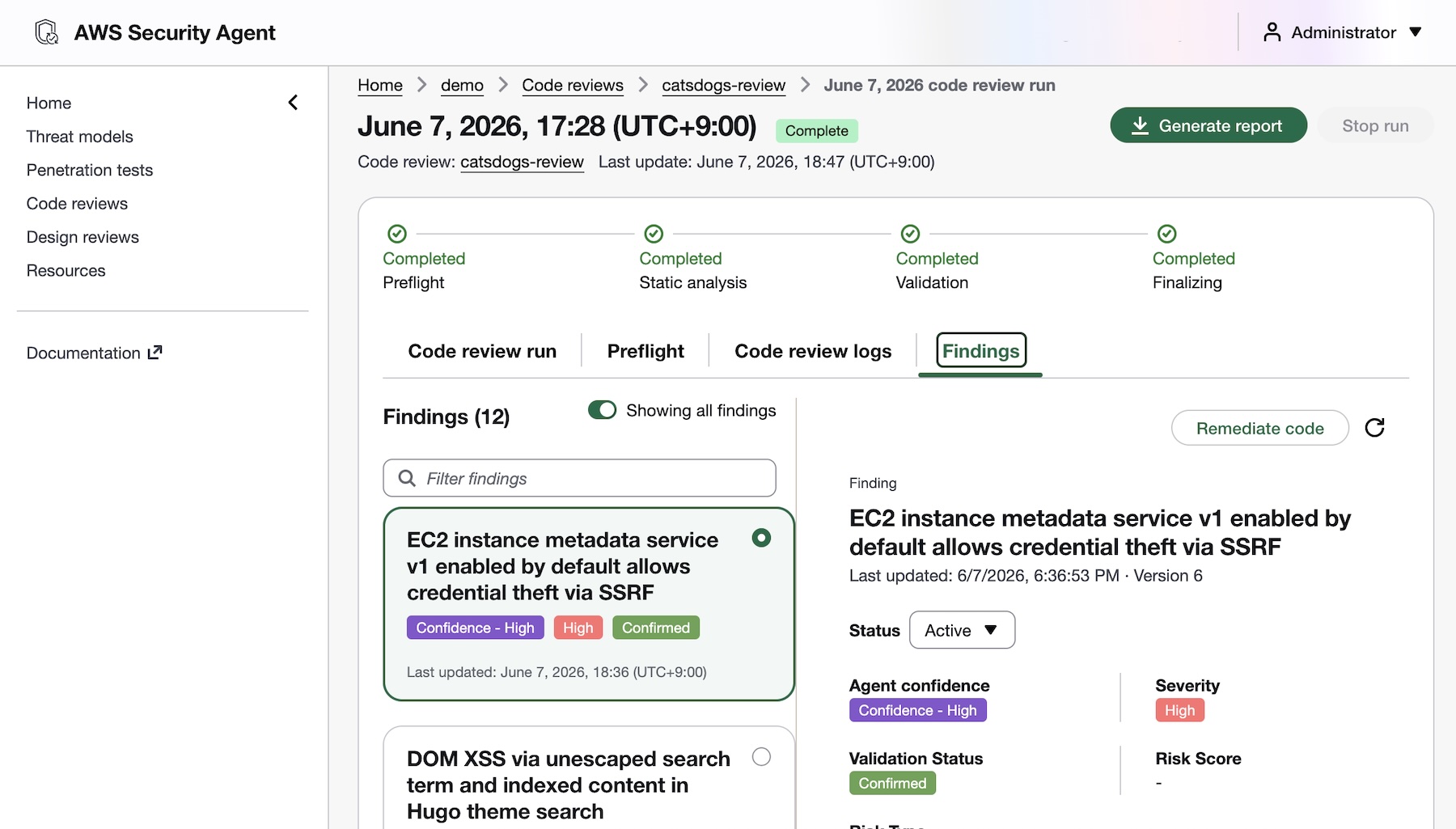
The agent introduces deep, reasoning-based analysis for every pull request and full repository scans. Unlike traditional security tools that often rely on pattern-matching or predefined rules, the AWS Security Agent employs advanced analytical techniques to understand the logical flow and potential interactions within the codebase. This allows it to uncover subtle, multi-layered vulnerabilities and architectural flaws that evade simpler detection methods. It also rigorously checks against an organization’s specific security requirements and a comprehensive database of common security risks, ensuring tailored and thorough evaluations. Findings are validated in simulated environments to provide proof of exploitability, empowering security teams to prioritize actual threats and streamline remediation. This approach integrates security expertise directly into the development workflow, significantly reducing security-related delays and enhancing the overall quality of the code.
Fortifying Design with Proactive Compliance
The design review updates mark another critical step in shifting security left. AWS Security Agent now offers continuous validation of security requirements across both design and code reviews through managed compliance packs. These packs include industry-standard frameworks such as the AWS Well-Architected Framework, NIST Cybersecurity Framework (CSF), and Payment Card Industry Data Security Standard (PCI DSS), alongside AWS best practices. The inclusion of these widely recognized standards ensures that applications are built with compliance baked in from the earliest stages.
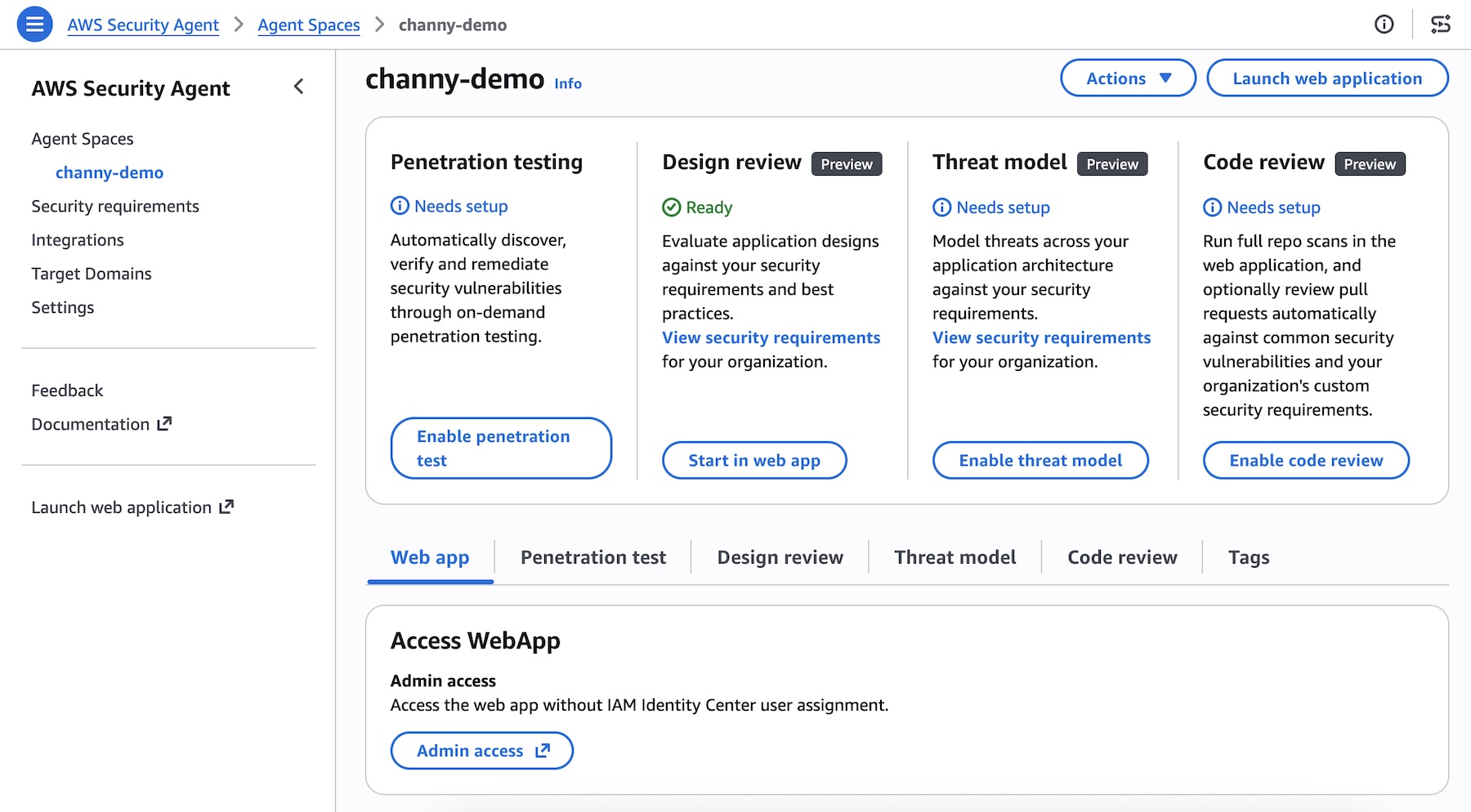
Organizations also gain the flexibility to import their own internal security policies and requirements directly from internal documents or through Confluence integration. This customization capability ensures that the agent’s design reviews are aligned with an enterprise’s unique risk posture and regulatory obligations. Every finding generated by the agent is meticulously mapped back to the relevant compliance posture, providing a clear, auditable trail. This feature is instrumental for teams striving to maintain audit-readiness throughout the development lifecycle, drastically simplifying compliance reporting and demonstrating adherence to mandated security standards.
AI-Driven Threat Modeling for Early Risk Detection
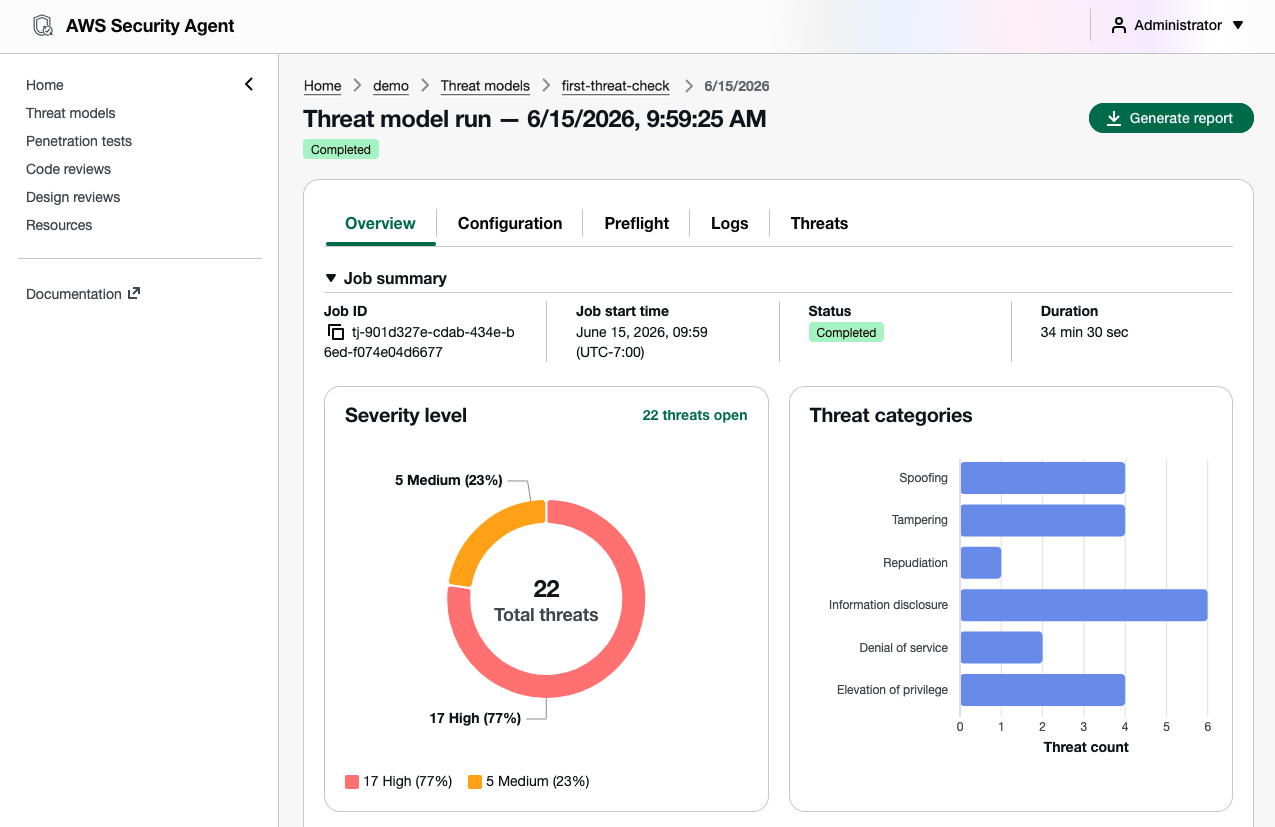
A groundbreaking addition to the AWS Security Agent is its new threat modeling capability. Leveraging artificial intelligence, the agent can now generate comprehensive threat models based on an application’s design documentation or its underlying code repository. This process involves building a detailed context of the application, including its data flows, architectural components, and trust boundaries.
By mapping out all components of the application, identifying potential threat actors and their attack vectors, the agent can accurately determine where weaknesses may exist. Crucially, it prioritizes these identified threats, providing development and security teams with a clear roadmap of what to address first. This proactive approach allows organizations to identify and mitigate design-level security flaws long before any code is written, significantly reducing the cost and complexity of remediation later in the development cycle. Threat modeling at this early stage is a cornerstone of robust security architecture, enabling a foundational layer of defense.
Seamless Developer Experience with AI IDE Integrations
Recognizing the importance of integrating security directly into the developer’s daily workflow, AWS Security Agent introduces innovative integrations with AI-powered IDEs. This includes the new Kiro power and a Claude Code plugin, designed to work through an open MCP (Managed Component Platform) integration. This extensibility allows the agent to be integrated with virtually any AI IDE, bringing security analysis and remediation capabilities directly to the developer’s fingertips.
Developers can now trigger threat models and code reviews directly from their IDE, with results surfacing inline without any context switching. This eliminates the friction traditionally associated with external security tools, fostering a more fluid and efficient development process. For instance, with the Kiro power, developers can initiate the agent setup by simply asking, "Set up AWS Security Agent." Kiro will then guide them through configuring an Agent Space. To perform a comprehensive scan, a developer can prompt, "Run a full security scan on this repo," and the agent will evaluate every pull request and the entire repository to uncover accumulated risks.
The Kiro power for Security Agent also includes an Agent hook that automatically triggers a code review diff scan after the Kiro agent completes its turn, ensuring continuous security checks. Prior to deployment, developers can run a penetration test directly from their CLI, identifying vulnerabilities that often evade conventional scanners. A key differentiator is the agent’s ability to close the loop by validating every finding and generating ready-to-implement code fixes, accelerating the remediation process.
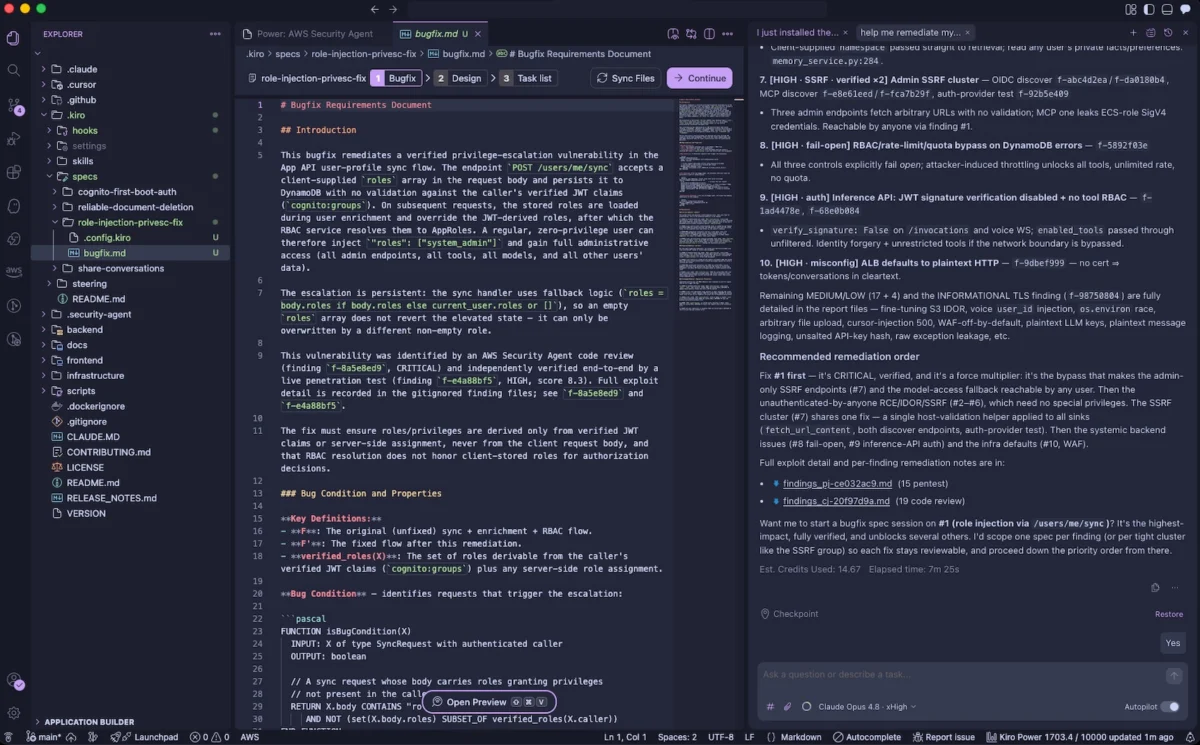
Furthermore, the agent facilitates the remediation workflow by allowing developers to ask, "help me remediate my findings." The Kiro power for AWS Security Agent will download findings to the local workspace, prioritize the most critical issues, and even offer to initiate a bugfix specification session. This empowers developers to fix vulnerabilities using their familiar IDE and existing tooling, steering, and MCP servers, creating an unparalleled developer-centric security experience. Threat models can also be generated via the Kiro power by asking, "Build a threat model for this application," with the output saved to .security-agent/threat_model.md for easy review. This deep integration streamlines security tasks, making them an inherent part of the coding process rather than an afterthought.
Market Context and Broader Implications
These comprehensive updates to AWS Security Agent come at a time when the industry is grappling with increasingly sophisticated cyber threats and the imperative to accelerate software delivery. The "shift-left" security paradigm, which advocates for integrating security early and continuously throughout the SDLC, has gained significant traction. Industry data consistently shows that the cost of fixing vulnerabilities found later in the development cycle can be exponentially higher – sometimes up to 100 times more expensive – than addressing them during design or coding phases. AWS Security Agent directly addresses this challenge by providing tools that make proactive security a practical reality.
The integration of AI and machine learning within the agent for deep code analysis, threat modeling, and contextual understanding positions AWS at the forefront of AI-powered cybersecurity solutions. According to a recent report by Cybersecurity Ventures, global cybersecurity spending is projected to exceed $1 trillion cumulatively over the next five years, with a significant portion dedicated to application security and DevSecOps tools. AWS Security Agent’s agentic capabilities and seamless IDE integrations are poised to capture a substantial share of this growing market by offering a unified, intelligent, and developer-friendly solution.
These enhancements will profoundly impact organizations striving for DevSecOps maturity. By automating security checks, providing actionable remediation guidance, and embedding security expertise directly into developer workflows, the AWS Security Agent reduces the burden on dedicated security teams while simultaneously elevating the security posture of applications. This leads to reduced operational risks, lower compliance costs, and faster time-to-market for secure applications. Furthermore, the ability to validate findings with proof of exploitability minimizes the "alert fatigue" often experienced by security analysts, allowing them to focus on genuine threats.
Availability and Future Outlook
The newly announced features for AWS Security Agent are now available in AWS commercial Regions where the service is offered. AWS encourages customers to explore these capabilities, offering a 2-month free trial to experience the agent’s comprehensive benefits. Detailed pricing information and regional availability can be found on the AWS Security Agent product page and the AWS Capabilities by Region resource. Customers are invited to provide feedback through AWS re:Post for Security Agent or their standard AWS Support channels, ensuring continuous improvement and responsiveness to user needs.
An important update to this release includes the launch of AWS Agents for DevSecOps, the Claude Code plugin for both AWS DevOps Agent and AWS Security Agent, which further solidifies the commitment to a tightly integrated and AI-enhanced DevSecOps ecosystem. This holistic approach, spanning design-time security (design reviews and threat modeling in preview), development-time security (code review in preview), and deployment-time security (penetration testing in general availability), solidifies AWS Security Agent as a unified, agentic offering that understands the full security context across the software development lifecycle. This comprehensive suite of tools positions AWS as a leader in enabling organizations to achieve unparalleled security and agility in their cloud development initiatives.
