
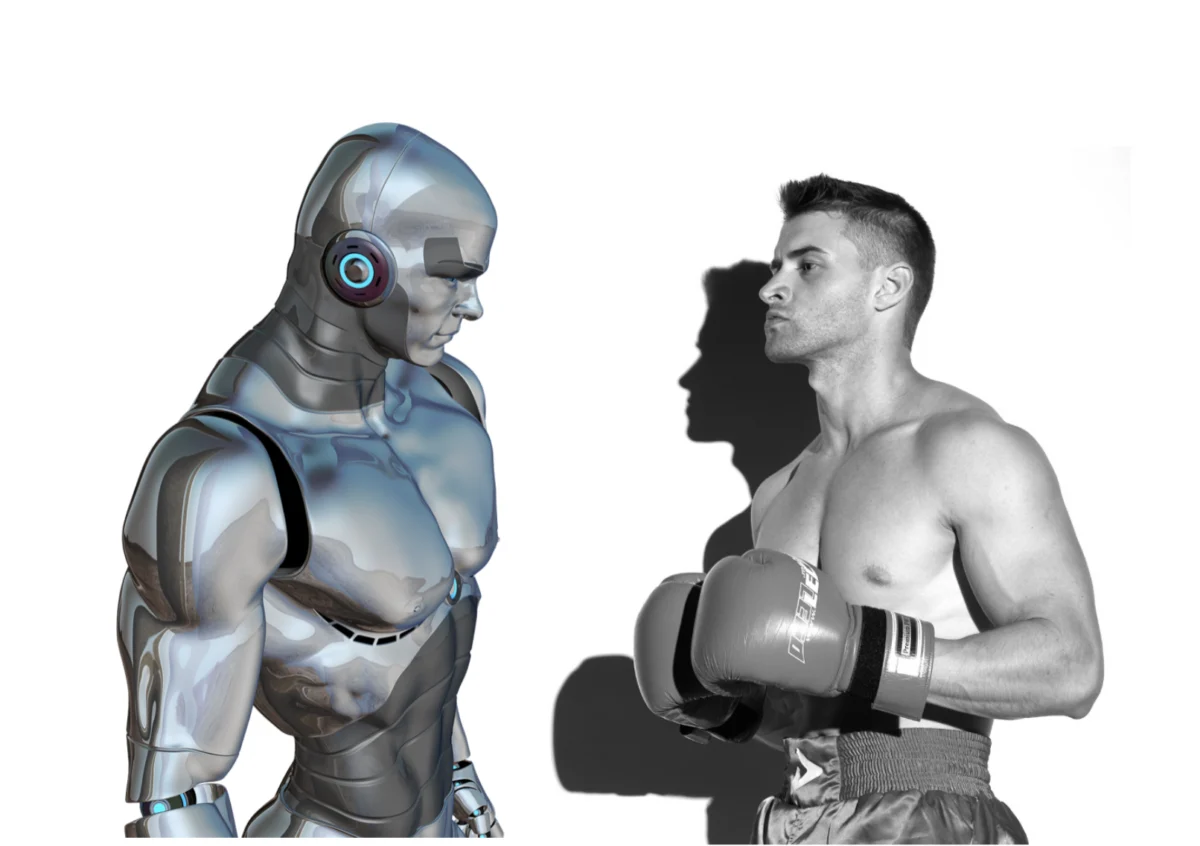

The Capgemini Research Institute has released a comprehensive 140-page study detailing the emergence of physical artificial intelligence as a primary driver for the next generation of industrial automation. Based on a global survey of 1,678 executives across 15 distinct industries, the report, titled Physical AI – Taking Human-Robot Collaboration to a New Level, asserts that the integration of advanced AI models into robotic hardware is reaching a critical inflection point. This transition marks a shift from traditional robots that operate on pre-programmed, rigid scripts to autonomous systems capable of perceiving, reasoning, and acting within complex, unstructured environments.
The findings arrive amid a surge of interest in the "physical AI" market, a sector defined by the convergence of generative AI, computer vision, and advanced robotics. While the previous decade of AI development focused largely on information processing and digital content generation, industry experts suggest the coming years will be defined by "actionable" intelligence. According to the report, 67% of surveyed executives view physical AI as a game-changing development for their respective industries, with a majority believing it will become a critical driver of global competitiveness within the next five years.
The Evolution of Physical AI and the Robotics Hype Cycle
The concept of physical AI represents a departure from the historical constraints of industrial robotics. Traditionally, robots have been confined to "structured environments"—highly controlled settings such as automotive assembly lines or specialized warehouse zones where every movement is mapped and predictable. Physical AI aims to break these boundaries by utilizing multi-modal foundation models that allow robots to generalize across tasks without the need for task-specific reprogramming.
This evolution is being fueled by several concurrent technological advancements. These include the development of Visual Language Action (VLA) models, World Foundation Models, and Large Behavior Models (LBMs). These systems allow robots to interpret verbal commands, understand spatial relationships through 3D sensor data, and execute complex physical maneuvers. The Capgemini report suggests that as these models mature, they will enable robots to function in "unstructured environments," such as hospitals, construction sites, and agricultural fields, where conditions are dynamic and unpredictable.
However, the transition to this new era of automation is not without significant hurdles. Analysts note that while digital AI can be trained on billions of tokens of text and 2D images scraped from the internet, physical AI requires high-fidelity 3D data and an intricate understanding of physics. This has created a "colossal data gap" in the robotics sector. Some researchers estimate that the volume of physical interaction data required to train a truly general-purpose robot is equivalent to what a human would consume over 100,000 years.
Chronology of the Physical AI Emergence
The current momentum behind physical AI can be traced through a series of strategic shifts in the technology and investment landscapes over the last three years:
- 2022 – The Generative AI Catalyst: The explosion of Large Language Models (LLMs) demonstrated the potential for neural networks to handle complex reasoning. This led researchers to explore how these "brains" could be connected to robotic "bodies."
- 2023 – The Rise of Humanoid Prototypes: Companies such as Boston Dynamics, Agility Robotics, and Tesla accelerated the development of general-purpose humanoid forms. These robots were designed to fit into human-centric infrastructure rather than requiring specialized industrial layouts.
- Early 2024 – Increased Venture Capital Inflow: Record levels of venture capital began flowing into physical AI startups. Companies like Dexterity and Figure AI secured massive funding rounds to bridge the gap between digital intelligence and physical execution.
- Late 2024 – Market Consolidation and Analyst Reports: Reports from firms like Juniper Research and Capgemini began formalizing "Physical AI" as a distinct market category, moving beyond traditional "robotics" terminology to emphasize the intelligence layer.
Demographic Pressures and Economic Drivers
The primary catalysts for the urgent adoption of physical AI are structural rather than purely technological. Global economies are currently facing a "demographic time bomb" characterized by aging populations and declining birthrates. According to the Capgemini report, 74% of executives cite labor shortages as a primary driver for their investment in physical AI, while 69% point to rising labor costs.
The statistics regarding the aging workforce are particularly stark in developed nations:
- United States: Citizens aged 65 and over are projected to rise from 15% of the population to 24% by 2060. Healthcare expenditure is expected to reach $5.7 trillion by 2026, nearly double the value of the entire British economy.
- United Kingdom: More than 40% of national health spending is already dedicated to citizens over 65. The Office for National Statistics (ONS) estimates the number of citizens over 65 will increase from 12 million to 17 million by 2035.
- Japan: The nation faces a projected shortfall of 570,000 care workers by 2040, creating a critical need for eldercare robotics.
These demographic shifts are creating a vacuum in sectors that rely on manual labor, including agriculture, manufacturing, and logistics. Physical AI is being positioned as the only scalable solution to maintain productivity in the face of a shrinking workforce.
Technical Barriers and the Data Acquisition Challenge
Despite the optimism expressed by many executives, the path to fully autonomous physical AI remains fraught with technical complexity. The report highlights the distinction between simulation and real-world application. While robots can be trained in virtual "digital twins" to perform tasks like running or picking up simple objects, complex manual dexterity is notoriously difficult to model virtually.
Simulations often produce "approximate" actions that fail when confronted with the "pinpoint accuracy" required in real-world settings. This has led to a reliance on teleoperation—where human operators remotely control robots to "teach" them specific movements. This manual data collection process is slow and expensive, contributing to the aforementioned data gap.
Furthermore, the hardware requirements for physical AI are substantial. To operate safely alongside humans, robots require advanced sensors, edge computing capabilities to process data in real-time, and high-torque actuators that can mimic human muscle movement. While the costs of these components are falling, the integration of these systems into a reliable, mass-produced unit remains a significant engineering challenge.
Industry Applications and Executive Expectations
The Capgemini study identifies several high-impact use cases where physical AI is expected to deliver the most significant returns. These span across multiple sectors:
Manufacturing and Logistics
In the manufacturing sector, physical AI is moving beyond the assembly line. Executives expect "dynamic assembly" systems that can adapt to different product models without downtime. In logistics, the focus is on "micro-logistics" and sophisticated "pick-and-place" tasks that involve handling fragile or irregularly shaped items—tasks that previously required human intervention.
Healthcare and Eldercare
The public sector is looking toward physical AI to alleviate the burden on healthcare systems. This includes robots capable of assisting with patient mobility, delivering supplies in hospitals, and providing basic care tasks for the elderly. The goal is to reduce the physical strain on human healthcare workers, who currently face high rates of burnout.
Hazardous Operations
One of the most immediate applications of physical AI is in environments that are dangerous for humans. This includes disaster-damage assessment, nuclear decommissioning, and field inspections in the energy sector. By deploying intelligent robots into these areas, organizations can significantly improve workplace safety.
Broader Implications and Future Outlook
The Capgemini report concludes that while the adoption of physical AI is well underway—with 27% of organizations already deploying or scaling the technology—the full realization of its potential will likely span decades. The "inflection point" described by analysts refers to the shift in understanding and the alignment of technology, but not necessarily to the immediate availability of general-purpose robotic labor.
In the near term, growth is expected to remain concentrated in task-specific applications using proven form factors. The "humanoid" robot, while a major focus of venture capital and media attention, is still largely in the experimental phase, with deployments currently limited to rudimentary manual tasks in automotive factories (such as those involving Boston Dynamics’ Atlas or Agility Robotics’ Digit).
The long-term impact of physical AI extends beyond simple automation. It suggests a "re-imagined work environment" where humans and AI agents work in tandem. For businesses, the transition will require not just a financial investment in hardware, but a fundamental shift in organizational structure and data strategy. The "AI-robot-data flywheel"—where each real-world deployment generates data that improves the next generation of models—is expected to be the primary mechanism for improvement over the coming decades.
As venture capital continues to pour into the sector and demographic pressures mount, the imperative for physical AI adoption appears structural and inevitable. However, the report serves as a reminder that the journey from digital intelligence to physical action is a marathon, not a sprint, requiring sustained innovation in both software and the physical sciences.
