

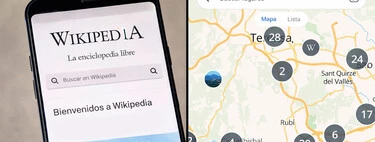
The quality of tap water, a subject of immense pride for some municipalities and a critical health concern for others, remains a perennial topic of discussion in Spain. While the Ministry of Health provides a comprehensive, albeit complex, public resource through the National Consumer Water Information System (SINAC), a new initiative has emerged to demystify this crucial data. An innovative, interactive online map, aptly named "El agua de tu pueblo" (The Water of Your Town), has transformed the intricate official information into an accessible, Google Maps-like interface, enabling any citizen to readily ascertain the nitrate levels in their local tap water. This development marks a significant step towards greater transparency and public empowerment regarding water safety.
The Genesis of Public Water Quality Monitoring
Access to safe drinking water is a fundamental human right and a cornerstone of public health. In Spain, as in many developed nations, the responsibility for ensuring potable water quality falls under a stringent regulatory framework, largely harmonized with European Union directives. The historical context of water management in Spain reveals a long-standing commitment to quality, evolving from local initiatives to a centralized national system. The SINAC platform, managed by the Ministry of Health, stands as the official repository for data collected from thousands of supply zones across the country. It compiles detailed analyses covering a wide spectrum of parameters, from microbiological indicators to chemical compounds like nitrates, heavy metals, and pesticides. However, the sheer volume and technical nature of SINAC’s data can be daunting for the average citizen, often requiring a degree of expertise to navigate and interpret effectively. This complexity underscored a clear need for a more user-friendly interface that could bridge the gap between official data and public understanding.
The impetus behind "El agua de tu pueblo" appears to stem from a recognition of this informational disconnect. By simplifying the presentation of critical health parameters, particularly nitrates, the tool aims to empower residents to make informed decisions about their water consumption and to foster a greater sense of civic engagement regarding local environmental health. This mirrors a broader trend in digital governance, where public data is increasingly being repackaged into intuitive applications to enhance transparency and citizen participation.
Navigating "El agua de tu pueblo": A User’s Guide
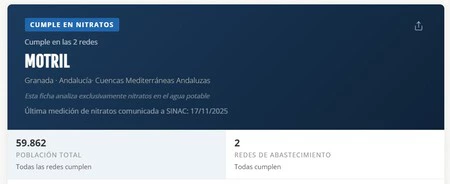
The utility of "El agua de tu pueblo" lies in its remarkable simplicity. Users need only visit the website and input the name of their desired municipality. The platform then swiftly processes this request, drawing upon the official SINAC database to display relevant water quality information. A key feature of the tool is its focus on nitrate levels, presenting data in an easily digestible format.
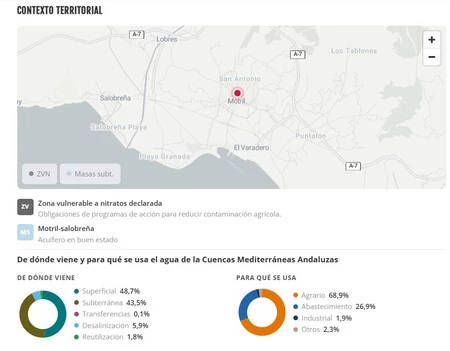
Upon selecting a town or city, the map visually indicates whether the local water supply networks comply with nitrate regulations. Beyond a simple pass/fail, the platform offers more granular details:
- Origin of Water: Information about the sources supplying the municipality, whether from aquifers, rivers, or other reservoirs.
- Water Usage: Details on how the water is primarily utilized within the community.
- Nitrate Evolution: A historical overview, tracking changes in nitrate concentrations over several years, which can highlight trends or persistent issues.
- Compliance Status: A clear indicator of whether the nitrate levels meet national and international standards.
It is important to note a specific limitation: some very small rural localities may not display data. This typically applies to supply networks that distribute less than 10 cubic meters of water per day, as these systems are often exempt from the automatic reporting obligations that apply to larger networks. This distinction is crucial for understanding the scope of the data presented and managing user expectations, particularly in remote or sparsely populated areas. The visual representation is enhanced by using color-coded markers, allowing for rapid identification of areas complying with regulations versus those facing potential risks.
Spain’s Water Quality Landscape: A National Overview
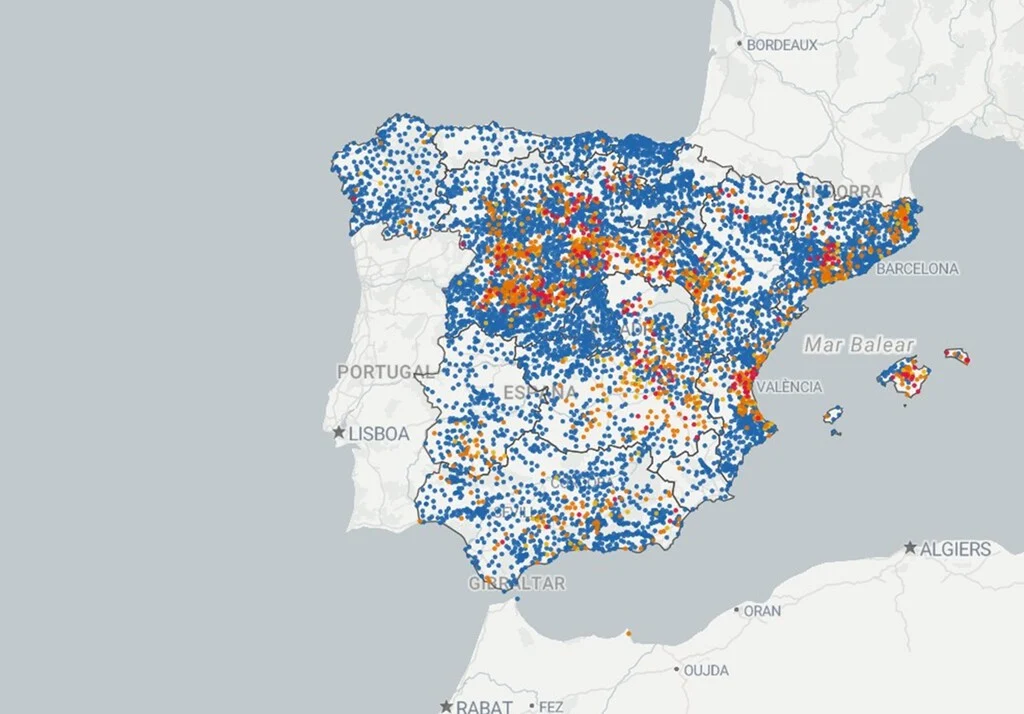
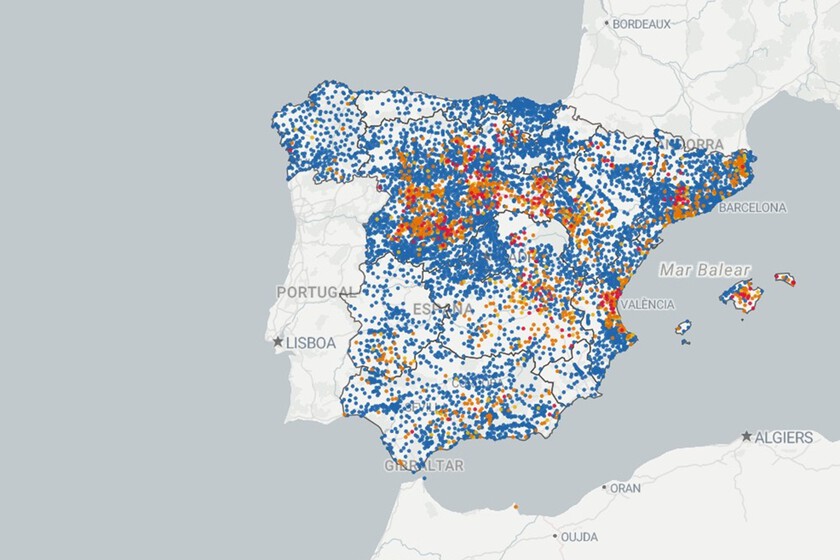
Beyond individual municipality searches, "El agua de tu pueblo" offers a comprehensive national perspective on tap water quality. The homepage features an interactive map, powered by OpenStreetMap, adorned with color-coded points that visually depict water quality across Spain. This macro-level view provides an immediate understanding of where regulations are met and where potential areas of concern exist.
While the majority of the Spanish territory demonstrates good water quality, the map distinctly highlights specific regions grappling with higher nitrate levels, often represented by clusters of red markers. These "hotspots" predominantly include:
- The Valencian Coast: This region, characterized by intensive agriculture and high population density, frequently shows elevated nitrate concentrations.
- The Balearic Islands: Similar to the Valencian coast, the islands face challenges often linked to agricultural runoff and the limitations of island water resources.
- The Interior of Castilla y León: Extensive agricultural practices in this large inland region contribute significantly to nitrate contamination in groundwater and surface water sources.
These regional disparities underscore the complex interplay of geographical factors, agricultural practices, population density, and industrial activities that influence local water quality. The map serves as a vital public awareness tool, drawing attention to areas requiring focused environmental and regulatory interventions.
Understanding Nitrates: Sources, Health Risks, and Regulatory Standards
Nitrates are chemical compounds that naturally occur in the environment but become problematic when their concentrations in water exceed safe limits. Their primary entry into water sources is largely anthropogenic, resulting from:
- Excessive Use of Nitrogenous Fertilizers: Modern agricultural practices heavily rely on nitrogen-based fertilizers to boost crop yields. When applied in excess or during periods of heavy rainfall, these fertilizers can leach into the soil and eventually contaminate groundwater and surface water bodies.
- Livestock Manure (Purines): Intensive livestock farming produces large quantities of animal waste, rich in nitrogen compounds. If not properly managed and treated, these purines can infiltrate the soil and contribute to nitrate pollution.
- Septic Systems and Wastewater: Faulty or overloaded septic systems and inadequate wastewater treatment can also release nitrates into the environment.
Once in the soil, nitrates are highly soluble and can easily percolate through the ground, reaching aquifers and rivers. This contamination poses significant environmental and health risks.
Health Implications of High Nitrate Levels:
The presence of elevated nitrate levels in drinking water is a recognized public health concern, particularly for vulnerable populations. The most well-known health risk is methemoglobinemia, commonly referred to as "blue baby syndrome." This condition primarily affects infants under six months of age. When ingested, nitrates are converted to nitrites in the infant’s digestive system. Nitrites then interfere with the blood’s ability to carry oxygen, leading to a bluish discoloration of the skin (cyanosis) and potentially severe respiratory and neurological complications, and even death if left untreated.
While adults are generally less susceptible to methemoglobinemia due to a more developed digestive system and different physiological mechanisms, long-term exposure to high nitrate levels has been linked to other potential health issues, though research in these areas is ongoing:
- Increased Cancer Risk: Some studies suggest a possible association between chronic exposure to nitrates and an increased risk of certain cancers, particularly gastric cancer, due to the formation of N-nitroso compounds in the body. However, the evidence is not conclusive, and more research is needed to establish a definitive causal link.
- Thyroid Dysfunction: There is some evidence suggesting a potential link between nitrate exposure and thyroid problems.
- Reproductive Issues: Animal studies have indicated possible reproductive and developmental effects, though human data is less clear.
Regulatory Framework and Expert Recommendations:
Given these potential health risks, international and national bodies have established strict limits for nitrate concentrations in drinking water.
- World Health Organization (WHO): The WHO guidelines for drinking water quality recommend a maximum permissible concentration of 50 mg/L (milligrams per liter) for nitrates to prevent health problems. This limit is widely adopted globally and forms the basis for many national regulations.
- European Union (EU): The EU Drinking Water Directive (Directive (EU) 2020/2184, replacing the older 98/83/EC) also sets a maximum admissible concentration of 50 mg/L for nitrates in drinking water. Member states are legally bound to ensure compliance with this standard.
- Expert Recommendations: Recently, a growing body of scientific research and expert consensus has suggested that the current 50 mg/L limit might not be sufficiently protective. Some groups of researchers and environmental health advocates have recommended a significantly lower threshold, with proposals often citing a limit as low as 6 mg/L. This recommendation is based on studies indicating potential subtle health effects even at levels below the current WHO/EU standard, particularly concerning long-term exposure and vulnerable populations. Achieving such a low threshold would represent a monumental challenge for water management systems in many regions, including parts of Spain.
The disparity between current regulatory limits and newer expert recommendations highlights an ongoing scientific debate and the evolving understanding of environmental contaminants. While Spanish tap water largely adheres to the 50 mg/L standard, the discussions around stricter limits emphasize the continuous need for vigilance and potential future adjustments in water quality management.
Broader Implications and the Path Forward
The advent of tools like "El agua de tu pueblo" has significant implications for several sectors:
Public Empowerment and Informed Decision-Making:
By providing easily understandable data, the platform empowers citizens to take a more active role in their health and environmental well-being. Residents can quickly check their local water quality, compare it with national trends, and potentially advocate for improvements if concerns arise. This transparency can also influence consumer choices, prompting residents in areas with higher nitrate levels to consider filtration systems or bottled water, although the vast majority of Spanish tap water remains safe for consumption according to current regulations.
Environmental Policy and Agricultural Practices:
The visual representation of nitrate hotspots on the national map serves as a powerful indicator for policymakers and environmental agencies. It highlights areas where current agricultural practices or waste management systems are contributing to significant water pollution. This data can inform targeted interventions, stricter enforcement of environmental regulations, and the promotion of more sustainable farming techniques, such as precision agriculture, reduced fertilizer use, and improved manure management. The European Union’s Nitrates Directive (91/676/EEC) specifically aims to reduce water pollution caused or induced by nitrates from agricultural sources, and tools like "El agua de tu pueblo" provide tangible evidence of where these efforts need to be intensified.
Local Governance and Infrastructure Investment:
Municipalities identified with persistent nitrate issues may face increased pressure to invest in advanced water treatment technologies or explore alternative water sources. This could involve upgrading existing purification plants with nitrate removal processes (e.g., reverse osmosis, ion exchange) or collaborating with neighboring regions to ensure a stable supply of high-quality water. Such investments are often costly but become essential for public health and environmental compliance.
Climate Change and Water Scarcity:
Spain, like many Mediterranean countries, is particularly vulnerable to the impacts of climate change, including prolonged droughts and increased water scarcity. These conditions can exacerbate water quality issues, as reduced water volumes can concentrate pollutants, making treatment more challenging. The monitoring and public awareness fostered by tools like "El agua de tu pueblo" become even more critical in this context, pushing for more resilient and sustainable water management strategies.
In conclusion, "El agua de tu pueblo" represents a crucial innovation in public health information dissemination. By translating complex scientific data into an accessible, interactive format, it not only educates citizens about the quality of their tap water but also shines a spotlight on regional environmental challenges. As discussions around water quality standards continue to evolve and environmental pressures intensify, such tools will play an increasingly vital role in fostering informed public discourse, driving policy changes, and ultimately ensuring the long-term sustainability and safety of Spain’s most essential resource.
