
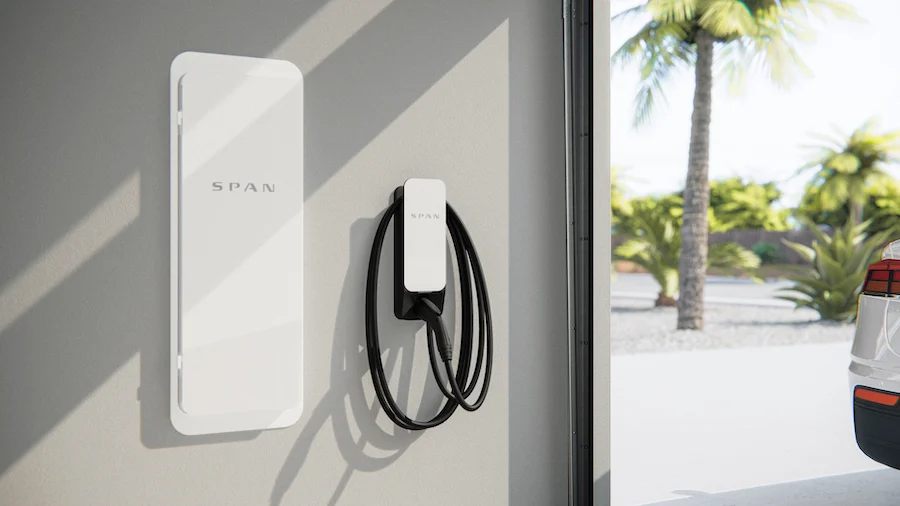

The escalating intensity of summer heatwaves and the stark reality of our power grid’s vulnerabilities have solidified a growing consensus: smart homes must integrate sophisticated energy management components. While currently this often manifests as a smart thermostat participating in utility demand response programs, the horizon of home energy management is rapidly expanding. Projections indicate that within the next decade, smart homes will routinely feature intelligent breaker boxes, advanced electric vehicle (EV) chargers, and integrated solar or other energy storage solutions. Orchestrating these interconnected devices will be intelligent software, communicating seamlessly with in-home appliances and the utility grid to optimize power distribution, particularly during periods of high demand when available energy may be constrained.
The Evolving Landscape of Home Energy Management
The impetus for this shift is multi-faceted, driven by both environmental concerns and the increasing strain on existing energy infrastructure. Extreme weather events, such as the record-breaking temperatures experienced across many regions this past summer, have demonstrably tested the resilience of power grids. These events have highlighted the critical need for systems that can intelligently manage energy consumption and production at the household level, thereby alleviating pressure on the broader grid.
The concept of a "smart home" has evolved significantly from its early iterations, which primarily focused on convenience and automation. Today, the emphasis is increasingly on efficiency, resilience, and sustainability. This evolution is mirrored in the technological advancements available to consumers. Companies like Schneider Electric, Eaton, Leviton, Savant, and Span are at the forefront of developing innovative solutions that are beginning to define the architecture of a truly smart home energy ecosystem. These solutions range from advanced circuit breaker panels capable of granular control to integrated EV charging systems that can synchronize with grid conditions.
Furthermore, legislative action, such as the incentives provided under the current administration, is actively encouraging homeowners to upgrade their aging electrical infrastructure. These policies aim to facilitate the transition from "dumb" electrical systems to more intelligent and responsive alternatives, recognizing the long-term benefits for both individual households and the national energy grid.
Navigating the Path to a Smarter Electrical System
For the average homeowner, the prospect of overhauling an entire home’s electrical system can appear daunting, far surpassing the simplicity of swapping out a thermostat. The complexity of electrical wiring and the potential for significant investment can create a barrier to entry. However, a practical and accessible first step toward achieving smarter energy management is within reach for most individuals.
The Crucial First Step: The Breaker Box Audit
The initial and most critical action a homeowner can take is to conduct a thorough audit of their existing breaker box. This process, which can be accomplished with the assistance of a friend or family member, involves systematically identifying which outlets and appliances are connected to each circuit.
Procedure for a Breaker Box Audit:
- Preparation: Gather a cellphone for communication and a notepad or digital device for recording information.
- Teamwork: Station one person at the breaker box and the other within the home, ensuring clear communication via cell phone.
- Systematic Identification: The person at the breaker box will sequentially flip individual circuit breakers off.
- Observation: The person in the home will observe which lights, outlets, and appliances lose power as each breaker is flipped.
- Documentation: For each circuit breaker, meticulously record a list of the outlets and appliances it controls. This can be done by labeling the breaker itself or by creating a master list.
This exercise, while seemingly basic, provides invaluable insight into the current state of your home’s electrical distribution. It demystifies the complex network of wiring and establishes a foundational understanding of your home’s energy flow.
Understanding Your Electrical Capacity and Future Needs
Once this audit is complete, the homeowner will possess a detailed map of their electrical circuits. This information is crucial for several reasons, particularly when considering future energy-intensive upgrades.
Identifying Headroom and Potential Bottlenecks:

- Empty Circuits: The audit will reveal any unused circuits within the breaker box. These represent valuable "headroom" – available capacity that can be leveraged for new installations. This is particularly relevant for popular electrification projects such as installing an EV charger, a heat pump for HVAC, or an induction stove.
- Circuit Load Assessment: By understanding which appliances are connected to each circuit, homeowners can begin to gauge the existing load distribution. This foresight is essential for avoiding overloading circuits, especially when introducing new, high-demand devices.
- Older Homes and Capacity Limitations: For homeowners residing in older properties, the absence of available headroom or sufficient amperage may necessitate an upgrade. This could involve increasing the total amperage supplied to the home and potentially replacing the existing electrical panel with one that supports higher capacities. Such upgrades, while significant, are often prerequisites for modern electrification initiatives.
The Emergence of Smart Breaker Boxes and Circuits
The market is now offering increasingly sophisticated solutions designed to address these evolving energy needs. Smart breaker boxes and smart circuit controls represent a significant leap forward in home energy management.
Types of Smart Electrical Panel Solutions:
- Energy Monitoring Devices: Products like Sense or Emporia are designed to be installed within existing breaker boxes. They provide granular data on energy consumption across different circuits and appliances. While these devices offer valuable insights into energy usage patterns, they typically do not offer direct control over individual circuits. This limitation means that while a homeowner might know their refrigerator consumes 500 watts daily, they cannot remotely switch it off via the device.
- Smart Circuits with Control Capabilities: A more advanced category of smart electrical solutions includes individual smart circuits. These circuits possess the ability to be remotely turned on or off, granting homeowners direct control over specific loads within their homes. This granular control is essential for actively managing energy consumption, especially during peak demand periods.
- Integrated Smart Breaker Boxes: Consumers can opt for entirely new smart breaker boxes that integrate a suite of intelligent circuit controls. These systems offer a comprehensive approach to home energy management, often utilizing proprietary software platforms to manage and optimize energy loads.
- Open-Source Solutions: For the highly technically inclined DIY enthusiast, open-source smart home energy management solutions are also available. These platforms offer maximum flexibility and customization but require a significant level of technical expertise to implement and maintain.
The adoption of these technologies is often facilitated by proprietary software, which can sometimes present challenges in terms of interoperability between different brands and systems. However, the industry is moving towards greater standardization, driven by the need for seamless integration in the burgeoning smart home ecosystem.
The Role of Software in Intelligent Energy Management
At the core of any advanced smart home energy management system lies sophisticated software. This software acts as the central nervous system, communicating with all connected devices – from smart thermostats and EV chargers to smart breaker boxes and even smart appliances. Its primary functions include:
- Data Aggregation: Collecting real-time data on energy production (from solar panels, for instance) and consumption from all connected devices.
- Load Balancing: Intelligently distributing available power to different circuits and appliances based on pre-set priorities, demand response signals from the utility, and user preferences.
- Optimization: Identifying opportunities to reduce energy consumption or shift usage to off-peak hours, thereby minimizing costs and reducing strain on the grid.
- Communication: Transmitting data and commands to and from the utility grid, enabling participation in demand response programs and potentially receiving incentives for grid-friendly behavior.
Exploring Futuristic Energy Management with Existing Tools
While a full-scale smart electrical panel replacement might be a future consideration, homeowners can begin to experience the benefits of intelligent energy management through accessible platforms.
SmartThings Energy as a Stepping Stone:
Platforms like SmartThings Energy offer a glimpse into a more futuristic smart home energy management experience. By integrating with smart meters and leveraging real-time electricity rate data, these applications can provide homeowners with detailed insights into the power consumption of their supported smart appliances. For users with compatible Samsung appliances, the app allows for the activation of "Power Savings" modes, enabling tangible energy efficiency gains.
While current systems are not perfect, largely due to the absence of universally adopted standards for communication between various appliances and breaker box software, progress is undeniable. The industry is actively working towards greater interoperability, a crucial step for realizing the full potential of smart home energy management.
The Broader Impact and Implications
The transition towards smart energy management in homes has profound implications that extend beyond individual households.
- Grid Resilience: By enabling homes to intelligently manage their energy consumption and, in some cases, contribute energy back to the grid (e.g., through bidirectional EV charging or battery storage), these systems significantly enhance the overall resilience of the power grid. This is particularly critical in the face of increasing demand and the intermittency of renewable energy sources.
- Environmental Benefits: Optimized energy usage directly translates to reduced greenhouse gas emissions. Shifting consumption away from peak hours, often powered by less efficient peaker plants, and maximizing the use of renewable energy leads to a more sustainable energy future.
- Economic Advantages: Homeowners can benefit from lower electricity bills through more efficient usage and participation in utility incentive programs. For utilities, the ability to manage demand more effectively can reduce the need for expensive infrastructure upgrades and the reliance on costly peak power generation.
- Technological Advancement: The drive for smarter homes fuels innovation across the technology sector, spurring the development of new devices, software platforms, and communication protocols. This creates a positive feedback loop, driving further advancements and making smart energy solutions more accessible and affordable over time.
Planning for an Electrified and Intelligent Future
As the world moves towards greater electrification, particularly in transportation and home heating, the importance of intelligent energy management will only intensify. The initial breaker box audit is not merely an exercise in understanding current usage; it is a foundational step in planning for this electrified future.
Homeowners should consider that new appliances, whether they are EV chargers, heat pumps, or induction stoves, are often designed with energy efficiency and smart connectivity in mind. By understanding their current electrical capacity and identifying potential limitations, individuals can make informed decisions about necessary upgrades, ensuring their homes are prepared to seamlessly integrate these modern, energy-efficient technologies. The journey toward a smart energy-managed home is an ongoing evolution, and starting with a clear understanding of your home’s electrical infrastructure is the most effective way to navigate this path.
