

The Evolution of Cellular Connectivity: From Plastic to Programmable
The Subscriber Identity Module, or SIM card, has been a staple of mobile telephony since its inception in 1991. Originally the size of a credit card, the SIM has undergone several miniaturizations—from Mini-SIM to Micro-SIM and finally to the Nano-SIM. Each iteration was driven by the need for manufacturers to reclaim internal device space. The eSIM represents the logical conclusion of this evolution.
An eSIM is a programmable, non-removable chip soldered directly onto the device’s motherboard. Unlike its physical predecessor, which requires a manual swap to change networks, the eSIM allows users to download "profiles" over-the-air (OTA). This technology is governed by the GSMA’s Remote SIM Provisioning specifications, ensuring a standardized approach across the telecommunications industry. Apple first integrated eSIM technology into the iPhone XS and XR in 2018, allowing for dual-SIM functionality. However, the move to remove the physical slot entirely marks a pivot from "optional" to "mandatory" digital adoption.
The Chronology of Apple’s eSIM Transition
Apple’s strategy regarding the SIM slot has been incremental but deliberate. Understanding the timeline of this transition provides context for the current rumors surrounding the iPhone 15.
- 2018: Apple introduces the iPhone XS, XS Max, and XR, featuring a physical Nano-SIM slot alongside an eSIM. This allowed for the first mainstream dual-SIM experience on iOS.
- 2021: The iPhone 13 series introduces support for "Dual eSIM," enabling users to use two eSIM profiles simultaneously even if a physical card was not present.
- 2022: In a bold move, Apple removes the physical SIM tray from all iPhone 14 models sold in the United States. International models, however, retained the slot.
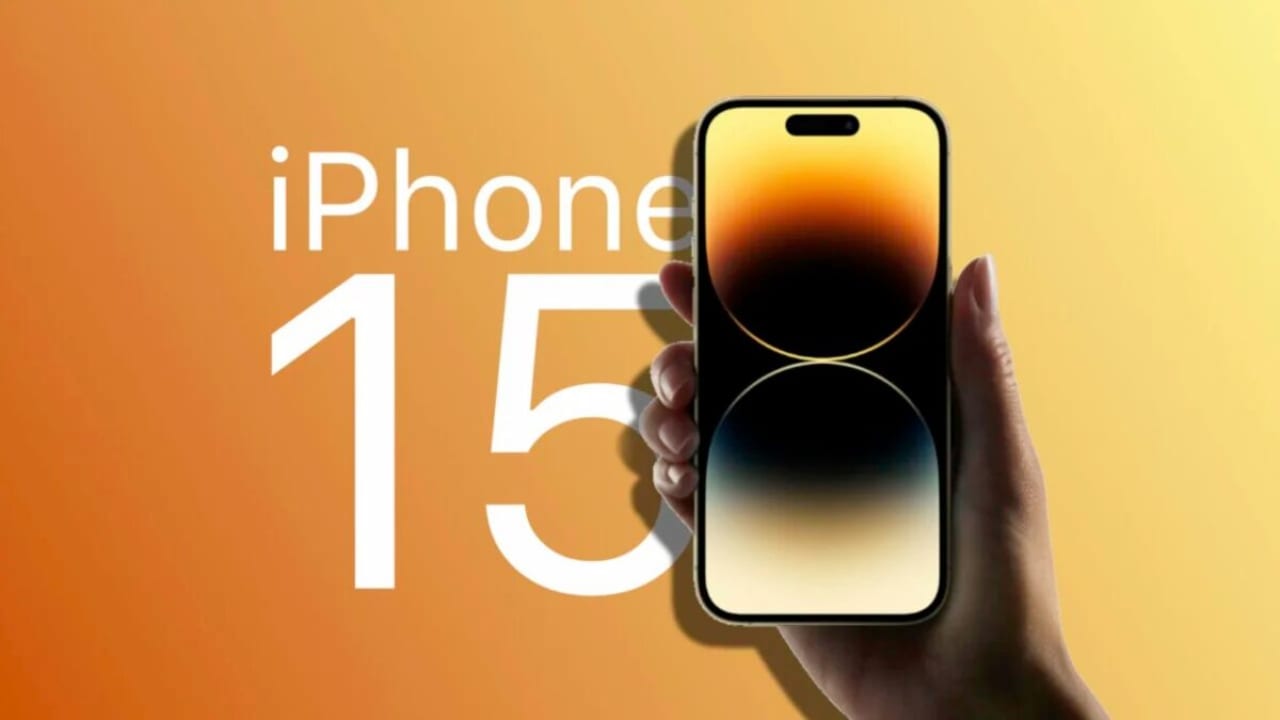
- 2023 (Projected): Reputable analysts, including Ming-Chi Kuo and reports from the French site iGeneration, suggest that the iPhone 15 and iPhone 15 Pro models will see the removal of the SIM tray in European markets, specifically France, and potentially other major territories.
Industry insiders suggest that Apple’s ultimate goal is a "portless" iPhone, and removing the SIM tray is a critical step in reducing the number of mechanical openings in the device’s chassis.
Engineering and Design Implications: Reclaiming Internal Real Estate
One of the primary drivers for removing the physical SIM slot is the pursuit of internal efficiency. In the world of smartphone engineering, space is the most valuable commodity. The physical SIM tray mechanism, which includes the tray itself, the ejector pin assembly, and the internal reader, occupies approximately 100 to 200 cubic millimeters of space.
By eliminating this hardware, Apple engineers can repurpose the area for several critical upgrades. This could include a slightly larger battery capacity, which remains a top priority for consumers. Alternatively, the space could be utilized for the rumored periscope zoom lens on the iPhone 15 Pro Max or improved haptic engines. Furthermore, the removal of the SIM tray enhances the structural integrity of the device frame. Each opening in the metal housing represents a potential weak point; a solid frame is more resistant to bending and environmental ingress.
Enhanced Durability and Water Resistance
Water and dust resistance ratings, such as IP68, are a major selling point for flagship smartphones. The SIM tray is historically one of the most vulnerable points for water entry. While Apple uses rubber gaskets to seal the tray, these gaskets can degrade over time or fail if the tray is not seated perfectly.
A seamless, eSIM-only design eliminates this point of failure. By reducing the number of external ports, Apple can theoretically achieve higher levels of water resistance or, at the very least, increase the long-term reliability of existing seals. This is particularly relevant as users keep their devices longer, often exceeding the three-to-four-year mark where mechanical seals typically begin to perish.
Security Advantages: Combatting SIM Swapping and Theft
The security implications of eSIM technology are profound. Traditional physical SIM cards are susceptible to "SIM swapping," a form of identity theft where a bad actor convinces a carrier to port a victim’s number to a SIM card in the attacker’s possession. While eSIM does not entirely eliminate the social engineering aspect of this crime, it adds layers of device-level security.
Because an eSIM is embedded in the hardware, it cannot be physically removed. If an iPhone is stolen, the thief cannot simply discard the SIM card to prevent the device from being tracked via the Find My network. As long as the device has power, the eSIM keeps it connected to the cellular network, making recovery significantly more likely. Furthermore, activating an eSIM typically requires biometric authentication or a secure login to a carrier app, providing a more robust security handshake than the physical exchange of plastic.
The Drawbacks: Carrier Limitations and the Digital Divide
Despite the technological advantages, the transition to eSIM is not without significant friction. The most pressing issue is the disparity in carrier support. While major Tier-1 carriers in the U.S., Europe, and parts of Asia have embraced eSIM, hundreds of smaller regional carriers and Mobile Virtual Network Operators (MVNOs) have yet to implement the necessary backend infrastructure for remote provisioning.
For users in rural areas or developing nations, a physical SIM card is often the only reliable way to access a network. If Apple removes the SIM slot globally, it risks alienating a massive portion of its user base that relies on these smaller providers. Market analysts suggest this is why Apple is likely to maintain physical slots in regions like China and parts of Africa for at least a few more cycles.
International Travel and the "Burner" SIM Economy
Frequent international travelers have historically relied on purchasing local physical SIM cards at airports to avoid exorbitant roaming charges. This "plug-and-play" simplicity is hampered by an eSIM-only design. While international eSIM providers like Airalo and Holafly have gained popularity, they often provide data-only plans. Travelers who require a local phone number for voice calls or SMS-based two-factor authentication may find the eSIM setup process cumbersome, as it often requires a stable Wi-Fi connection—something that is not always available upon landing in a new country.
Industry Analysis: The Push for a Unified Digital Ecosystem
From a broader perspective, the move to eSIM aligns with the "walled garden" strategy employed by major tech firms. By digitizing the connection process, Apple gains more influence over the user experience. The "eSIM Quick Transfer" feature in iOS allows users to move their cellular plan from an old iPhone to a new one via Bluetooth, bypassing the carrier entirely in many instances.
Carriers have expressed mixed reactions. While the reduction in physical inventory costs (not having to manufacture and ship millions of plastic cards) is a benefit, carriers also fear losing the direct touchpoint with the customer. When a user has to visit a store to get a SIM card, the carrier has an opportunity to upsell services. The eSIM shifts that power dynamic back toward the device manufacturer.
Environmental Impact: Reducing Plastic Waste
Sustainability is a cornerstone of Apple’s corporate messaging, and the eSIM transition contributes to its environmental goals. The telecommunications industry produces billions of plastic SIM cards annually. These cards, and the larger plastic credit-card-sized holders they come in, eventually end up in landfills. By moving to a digital-first approach, Apple significantly reduces its indirect plastic footprint. This move, combined with the removal of the charging brick and the transition to recycled materials in the iPhone’s chassis, reinforces the company’s "Carbon Neutral 2030" initiative.
Conclusion: Preparing for a Wireless Future
The rumored removal of the SIM card slot in the iPhone 15 represents a classic Apple maneuver: forcing the industry to adopt a future-leaning technology by removing the legacy alternative. While the transition will undoubtedly cause "growing pains" for travelers and users on smaller carriers, the long-term benefits of enhanced security, improved device durability, and streamlined design are difficult to ignore.
As the iPhone 15 launch approaches, the focus will remain on whether the global infrastructure is truly ready to support a world without physical SIM cards. For Apple, the move is less about whether the technology is controversial and more about when the industry will inevitably catch up to the standard they are setting. Whether through the iPhone 15 or its immediate successors, the era of the physical SIM card is rapidly drawing to a close, replaced by a more secure, efficient, and digital-first paradigm.
