

Amazon Web Services (AWS) today announced the general availability of cross-account safeguards within Amazon Bedrock Guardrails, a pivotal enhancement designed to centralize the enforcement and management of safety controls across multiple AWS accounts within an organization. This new capability addresses a critical need for large enterprises and organizations operating complex cloud environments, enabling a unified approach to responsible artificial intelligence (AI) deployment and governance. The introduction of organization-wide guardrails signifies a significant step forward in simplifying the management of generative AI applications, ensuring consistent adherence to corporate responsible AI requirements while substantially reducing the administrative overhead typically associated with monitoring individual accounts and applications.

The Evolving Landscape of Generative AI Governance
The proliferation of generative AI across industries has brought immense potential for innovation, but it has also introduced new complexities in terms of content moderation, security, and compliance. Organizations are grappling with ensuring that AI models generate outputs that are safe, ethical, and aligned with internal policies and external regulations. Amazon Bedrock, AWS’s fully managed service that offers a choice of high-performing foundation models (FMs) from leading AI companies via a single API, has been instrumental in democratizing access to generative AI. Its Guardrails feature, initially launched to allow developers to implement safety controls for individual applications, has now matured to provide an organizational-level governance framework. This evolution reflects the growing demand for robust, scalable solutions that can manage AI risks effectively across an entire enterprise.
Before this announcement, managing AI safety controls often required individual configuration and monitoring within each AWS account. For organizations with hundreds or even thousands of accounts, this presented a daunting operational challenge, increasing the risk of inconsistent policy enforcement and potential vulnerabilities. The cross-account safeguard feature in Amazon Bedrock Guardrails directly tackles this by allowing a centralized authority, typically within the organization’s management account, to define and deploy guardrails that automatically apply to all member accounts. This top-down approach ensures that every model invocation within Amazon Bedrock adheres to a predefined set of safety standards, fostering a more secure and compliant generative AI ecosystem.

Centralized Enforcement: A Paradigm Shift in AI Security
The core of this new offering lies in its ability to specify a guardrail within a new Amazon Bedrock policy. This policy, managed from the organization’s root or management account, dictates the safety controls enforced across all member entities for every model invocation. This means that a security team no longer needs to individually oversee, verify configurations, or audit compliance for each account. Instead, they can establish a single source of truth for AI safety policies, which then propagates automatically throughout the entire AWS Organization. This uniform protection is crucial for maintaining brand reputation, mitigating legal risks, and ensuring ethical AI practices across diverse teams and applications.
The flexibility of the system is a key differentiator. While organization-wide policies establish a baseline of protection, the capability also offers granular control, allowing for the application of account-level and application-specific controls. This layered approach ensures that while fundamental safety measures are universally applied, individual teams can still tailor specific guardrails to meet unique use case requirements without undermining the broader organizational security posture. For instance, a marketing team might have different content moderation needs than a customer support team, and the new system accommodates these nuances seamlessly.
Mechanics of Implementation: From Console to Organization
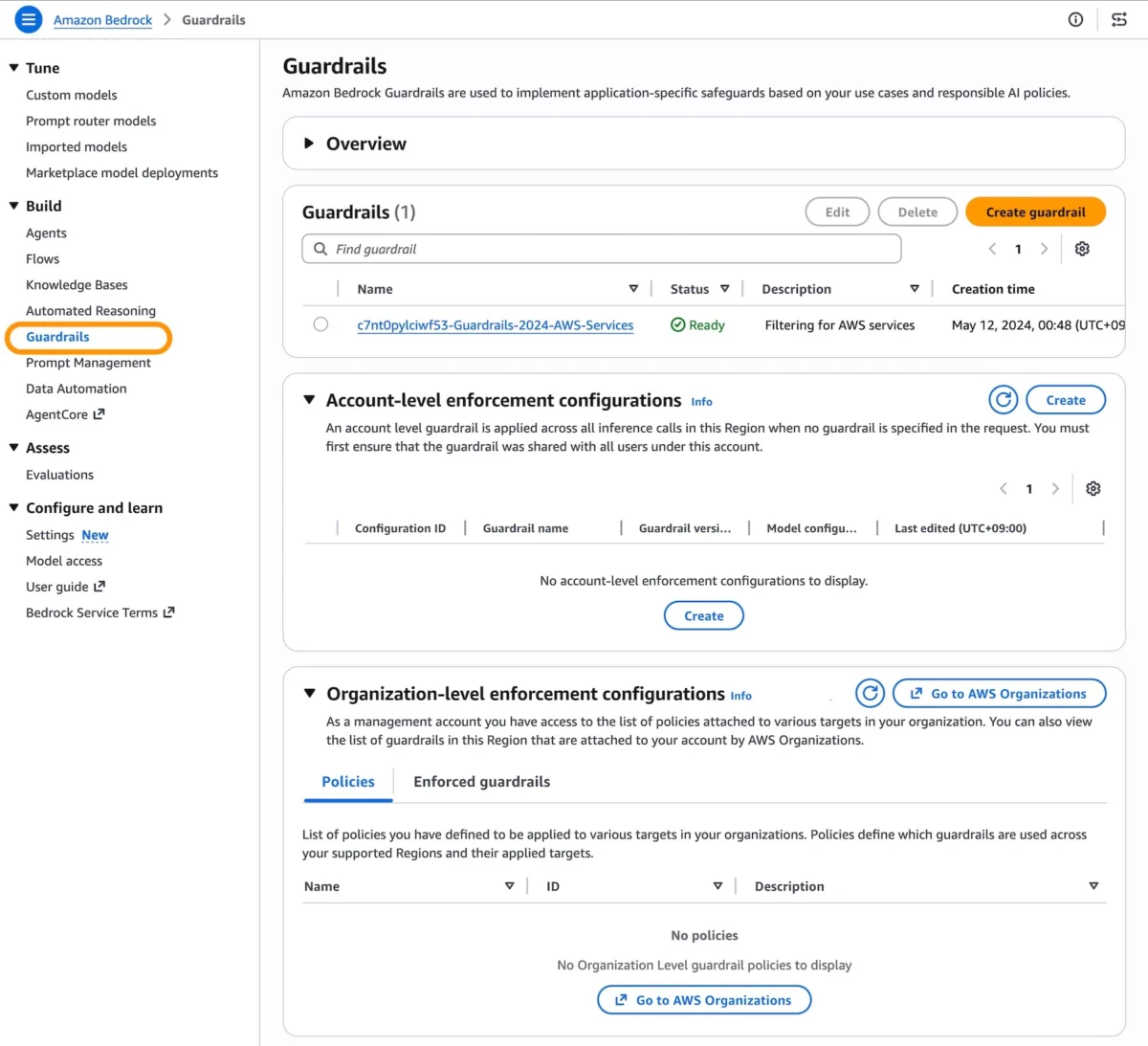
Getting started with centralized enforcement involves a clear, multi-step process that can be initiated from the Amazon Bedrock Guardrails console for account-level configurations or the AWS Organizations console for organization-wide policies.
Account-Level Enforcement:
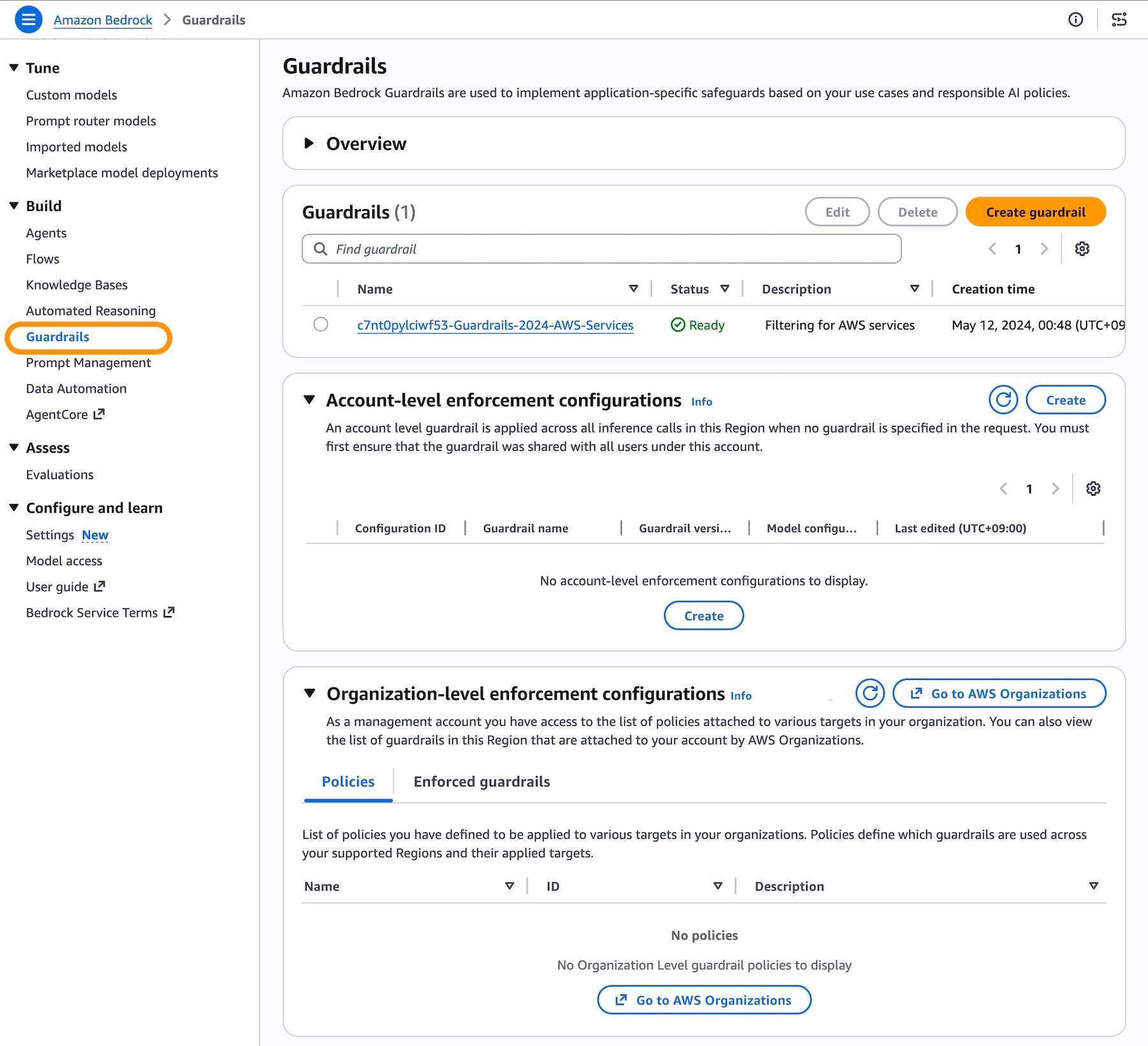
To enable account-level enforcement, users navigate to the Amazon Bedrock Guardrails console and select the option to create an enforcement configuration. A crucial prerequisite is the creation of a guardrail with a specific, immutable version, ensuring that once configured, member accounts cannot alter the core safety rules. Resource-based policies for guardrails must also be established.
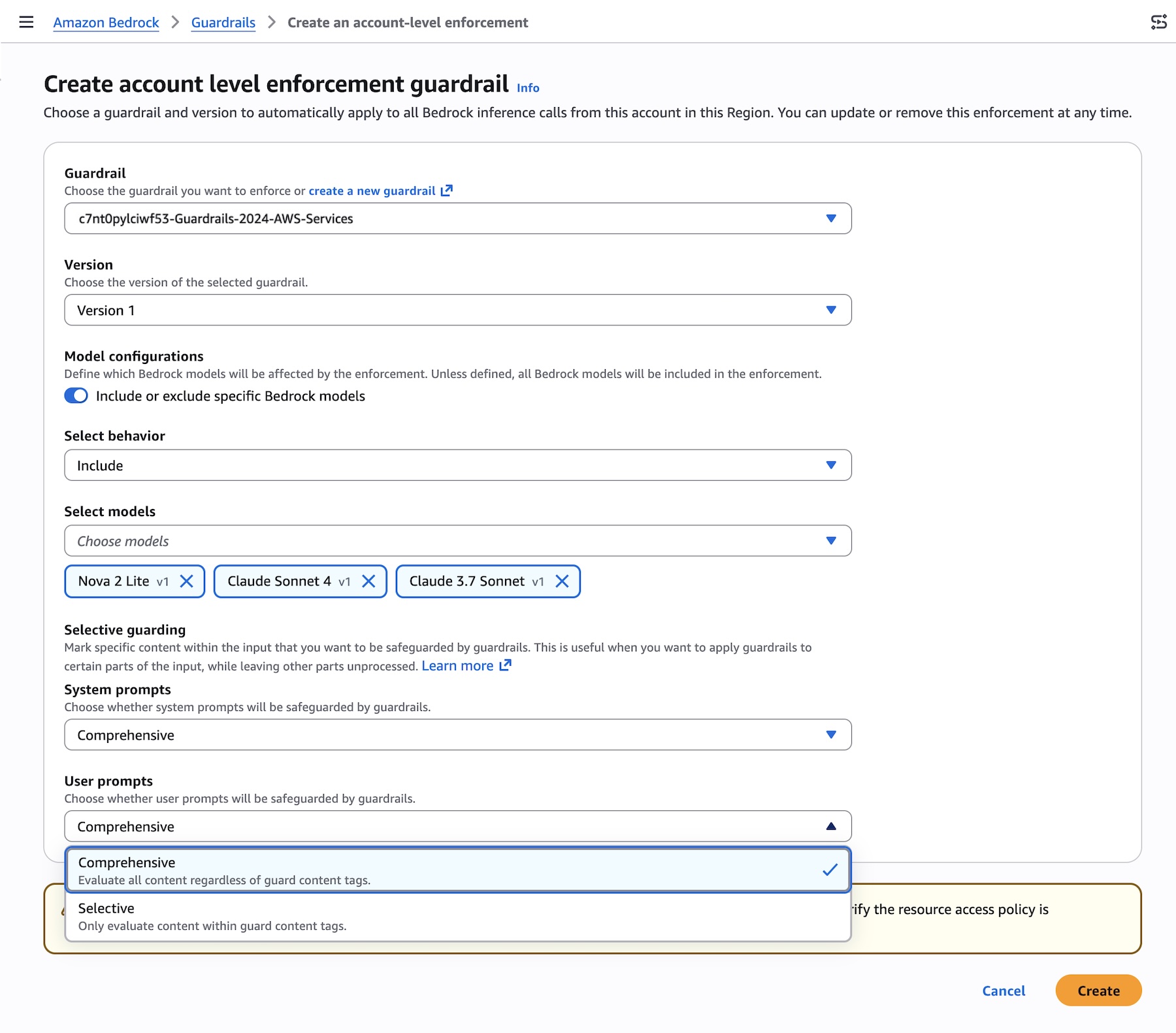
Within the account-level enforcement settings, users can select the desired guardrail and its version, which will then automatically apply to all Amazon Bedrock inference calls originating from that account within the specified AWS Region. A new feature introduced with general availability allows for defining which models will be affected by the enforcement through either an "Include" or "Exclude" behavior. This granular control over model scope ensures that guardrails are applied precisely where needed. Furthermore, users can configure selective content guarding controls for both system prompts and user prompts, choosing between "Comprehensive" or "Selective" modes to fine-tune the level of scrutiny.
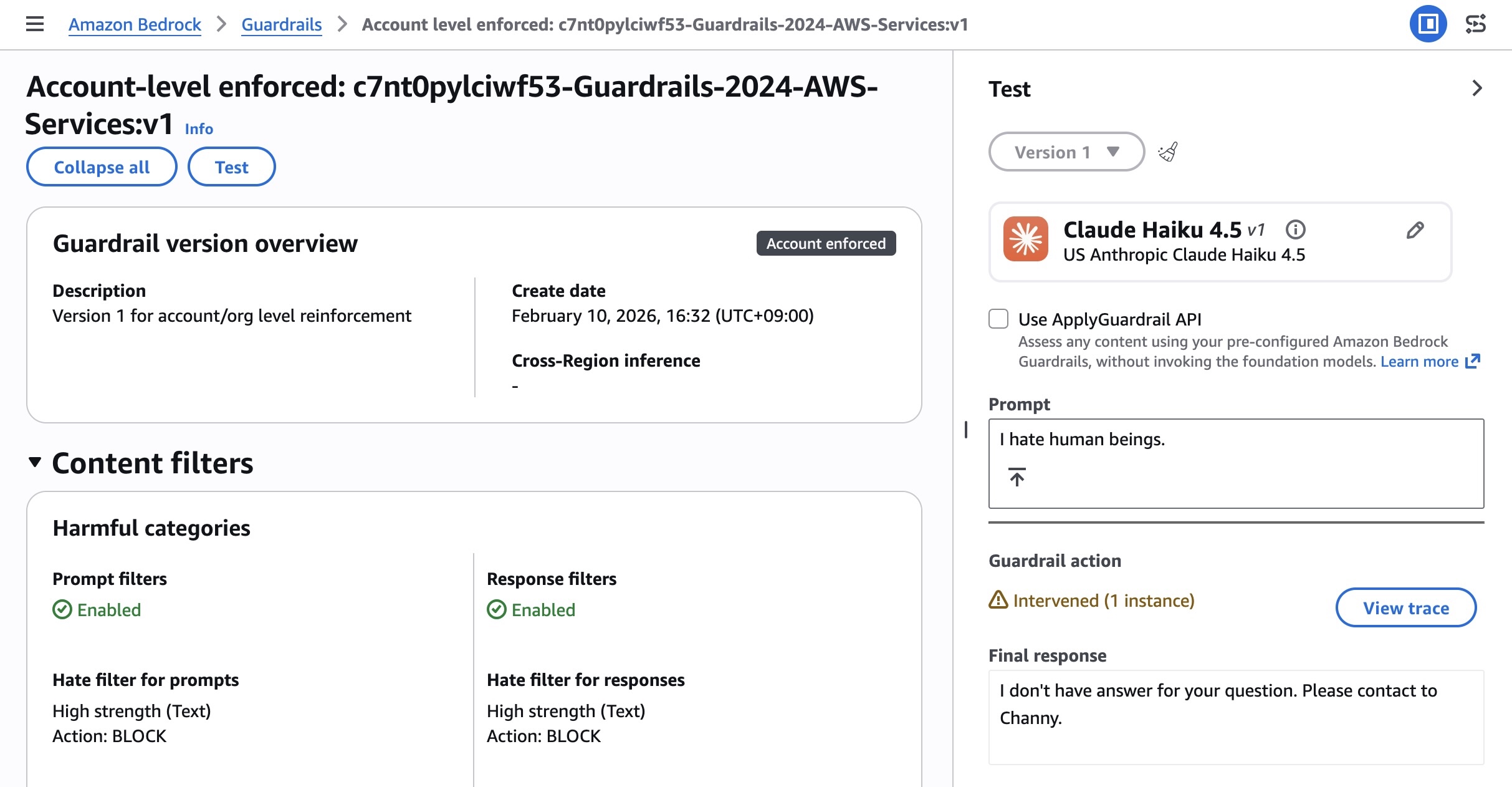
Testing and verification are integral parts of the deployment process. After creating an enforcement, users can test its efficacy using a designated role within their account. The account-enforced guardrail is designed to automatically apply to both prompts and model outputs. Verification involves checking the response for guardrail assessment information, which will explicitly include details about the enforced guardrail. This can be done by making Bedrock inference calls using APIs such as InvokeModel, InvokeModelWithResponseStream, Converse, or ConverseStream.
Organization-Level Enforcement:
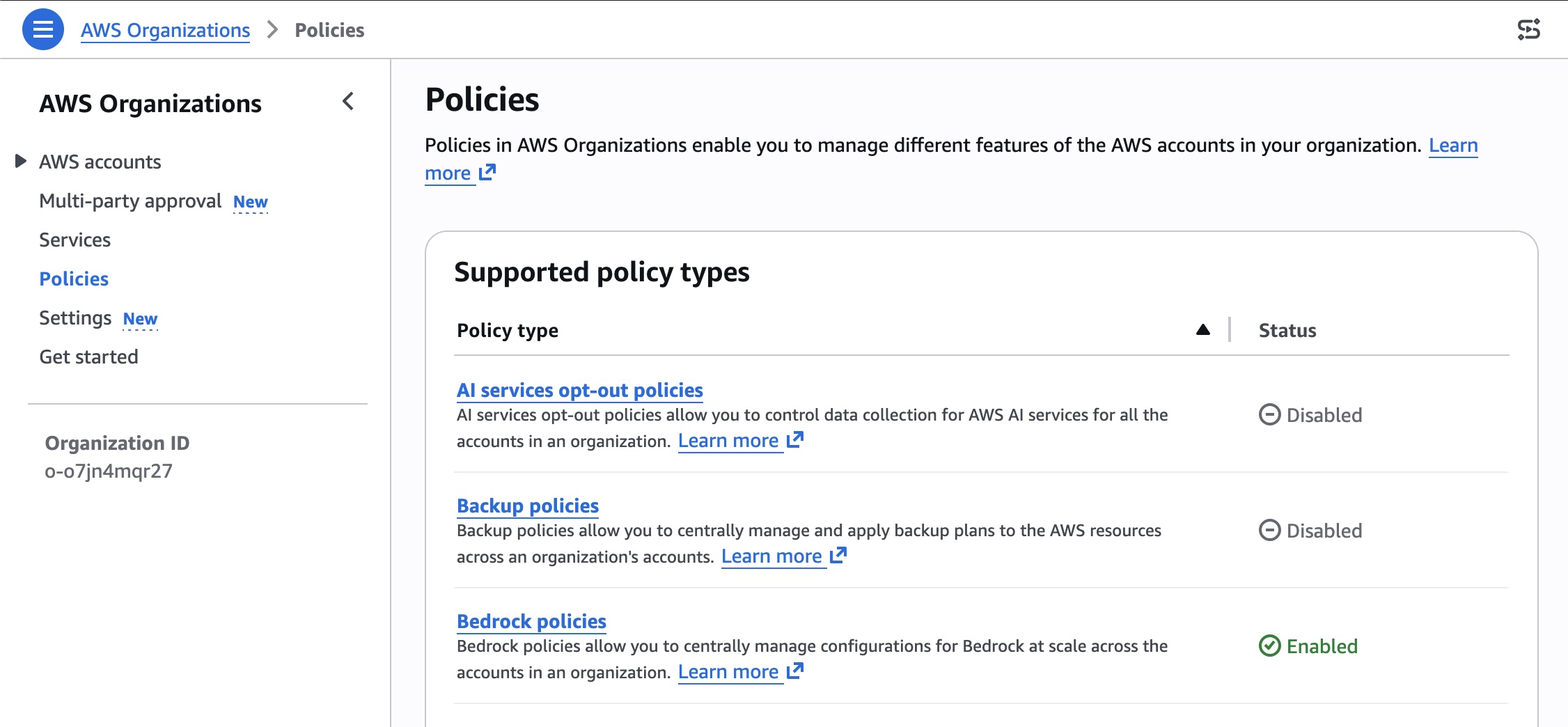
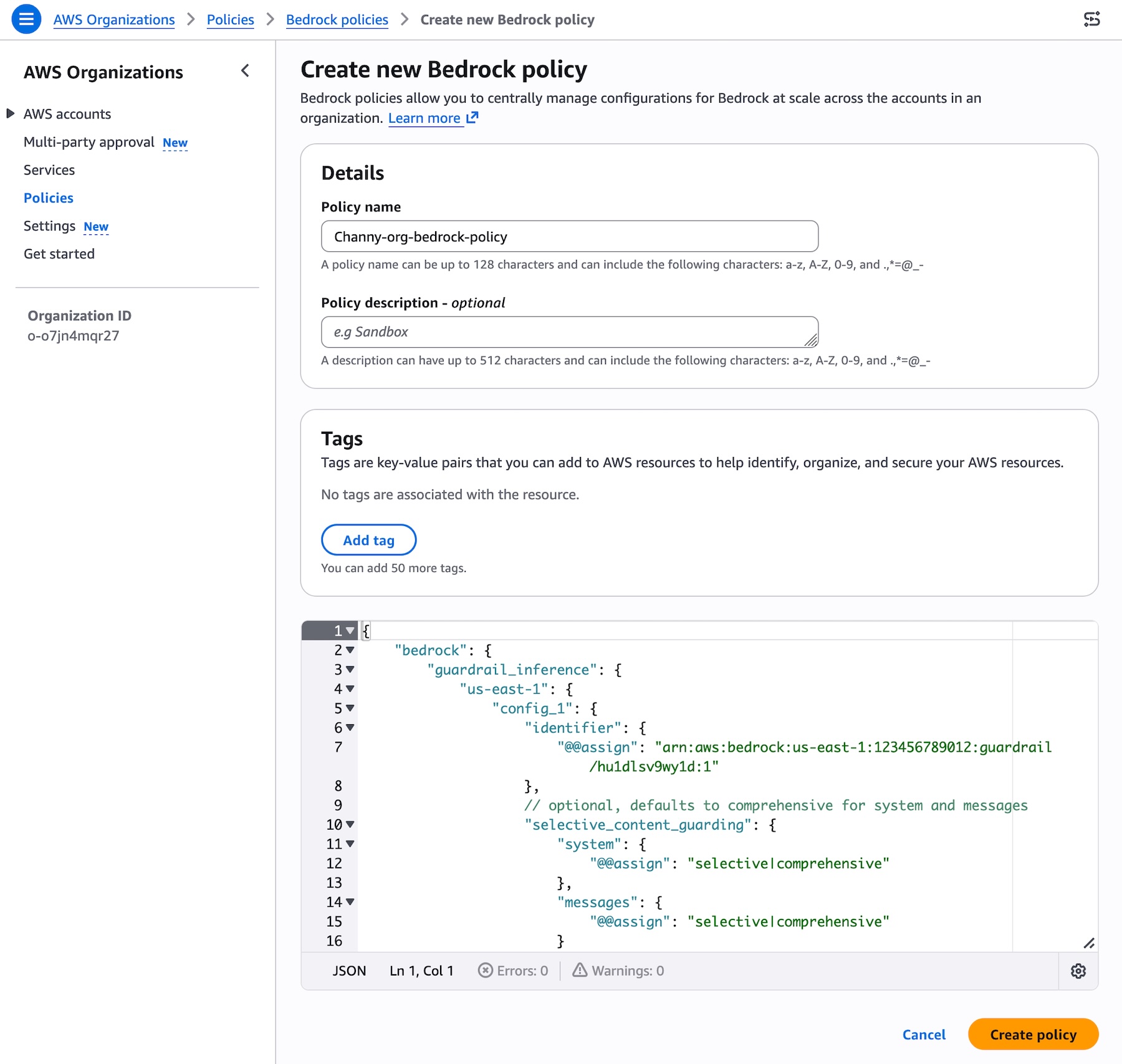
For organization-level enforcement, the process begins in the AWS Organizations console. The first step is to enable "Bedrock policies" within the console. Once enabled, administrators can create a new Bedrock policy, specifying the Amazon Resource Name (ARN) of their chosen guardrail and its version. This policy can also configure input tags settings within AWS Organizations. Comprehensive documentation, including "Amazon Bedrock policies in AWS Organizations" and "Amazon Bedrock policy syntax and examples," is available to guide users through this process.
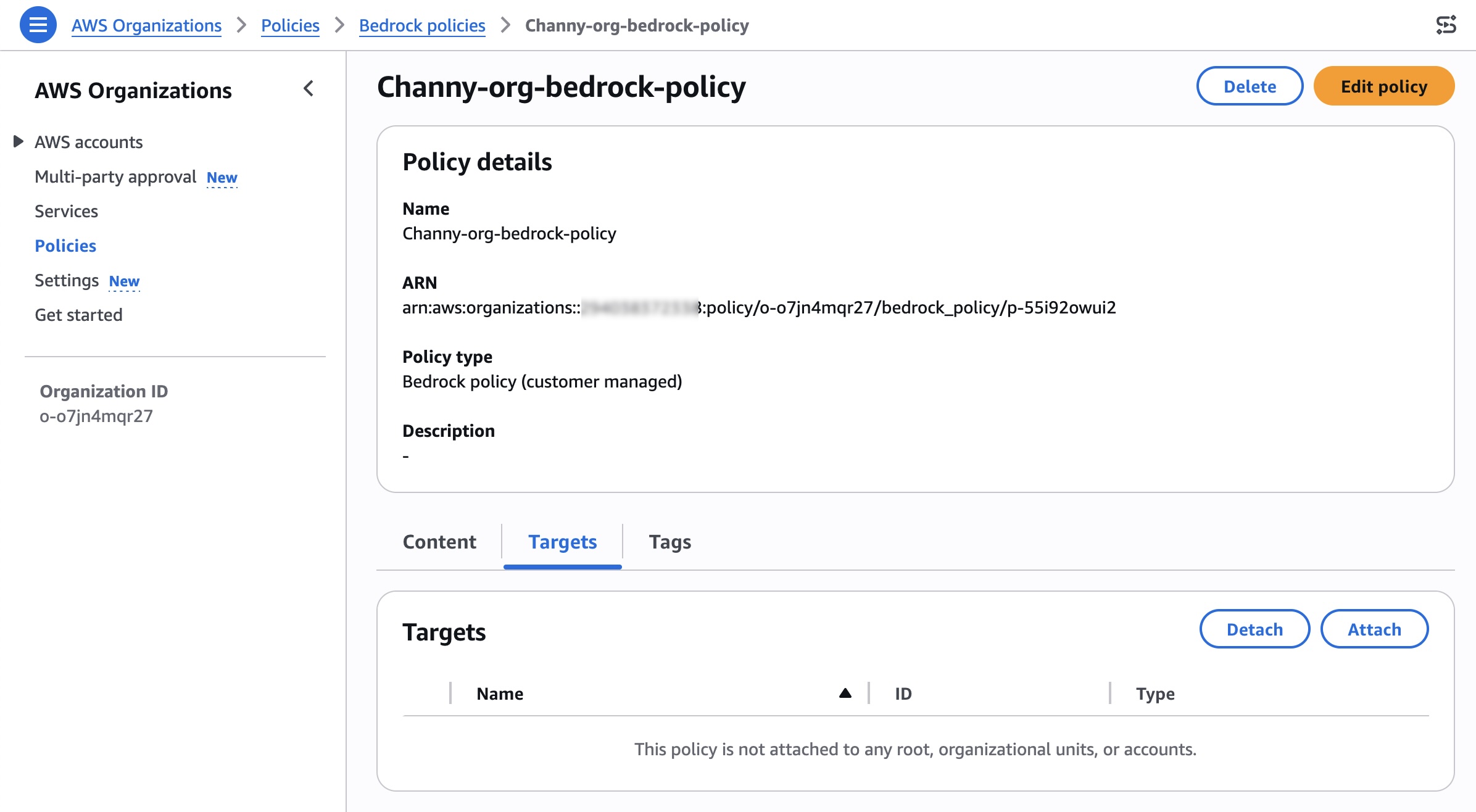
Upon creation, the policy can be attached to various targets within the organization, including organizational units (OUs), individual accounts, or even the root of the organization. This hierarchical attachment mechanism ensures that policies can be applied broadly or to specific subsets of accounts, depending on the organizational structure and compliance requirements. After attaching the policy, member accounts will automatically inherit the specified guardrail. Verification for organization-level enforcement involves checking a member account’s Amazon Bedrock Guardrails console, where the organization-enforced guardrail should be visible under the "Organization-level enforcement configurations" section. This confirms that the underlying safeguards are active for every model inference request across all designated member entities.
Broader Implications for Enterprise AI Adoption
The general availability of cross-account safeguards in Amazon Bedrock Guardrails is poised to have several profound implications for enterprises:
- Enhanced Compliance and Risk Management: With a unified enforcement mechanism, organizations can more effectively meet internal compliance standards, industry regulations (e.g., GDPR, HIPAA), and ethical AI guidelines. This reduces the risk of non-compliant AI outputs and associated legal or reputational damages. The ability to centrally manage policies ensures a higher degree of control and auditability, which is paramount in regulated industries.
- Reduced Administrative Burden and Operational Efficiency: The previous model of managing guardrails per account was resource-intensive. Centralized management significantly reduces the administrative overhead for security and governance teams, freeing up valuable resources to focus on strategic initiatives rather than reactive monitoring. This operational efficiency translates into faster deployment cycles for generative AI applications.
- Accelerated Generative AI Adoption: By providing a robust and scalable governance framework, AWS lowers the barrier to entry for enterprises hesitant to widely adopt generative AI due to security and compliance concerns. Knowing that guardrails can be consistently enforced across all deployments instills greater confidence in the technology.
- Consistent Responsible AI Practices: This feature underscores AWS’s commitment to responsible AI. By making it easier for customers to implement and enforce safety controls, AWS is actively promoting ethical AI development and deployment across its cloud ecosystem. This aligns with a global trend towards more stringent AI governance and ethical guidelines.
- Improved Security Posture: Beyond content moderation, guardrails can help prevent sensitive data leakage, mitigate prompt injection attacks, and filter out harmful or biased content. Centralized enforcement ensures that these security measures are consistently applied, strengthening the overall security posture of AI applications.
- Scalability and Flexibility: The design allows for scaling AI initiatives across an organization without compromising safety. The combination of organization-wide baseline policies and account-specific overrides provides a highly flexible framework that can adapt to evolving business needs and regulatory landscapes.
According to recent industry reports, the global generative AI market is projected to reach over $100 billion by 2030, driven by widespread enterprise adoption. However, a significant hurdle for this growth has been the lack of comprehensive governance and security tools. This AWS announcement directly addresses that gap, potentially unlocking further acceleration in enterprise AI integration. Industry analysts are likely to view this as a strategic move by AWS to solidify its position as a leader in enterprise-grade AI solutions, differentiating itself through robust governance capabilities.
Availability and Future Outlook
Cross-account safeguards in Amazon Bedrock Guardrails are generally available today across all AWS commercial and GovCloud Regions where Bedrock Guardrails is offered. This broad availability ensures that a wide range of organizations, including those with stringent governmental compliance requirements, can immediately leverage these new capabilities. Pricing for this feature applies to each enforced guardrail, with charges based on its configured safeguards. Detailed pricing information is available on the Amazon Bedrock Pricing page, allowing organizations to plan their budgets effectively.
This release represents an ongoing commitment from AWS to enhance the security, governance, and usability of its generative AI services. As AI technology continues to advance at a rapid pace, the demand for sophisticated tools that ensure responsible deployment will only intensify. Future enhancements could potentially include more advanced integration with other AWS security services, expanded policy customization options, and perhaps even AI-powered recommendations for guardrail configurations based on organizational usage patterns.
Organizations are encouraged to explore this new capability through the Amazon Bedrock console and provide feedback via AWS re:Post for Amazon Bedrock Guardrails or through their existing AWS Support contacts. This feedback loop is crucial for AWS to continuously refine and evolve its offerings to meet the dynamic needs of its global customer base, ensuring that generative AI remains a powerful, safe, and ethical tool for innovation.
